
America's religious "nones" move from voters to lawmakers
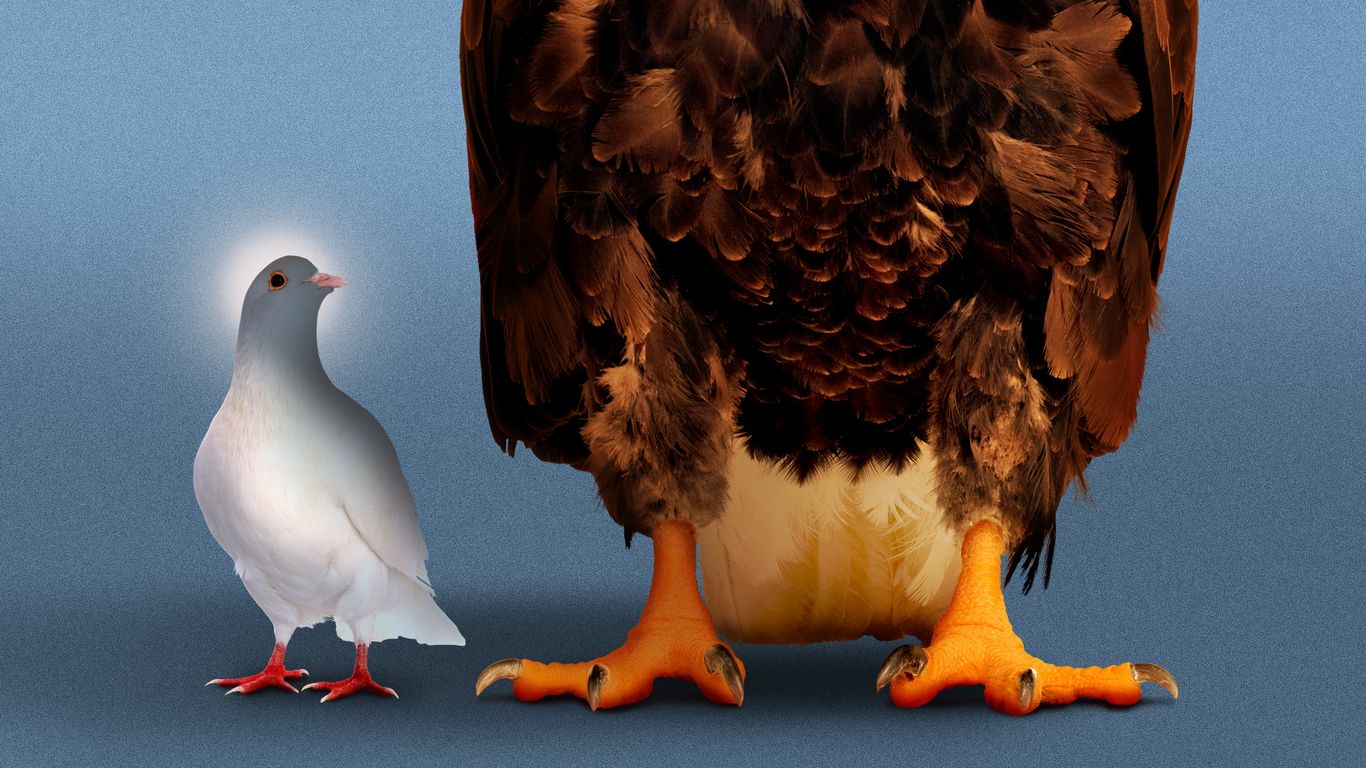
America's religious "nones" have gained a visible foothold in Congress: Five lawmakers will claim no religious affiliation in January, up from a single member just two years ago. Why it matters: Washington remains far more religious than the nation it represents. But the last two election cycles have put a series of cracks in that political glass ceiling. By the numbers: Religiously unaffiliated voters made up 27% of the 2026 midterm electorate, up from 23% in 2024, according to preliminary Fox News voter polling . Just three of 532 lawmakers surveyed at the start of the 119th Congress claimed no religious affiliation, according to Pew Research Center . Pew counted one additional humanist. All three lawmakers who claimed no affiliation — Reps. Yassamin Ansari (D-Ariz.), Abraham Hamadeh (R-Ariz.) and Emily Randall (D-Wash.) — won reelection in November. State of play: They'll be joined in January by Democratic Reps.-elect Chris Rabb of Pennsylvania and Fred Wellman of Missouri — who publicly acknowledged their nonreligious identities before winning their Nov. 3 elections. Rabb, a five-term state lawmaker representing a majority-Black Philadelphia district, won the seat of retiring Democratic Rep. Dwight Evans. Wellman, a retired Army officer, ousted seven-term Republican Rep. Ann Wagner in suburban St. Louis, flipping a longtime GOP stronghold. Their wins mark a breakthrough for congressional candidates who openly embraced their nonreligious identities before Election Day, according to Secular Coalition for America. Zoom in: Rabb thanked atheists for supporting his campaign after winning his May Democratic primary. Wellman defeated Wagner roughly 51% to 46%, according to Ballotpedia . His pitch? Affordability, corruption and accountability — not his lack of faith. Zoom out: The nonreligious political bench stretches well beyond Capitol Hill. More than 100 openly nonreligious lawmakers are expected to serve in at least 38 state legislatures, up from 81 in 33 states, a
Read the full story at Axios →