
Trump secretary's Christian messages to staff went "too far," judge rules
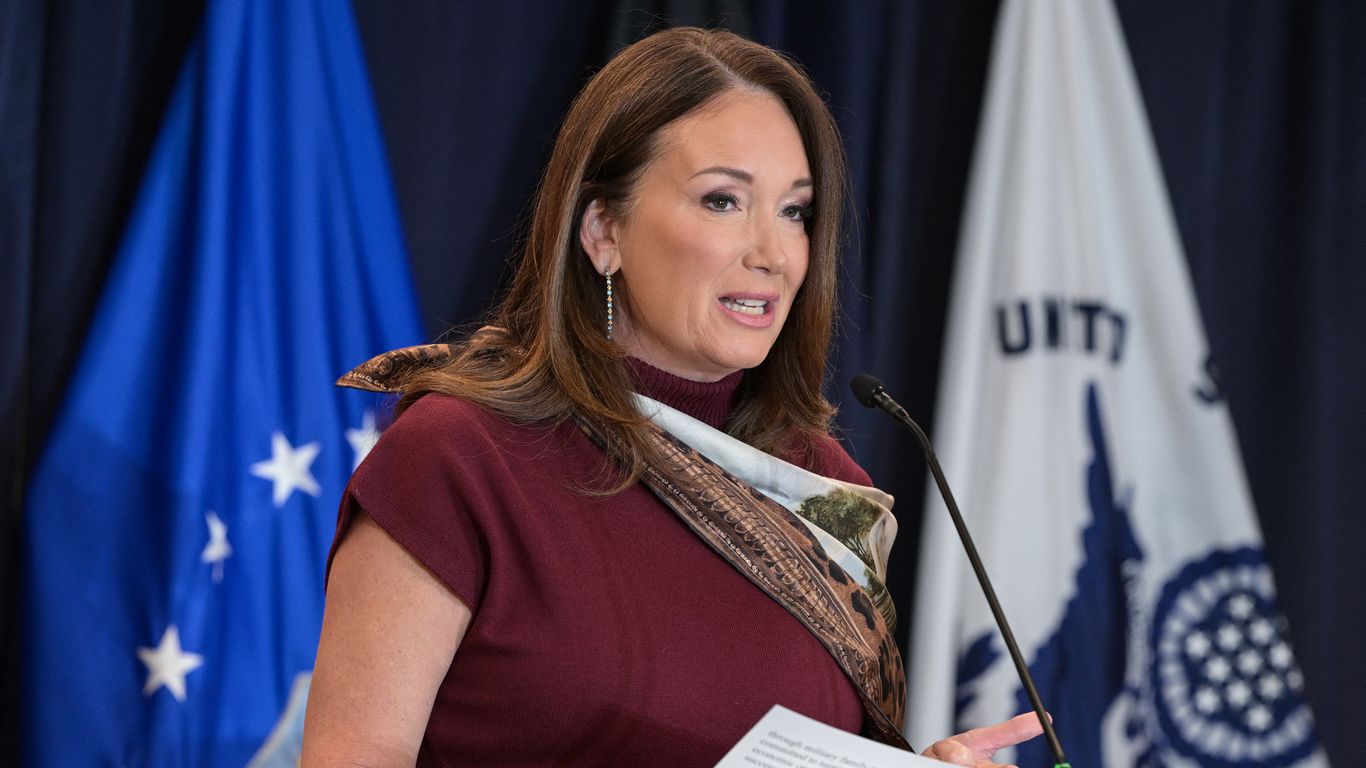
A federal judge said Thursday that Agriculture Secretary Brooke Rollins' overtly Christian messages to department employees went "too far" and put enough pressure on staff to raise a First Amendment violation. The big picture: The Supreme Court has repeatedly weighed the boundaries of the Establishment Clause . While the judge said Rollins could express her religious beliefs with interested colleagues, she concluded the department-wide messages overstepped those boundaries by amounting to coercion. But a USDA spokesperson slammed the decision as "a completely unprecedented attempt to muzzle a Cabinet Secretary" in a statement to Axios. Catch up quick: The complaint from a federal employees union and individual staffers alleged Rollins sent "increasingly proselytizing communications to the entire USDA workforce," including an Easter email where she celebrated "the greatest story ever told, the foundation of our faith, and the abiding hope of all mankind." The USDA employees who sued, who came from varied religious — and nonreligious — backgrounds, reported that the messages made them feel pressured to share Rollins' beliefs. What's inside: District Judge Trina Thompson ordered Rollins to "recognize certain boundaries when disseminating messages which convey religious content." She determined the messages overstepped and suggested "acquiescence that amounts to coercive pressure." "After reviewing and weighing the Establishment Clause jurisprudence, the Court finds that Secretary Rollins appears to exploit her position of authority to convey a religious message beyond mere holiday wishes and amounting to coercion," Thompson wrote. She said she was not trying to regulate Rollins' own religiosity; rather, she directed Rollins to follow her own department memorandum on religious expression rights, which states employees can't "use official authority to pressure subordinates." The other side: The administration argued that the employees lacked jurisdiction and that the sec
Read the full story at Axios →