
America's changing power grid faces a powerful El Niño
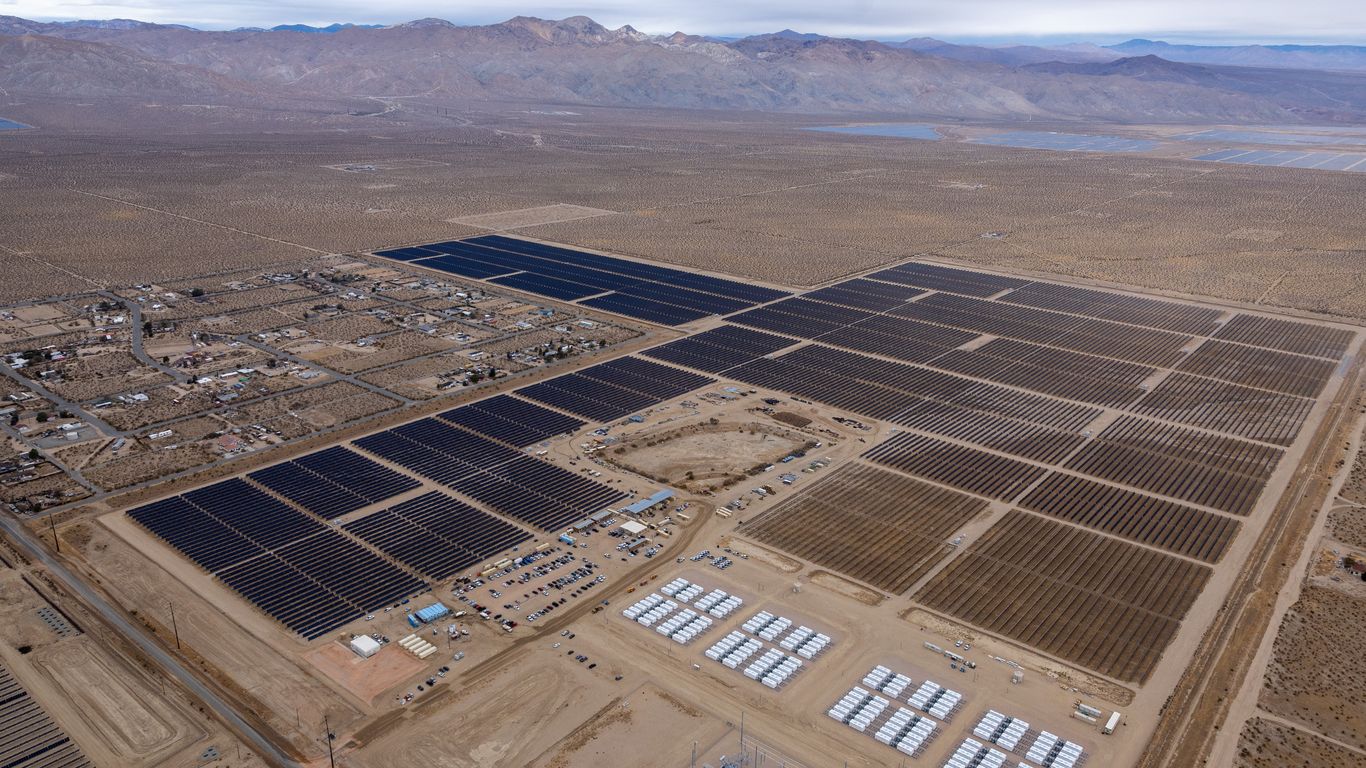
A powerful El Niño could bring major shifts in electricity supply and demand across the U.S. this winter, posing new challenges for utilities. Why it matters: The U.S. power grid has far more solar, wind and battery storage than during the last major El Niño, and the ongoing event could reveal whether that changing energy mix has made the grid more resilient or left it vulnerable in new ways. Driving the news: A very strong El Niño is strengthening in the tropical Pacific and is expected to continue into spring 2027, the National Oceanic and Atmospheric Administration says. NOAA's latest outlook favors wetter-than-normal conditions across California , the Southwest and much of the southern U.S. this winter, while the northern Rockies and parts of the Great Lakes lean drier and much of the northern U.S. leans warmer. The intrigue: El Niño doesn't affect every electricity resource the same way. A March study found that previous super El Niños were associated with reductions in potential solar power output of nearly 5% in parts of California over 12 months — and more than 10% in the state's north during winter. Vincent Tidwell, chief scientist at Pacific Northwest National Laboratory, says a wetter California winter could boost hydropower, while reduced precipitation or snowpack in the Pacific Northwest could cut generation there. Erik Smith, a climate scientist at the Electric Power Research Institute, tells Axios the Southeast is another region to watch for reduced solar generation as El Niño favors cloudier conditions. California now has more than 21 gigawatts of battery capacity , giving the grid another tool to manage fluctuations in electricity supply — one it barely possessed during the last very strong El Niño. The Columbia and Snake river basins accounted for roughly 62% of Western U.S. hydropower generation between 2001 and 2020, according to a Pacific Northwest National Laboratory analysis . Tidwell tells Axios that the Western grid is accustomed to shifting
Read the full story at Axios →