
The bizarre twist shaking up Alaska's Senate race and catching Trump's ire
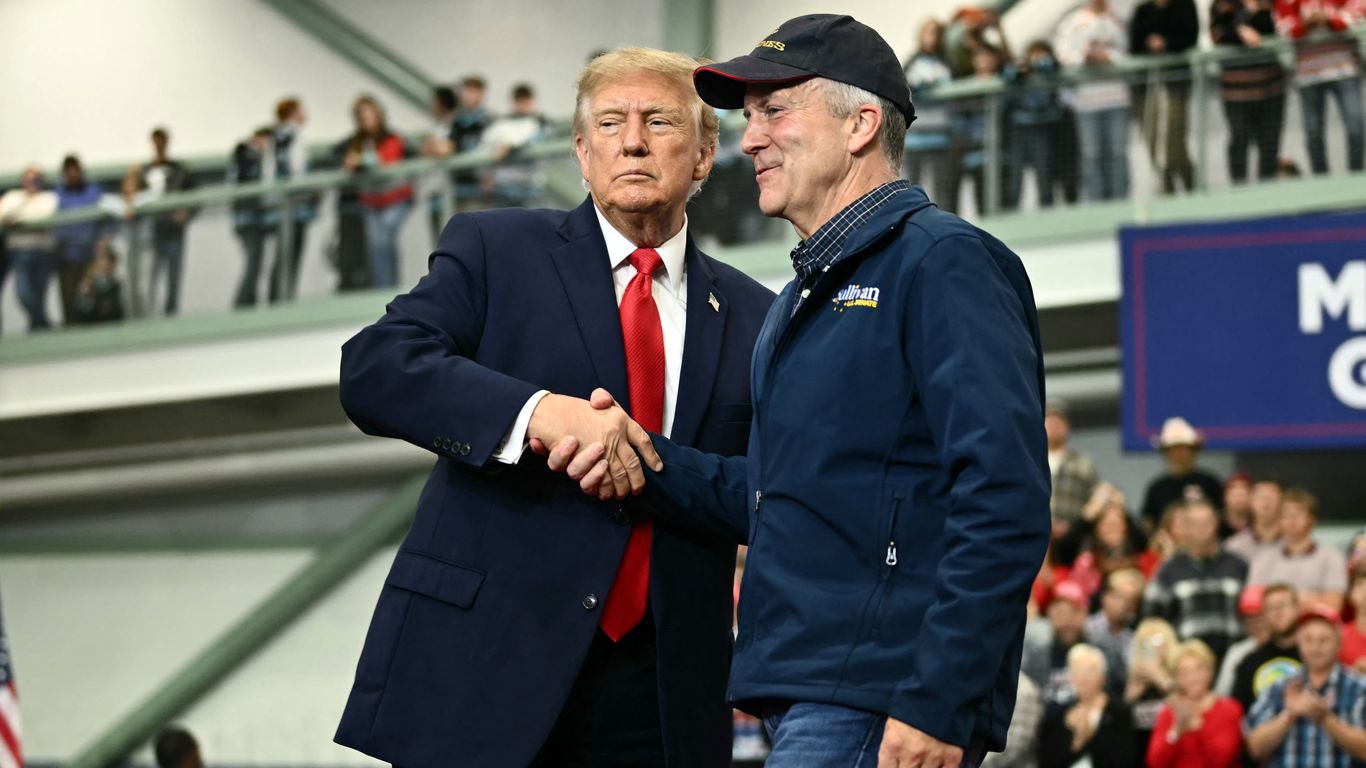
Alaska's tight Senate race is facing a new controversy over two candidates named Dan Sullivan appearing on the ballot — a twist that's drawn attention from President Trump . The big picture: The controversy is adding uncertainty to one of the nation's most competitive Senate contests, with control of Congress on the line in next week's midterm elections. Catch up quick: The New York Times reported this week that Democratic operatives with ties to Mary Peltola's Senate campaign helped recruit a candidate named Dan J. Sullivan to challenge Republican incumbent Dan S. Sullivan. Trump accused Peltola and Democrats of election fraud and called for criminal prosecution, though the Times did not establish that any laws were broken. Alaska Gov. Mike Dunleavy ordered an investigation into Peltola's campaign over the NYT report. House Republicans are also launching an Alaska Senate race probe. Though the presence of two Sullivans in the Senate race has been known for months, the Times' report adds a new wrinkle to a dispute that's already reached the courts. Here's what to know about the controversy. The same-name Senate race controversy The controversy centers on two candidates with nearly identical names appearing on Alaska's Senate ballot: Republican incumbent Dan S. Sullivan and unaffiliated challenger Daniel J. Sullivan Jr. The ballot will show registered Republican "Sullivan, Dan S." and unaffiliated candidate "Sullivan, Daniel J. Jr." Peltola and Republican Gerald Heikes will also be on the ballot. The challenger initially filed as a Republican but later changed his registration to undeclared. He will appear on the ballot without a party label. Flashback: Concerns about the duplicate names have existed for months. In June, a top Alaskan election official ruled that candidate Daniel J. Sullivan was ineligible to run on the state's primary ballot. The official said she found the candidacy was "filed with a purpose to confuse or mislead and to thereby compromise the ballo
Read the full story at Axios →