
Iran pressed to make nuke concessions as massive post-midterms strikes loom
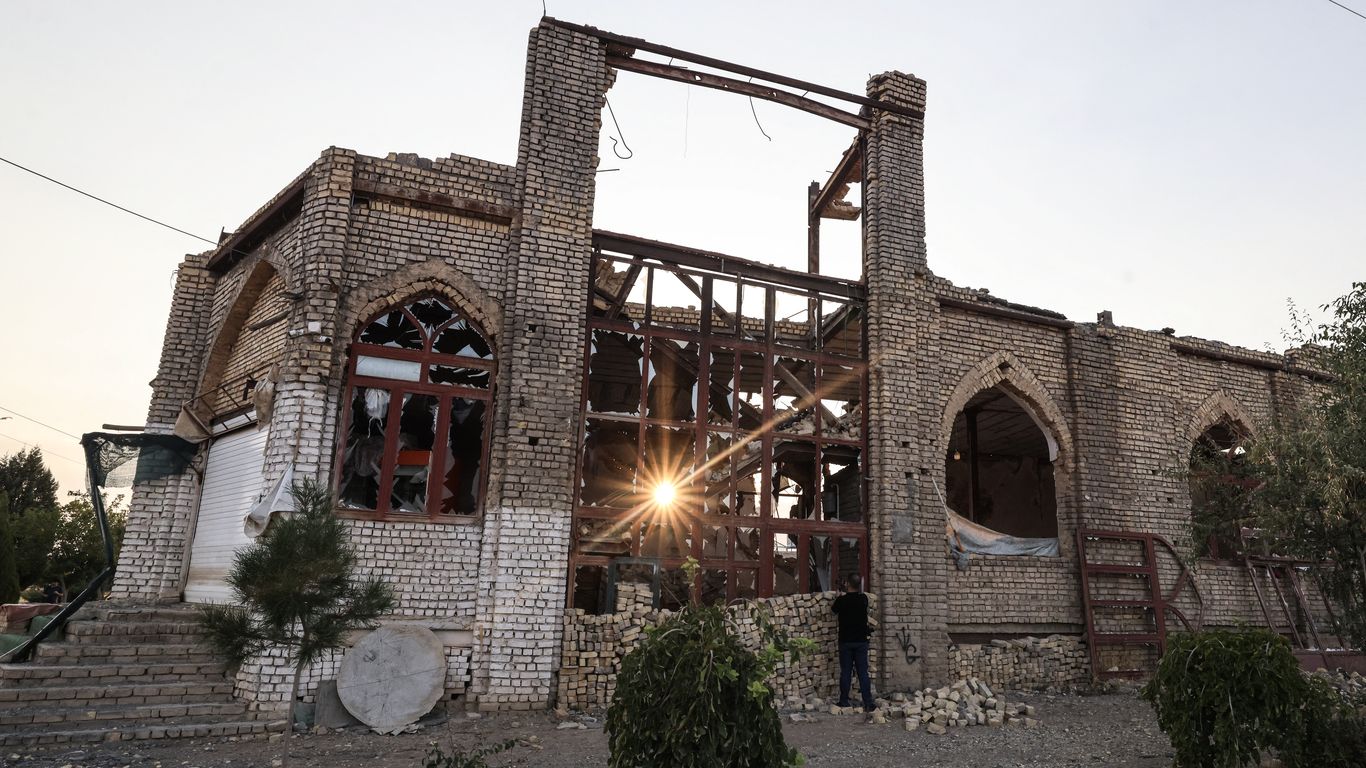
Regional mediators led by Qatar are trying to reach a diplomatic deal to restart negotiations between the U.S. and Iran and prevent the resumption of war after the midterm elections, three U.S., Israeli and regional sources say. The Qataris are working to convince Iran to allow UN inspectors to visit its bombed nuclear sites in return for some sanctions relief from the U.S. Why it matters: A renewed bombing offensive appears likely shortly after the midterms without a last-minute deal. IDF chief of staff Gen. Eyal Zamir spoke on Monday with CENTCOM commander Adm. Brad Cooper to coordinate ahead of potential attacks. Such an operation is expected to include a week of massive strikes on Iranian leadership, energy, nuclear and infrastructure targets, U.S. and Israeli officials say. What he's saying: President Trump told Axios in a brief interview Wednesday that negotiations with Iran are taking place through mediators but stressed that he doesn't know whether they'll bear fruit. "We need to finish the job — either through a deal or another way — we will find out if negotiations can succeed," he said. "While our Brave Armed Forces are fully prepared to defend the Homeland, Iran continues to give diplomacy a chance to succeed," Foreign Minister Abbas Araghchi said on X Wednesday. Behind the scenes: The mediation efforts are being led by Qatar, with the support of Pakistan, Saudi Arabia, Egypt and Turkey, sources say. Qatari negotiator Ali al-Thawadi visited Tehran earlier this week for talks with Iranian officials about a potential deal with the Trump administration. A regional source briefed on the talks said the Qataris presented ideas for how to bridge the gap between the U.S. demand that Iran give up its enriched uranium stockpile and Iran's insistence that the U.S. first lift its naval blockade and release Iran's frozen funds. The regional source and a U.S. official said the mediators are telling Iran that accepting the proposals may be the only way to avoid major a
Read the full story at Axios →