
The real election tech vulnerabilities in 2026
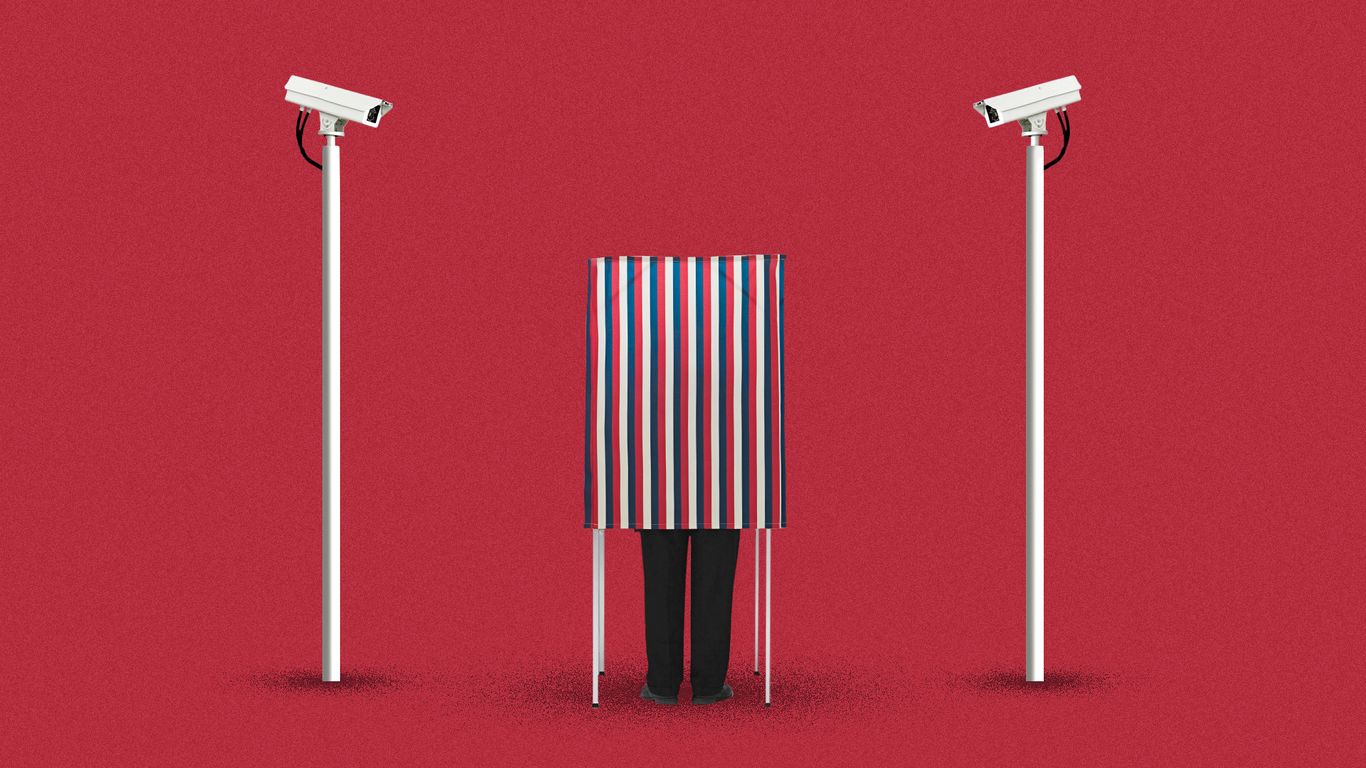
Some of the biggest vulnerabilities in election security are lying in plain sight. Why it matters: There's no credible evidence that voting-system vulnerabilities have been exploited to change election results. But researchers have found isolated flaws that threaten ballot secrecy, accurate vote recording and independent verification of results. The big picture: Voter-marked paper ballots and rigorous audits are the gold standard for trustworthy elections, election-security researchers and activists tell Axios. Researchers have challenged unfounded claims that elections were stolen through hacking while also warning against dismissing real vulnerabilities in voting systems. "A vulnerability is not an exploit," Philip Stark, a retired UC Berkeley statistics professor who developed an audit protocol for checking paper ballots, said at a recent conference. "You can leave a key under your doormat, and that doesn't mean someone takes the key and opens your door." Zoom in: Election security experts interviewed by Axios found these vulnerabilities in parts of the U.S.: 1. Paperless voting: Louisiana is the last remaining state to use paperless voting machines statewide on Election Day. Voters press buttons to select their candidates, and the machines record their votes electronically without producing a paper ballot. That leaves no independent record to check whether votes were counted correctly. Most other states retired the machines after researchers exposed their vulnerabilities to hacking and the inability to independently audit their results. Election security expert and computer scientist J. Alex Halderman, of the University of Michigan, called Louisiana "the dinosaur of American elections." Louisiana's secretary of state's office declined an interview request, but in a press release said the state is expected to award a new election equipment contract at the end of the year. 2. Ballot-marking devices (BMDs) let voters select candidates on a touchscreen before printi
Read the full story at Axios →