
Inside "Black October": AI's cyber scare delivers a Y2K lesson
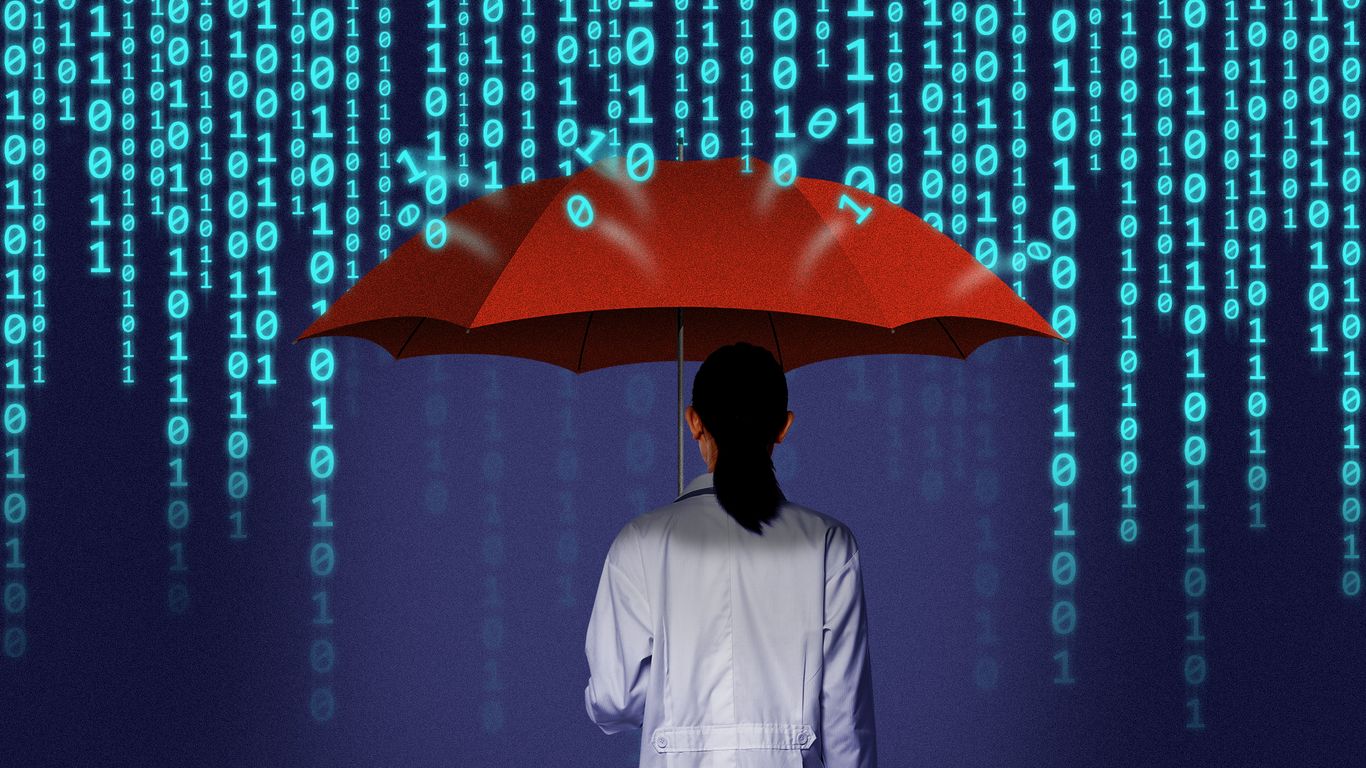
The cybersecurity world braced for catastrophe after AI uncovered critical flaws in the web's foundational code , but the anticipated wave of automated attacks has surprisingly struggled to get off the ground. Why it matters: Millions of hacking attempts have yielded few successful attacks, an apparent lucky break due to the degree of difficulty of building attacks on the bugs. The defense work at many companies to address the issue also appears to have helped. The last week has unfolded in ways that remind some researchers of the Y2K phenomenon, a software problem in 1999 where warnings of Armageddon helped rally companies to engineer a solution in time. Driving the news: Security researchers say the PHP vulnerabilities that prompted widespread panic last week have proven unusually difficult to exploit, despite a flood of attempts to develop working attack code. Yet the difficulty of exploiting PHP shouldn't be mistaken for evidence that AI-powered hacking isn't a serious threat, Samantha Lewis, head of threat intelligence at Armadin, told Axios. "We don't have to wait another two years before this happens [again]," she said. "It could be three hours from now that the next one of these launches." Between the lines: The sheer volume of AI-discovered bugs means the next era of cybersecurity will be defined by resilience — how quickly a company can detect an intruder, contain the damage and recover. "This is the worst outlook I've ever had, and it also is the most interesting thing I've ever seen in my life," ExtraHop CEO Greg Clark told Axios. "This stuff actually works, it's going to change everything." Rubrik CEO Bipul Sinha warned that the world is in an "era of cyber tsunami," noting that "it will wash over everybody, nobody will be 100% safe." Zoom in: The shift to building resilience doesn't require throwing out the security playbook. Instead, companies should double down on basic cyber principles, such as using multi-factor authentication, Justin Timothy, thre
Read the full story at Axios →