
Ukraine's Starlink woes spur Europe to look for Musk alternatives
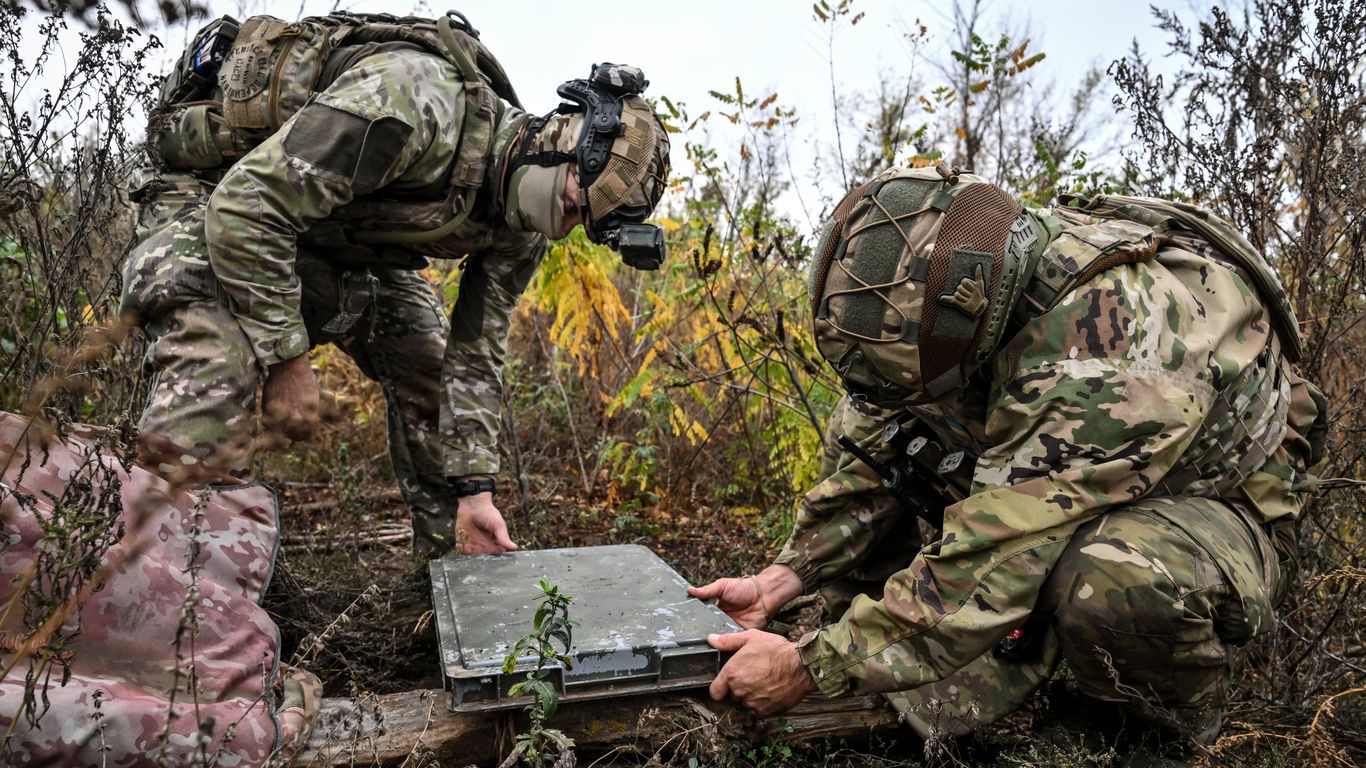
Rival satellite companies are jockeying to loosen Elon Musk's grip on battlefield communications after his company's restrictions on Ukraine's Starlink service shook officials in Europe and the U.S. Why it matters: The episode, which temporarily disrupted Ukraine's drone usage, shows how vulnerable a military can be to the whims of a single company or market dominator. State of play: Musk's SpaceX, which is the parent company of Starlink, is by far the world's leader in space-based connectivity with more than 11,000 satellites, per the American Enterprise Institute's data . Eutelsat, a France-based SATCOM firm, is behind them with more than 600 satellites in its OneWeb network. This summer, Starlink announced it hit 12 million customers across more than 160 countries and territories. SpaceX's massive lead has made it difficult for European countries that want to establish independence from the Musk-led company. Driving the news: Now, non-U.S. firms seeking to compete with SpaceX are pitching their services with more urgency. Last week, Finnish firms ICEYE and Nokia announced an agreement with Ukraine's defense ministry to explore "sovereign satellite communications." The duo's initial satellites are "expected to launch in 2028," an ICEYE spokesperson told Axios, adding the need for reliable satellite communications has been "evident for years, especially in Europe." "Modern warfare has proven that reliable communications are a matter of national security," Ukrainian President Volodymyr Zelenskyy said in the ICEYE-and-Nokia announcement. "We must all rely on capabilities that we can control." Zoom in: The Wall Street Journal reported last week that Musk ordered the slowdown of Ukraine's Starlink service. Other outlets have said the White House was involved, which President Trump denied. Musk responded on Oct. 24 that Ukraine "violated Starlink terms of service" by using it for offensive drone strikes. That "loophole," he added, was recently "closed." Follow the money
Read the full story at Axios →