
Europe's fridges are getting hacked. Could America be next?
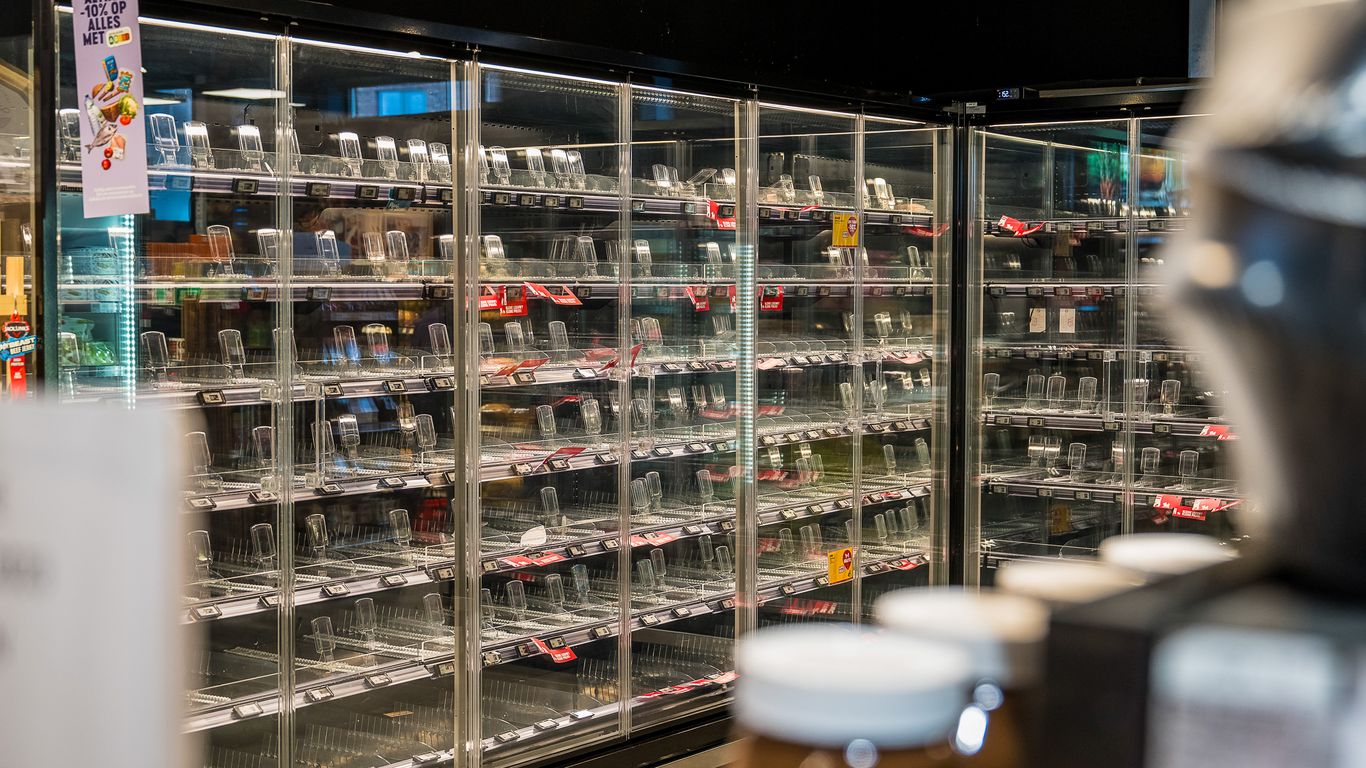
Cyberattacks are wreaking havoc on an unlikely target across Europe: supermarket refrigerators. Why it matters: Hackers are turning everyday, internet-connected equipment into physical hazards, spoiling food and causing costly damage. U.S. supermarkets use similar technology, and the Pentagon is already investigating suspected cyberattacks involving refrigeration systems at six military commissaries. Driving the news: Suspected cyberattacks sent refrigerator and freezer temperatures soaring at dozens of European supermarkets overnight, spoiling food and threatening costly losses. Grocery chains Ahold Delhaize and Colruyt reported incidents affecting stores in Belgium and Luxembourg, while Swedish chains ICA and Coop reported similar disruptions, per Reuters . A Belgian company that operates Delhaize's refrigeration systems said hackers switched the units into defrost mode. Here's what to know. Supermarkets hacked in Europe Supermarkets in Belgium, Estonia, Finland, Ireland, Luxembourg, the Netherlands and Sweden reported cyberattacks or IT disruptions, forcing some stores to discard spoiled food. Dozens of stores were affected, including an ICA supermarket in Sweden that said hackers set its refrigerator and freezer temperatures to 122°F, per ABC News . Authorities haven't shared who specifically is behind the attacks, per NBC News . Empty refrigerated shelves at a Proxy Delhaize supermarket in Maleizen, Belgium, following a refrigeration outage. Photo: Wiktor Dabkowski/Bloomberg via Getty Images Flashback: The incidents follow similar attacks in France last month, when hackers seized control of hundreds of refrigeration units, causing fires and spoiling food. It's unclear whether the attacks are connected. What they're saying: France's finance minister Roland Lescure said at the time that the attack "touches the heart of our food security." "It was a wake-up call for everyone," he said. How fridges get hacked How it works: Hackers aren't opening up each individual
Read the full story at Axios →