
Israel braces for an election each side warns could bring ruin
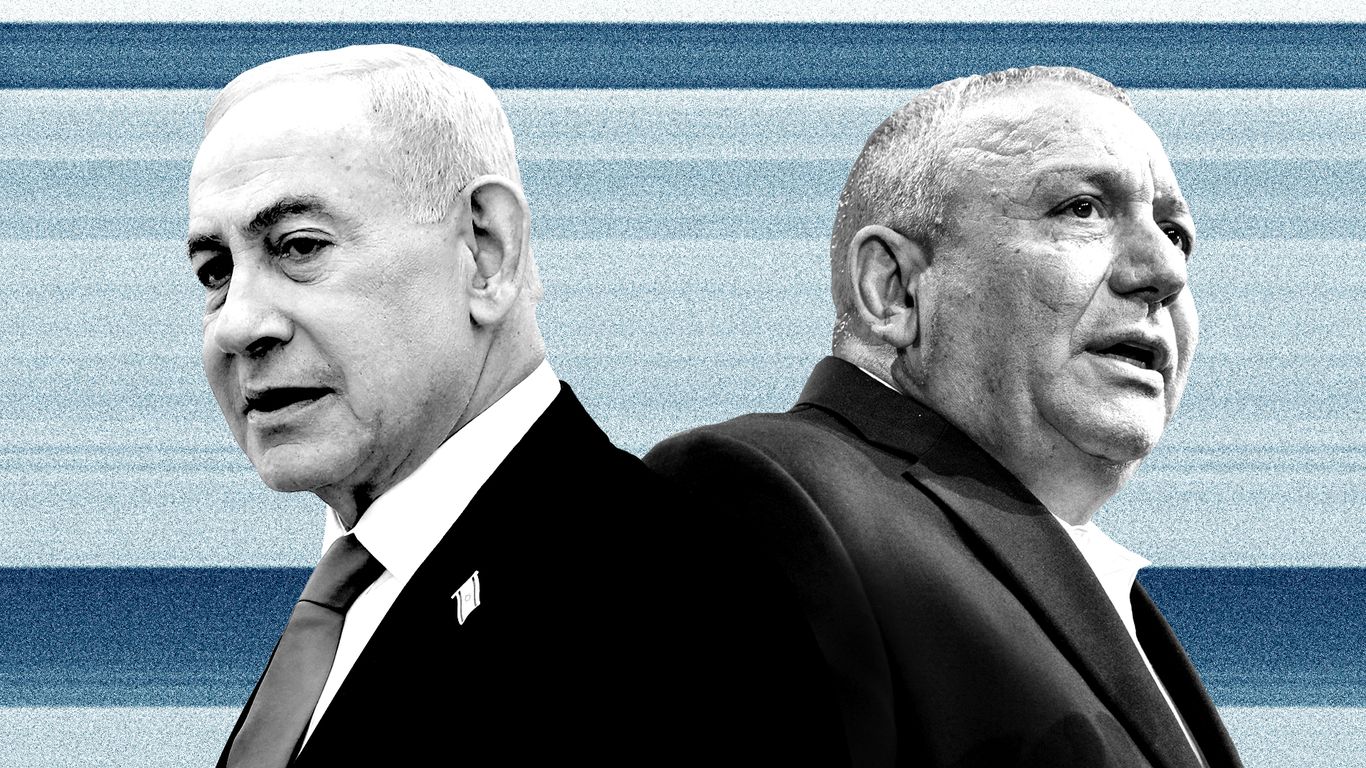
Israelis head to the polls today for one of the most consequential elections in the country's history — with rival camps warning that victory for the other would put Israel's future in jeopardy. Why it matters: The elections are yet another referendum on Benjamin Netanyahu's leadership and the path he's taken the country down over the past four years. It's Israeli voters' first chance to hold Netanyahu accountable for the security failures that led to the Hamas-led October 7 attacks — or to reward him for what he claims were unprecedented military successes in the three years of war since. If Netanyahu and his far-right coalition win, they're likely to renew the war with Iran in an effort to topple its regime, intensify their crackdown on Israel's democratic institutions and move to end Netanyahu's corruption trial. Driving the news: Netanyahu's campaign was totally focused on the war with Iran. After two military campaigns over the last 18 months in which he claimed that Israel destroyed Iran's nuclear program, Netanyahu's main talking point was that Iran is moving closer to a nuclear bomb. Earlier this week, Netanyahu went as far as posting an AI-generated image of Tel Aviv being destroyed by an Iranian nuclear bomb — implying that's what will happen if he loses. Behind the scenes: Netanyahu spent weeks trying to persuade President Trump to give him a green light to strike Iran ahead of the elections. Trump did not go along. In the 72 hours before the elections, Netanyahu tried to order the Israel Defense Forces to take steps to lay the ground for a potential new military strike or take actions short of an overt attack, Israeli officials say. IDF chief of staff General Eyal Zamir refused to abide. He warned that such a strike could lead to a miscalculation that quickly escalated hostilities and potentially forced the elections to be called off, the officials said. The Israeli officials said Zamir insisted there was no operational urgency in taking these steps ahea
Read the full story at Axios →