
Another judge blocks DOJ ballot demands in California
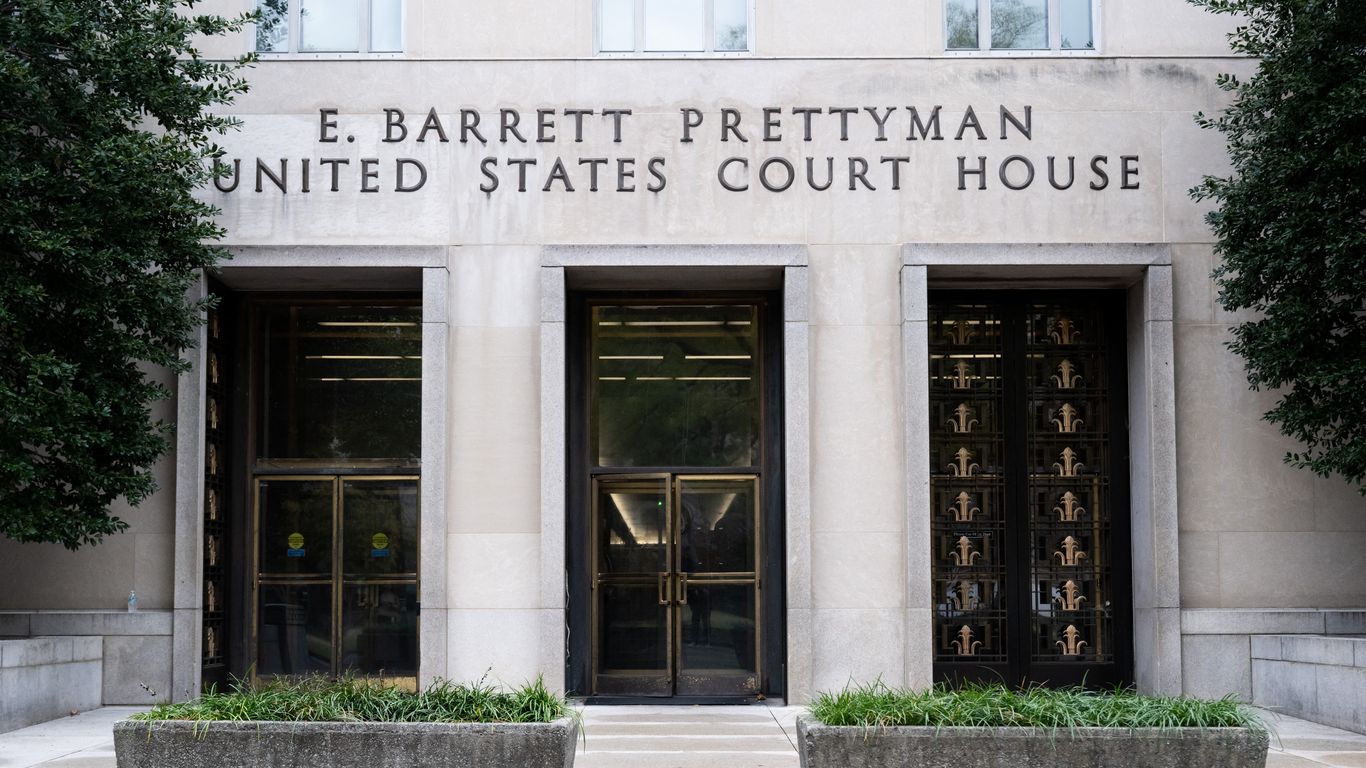
A federal judge on the eve of Election Day barred the Trump administration from demanding California officials set aside ballots from registered voters it suspects are noncitizens, finding the effort likely violates the Constitution. Why it matters: Courts had already rejected the Justice Department's attempts to force California to separate the ballots. Monday's ruling goes a step further, directly barring federal officials from making those demands even as DOJ turns to the Supreme Court to compel the state to comply. Driving the news: Chief U.S. District Judge James Boasberg ruled Monday that the Trump administration likely violated the Constitution by pressuring California officials to change how they count ballots. His order prohibits the Justice Department and the Department of Homeland Security from demanding officials set aside ballots or depart from existing state election procedures based on federal lists of suspected noncitizens. Boasberg found that the Constitution gives states and Congress, but not the executive branch, authority over election rules. The federal ban on noncitizen voting does not mean the administration can rewrite those rules. By the numbers: The DOJ claims it identified more than 20,000 suspected noncitizens on California's voter rolls. After Boasberg ordered DOJ to turn over its list, an expert found that at least 22 members of the Coalition for Humane Immigrant Rights — all known U.S. citizens — were wrongly included. The expert found another 66 members were almost certainly on the list. Boasberg found the expert credible and concluded the list's errors posed a real threat to eligible voters. What he's saying: "The President evidently believes that it would be good public policy for more stringent procedures to be put in place," Boasberg wrote. "No matter how strong that policy case may be, however, it does not justify overstepping the bounds of the Executive Branch's limited constitutional authority in this domain." The White House r
Read the full story at Axios →