
After midterm defeat, Trump faces mostly bad options in Iran
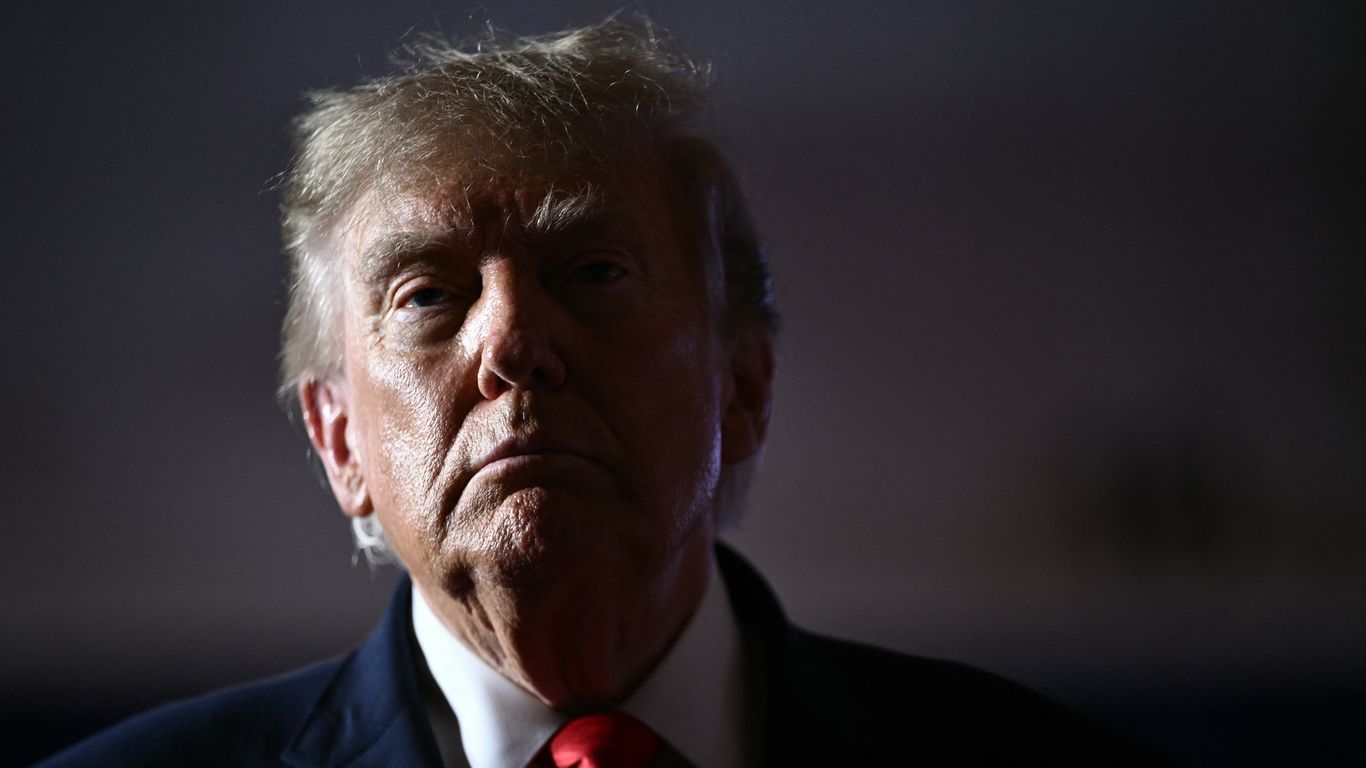
President Trump has conceded that the Iran war cost Republicans dearly in the midterms. Now he must decide whether to cut his losses and reach a deal — or double down and go back to bombing. Why it matters: All of Trump's options are problematic: The first is to strike. But going back to war would be highly unpopular — keeping gas prices high and probably not yielding a better military result. Another is to negotiate. But if the Iranians refuse to make concessions — or, sensing weakness after the president's political loss, up their demands — Trump will have a hard time reaching a deal. The third is to "strangle," as aides put it. This would mean sticking with the status quo — the naval blockade coupled with crippling economic sanctions that leave the Iranian regime to "rot" — while continuing to test its appetite for a deal. This path, however, could take months to show progress. The big picture: The president has said for weeks he would end the war one way or another after the election. One of his former advisers told Axios: "It's one thing to lose the midterms. But Trump doesn't want to look like a loser twice." That's left even his closest aides unsure what he's going to do next. The intrigue: Vice President Vance, in an extraordinary statement Wednesday morning, bluntly blamed the war for the GOP's midterm drubbing. It added a new political calculation to Trump's decision. "The reason we lost is the war," Vance wrote on X . "The president himself said so last night. If you'd like to argue it was worth it, that losing the Senate for the next 6 years was worth it, then do so. ... But everyone knows why we lost. And any honest conversation about where we go from here must start there." Vance also cited the U.S. relationship with Israel as a serious liability for Republicans. Trump told reporters on Wednesday that Vance's analysis was "largely true" because the war drove gas prices up. But Trump said he'd do it again if he had to: "We had no choice. You can't let I
Read the full story at Axios →