
Democrat locked in Deep South Senate stunner
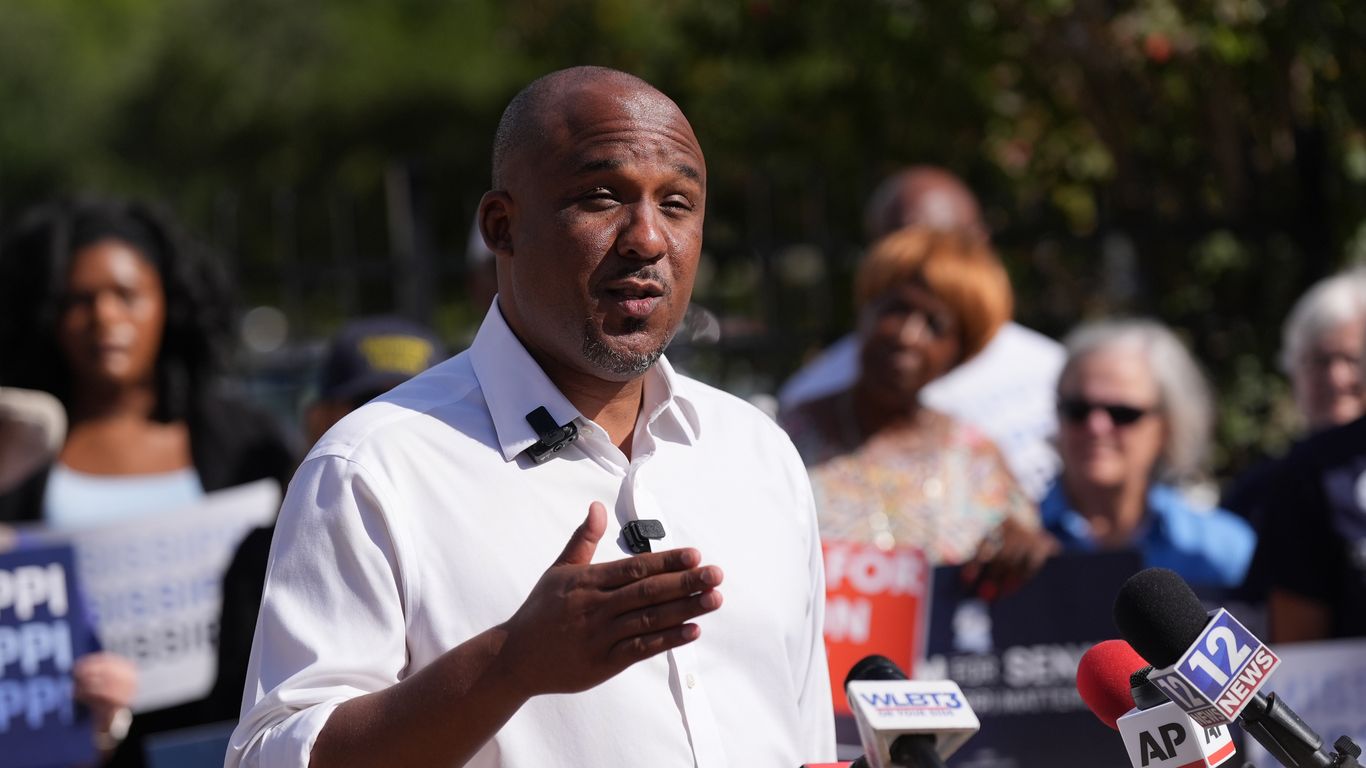
One of the biggest nail-biters of the 2026 election isn't playing out in a purple state, but crimson Mississippi, where Democrat Scott Colom is trying to pull off a Magnolia State marvel. The big picture: It's one of the most remarkable currents of Tuesday's blue wave. The race pitted Colom, a Democratic district attorney powered by grassroots clout, against incumbent Republican Cindy Hyde-Smith in a state Trump won by some 23 points in 2024. The big picture: The coalition Colom built with his viral ads and the historic tenor of his candidacy faces the ultimate Deep South test. The race remains too close to call. "The flag has already been planted in Mississippi that a new day has arrived, and whether these final votes carry Scott Colom into that victory column, we will find out," says Nadine Smith, president and CEO of Color Of Change. "But … change has arrived." Follow the money: Colom's was one of the red-state races that drew the attention of Florida attorney Steve Pajcic, whose family-run super PAC New Deal for All sought to boost Dems in under-the-radar races. Mississippi, where they invested around $1.1 million, was ideal "in size and in potential," he tells Axios. That money went far on Mississippi's less-expensive airwaves. The most-aired ad in the closing week featured an Epstein survivor condemning Hyde-Smith, Axios' Donica Phifer reported. New Deal for All paid for the ad, which inundated Mississippi's TV markets. Catch up quick: In October, Axios reported that Senate Republicans were weighing a cash infusion into the race. The GOP Senate Leadership Fund eventually made an investment. Democrats ' Senate Majority PAC announced a $1.2 million ad campaign, and Colom also drew party heavy-hitters like former Vice President Kamala Harris and former President Clinton for appearances. Former President Obama also cut an ad. Zoom out: The race's seismic nature is also fueled by history. Colom would be Mississippi's first Black senator since Reconstruction, and it
Read the full story at Axios →