
Democrats face a tough sell with MAHA voters
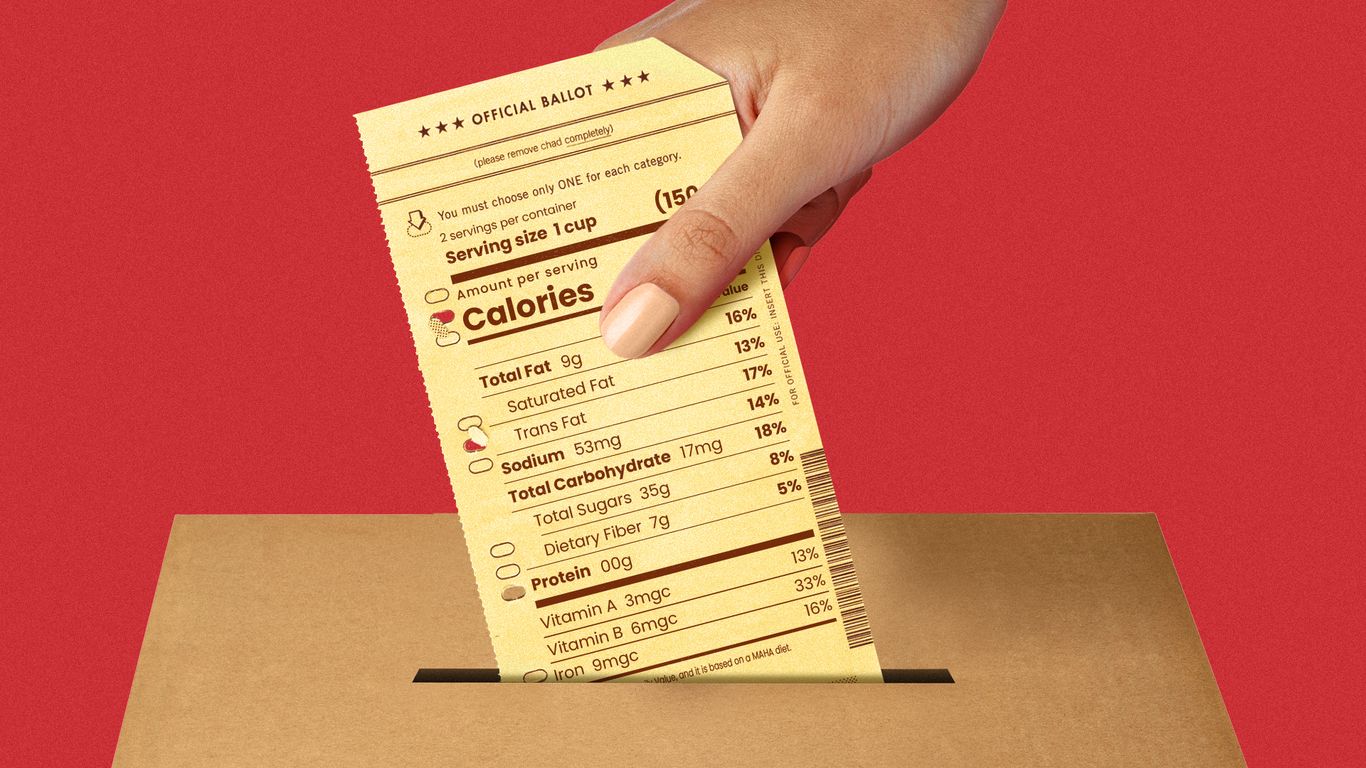
The potential for partnership between newly ascendant Democrats and the "Make America Healthy Again" movement is already threatened by their deep disagreements over Health Secretary Robert F. Kennedy Jr. Why it matters: Democrats want to convince health-conscious voters that they're the party that can deliver on food and pesticide use, but many view an alliance with Kennedy as a nonstarter. They're already threatening to investigate Kennedy, and they're clashing bitterly with him over vaccines and other issues — so any common ground with MAHA over nutrition and pesticides could take a back seat to those fights. State of play: Most MAHA-backed candidates lost at the polls last week. Some of the movement's leaders blame low turnout for the GOP's terrible election night, saying MAHA faithful stayed home because they were disappointed with the Trump administration and a lack of progress on food and environmental issues. Whatever they may think of the White House and federal health officials, the base remains intensely loyal to Kennedy, who created the movement during his 2024 presidential bid. "The voters sent a clear message to this administration and to all political parties, that we are not motivated to vote for people who have a lack of integrity. Promises were made, and promises were broken," said Zen Honeycutt, founder of Moms Across America. While she's open to working with Democrats going forward, "We want them to work with Kennedy, not against him," she added. "That's the red line for almost all of us. You cross that line and you go after Kennedy, you are never getting our vote," she said. "I'm not interested in working with people who are trying to get rid of our champion." The big picture: Some Democrats were making overtures to MAHA voters on key issues ahead of the midterms. Lawmakers like Sen. Cory Booker (D-N.J.) have already said they're willing to work with Kennedy on issues like cleaning up the food supply, school lunches and banning the use of certain
Read the full story at Axios →