
Elon Musk's empire braces for Democratic crackdown
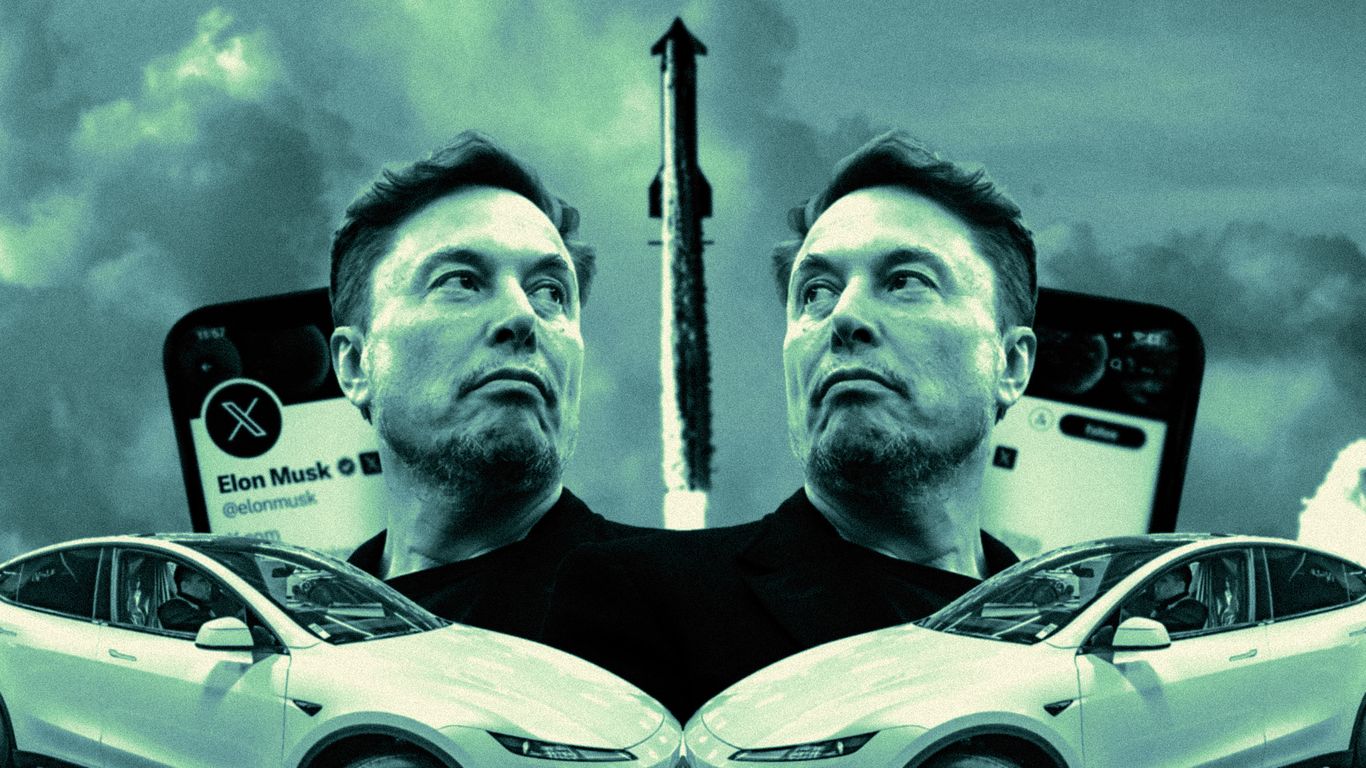
Elon Musk's sprawling empire — from rockets to robots, electric cars to AI — is facing a political onslaught with few parallels in modern corporate history. Why it matters: The world's richest man confronts a constellation of risks spanning the halls of Congress, his Texas industrial empire, Wall Street and his vision for AI supremacy. 💰 Political: To Democrats, Musk embodies corrosive forces of the MAGA era — extreme wealth, billionaire influence over government, the gutting of federal institutions, the poisoning of social media and the unchecked power of AI. Musk spent at least $475 million on the midterms, becoming the election's largest individual donor — only to see more than 99% of his traceable spending go to losing candidates, according to WIRED . Musk's most humiliating defeat came in Texas, where a $160 million bet on Ken Paxton ended in a Democratic sweep of the Senate seat, governorship and attorney general's office. In a hint of a possible détente, Sen.-elect James Talarico praised the billionaire as a "great business leader and entrepreneur," and offered to work with him on technology and innovation. Musk, who said last month that Talarico "hates Texas," responded : "Nice of him to say that." ⚖️ Congressional: Armed with subpoena power, Democrats are preparing to investigate Musk's DOGE operation, its access to sensitive government data and whether his companies benefited from his extraordinary influence over the Trump administration. Musk is already downplaying his dependence on Washington, claiming government contracts will account for less than 5% of SpaceX revenue a year from now. "Happy to cancel any that the government doesn't want," he posted Friday . The scrutiny also extends to national security: Lawmakers are demanding answers about Musk's reported communications with Vladimir Putin and his role in the October slowdown of Starshield that disrupted Ukraine's drone operations. Elon Musk responds to reporting about his vulnerabilities in Texas.
Read the full story at Axios →