
AI's "too big to fail" CEO is facing a crisis with no backup
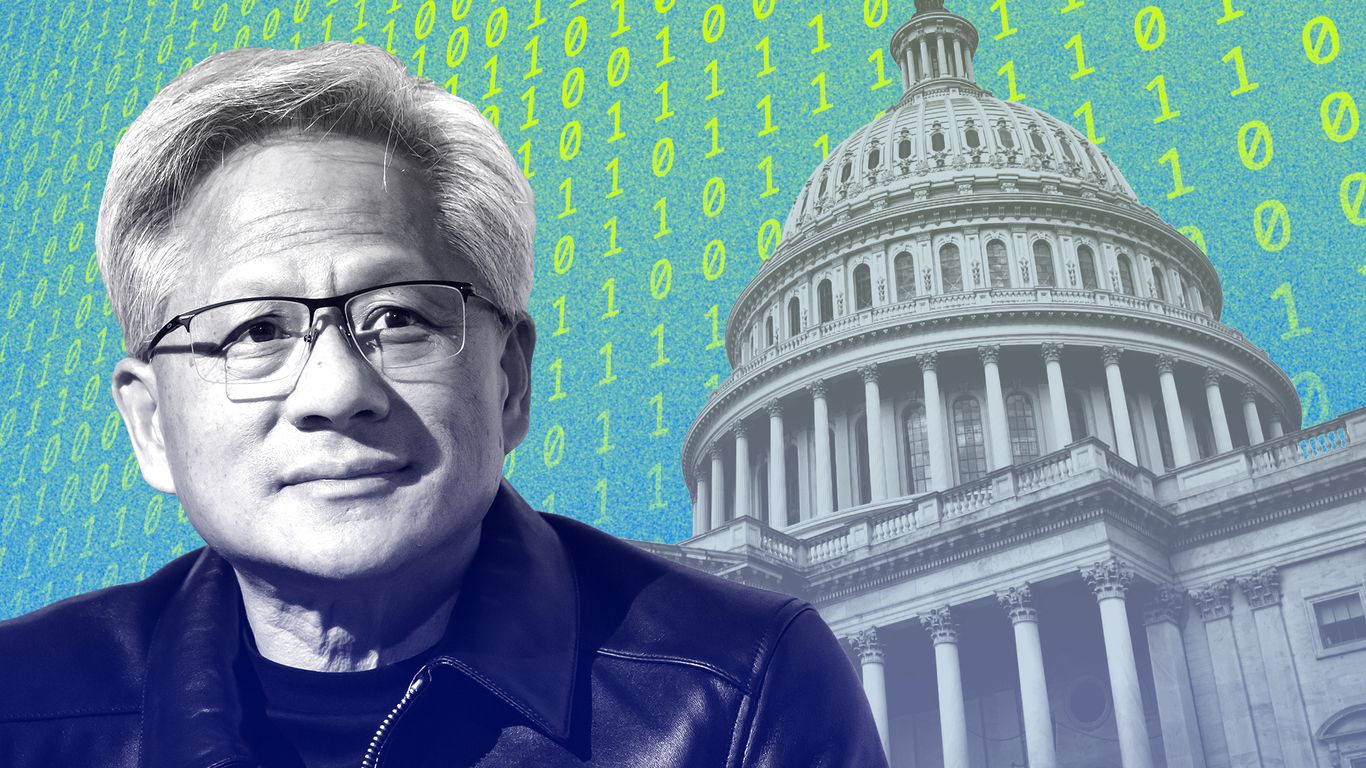
There is no Nvidia — nor an AI boom as we know it — without Jensen Huang. He has reassured jittery markets with his words, bankrolled a trillion-dollar buildout and put economies on his shoulders. Now, the world is wondering if he can save himself . Why it matters: Global markets must confront a terrifying reality: The AI ecosystem's first "too big to fail" executive is suddenly vulnerable, and there is no backup plan if he is forced to step down. Catch up quick : Huang apologized Sunday and Nvidia's board launched an independent probe after he admitted to having a relationship with a woman named Alice Huang, an alleged Chinese operative. Nvidia's board expressed confidence in his leadership and said it had no reason to believe national security or company secrets were compromised. President Trump stood by Huang, calling him "an honorable guy." The big picture: Keeping his job is one thing. Maintaining the ability to steady markets, finance customers and shape government policy is another. These are the five questions that now loom over the AI boom : 1. What happens to Nvidia? Forged 33 years ago (initially using a Denny's as an impromptu office), Nvidia is a uniquely founder-driven company, making any potential leadership transition incredibly perilous. Investors have little precedent for valuing the company without him. "It's very hard to envision Nvidia run by anybody else," said Dan Gallagher, an analyst with Washington Post Intelligence and long a keen observer of the chip titan. Huang has more than 60 direct reports, eschews traditional corporate layers and hasn't been publicly grooming a successor. "I don't know if anyone's going to know how to value Nvidia" without him, Gallagher told Axios. 2. What happens to the market? Huang has repeatedly rescued the AI trade from bearish sentiment. On multiple occasions, he has offered backstops to shore up growth plans for companies across the AI landscape, from CoreWeave to OpenAI. In July, he argued that cheaper open
Read the full story at Axios →