
Sex, secrets and spies: The history of suspected honey traps
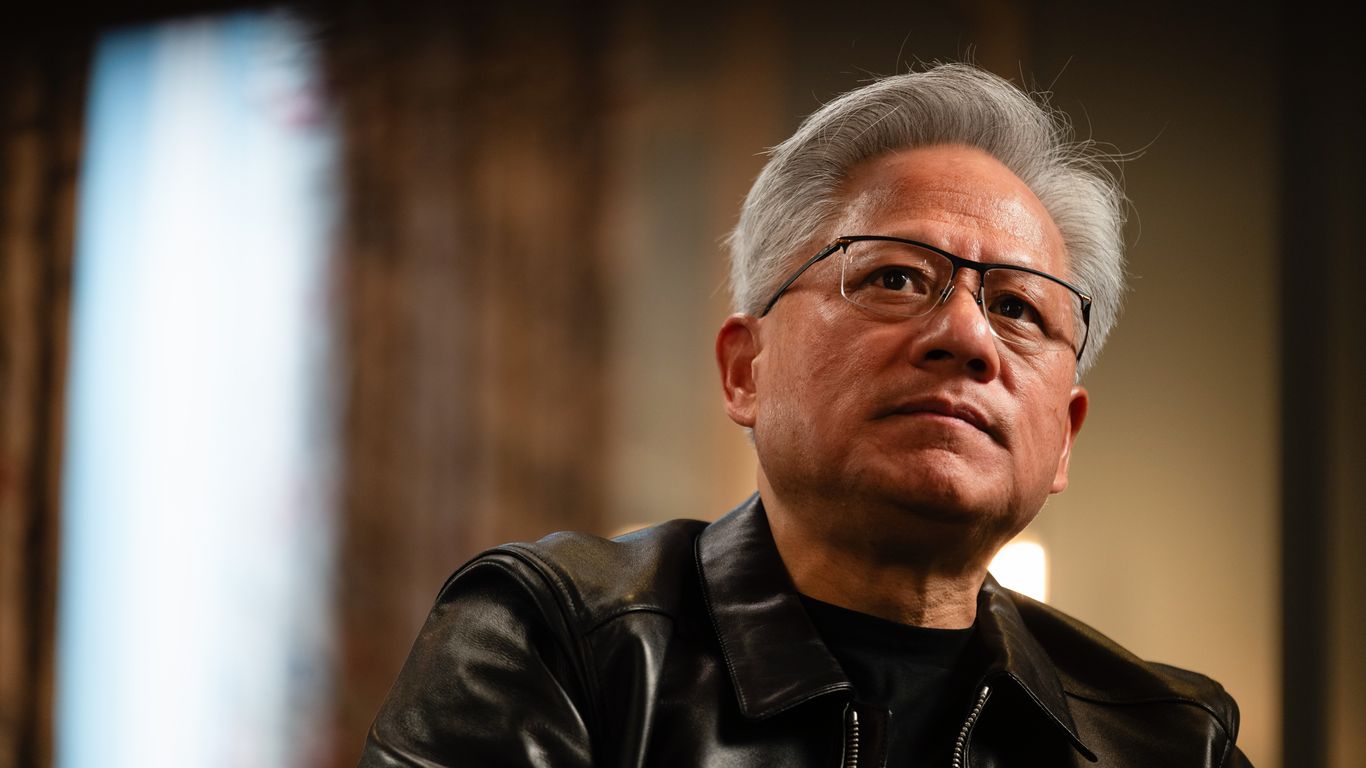
Nvidia CEO Jensen Huang's affair with a woman suspected of spying for China echoes past controversies involving prominent Americans whose romantic relationships raised national security concerns. Why it matters: Foreign intelligence operatives can use romantic relationships to gain access to political intelligence, corporate secrets and classified information — posing serious national security risks. Driving the news: Jensen Huang acknowledged an extramarital affair in a message to employees Sunday, following reports that he had a relationship with a suspected Chinese spy. Per The New York Times , U.S. authorities suspected China's Ministry of State Security of recruiting Alice Huang to seek information about Jensen Huang and influence his feelings about selling AI chips to Chinese firms. Nvidia's board says it has no reason to believe company secrets or national security were compromised. China has also denied the allegations. Zoom out: The evidence of foreign intelligence involvement varies, with some cases involving actual security breaches, while others raised concerns about possible foreign spying. Read more below. Jensen Huang State of play: Reports about Jensen Huang's relationship with Alice Huang have raised questions about whether Chinese intelligence gained access to Nvidia's secrets or sought to influence its business decisions. AFP and Reuters photos showed them together in 2024 and 2025. Employees reported seeing Jensen Huang at Megaspeed's offices, where Alice Huang worked as an executive, according to Culper Research, a short-seller that published a report on Nvidia's China business in May 2026. An employee told Culper that Jensen and Alice had a "very close" relationship. What's next: Three Republican House committee chairs have requested a briefing with Huang about his relationship with Alice Huang and Nvidia's safeguards against foreign threats. James J. Smith and Katrina Leung A 2006 DOJ report found that counterintelligence agent James J. Smith
Read the full story at Axios →