
Trump plans imperial final act to his presidency
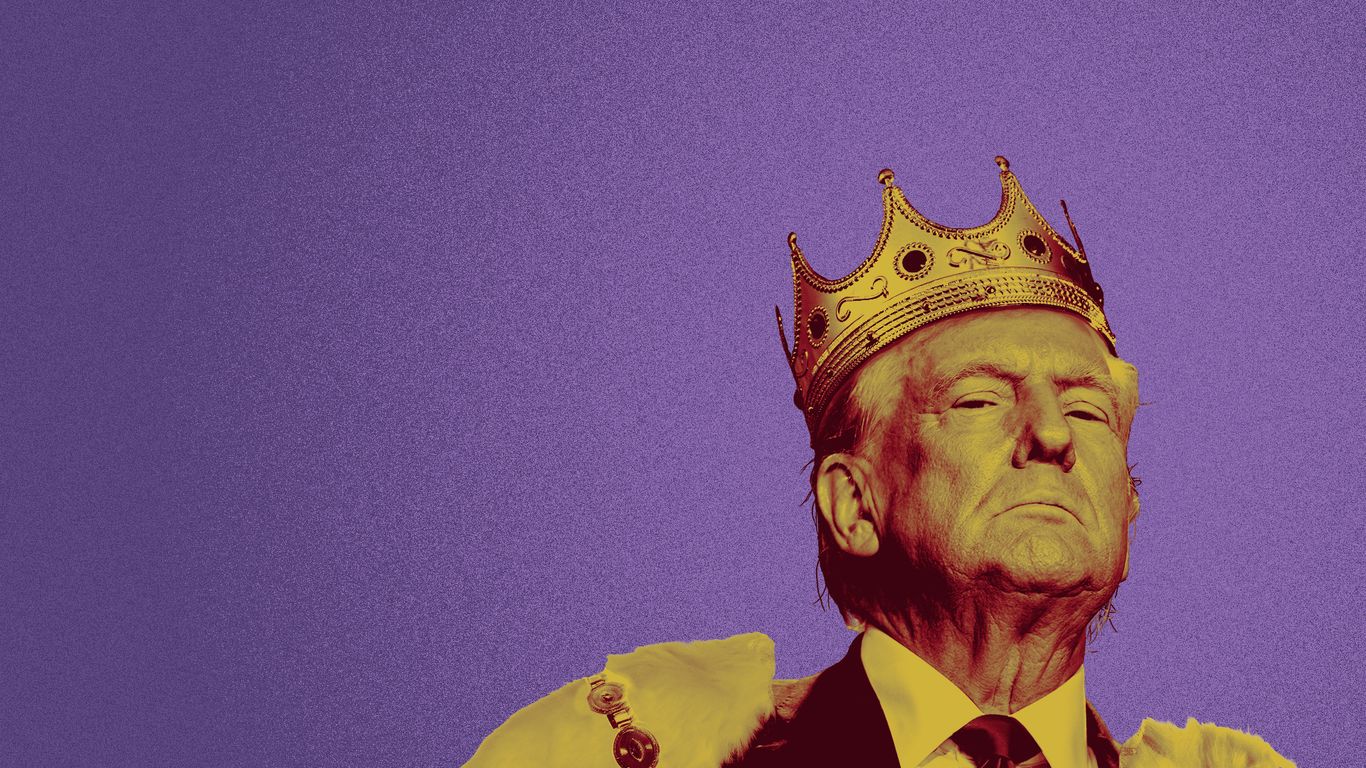
President Trump, with the clock ticking and congressional investigators closing in, plans to govern even more imperially , hell-bent on stretching executive power, targeting those on his enemies list, pardoning allies, and daring the courts and Congress to slow him down. Why it matters: Trump and his allies are exploring executive action on new tariffs and immigration restrictions, and asserting greater control over spending. On X over the weekend, Trump discussed targeting and perhaps jailing Democrats who investigate administration officials. He claimed politically motivated harassment . Trump is retooling his White House by elevating the one official who's synonymous with his all-gas-no-brakes style: Stephen Miller, who took over for Susie Wiles as White House chief of staff on Monday. Watch Miller and Russ Vought , the White House budget director, to understand how this approach will unfold. Both are architects and advocates of vastly expanding presidential power, believing there are virtually no restraints on what Trump can do as president. The Swamp can expect tougher sledding: Miller, unlike most of his predecessors, is driven more by ideology than by meetings with lobbyists or industry groups. "Stephen gives zero f*cks what K Street thinks," a Trump confidant told us. Between the lines: Midterm losses pushed Presidents Clinton and Obama to the center. Trump's instincts are the opposite: Assert maximal power. The playbook: Restore MAGA. Two years ago, MAGA — mostly its network of podcasts , YouTubers and online activists — was a powerful, united force in media and politics. Today it's a hot, divided mess. Trump's attention to his base drifted. Now Vice President Vance and Miller desperately want to rebuild and rev up MAGA. That's why ending the Iran war , curtailing aid to Israel and pushing harder on RFK Jr.'s MAHA agenda are suddenly top-tier topics. Rule by pen. Miller, Vought and White House lawyers have been drafting executive actions to govern without C
Read the full story at Axios →