
Trump sticks by Commerce Secretary Lutnick despite Nvidia inaction
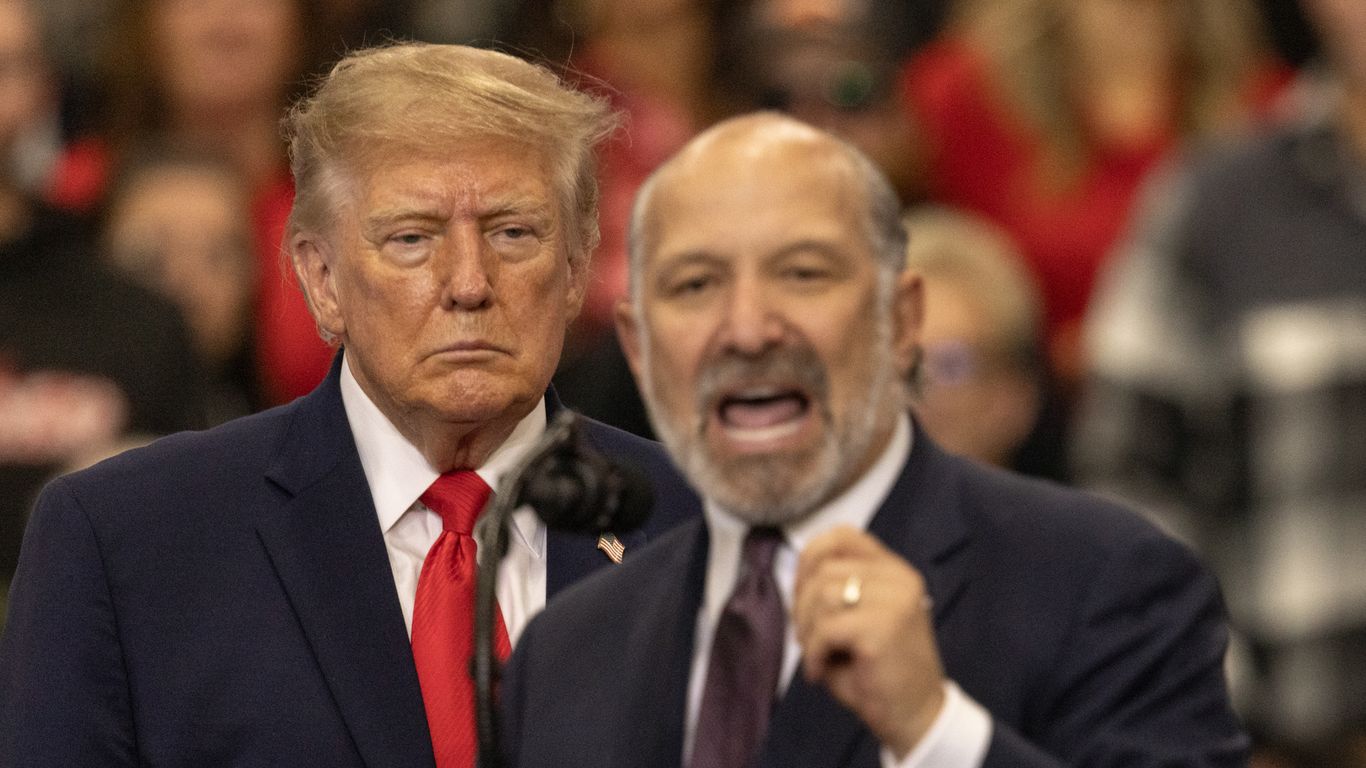
The White House is standing by Commerce Secretary Howard Lutnick despite a view within the administration that Lutnick delayed action to address concerns over chip smuggling to China. Why it matters: Congress smells blood in the water following bombshell reports that U.S. national security may have been jeopardized by former Nvidia CEO Jensen Huang's relationship with a suspected Chinese spy. Lawmakers want to know what the Trump administration did or did not do in response to that intelligence — and Lutnick, the official in charge of the department at the center of export control policy, is squarely in their field of view. President Trump, however, is not distancing himself from the secretary. "Secretary Lutnick is a champion of President Trump's America First trade and tariff policies, which have secured almost 20 fair trade deals and trillions in manufacturing investments," a White House official tells Axios. "President Trump maintains complete confidence in the secretary and his ability to carry out the position as the most transformative Commerce Secretary in modern history." Catch up quick: Lutnick was sent intelligence about Jensen Huang's relationship with an alleged Chinese spy and repeatedly did not take export control action — despite pressure from the broader administration and the president himself, Axios first reported. Lutnick's role is prompting scrutiny on the Hill from members on both sides of the aisle. "Secretary Howard Lutnick and Under Secretary Jeffrey Kessler must explain why they have not closed export control loopholes and act today to ensure our advanced technology is not fueling China's military," Senate Banking Committee Chair Elizabeth Warren (D-Mass.) said in a statement. "The obvious question is why did he choose to sell advanced chips?," Sen. John Kennedy (R-La.) told Politico. "Secretary Lutnick needs to answer that in front of God and country," Kennedy added. "I mean, there will be a congressional investigation. But I don't think h
Read the full story at Axios →