
Jensen Huang's implosion at Nvidia leaves trail of collateral damage
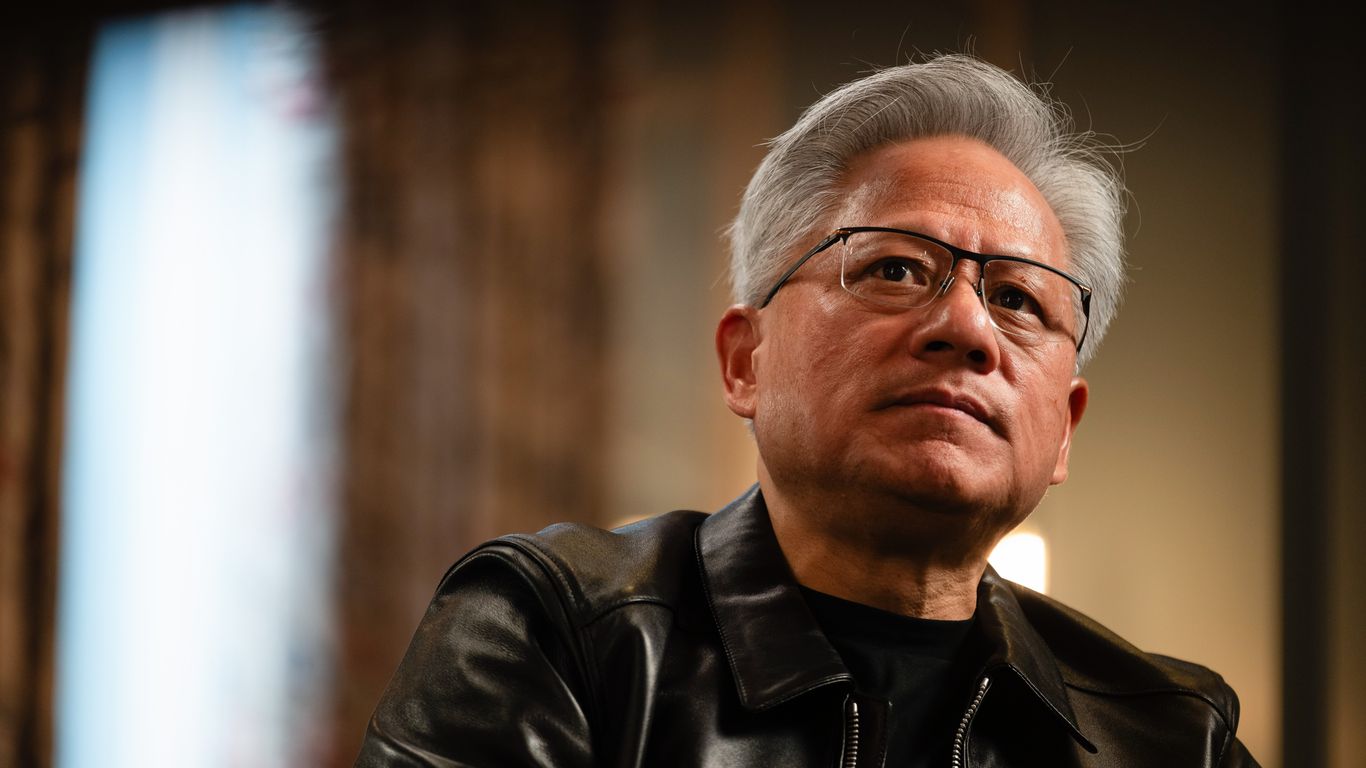
Jensen Huang's self-destruction has left a trail of collateral damage that threatens to ensnare the board of Nvidia and the AI boom itself . Why it matters: Huang was a singular leader in the global economy, capable of exciting or calming markets with a single sentence and viewed as a virtually indestructible force behind Nvidia's rise. The big picture: His sudden exit after reports of multiple affairs — one with a suspected Chinese spy and the other with a direct report — has wiped out more than $600 billion in value from Nvidia's market cap. "His visionary leadership is going to be missed — it's not going to be replaced," Joel Shulman, CEO of ERShares, which has owned Nvidia shares since 2005, tells Axios. Zoom in: With the uncertainty over Huang's tenure at Nvidia now resolved, the attention will quickly pivot to a slew of unanswered questions, including: What will the investigations uncover? Just because he's gone doesn't mean this is over. If the FBI probe or the independent investigation ordered by the board show that Huang gave favorable treatment to Megaspeed — the company led by the suspected spy Alice Huang — he and Nvidia could face serious consequences. Huang is also expected to testify behind closed doors next week before a Congressional committee. Critics say the Nvidia board wasn't fulfilling its duty to provide proper oversight of Huang — particularly if it had any reason to be aware of his reported affairs before they become public. Peter Jaworski, business ethics professor at Georgetown University, said the situation raises questions about what the board knew and when they knew it. Nvidia reps haven't responded to Axios requests for comment on the board's handling of the matter. Who takes the permanent role as CEO? CFO Colette Kress was named to the interim role, but the board is conducting a global search that will consider outside and internal candidates for a permanant successor. She "has built enormous credibility internally and externally and
Read the full story at Axios →