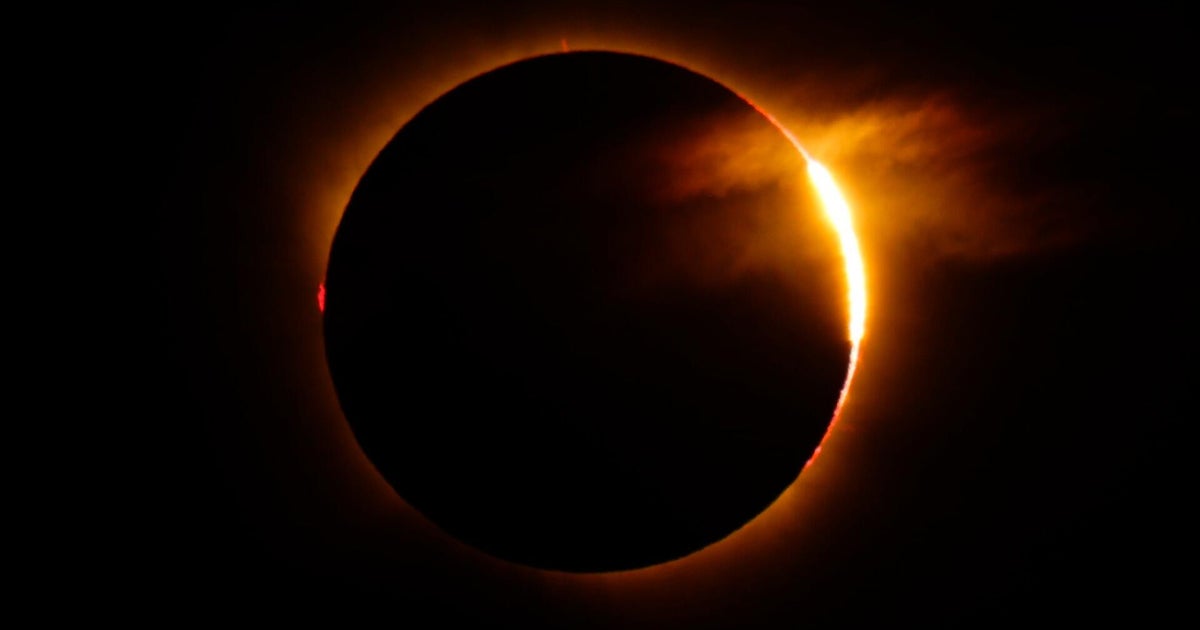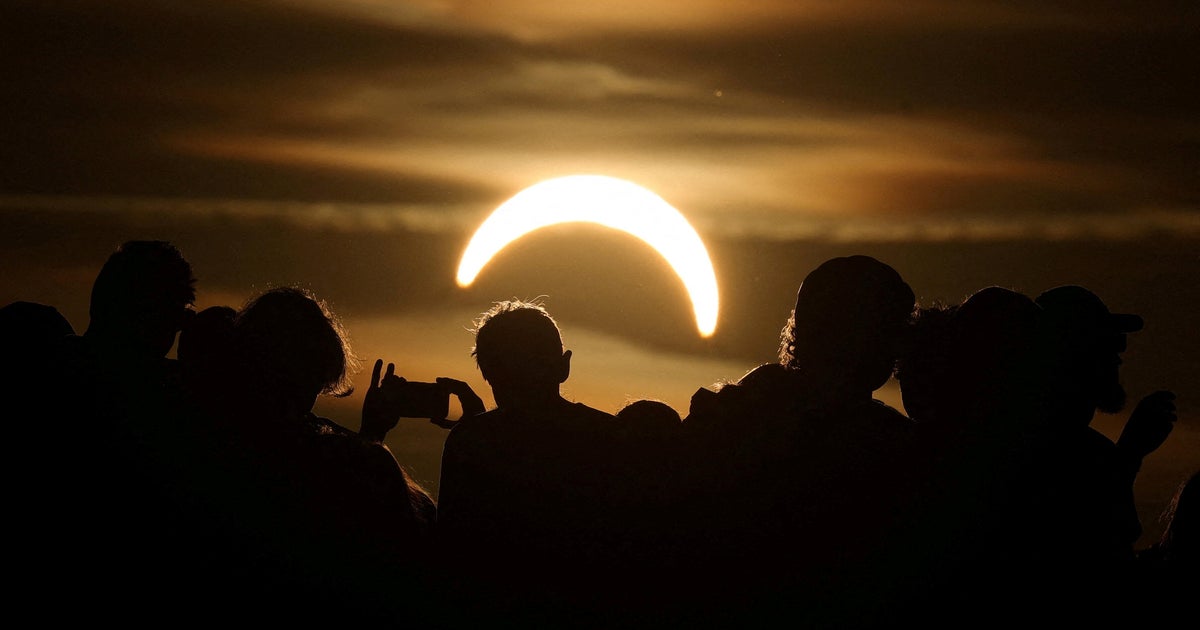
Views of the total solar eclipse from parts of Europe
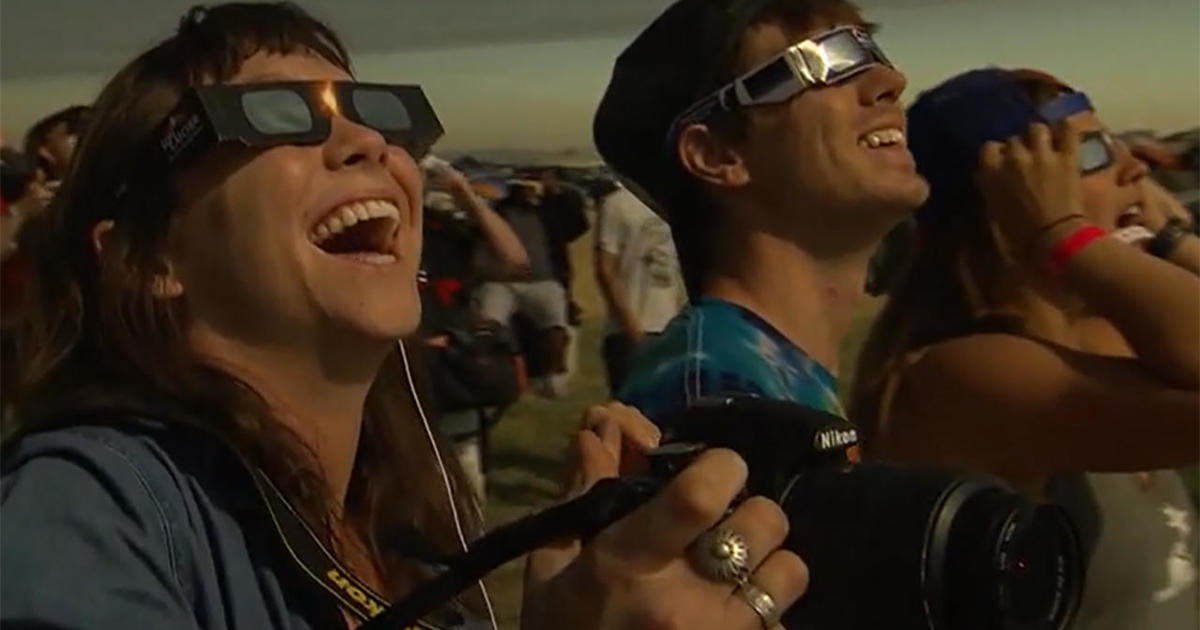
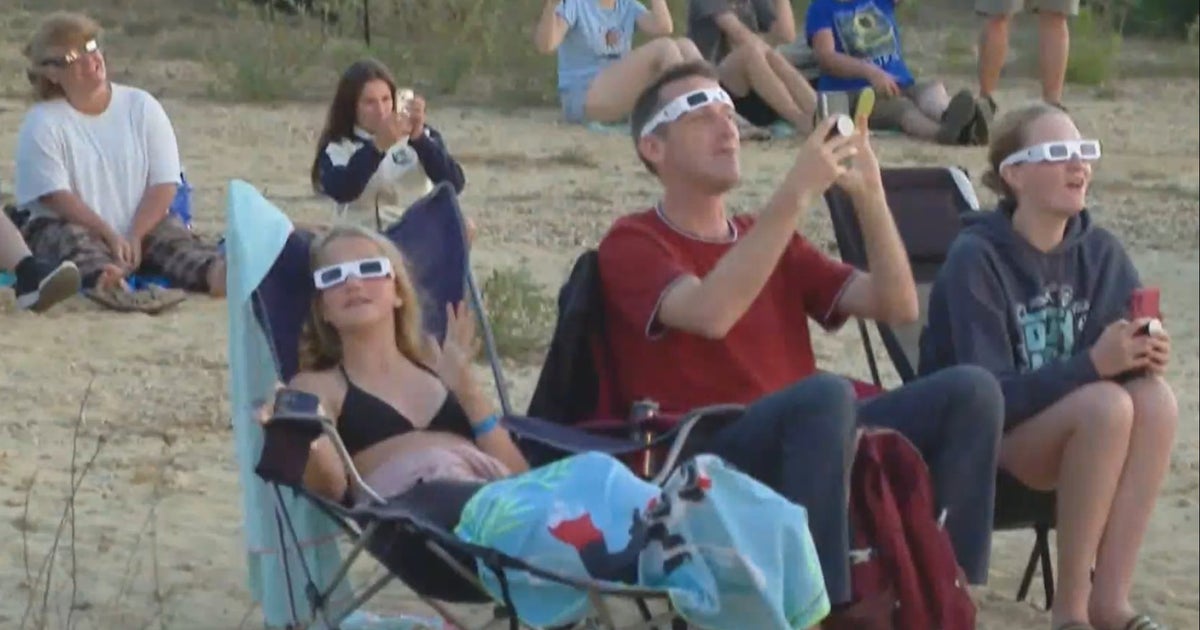
A total solar eclipse was visible in parts of Europe for the first time since 1912. Rob Marciano reports.
CBS News · Aug 13

Research, space and the environment
A total solar eclipse was visible in parts of Europe for the first time since 1912. Rob Marciano reports.
A total solar eclipse turned day into night across a slice of Europe and North America on Wednesday, and put millions in unique contact with the heavens above. Meteorologist Rob Marciano reports from Spain.
The only total solar eclipse of 2026 crossed the Northern Hemisphere Wednesday, with a path of totality across parts of Greenland, Iceland and northern Spain. See photos and video from the best viewing locations.
The newly discovered object looks like a star the size of our solar system, but produces 100 billion times more energy than any star.
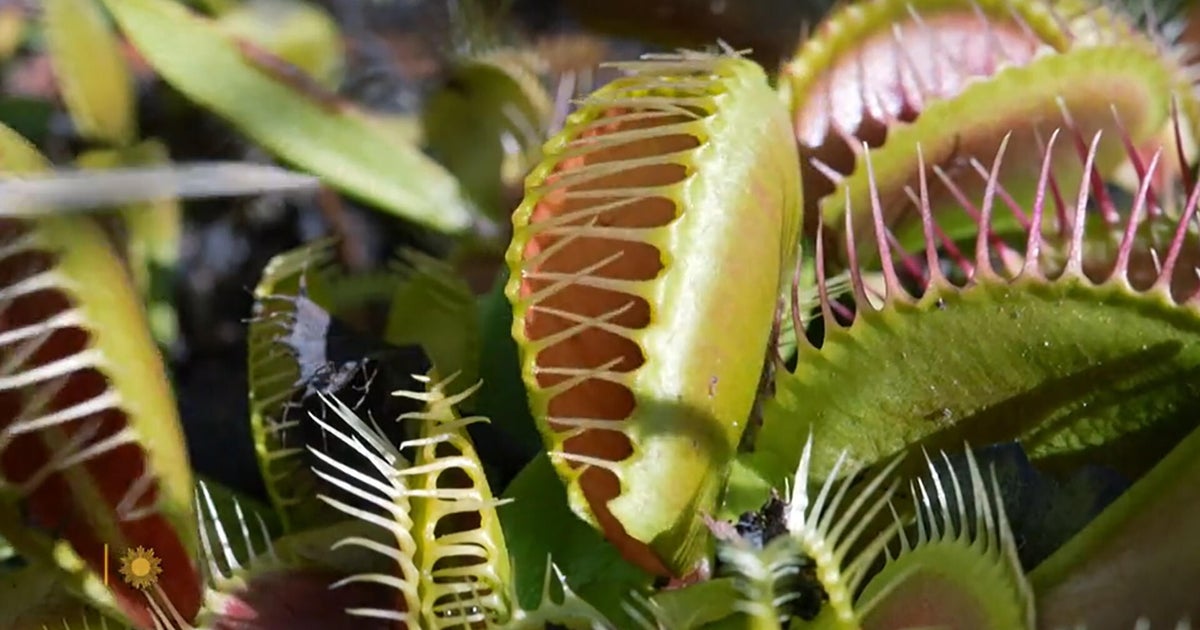
The carnivorous Venus fly trap is native to the Carolinas, but its population is dwindling due to loss of habitat. Correspondent Seth Doane talks with botanist Julie Moore, who has spent much of her life helping to save these remarkable plants; and with Damon Waitt, director of the North Carolina Botanical Garden, who discusses the unusual traits of a species that Charles Darwin called the most interesting plant in the world. (Originally broadcast April 26, 2026.)
Matt Walker, a geneticist and the CEO of Kindred Companion Sciences, joins "CBS Mornings" with his gene-altered beagle, Bailey, to discuss creating future options for people with severe pet allergies.
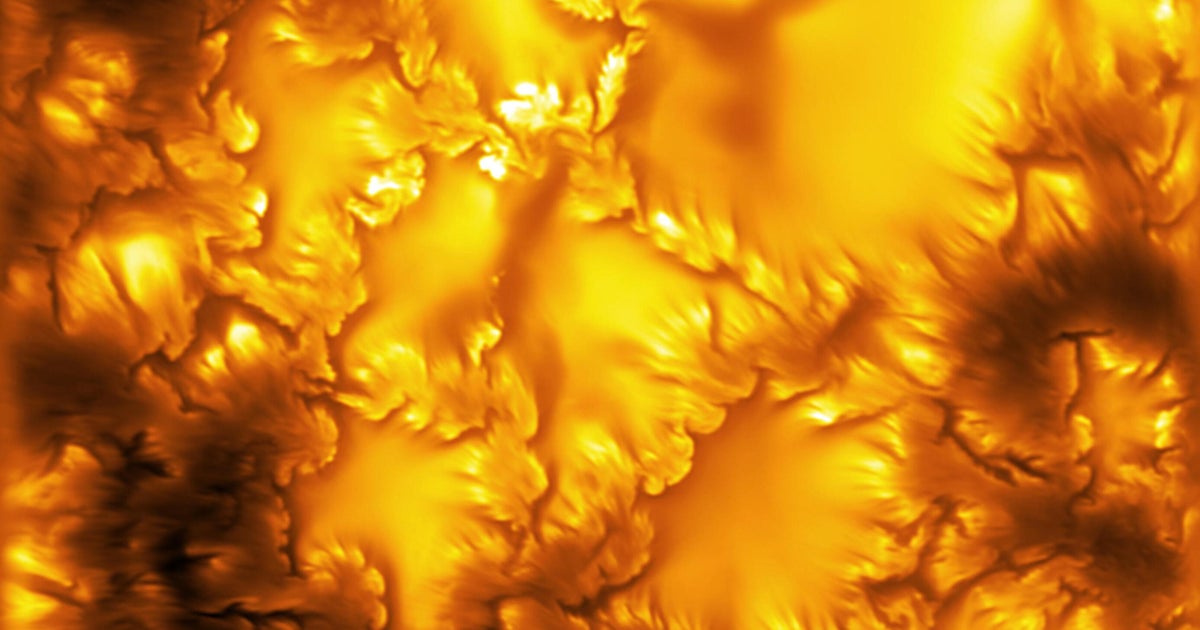
Researchers were able to peek at the sun's scorching surface with the help of the National Science Foundation's Daniel K. Inouye Solar Telescope, located on the island of Maui in Hawaii.
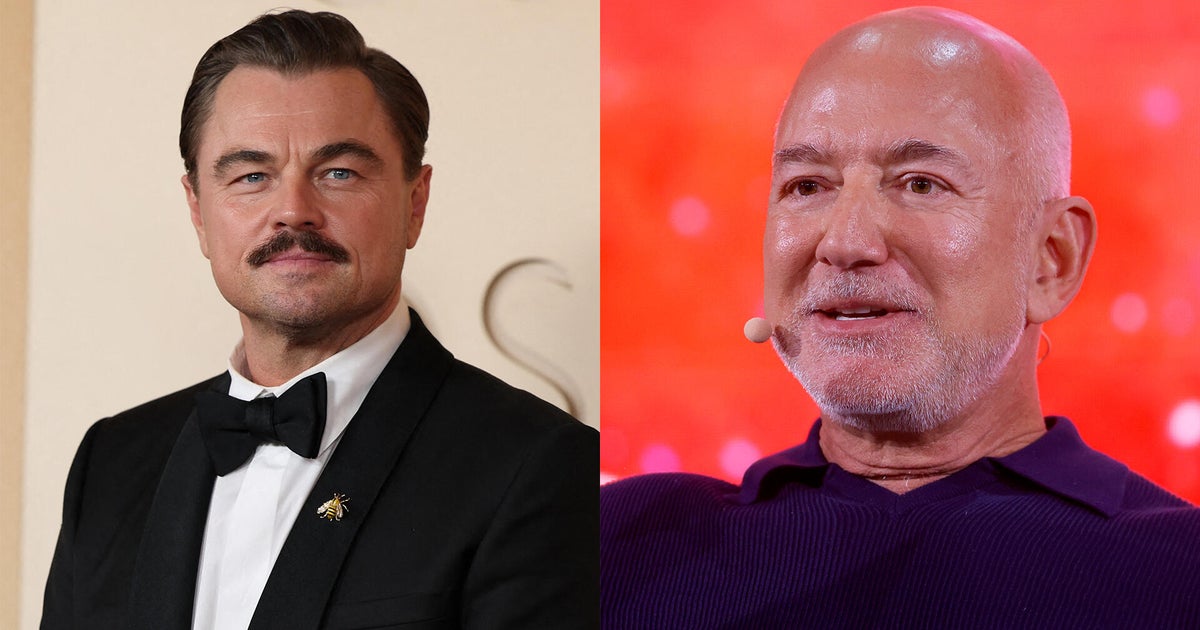
Hollywood actor Leonardo DiCaprio and Amazon founder Jeff Bezos have announced a $200 million fund set to protect species on the brink of extinction. Carter Evans has the story.
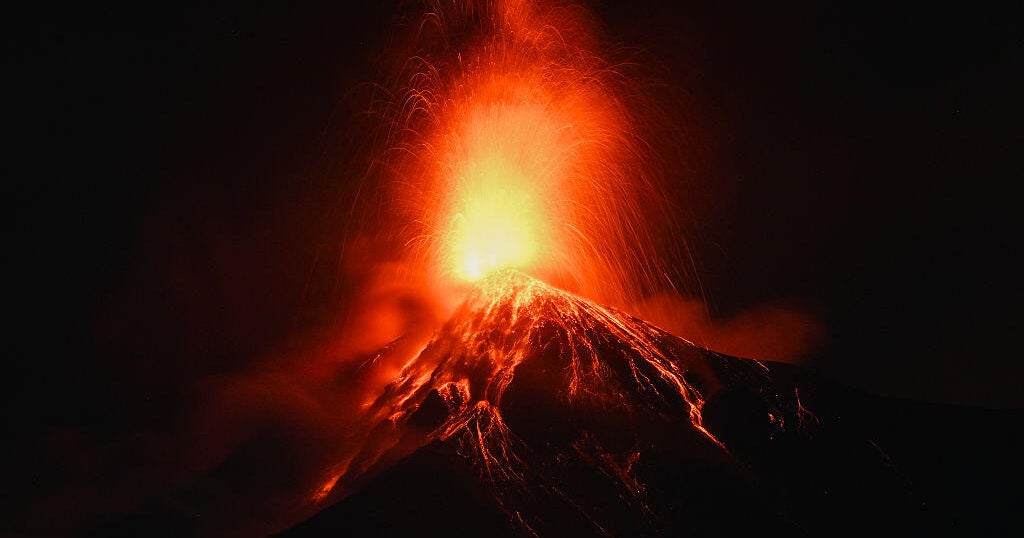
Guatemalan officials on Monday began evacuating two villages near the Fuego volcano due to the ongoing eruption.
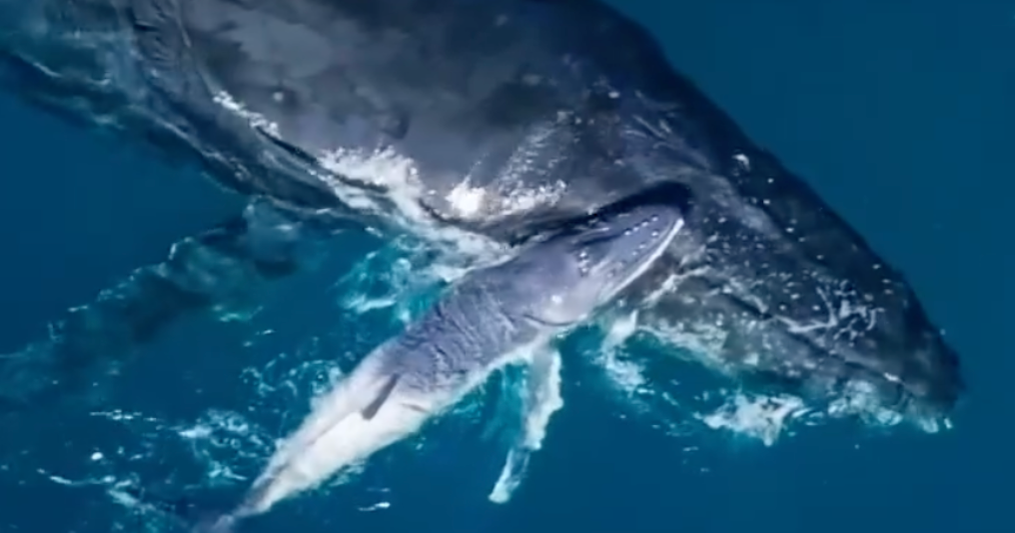
The footage is believed to be only the fourth complete humpback whale birth ever recorded on film anywhere in the world and the first-ever captured by drone.
Should we embrace air conditioning despite its costs and consequences?
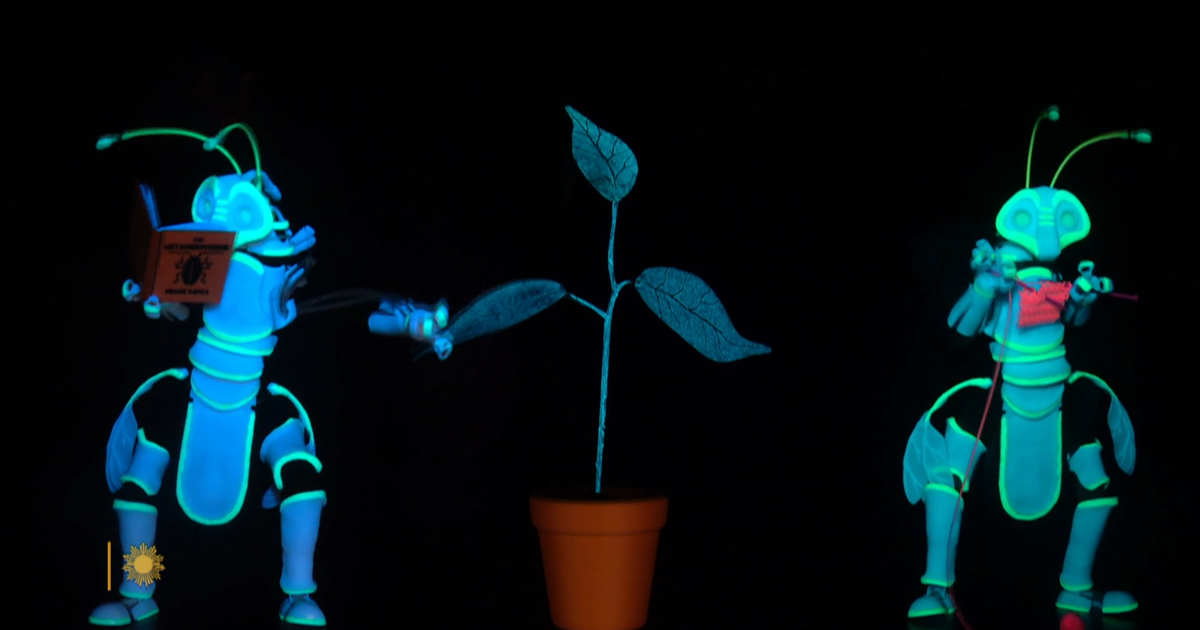
Science shows us that, even though plants don't have brains, they seem to have a nervous system that responds to touch in remarkable ways. Robert Krulwich and puppeteer Barnaby Dixon explore the science of thigmomorphogenesis (the phenomenon of plants reacting to outside stimulae), a discussion that plants the seeds for a song.
Elon Musk's aerospace company, SpaceX, launched its massive Starship rocket in its first test flight since the company went public. Since achieving the largest IPO in history, SpaceX's stock has dropped drastically. Mark Strassmann takes a look.
More than three million people in the UK work night shifts, which can greatly impact their health. What can be done to help them?
As temperatures rise, scientists are investigating whether a changing Atlantic could bring more volatile weather to the UK
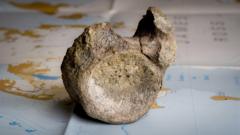
The fossil, collected in Antarctica in 1985, is part of the tail of a beast called a Titanosaur.
The parents of a U.K. toddler say it's "absolutely mind-blowing" to see their daughter, enrolled in a gene therapy trial, hear for the first time.
Monday's total eclipse of the sun will be viewable across a swath of 13 states. Learn what happens during an eclipse, and about preparations in one Arkansas town that is expected to double in size due to eclipse tourism traffic.
Climate and water experts say every person on the planet should be worried about the dizzying rate at which glaciers in the Himalayas are melting.
This is the second pygmy hippo calf born at the zoo and in the state of Virginia.