Australian workers expect the government to act to protect them from AI harms. There is a clear reform solution at hand Get our new political email , free app or daily news podcast Australia’s major political parties are edging towards rare consensus. Labor and the Coalition increasingly want to take a major bet on artificial intelligence. Yet, just as the parties are coming together, the Australian community is running the other way. Last year, only 30% of Australians believed the benefits of AI outweighed the risks. In 2026, community trust in AI appears to be falling even further. Continue reading...
Technology
Tech companies, products and AI
Technology · page 24
AI is increasingly getting good at doing some tasks, but it can never replace human workers’ judgment Autonomous cars, which may be the safest we have built, keep getting easily avoidable parking tickets. While Waymos crash far less often than human drivers over tens of millions of miles, they’re still terrible at performing basic tasks – keeping out of disabled parking spots and tow-away zones, or steering clear of a church garage during Sunday service, according to the Wall Street Journal . That is the state of AI today: impressively capable at something complex, yet embarrassingly clumsy at something easy. And it has implications for what work will remain human and what will be automated by AI. Madhu Shashanka is co-founder, chief scientist and chief technology officer at Concentric AI, a data security software company Continue reading...
AstraZeneca is teaming up with Oracle to refine clinical research, in the latest artificial-intelligence partnership in the pharmaceutical industry.
Can AI make us feel smarter than we really are? Princeton psychologist Dr. Tania Lombrozo explains the Dunning-Kruger effect, the illusion of understanding, and how AI shapes our perception of expertise, explaining why confidence doesn't always mean we truly understand what we know.
Federal prosecutors say a former OpenAI engineer secretly installed a recording device in a conference room to gather company details
Artificial intelligence and the conversations around it are rapidly evolving. These terms can help to understand the developments.
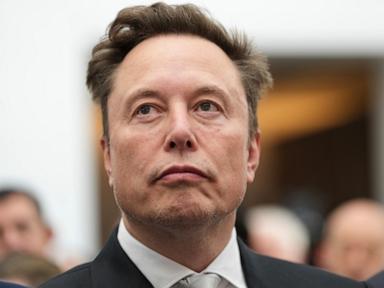
Billionaire Elon Musk on Monday pledged to give one share of his company SpaceX to “every kid in America” next year
The Swiss drugmaker will assume responsibility for outside China, Hong Kong, Macau and Taiwan after the completion of early-stage clinical trials.
Merck said it is offering $20 in cash for each American depositary share for Nasdaq-listed Silence Therapeutics, more than double the target’s closing price as of Friday.
A former military pilot has stepped up to preserve Neil Armstrong's boyhood home in Ohio
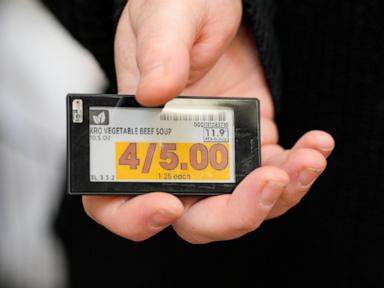
U.S. consumers are uneasy about the increasingly high-tech ways that restaurant chains and major retailers are setting prices
Wikipedia’s 68m articles have been consulted trillions of times. Not bad for a website that has barely changed since it was founded 20 years ago A few years ago, I was struck by the tension between how Wikipedia was used, and how it was talked about. Everyone was on it all the time, and yet its reputation had stalled at “don’t trust it”, because it was the “free encyclopedia that anyone can edit”. Clearly people were trusting it, so much so it had become part of the fabric of everyday life since it was founded by Jimmy Wales and Larry Sanger in 2001. But despite the fact it now has been consulted trillions of times by billions of people (English Wikipedia alone is 5.2bn words long), it inspires an odd lack of curiosity. Even people donating to Wikipedia might say the money was “for the factcheckers”, though there aren’t any – not paid ones, anyway. Meanwhile, the internet in the social media era had begun to feel like a much uglier place, and some digital nostalgia was setting in: here was this holdover that had somehow survived; a website that functions – and even looks – much the same as it did 20 years ago. Continue reading...
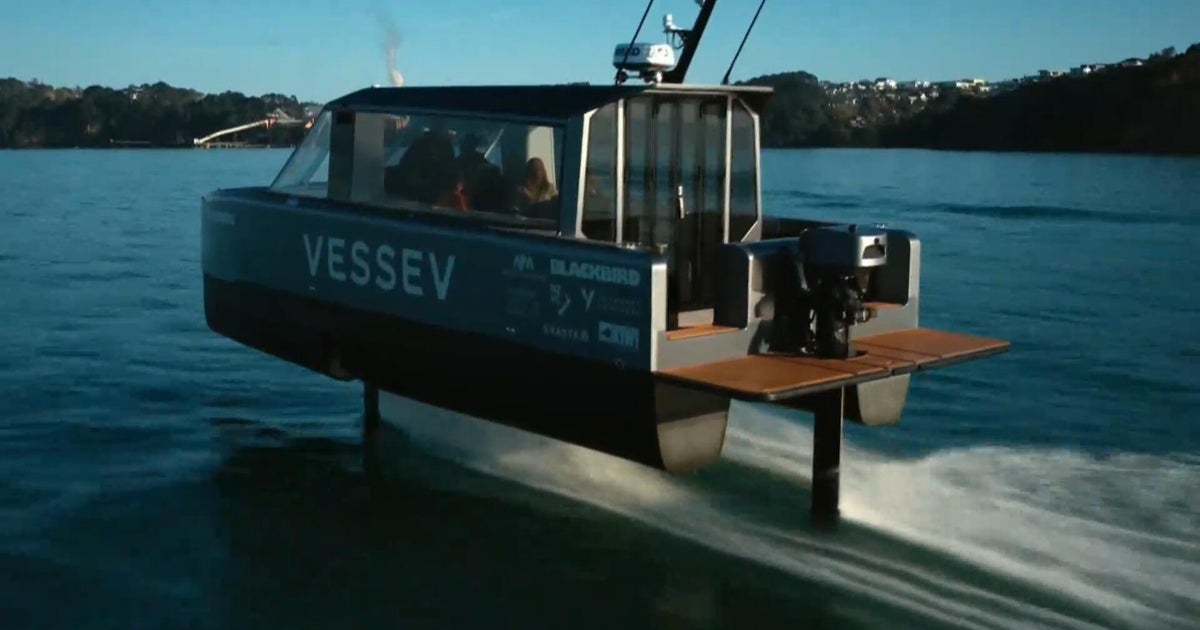
Commuting can be a struggle, but a new electric hydrofoil ferry aims to make commuting across water smoother and more eco-friendly. Kris Van Cleave takes a ride.
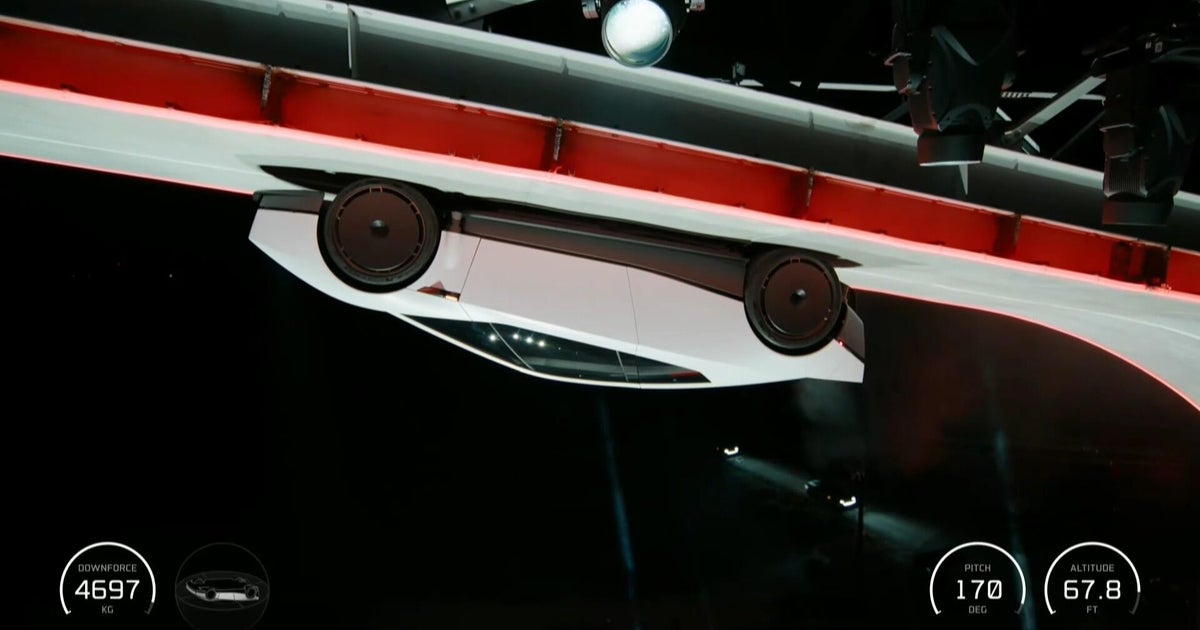
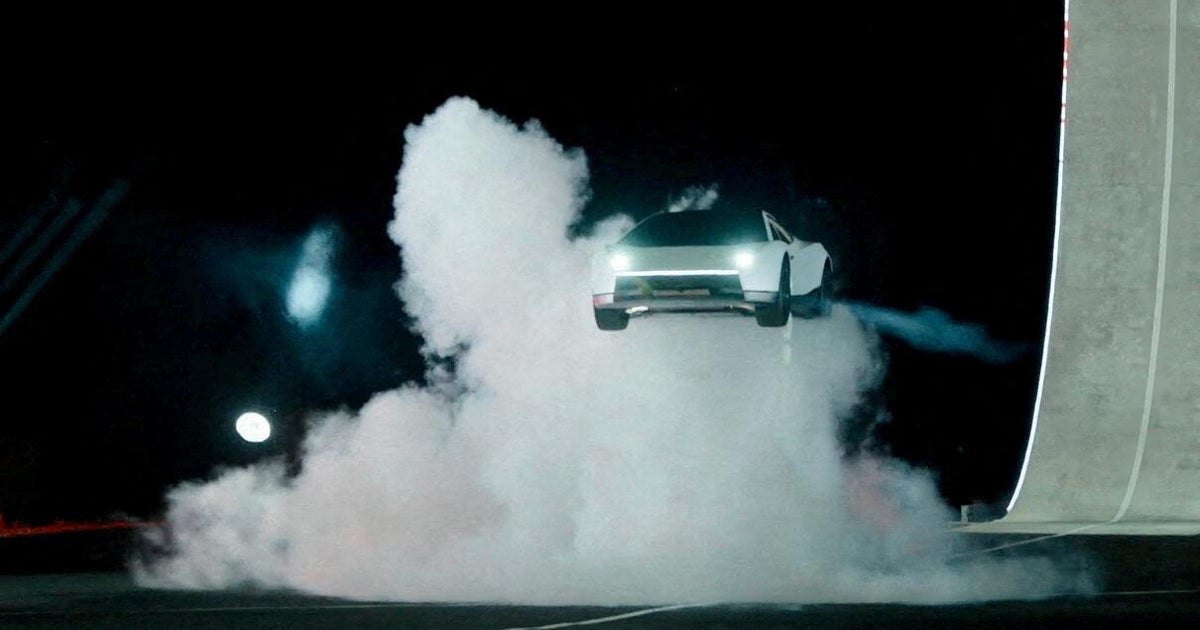
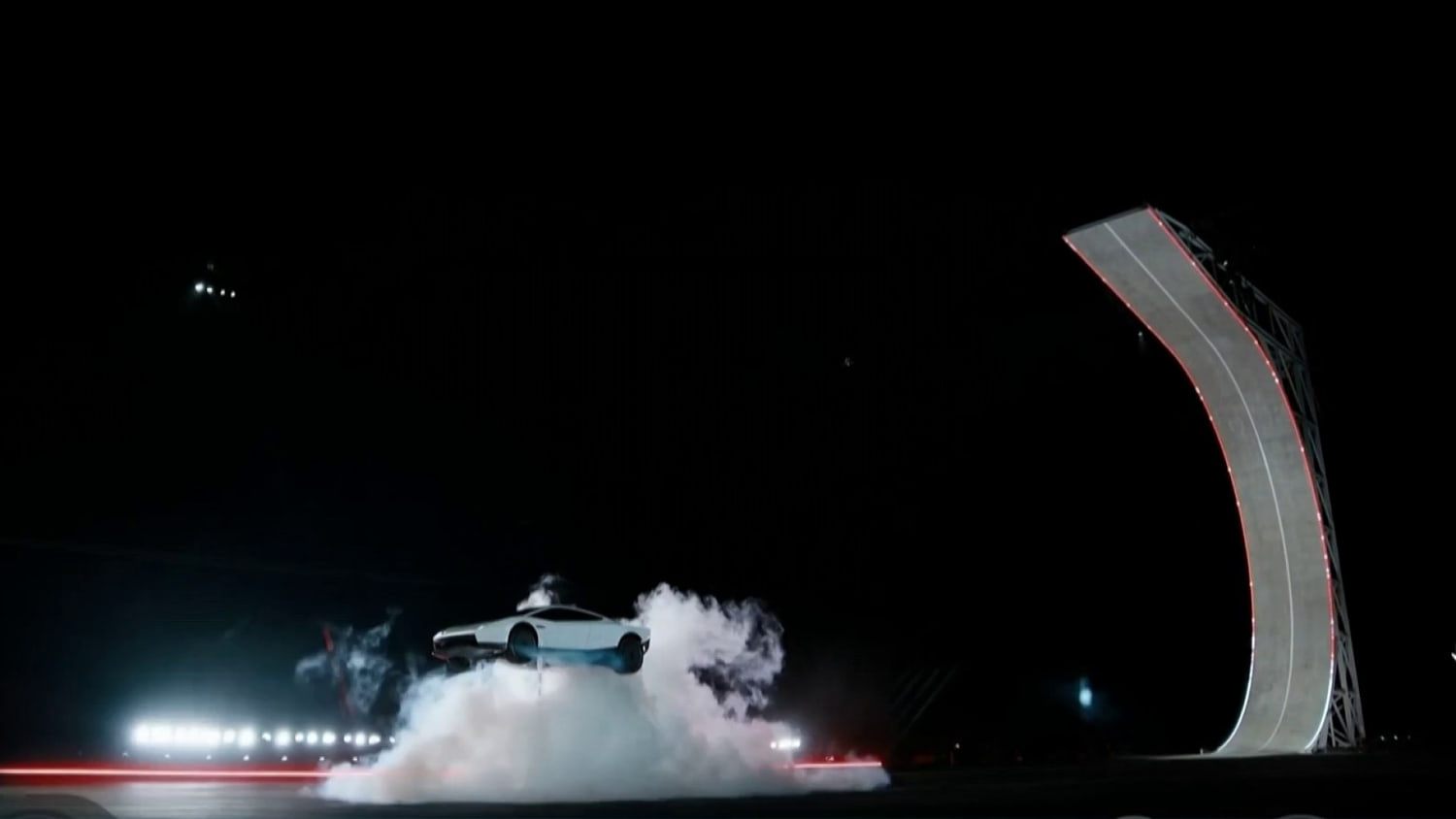
The new Tesla Roadster appears to defy the laws of physics but questions remain on whether or not it defies the laws of the road and sky.
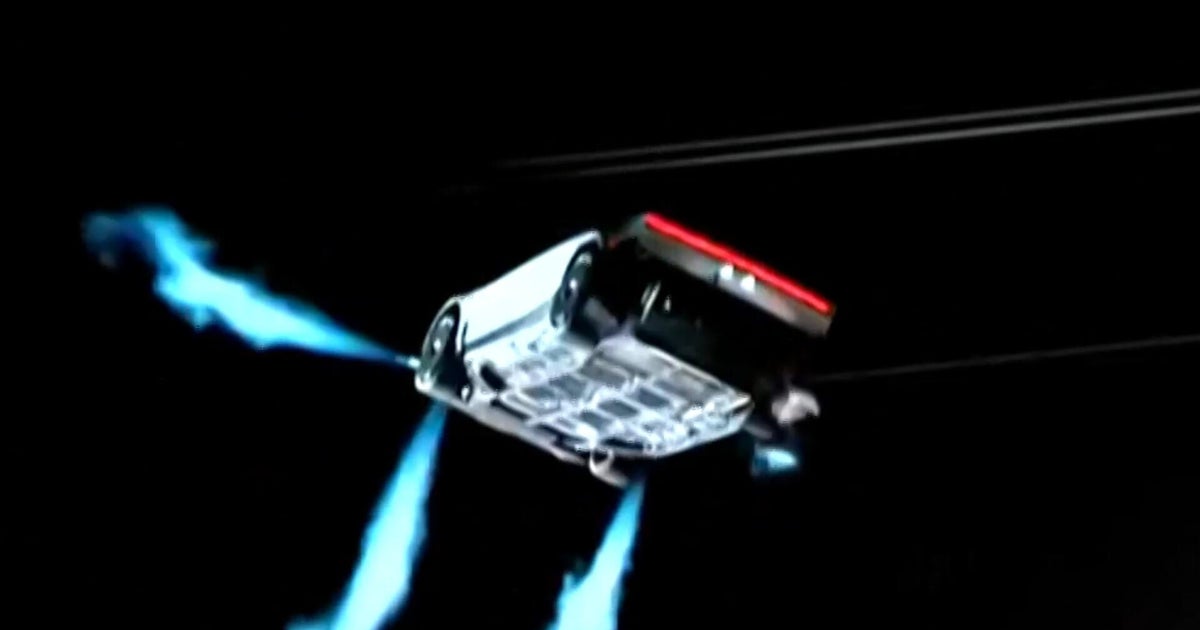
Elon Musk unveiled Tesla's new Roadster, which uses high-pressure air thrusters to leave the road entirely during a livestreamed event at his SpaceX facility in Texas.
Elon Musk unveiled a Tesla prototype equipped with thrusters that can perform air acrobatics. But the vehicle is not yet approved for sale or use on the road.
It may be a giant leap forward in making flying cars a reality, or a fantastic publicity stunt. Elon Musk is showing off a new Tesla Roadster that can fly. NBC News’ Brian Cheung reports.
Wall Street is pulling back from chipmakers and other tech companies amid concerns about the debt incurred to build out AI.
The providers of Clairity Breast, a new FDA-approved AI tool, claim their tech provides an accurate five-year risk assessment for breast cancer, for just $249. Dr. Céline Gounder shares her thoughts.
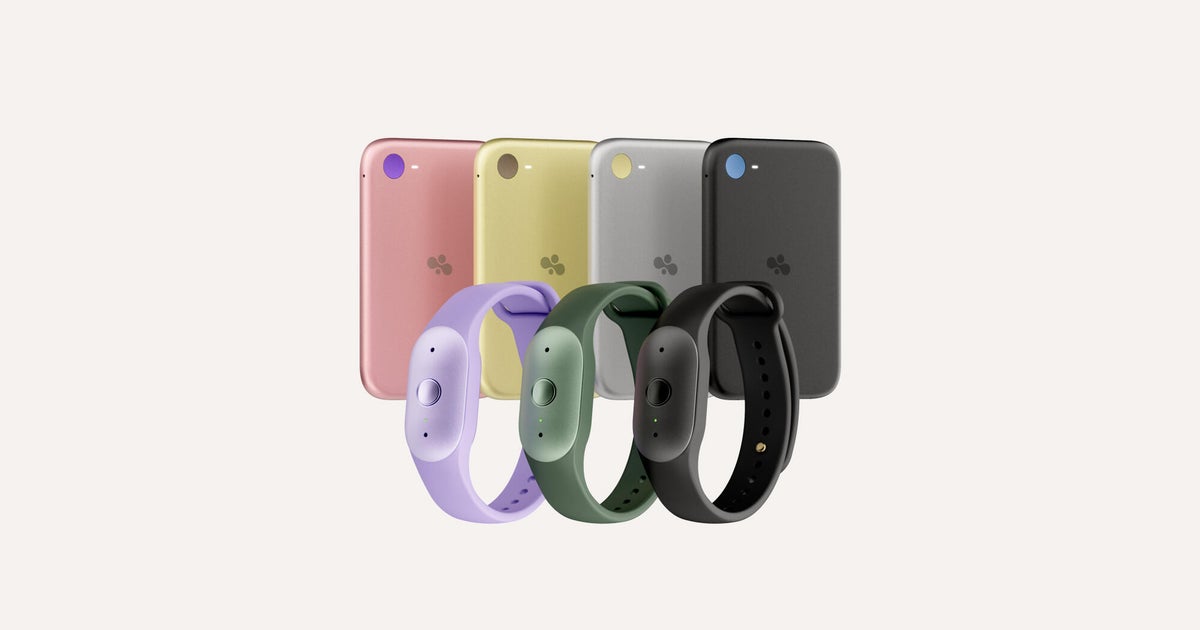
The products include a silicone wristband that can be clipped to clothing and a device that magnetically attaches to the back of a phone.