Failure of Billionaire Tax Strikes Blow to Progressive Agenda
A wealth tax on billionaires seemed like a political layup. The outcome of a California ballot initiative shows otherwise.
The New York Times · 2h ago

A wealth tax on billionaires seemed like a political layup. The outcome of a California ballot initiative shows otherwise.
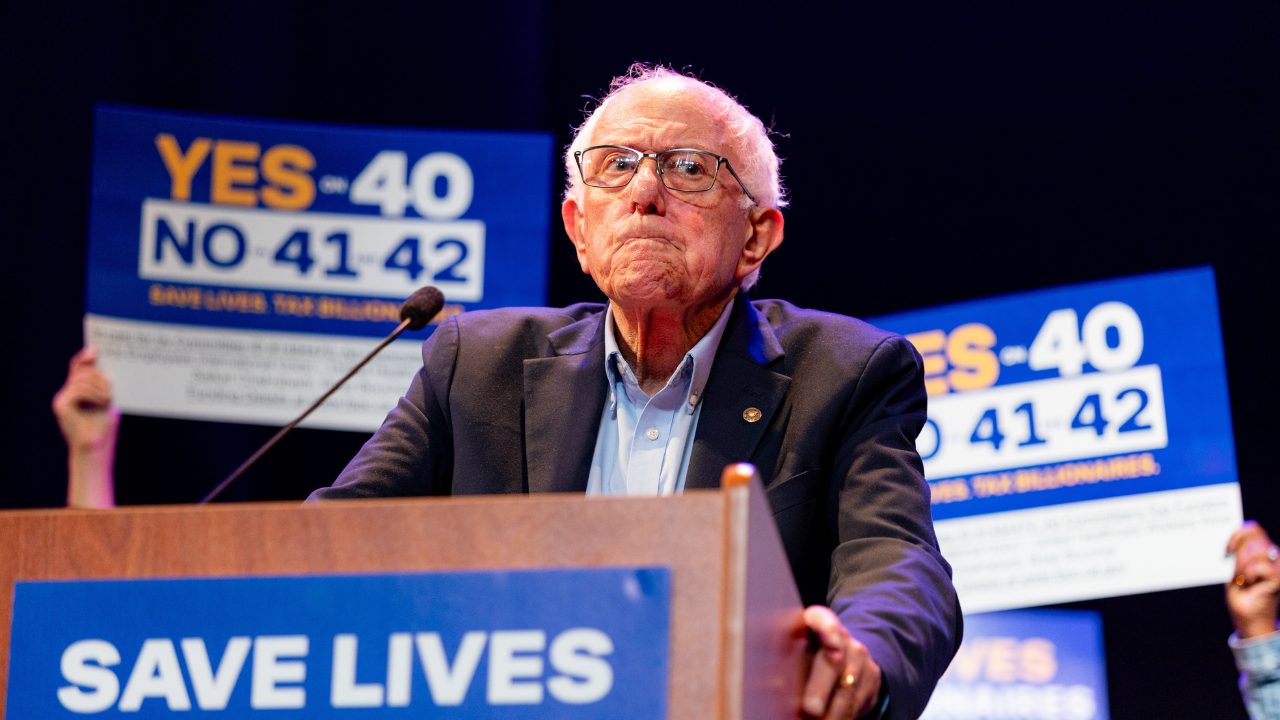
Governor Gavin Newsom urged voters to reject Proposition 40, citing its narrow spending focus, as California's billionaire wealth tax fell 52.8% to 47.2%.
Plus, California voters reject an unprecedented tax on billionaires, and parents are suing schools because their kids got bad grades.
Six Flags' California's Great America in Santa Clara will close after its 2027 farewell season, ending more than 50 years of amusement park history.
Plus: Putting nuclear reactors on ships; California utility raises rates in effort to combat wildfires.
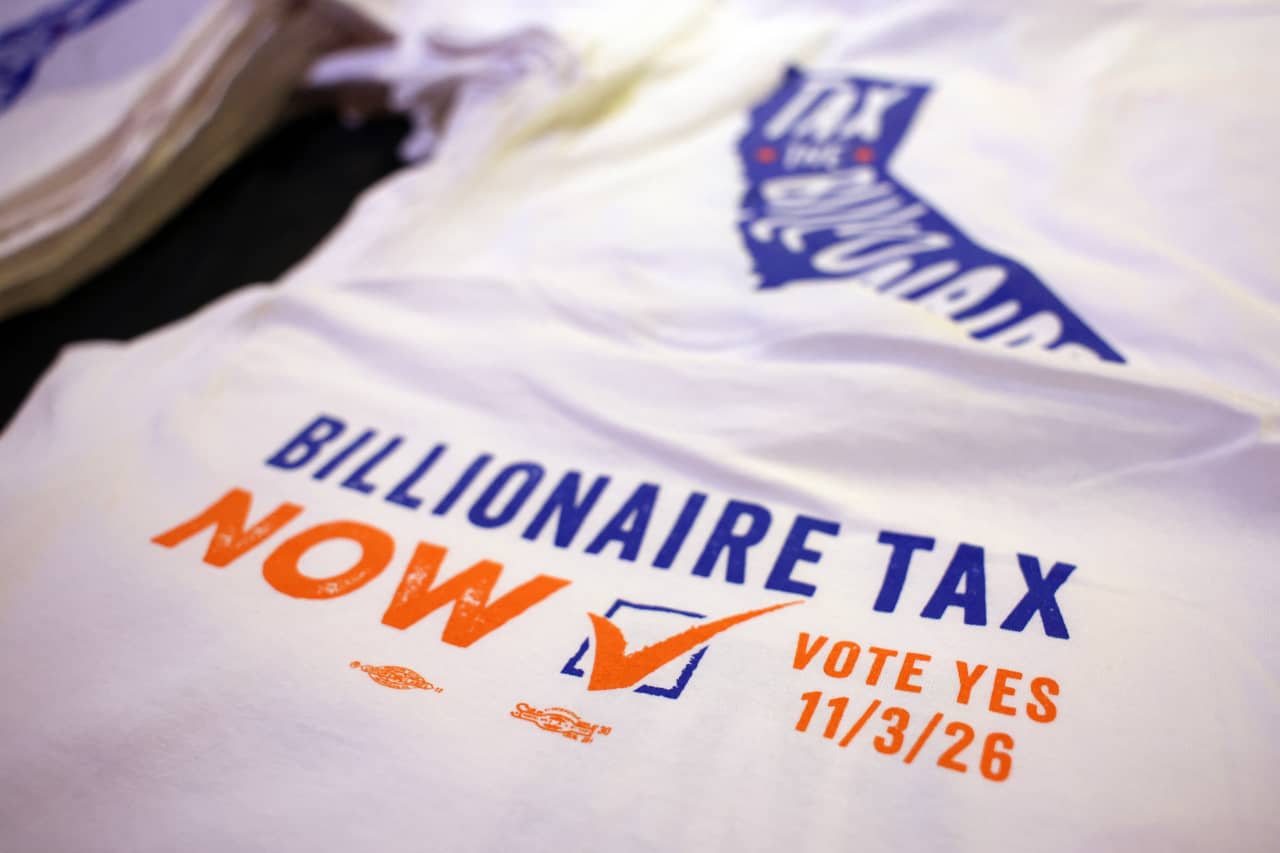
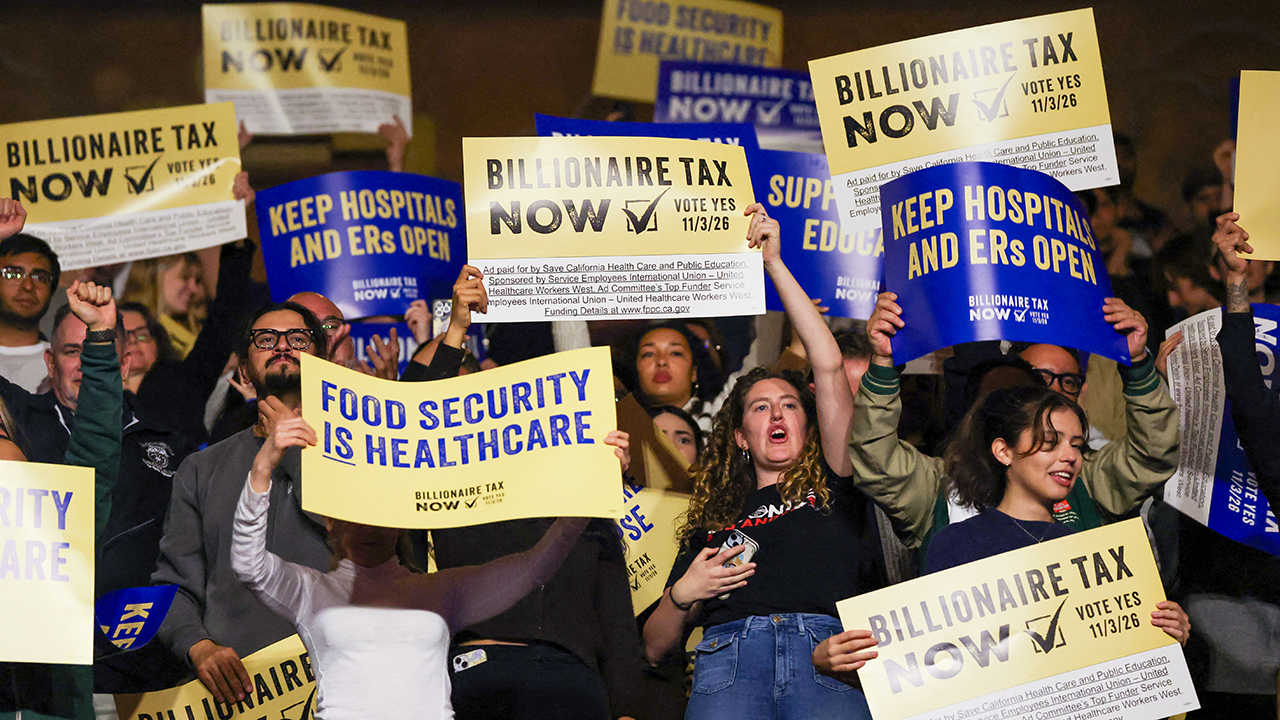
California voters rejected a proposed 5% tax on billionaire wealth as supporters vowed to keep pushing and critics warned California’s tax climate could drive more residents and investment elsewhere.
On Bloomberg This Weekend, Democratic Reps.-elect Paul Barringer of North Carolina and Shannon Taylor of Virginia say voters sent them to Washington with a mandate to address affordability, health care and government accountability. Speaking with hosts David Gura and Christina Ruffini, they discuss working across the aisle, restoring congressional authority and responding to concerns about tariffs, data centers and the cost of living. (Source: Bloomberg)
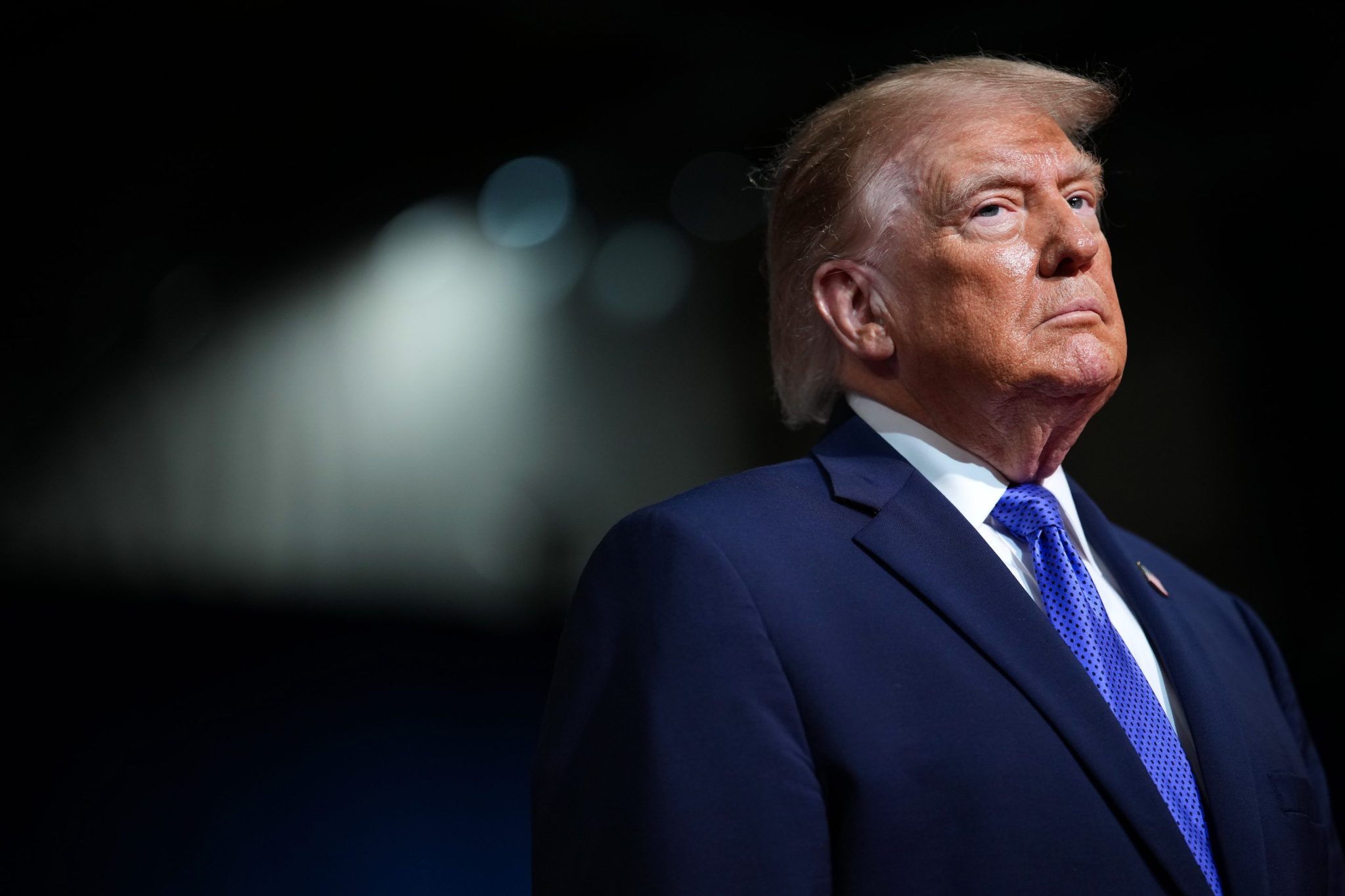
Trump gained ground with Indian Americans in 2024, but his immigration politics and MAGA racism reversed that.
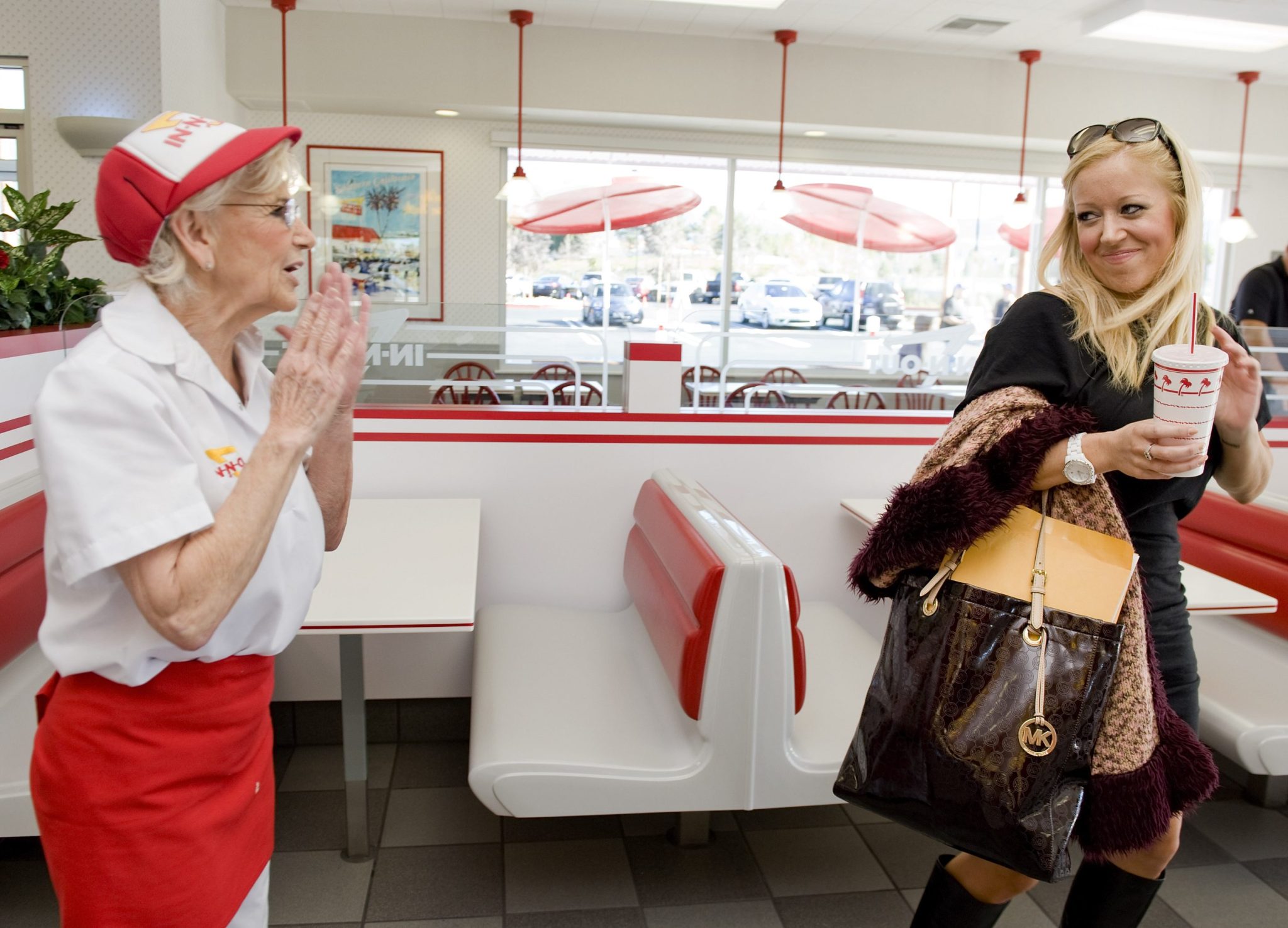
"This is where we started. It's where we are now, and it's where we will always be," Lynsi Snyder, president and owner of In-N-Out, said.
Polling shows the mood among Kiwis is low, with faith in politics even lower - with voters deserting the main parties at the polls.
Inflation updates dominate the calendar this week, along with a checkup on the housing market and more data on employment in the U.S. The latest updates come a week after voters across the U.S. gave Democrats a sweep of Congress in the midterm election...
On Bloomberg This Weekend, Rutgers University's Ashley Koning says affordability, concerns about democracy and government corruption helped drive voters toward Democrats, with significant shifts among Latino, young and independent voters. Koning tells hosts David Gura and Christina Ruffini that Democrats now face pressure to deliver tangible results on affordability before the 2028 election cycle. (Source: Bloomberg)
Pacific Power is asking state regulators to approve a 57% rate increase that would boost the typical residential power bill by $120 a month.
Two days after voters rejected data centers almost everywhere, OpenAI pledged to cover its own power bills and post financial guarantees.
Overall, 27% of young people – meaning people ages 18 to 29 – went to the polls during the midterms, our Nov. 5 analysis shows.
This translates to a 30% reduction in revenue for Florida counties and a 13% cut for smaller municipal governments.
Nebraska voters narrowly rejected to legalize mobile sports betting in the state.
"A 'no' vote doesn't mean similar measures won’t ever be implemented."
Home prices rose 30% while young households’ income grew 9%. Gen Z voters explain their midterm votes that drove a "blue wave."
A California appeals court has found that "ER" and "The Pitt" have enough similarity that a lawsuit brought by the widow and estate of "ER" creator Michael Crichton alleging "The Pitt" is an unauthorized reboot can move forward.
Voters and real estate leaders tell Fox News Digital why Florida's historic property tax relief makes the Sunshine State "unbeatable" while brushing off critics' warnings.
A California appeals court has found enough similarity between “ER” and “The Pitt” for a lawsuit by Michael Crichton's widow to proceed
Google, Meta and TikTok filed separate lawsuits seeking to block a California law designed to protect children from the risks of social media, arguing that it violates their rights under the First Amendment
Two days after voters overwhelmingly rejected data centers, the companies that make the chips, networking gear, and other tech for the facilities saw their stocks crushed.
Voters across America have not only come out against data centers, but also presented a challenge to the AI billionaires behind them. Victorious Democrats must now contend with that outcome while ensuring US AI labs remain competitive on the global stage, Bloomberg Opinion columnist Dave Lee says. (Source: Bloomberg)
A flash of anger from voters toward artificial intelligence infrastructure raised the bar for IPO candidates providing computing power to fuel the technology’s surging growth.
"Washington should heed the demand of voters to focus on issues impacting their pocketbook while also living up to the responsibility entrusted in elected leaders to be stewards of our nation’s fiscal future."
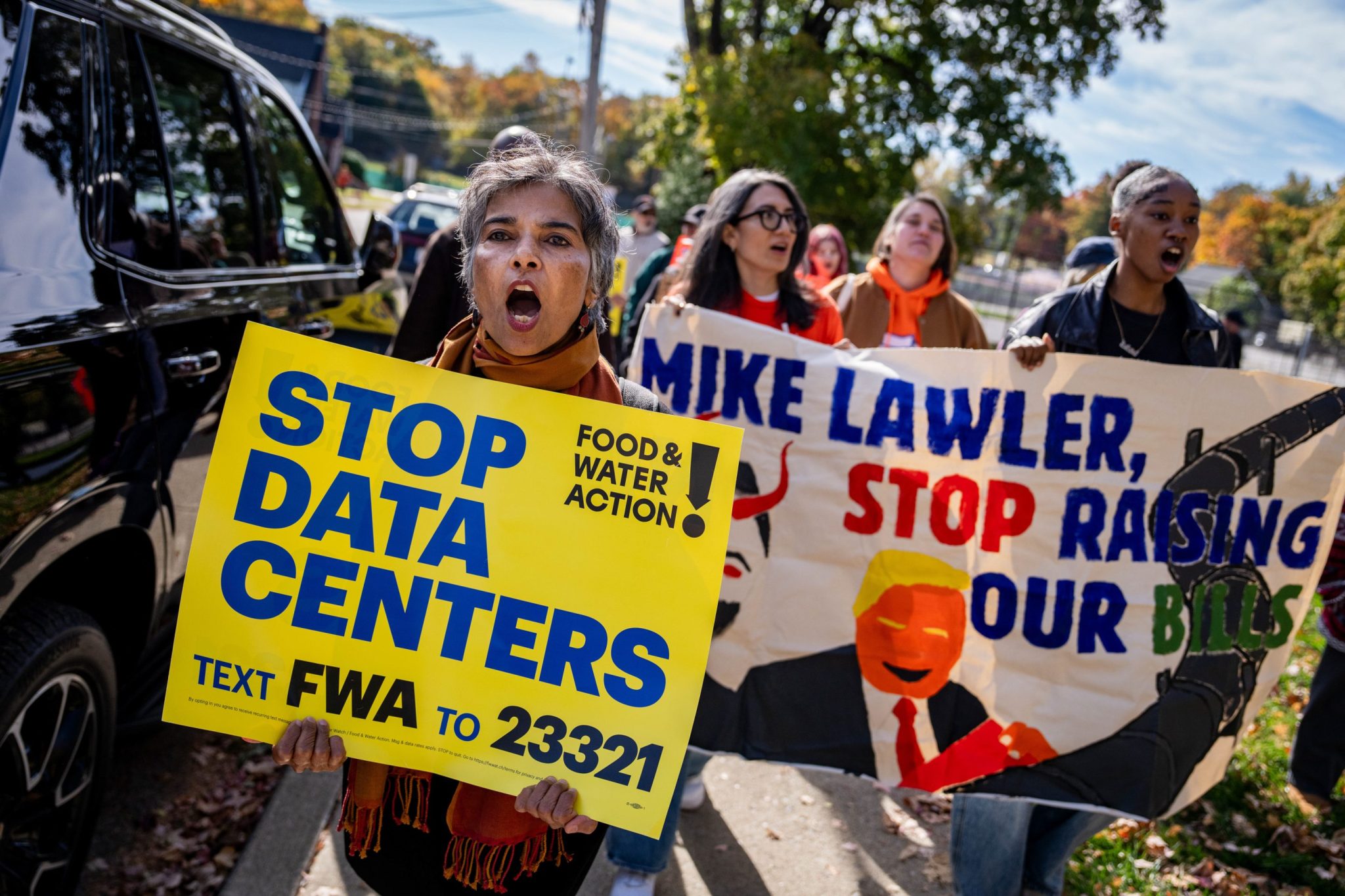
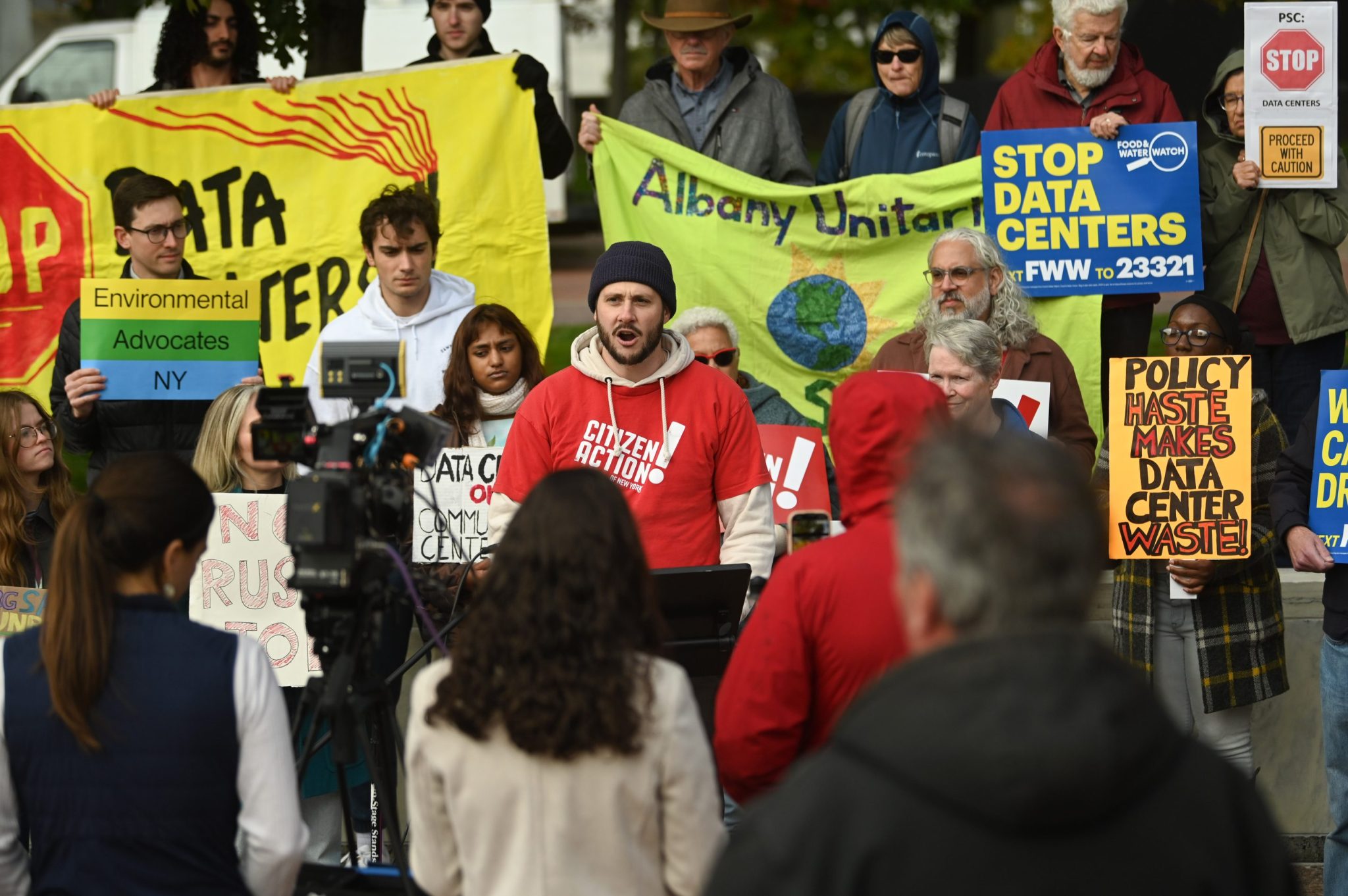
Local ballot measures targeting data centers passed overwhelmingly as voters raised concerns about energy bills, land use and the economic impact of AI development.
On Tuesday, U.S. voters delivered an overwhelming victory for Democratic candidates throughout the country that will upend the halls of power in Washington and data center hotbeds like Texas.
Silicon Valley spent big to kill California’s wealth tax — but incoming Democrats are eyeing a national fight.
Democratic Representative Joe Morelle of New York said that Democrats need to focus on anti-corruption efforts and setting American families up for success after voters handed the party control of both chambers of Congress. Morelle also said that President Trump's continued focus on his White House ballroom today after voters repudiated his policies 'says volumes about his leadership.' (Source: Bloomberg)
The struggling public-transit system in the San Francisco Bay Area received a financial lifeline Tuesday, with voters passing a proposed sales tax to fund the region’s trains, buses and ferries.
Elon Musk’s pick lost in Texas and billionaires Vivek Ramaswamy and Rick Jackson lost their own races, though California’s wealth tax is trailing.
Republicans lost a six-term senator, a three-term governor and two appointed senators as voters named the cost of living a top issue.
Voters named the cost of living a top issue. In Ohio, the Democrat who ran on grocery, gas and electric bills beat Trump’s Senate pick.
Opponents said a voter-approved constitutional amendment could result in limited tax relief for homeowners and big savings for corporations.
Florida voters passed sweeping property tax cuts in Tuesday’s election, a move that will gut local government funding.
Sports betting in Nebraska can support its property tax fund—or leave Nebraskans with empty wallets.
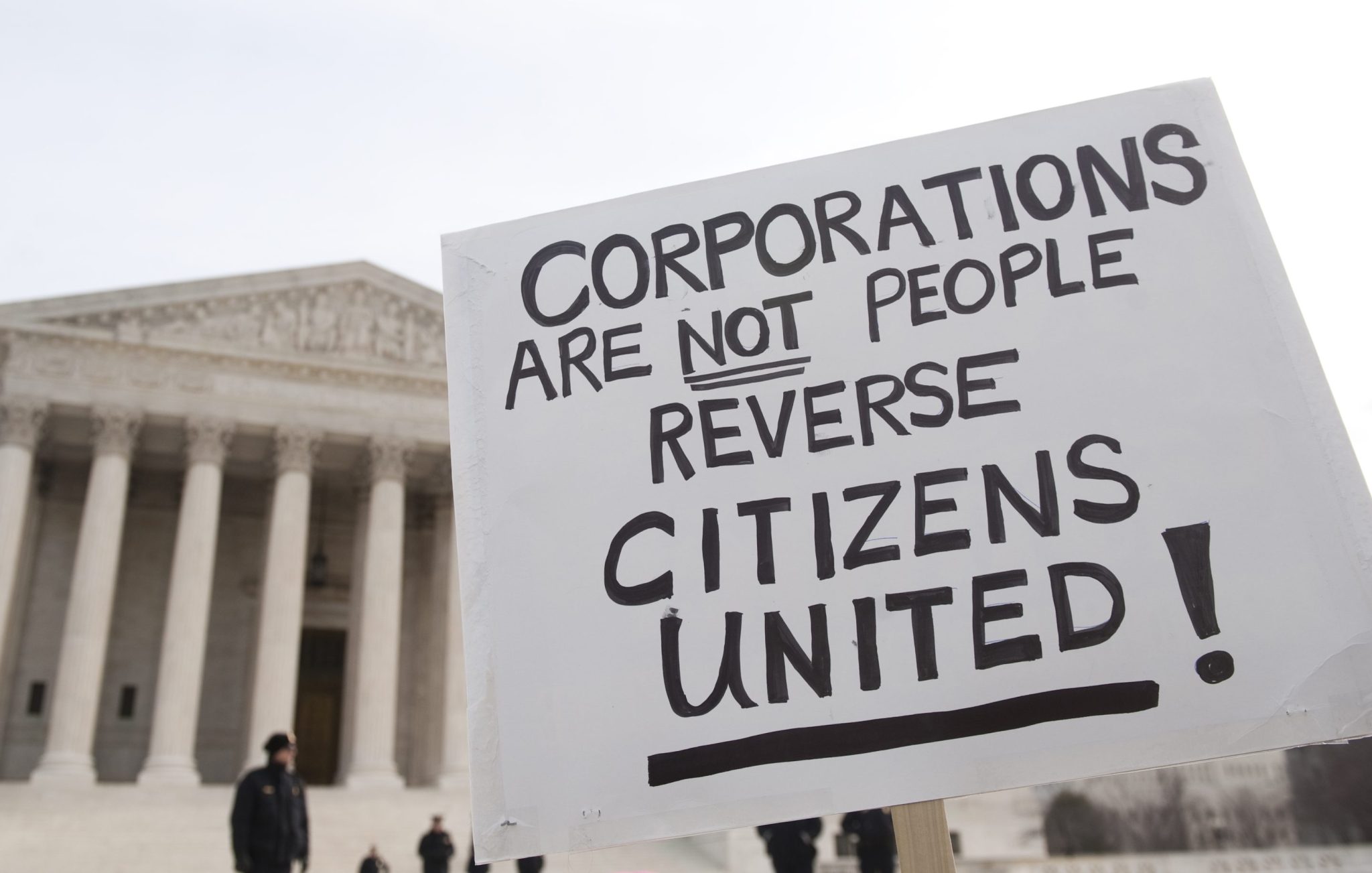
Supporters say states can redefine corporate powers without violating the First Amendment, while critics say the Supreme Court won't buy it
Persson’s agent says he rarely spends time in Los Angeles anymore. The listing lands just as Californians decide on a wealth tax that has already pushed Larry Page, Sergey Brin, and Travis Kalanick out of the state.
Agentic AI reopens who gets what from an exchange.
High prices for gasoline and other goods are key issues for midterm voters, with six in 10 Americans citing the cost of living as their chief concern.
Even the Times acknowledges that Republicans are winning over late deciders by 9 percentage points in seven battleground states.
The Golden State's Proposition 40 billionaire tax could raise far less than $100 billion as wealthy residents flee California before the vote.
The levies as well as trade fighting with Canada are facing a test in the state, where voters appear skeptical of free trade but also of the president’s erratic approach.
Oculus VR and Anduril cofounder Palmer Luckey, worth $5.9 billion, opposes the proposed tax hike but is opting to stay: “California is something special.”
Cerca Trova Restaurant Group, once the biggest franchisee of Outback Steakhouse restaurants, filed bankruptcy Monday, blaming factors including rising food costs and California’s minimum wage law for its demise.
Voters in 10 states decide 41 data-center measures Tuesday. BofA’s economists warn a sustained AI correction is a major risk to the global economy.
Hyper-personalized messages, delivered with A.I.-enabled precision, herald a new frontier for voter outreach (and potential disinformation).
Voters in dozens of US counties and cities will soon have the chance to help enact policies that would slow down the development of data centers.