Incoming Democratic chairs of key committees have taken a step toward investigating MFN drug pricing agreements between drugmakers and the Trump administration.
Results for “block trump”
Nebraska budgeted $8.2 million for contractors to comply with Medicaid changes under President Donald Trump’s One Big Beautiful Bill Act. Health clinics and organizations advocating for poor and working-class Nebraskans say the rollout of Medicaid work requirements has been rife with problems.
People with heart block, a type of heart rhythm disorder, had lower incidences of death, hospitalization for heart failure and pacing-induced cardiomyopathy when the pacemaker technique implemented was left bundle branch pacing rather than right ventricular pacing, according to independent, preliminary, late-breaking science presented Sunday at the American Heart Association's Scientific Sessions in Chicago.
The Trump administration has removed WuXi AppTec, a key partner for the pharma industry, from its list of “Chinese military companies” operating in the U.S.
Novartis is largely abandoning a drug once considered a potential blockbuster after a study found it had little promise for preventing heart attacks and deaths
AI makes it easier for people to come up with new potential medicines, but may also increase the possibility of bad actors creating new bioweapons. New guidelines from Trump officials…
Research in Photochemistry and Photobiology indicates that a plant metabolite that can block the effects of ultraviolet (UV) light has promising potential as a natural sunscreen when applied to human skin.
The model is a test of Trump's most-favored nation approach to drug pricing, though its impact is likely to be limited.
The Trump administration is facing another lawsuit over its sweeping changes to Medicaid less than a week after a federal judge ruled that implementation of work requirements would cause “irreparable…
Calley Means, a MAHA leader who just resigned from the Trump administration, says Americans "are being duped and gaslighted and lied to."
Two newly elected lawmakers with science backgrounds hope to push back against Trump administration cuts to health equity programs.
The Trump Administration has ushered in a fundamental shift in the U.S. approach to global health aid. How will the newly elected Democratic Congress weigh in?
State leaders who scrambled to win and begin spending their first-year shares of Republicans’ five-year, $50 billion fund are in the dark about how much they’ll receive in the Rural Health Transformation Program’s second year after a federal office notified states that more time is needed to make allocations.
As hundreds of thousands of doctors consult AI chatbots to make care decisions, health systems see new risks to patients' health data.
Democrats’ retaking of Congress doesn’t change President Donald Trump’s control of the veto pen — making the new majority’s aspirations to reverse changes to Medicaid, the Affordable Care Act, and other safety net programs an uphill climb.
Researchers at the Centro Nacional de Investigaciones Cardiovasculares Carlos III (CNIC), together with international collaborators, have uncovered previously unknown mechanisms that allow blood vessels to grow even in the absence of VEGF–VEGFR2 signaling, one of the best-known and most widely targeted pathways in clinical efforts to block tumor angiogenesis, growth and metastasis.
Democratic doctors were among the winners in the midterm elections, while the MAHA movement and President Trump's health agenda were losers.
The Trump administration will survey key components of pharmaceutical production in order to identify domestic supply chain vulnerabilities.
Democrats win Senate control, and with it the power to push back on Trump’s health care moves.
Some people carry antibodies that block the body's early defenses against viruses, increasing their risk of developing severe illnesses such as severe COVID-19. Researchers at Karolinska Institutet have now identified the immune cells that produce these antibodies. Their findings are published in the Journal of Experimental Medicine.
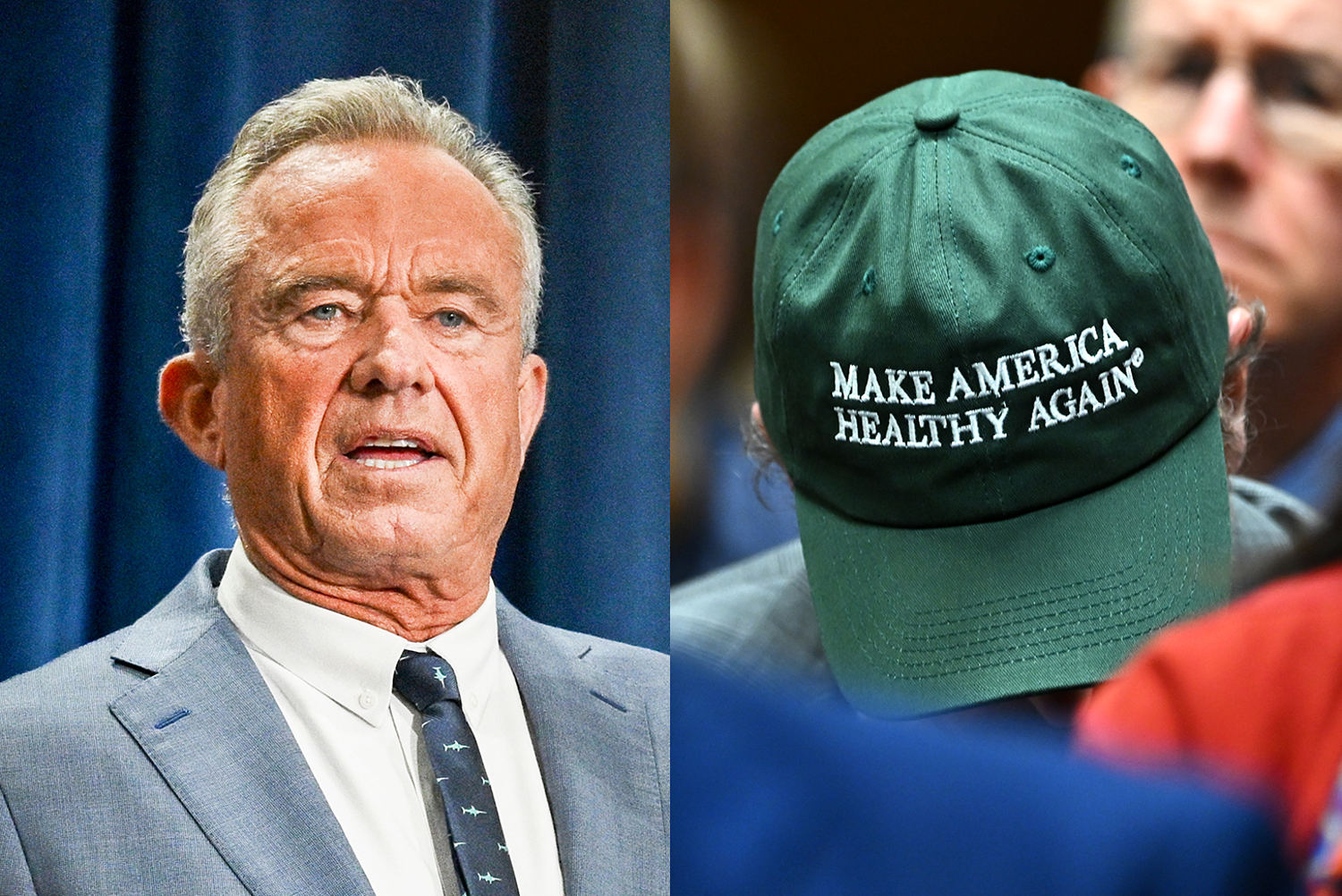
It's been just over two years since the rise of Make America Healthy Again, or MAHA. How well is the Trump administration meeting its promises?
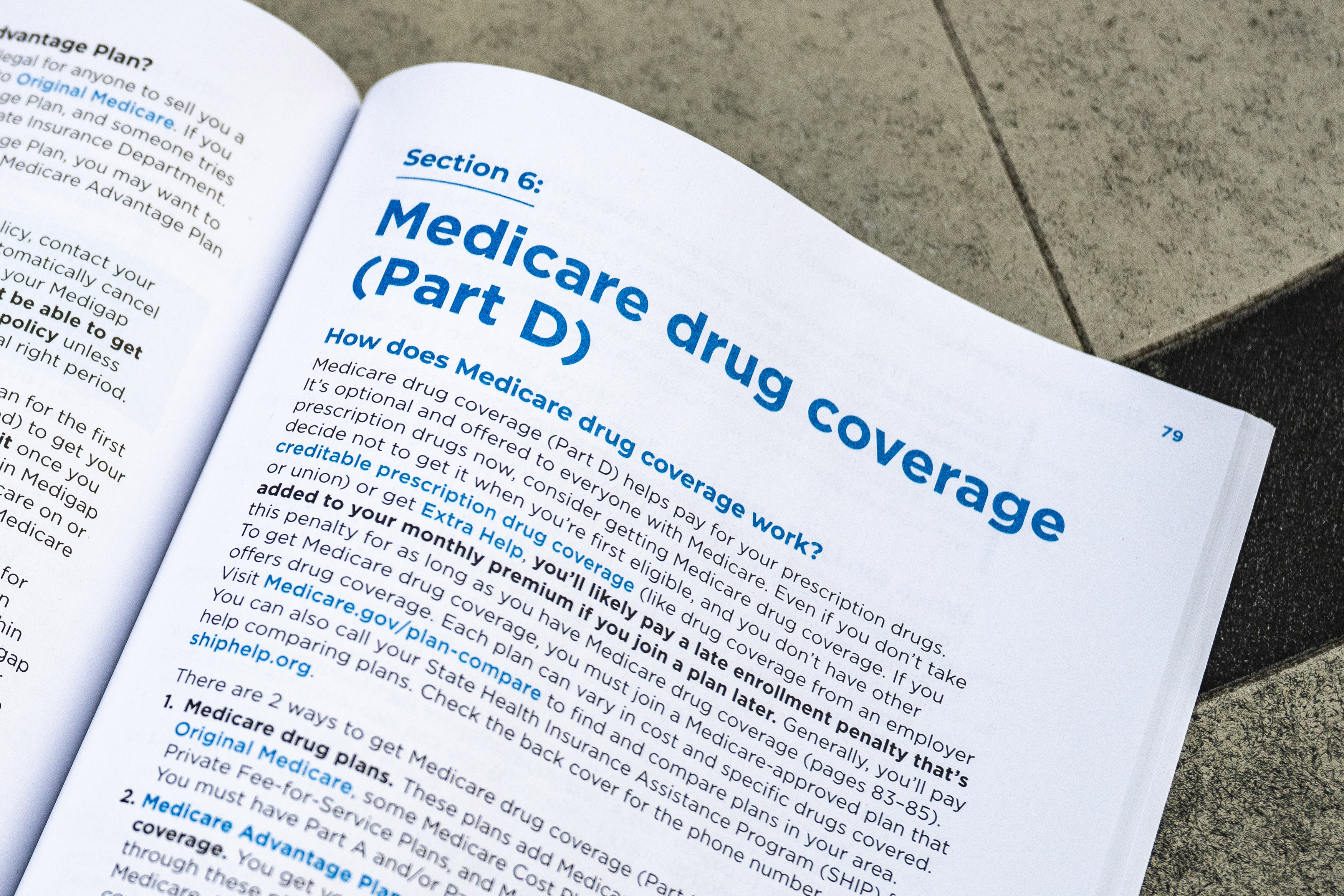
Millions of Medicare enrollees who buy stand-alone prescription drug plans will see their average monthly premiums rise by 50% in 2027, a new analysis finds. But enrollees can avoid the average increase by switching to lower-cost plans.
States had sued the Trump administration, arguing that a regulation would unlawfully cause very sick Americans to lose their coverage. A federal judge agreed.
A federal judge has ruled that chronically ill people on Medicaid won’t be bound by new work requirement rules that the latest Trump administration guidance requires in order to qualify for “medically frail” exemptions
A Trump administration rule will force pharmacy benefit managers to disclose fees and compensation details currently kept private.
Great news for peptide fans: The Trump administration is giving the peptide craze a regulatory boost, despite objections from FDA career scientists.
The Department of Health and Human Services will let small compounding pharmacies make six peptides that haven't been approved by the Food and Drug Administration. It may not be enough to meet demand.
Dr. Jennifer Shuford, a respected former Texas health official, had been appointed by President Trump to help steady the agency.
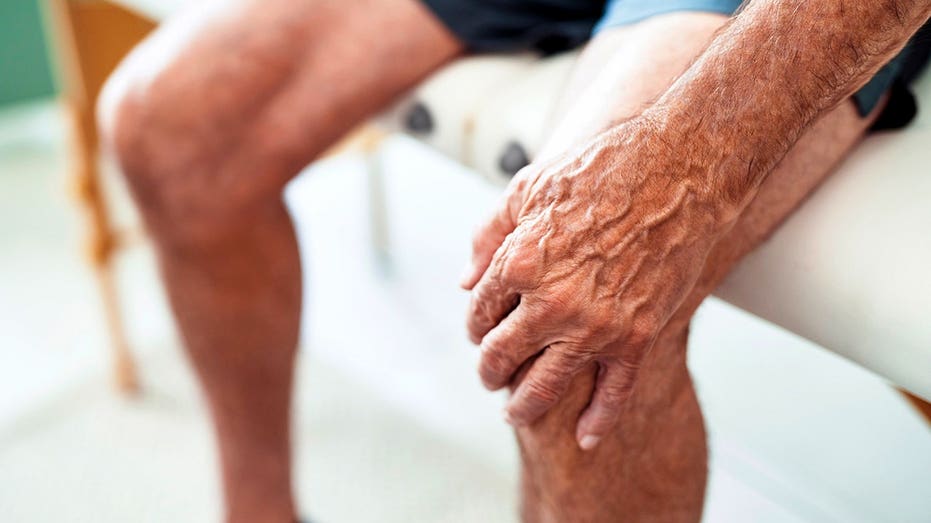
A non-surgical knee osteoarthritis treatment uses dissolvable gelatin particles to block excess blood vessels, reducing inflammation without implants, researchers say.
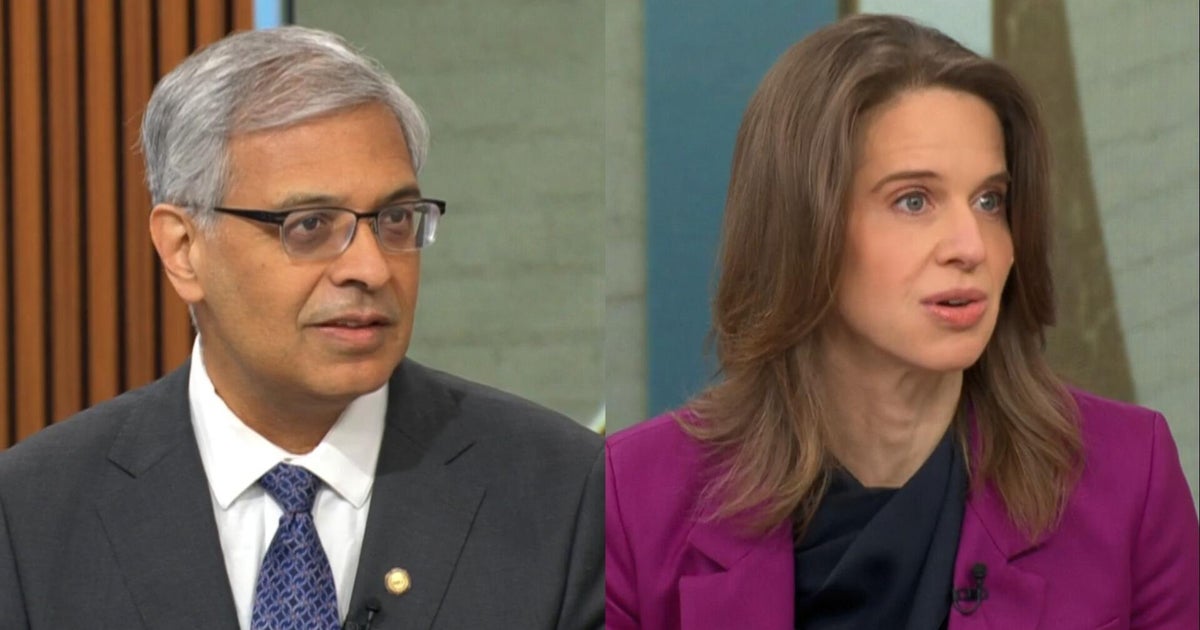
Director of the National Institutes of Health Dr. Jay Bhattacharya and Director of the Advanced Research Projects Agency for Health Dr. Alicia Jackson sit down with "CBS Mornings" to discuss President Trump's executive order creating a women's health division within the NIH.
A scorecard from MAHA activists suggests the Trump administration has broken most of its promises to the movement. The “burn feels especially raw,” one prominent activist said.
A Russian lab worker at an institute focused on the plague, the notorious bacterial infection tied to medieval pandemics like the Black Death, has reportedly died, which President Trump called "a big problem for Russia." Ramy Inocencio has more on what we know.
This is a MedPage Today story. Thousands of employees of federal health agencies have been let go in a chaotic and slow-rolling Trump administration purge over the holiday weekend. While the total number of dismissed employees appears to be smaller than originally expected, the changes sowed confusion as some staffers received termination notices over the weekend, while others waited for expected firings that never came. This includes members of CDC's Epidemic Intelligence Service, a 2-year fellowship program that trains the next generation of "disease detectives." One employee from an agency within HHS who asked to remain anonymous described "chaos and confusion" as leadership "tries to sort this all out." Initial reports suggested about 5,200 employees across HHS agencies -- among about 80,000 total employees -- would be let go, but on Tuesday the totals were unclear. The focus was on "probationary" employees, or those generally within the first year of their...
This is a MedPage Today story. A new journal purports to improve the publishing process through open access and public peer review, but it was co-founded by researchers who challenged the U.S. response to COVID-19 -- including President Trump's pick to lead the NIH, Jay Bhattacharya, MD, PhD. Bhattacharya and Martin Kulldorff, PhD, have founded the Journal of the Academy of Public Health, where "good scientists can publish whatever their studies conclude," Kulldorff said in a post on X. Kulldorff reported the backdrop for launching the journal in a perspective, charging that commercial publishers have a corner on the market, with universities paying "an enormous amount of money for journals that contain articles that are both written and peer reviewed by their own scientists, which they provide to journals for free." "As a result, scientific journal publishers have huge profit margins reaching almost 40%," Kulldorff stated in the perspective. Unlike traditional publishing,...
This is a MedPage Today story. Employees at HHS and its various sub-agencies are struggling to figure out how to implement President Donald Trump's executive order requiring them to report in-person to their work sites full-time, and how the changes will affect them. An Early Executive Order The in-person work requirement was outlined in an executive order signed by President Trump on January 20, his first day in office. The two-paragraph order stated that "Heads of all departments and agencies in the executive branch of government shall, as soon as practicable, take all necessary steps to terminate remote work arrangements and require employees to return to work in-person at their respective duty stations on a full-time basis, provided that the department and agency heads shall make exemptions they deem necessary." The order was further explained in a January 27 memo to agency heads from both the Office of Personnel Management (OPM) and the Office of Management and Budget (OMB)....