The popularity of raw milk in Google searches and Instagram post topics has soared over the past 10 years, spurred on by influencers claiming there are benefits to consuming raw milk.
"You must drink eight glasses of water a day" is the kind of advice a friend might offer. But what the advice leaves out is that our daily fluid intake comes from a variety of sources, including other drinks and food.
Six years after cannabis legalization, more adults under 50 in Canada use cannabis daily than drink every day, and daily cannabis smoking is now as common as daily cigarette smoking for adults under age 35, according to new research in CMAJ (Canadian Medical Association Journal) .
When some people drink, they purposely skip meals in order to amplify the effects of the alcohol or to save calories for their drinks. The practice, sometimes referred to as "drunkorexia," highlights the crossover that can exist between risky drinking behavior and disordered eating.
Neonicotinoids are among the most common insecticides worldwide, given their low cost and high efficacy. However, these insecticides take a long time to break down in the environment and can easily contaminate their surroundings, affecting food and water supplies. Despite the well-documented effects of neonicotinoids on insects and the environment, their impact on humans remains less clear.
South Korea on Friday reported its first case of cholera in 10 years, with health authorities urging people to take precautionary measures, use only safe water and wash their food properly.
Athletes and physically active individuals often exercise in hot environments, which can dangerously increase body temperature and cardiovascular strain. Water immersion is a commonly used strategy to cool the body after exercise because water transfers heat more efficiently than air. However, how quickly the body cools down may depend on the type of exercise performed before cooling begins.
A major review has found that plunging into cold water after exercise can speed recovery and boost performance in some situations—but using it after every workout could be detrimental to strength and muscle gains.
For centuries, researchers and clinicians have used microscopes to study the causes and effects of disease on tissues and help make diagnoses—the practice of histopathology. While microscopes have certainly improved, scientists still rely on tissue preparation approaches that distort subtler features and entirely remove lipids and water-soluble materials. The result is an incomplete and imperfect view that cannot capture lipid data and other details that may be relevant to disease.
Everyday plastic products, including water bottles, disposable cups and packaging, can break down over time into tiny fragments known as nanoplastics. These particles are invisible to the naked eye and can become airborne, raising concerns about their potential to reach deep into the lungs when inhaled.
Writing about a drinking experience that went badly and associated feelings of guilt was linked to reduced negative alcohol-related consequences over the next year in a trial involving college students. Expressive writing may offer a fresh approach to brief alcohol interventions, which aim to motivate changes in drinking behaviors. It has been somewhat effective as a brief intervention for improving other aspects of well-being, such as emotional regulation and coping, though results for behavior change and heavy drinking have been mixed.
New research from Trinity College Dublin shows no link between exposure to community water fluoridation (CWF) and later-life cognitive function in older Irish adults. The research also found no evidence that exposure in early childhood had any impact either.
Women who consume four or more alcoholic drinks on a single occasion once a month or more have increased odds of advanced liver fibrosis, a new study suggests. Steatotic liver disease (SLD)—formerly known as fatty liver disease—includes several liver conditions linked to alcohol consumption and/or metabolic dysfunction. SLD phenotypes are identified based partly on daily or weekly alcohol intake. Although research has linked heavy episodic (binge) drinking to increased risk for certain liver conditions and liver-related death, its role in SLD is undefined.
Learning to associate certain food smells with unpleasant ailments following consumption helps many organisms learn which foods are unsafe. In a new study in JNeurosci, Dan Rokni and colleagues at the Hebrew University of Jerusalem used mice to explore how the brain learns that some smells signify "unsafe to ingest." The researchers focused on the role of the nucleus of the lateral olfactory tract (NLOT), which supports communication between the nose and the brain about smells.
Alcohol is deeply embedded in British culture, from celebrations and religious ceremonies to everyday social life. Government guidelines offer a way to reduce the risks associated with drinking, but consuming alcohol within recommended limits does not mean those risks disappear.
An herbal supplement made from kudzu, a plant long used in traditional medicine from East Asia, may offer a new way to help people cut back on binge drinking, according to a UC San Francisco study.
Dozens of global health and environmental organizations called on the World Health Organization on Tuesday to revise decades-old standards for nitrate levels in drinking water, arguing they do not reflect recent scientific evidence about potential health risks.
The drinking rate of adults who have had cancer has remained unchanged for nearly a decade, according to a new study by researchers at the WashU Brown School.
Catholic adults now report drinking rates near the levels of Protestants as shifting health views and social habits reshape moderate drinking in America.
This is a MedPage Today story. More than 80 domestic cats, among many other types of mammals, have been confirmed to have had bird flu since 2022 -- generally barn cats that lived on dairy farms, as well as feral cats and pets that spend time outdoors and likely caught it by hunting diseased rodents or wild birds. Now, a small but growing number of house cats have gotten sick from H5N1, the bird flu strain driving the current U.S. outbreak, after eating raw food or drinking unpasteurized milk. Some of those cats died. The strain of bird flu currently circulating has not adapted to efficiently spread among people. And there have been no known cases of cat-to-human transmission during the current outbreak of H5N1. Still, there's always been the risk that cats, which are arguably only semi-domesticated, could bring home a disease from a midnight prowl. "Companion animals, and especially cats, are 100% a public health risk in terms of the risk of zoonotic transmission to people,"...
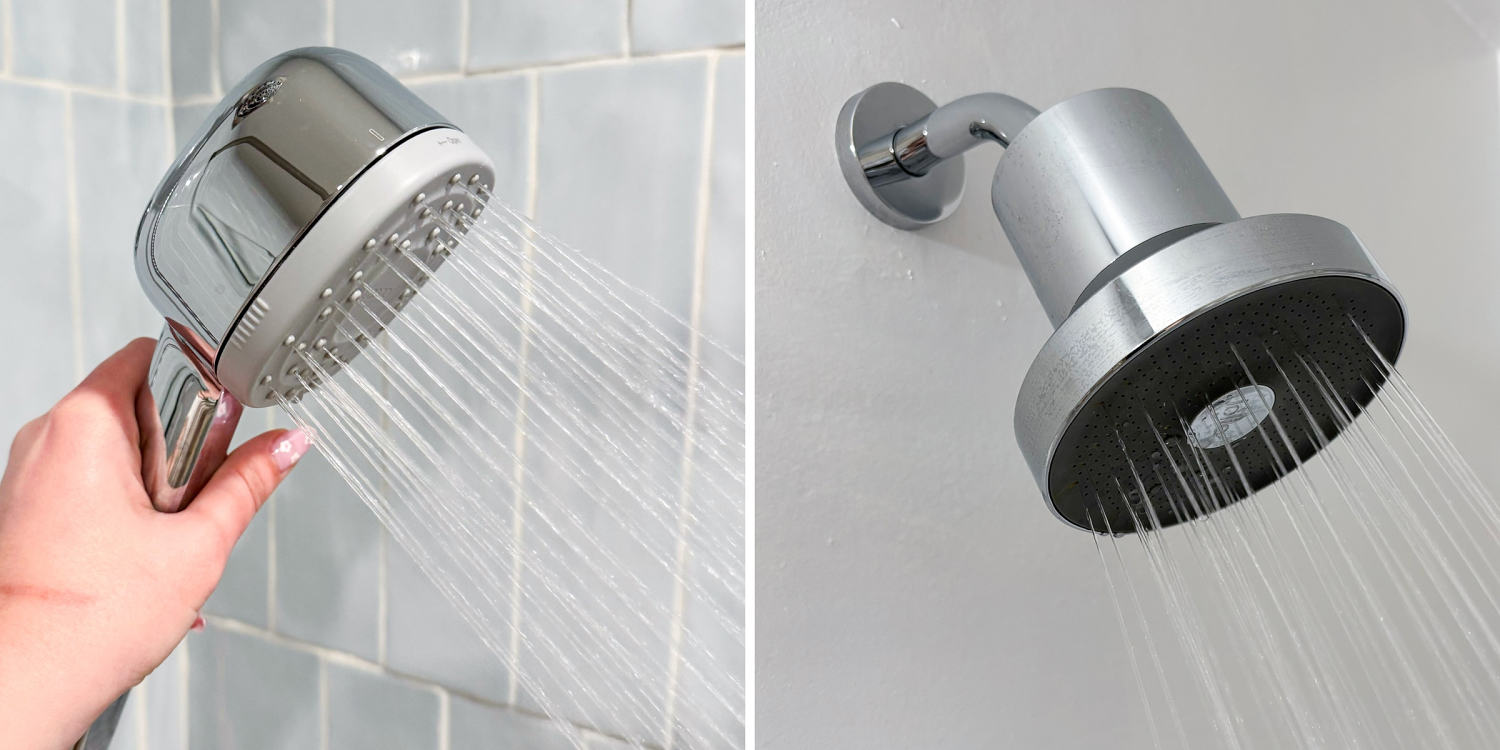
We tested eight filtered shower heads over two years from Jolie, Canopy, Act+Acre and Afina to see which ones really improve hair, skin and water quality.