Massive hope for pancreatic cancer pill after trial saw tumours vanish
Daily pill daraxonrasib appears to shrink and possibly even eliminate tumours in some patients with one of the deadliest cancers.
BBC News · 21h ago

Daily pill daraxonrasib appears to shrink and possibly even eliminate tumours in some patients with one of the deadliest cancers.
A study led by Queen Mary University of London has found that the number of new cancer cases each year among transgender and gender-diverse people in England could more than double over the next decade.
People say "the body keeps score"—but it might be more accurate to say our neurons do. In healthy people, neurons accumulate about 17 single-nucleotide variants each year, a pattern that holds from birth through a person's final years, according to research from HHMI investigator Chris Walsh and others.
Researchers at Umeå University have discovered how chemical marks on RNA control a DNA methylation enzyme and contribute to the silencing of tumor-suppressor genes in ovarian cancer cells. The findings provide new insights into the disease and may, in the long term, contribute to the development of new treatment strategies for high-grade serous ovarian carcinoma.
Researchers at The University of Texas MD Anderson Cancer Center have discovered that sarcomas lacking the ATRX gene tend to be more aggressive and may be particularly vulnerable to a class of targeted therapies known as TEAD inhibitors. The findings identify ATRX loss as both a marker of poor prognosis and a potential therapeutic target.
Researchers at the Icahn School of Medicine at Mount Sinai have identified a shared molecular trait in glioblastoma, an aggressive brain cancer in adults. It resembles one used by immature cells during brain development and may reveal a target for future treatments.
Patients with multiple myeloma who developed a serious gastrointestinal side effect after treatment with chimeric antigen receptor (CAR) T cell therapy had significantly more CAR T cells persisting in their bloodstream, according to new research from The University of Texas MD Anderson Cancer Center.
Engineering patients' own immune cells to find and destroy cancer using chimeric antigen receptor (CAR) T-cell therapy has transformed the treatment of blood cancers. However, its use is limited in solid tumors because the immunosuppressive tumor microenvironment prevents CAR T-cell entry into the tumor and causes cells that enter to become exhausted.
A new large study led by UC Davis and UC San Francisco researchers has found that higher cumulative radiation dose to the brain from medical imaging during childhood is linked to a greater brain tumor risk in children and adolescents. Brain tumors are the second most common childhood cancers and are the leading cause of cancer death among children and adolescents.
Combining the experimental therapy IACS-6274 with targeted therapy bevacizumab and paclitaxel chemotherapy showed promising antitumor activity in a Phase I trial of patients with advanced platinum-resistant ovarian cancer, according to new results presented by researchers from The University of Texas MD Anderson Cancer Center.
Liver cancer was the sixth most common cancer and the third leading cause of cancer-related deaths worldwide in 2022, with hepatocellular carcinoma (HCC) as the most common histological subtype, accounting for approximately 90% of liver cancers. Despite this, biomarkers that predict survival and therapeutic response to atezolizumab plus bevacizumab (Atezo/Bev), a type of systemic therapy in HCC management, have yet to be established in unresectable HCC, in which the tumor cannot be safely treated via surgical removal.
The investigational antibody-drug conjugate (ADC) micvotabart pelidotin (MICVO, PYX-201) demonstrated promising antitumor activity and a manageable safety profile in a Phase I trial presented at the EORTC-NCI-AACR Symposium on Molecular Targets and Cancer Therapeutics by researchers at The University of Texas MD Anderson Cancer Center.
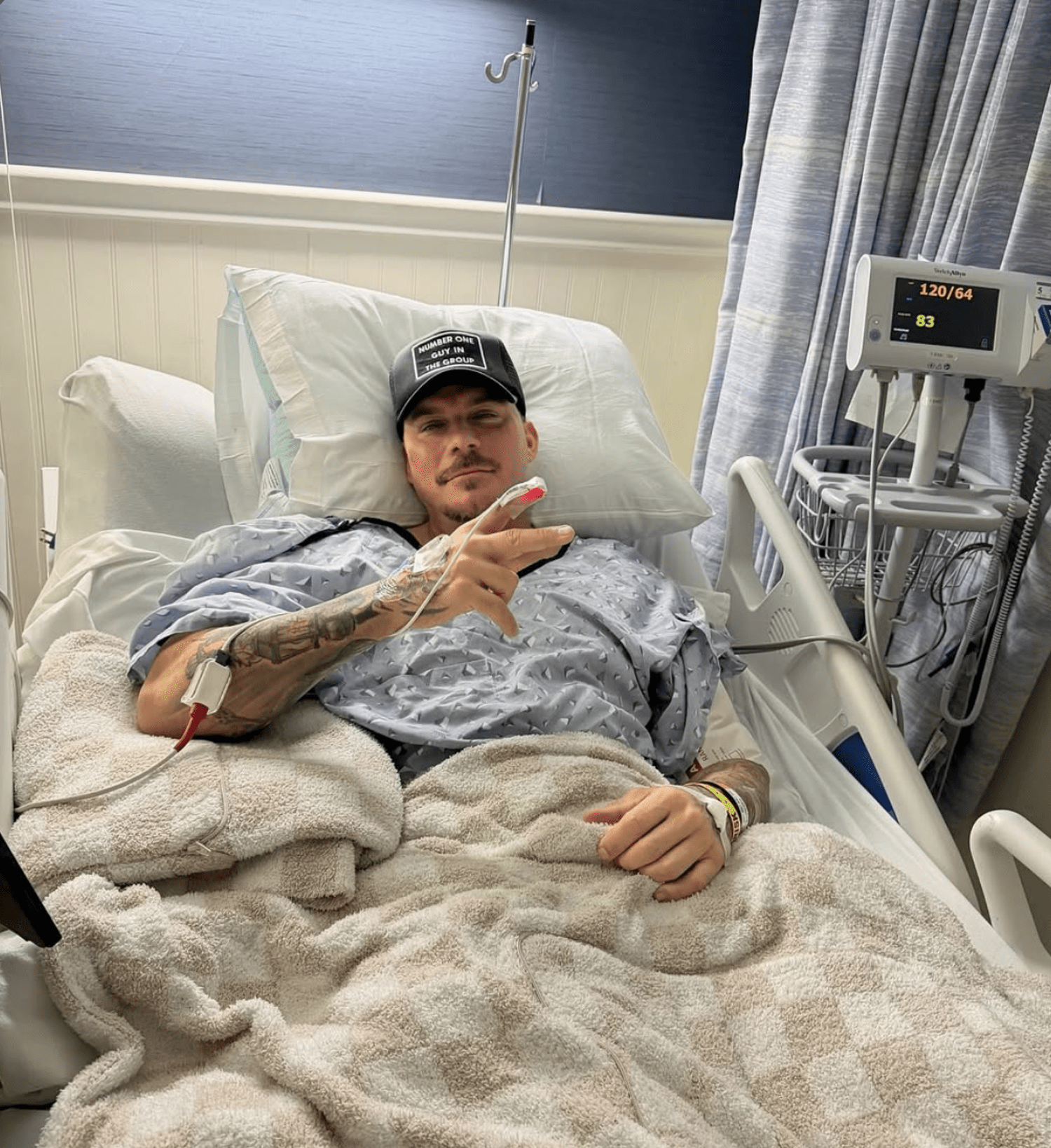
Jax Taylor of “Vanderpump Rules” and “The Valley” reality TV fame revealed he was diagnosed with cancer over the summer after a tumor was found on his left kidney.
A first-of-its-kind USC study links two little-studied "forever chemicals" to liver cancer, with the greatest risk in those already genetically susceptible to fatty liver disease. The study, published in Environmental Health Perspectives, finds that two per- and polyfluoroalkyl substances (PFAS), also known as "forever chemicals," are associated with a significantly higher risk of liver cancer, with the strongest effects in people genetically predisposed to metabolic dysfunction-associated steatotic liver disease (MASLD), also known as fatty liver disease.
An antibody-drug conjugate, a type of drug that targets and enters cancer cells like a Trojan Horse, has shown promising early results across diverse types of soft tissue sarcoma in a Phase I trial. The findings were presented at the 38th EORTC-NCI-AACR Symposium on Molecular Targets and Cancer Therapeutics in Barcelona, Spain.
Did the biotech company Erasca find a more potent, better-tolerated pan-RAS cancer drug than Revolution Medicines?
A new study led by experts at the University of Nottingham has provided new insight into how a commonly used test for colorectal cancer performs in people under 50.
Morphea is associated with excess cancer incidence, according to a study published online Nov. 11 in JAMA Dermatology.
A task force, meeting after a long delay, will discuss coverage of treatments for cervical cancer, perinatal depression, and alcohol use.
Researchers in Japan have, for the first time, visualized the activity of an important liver enzyme in vivo using an MRI-based approach, potentially providing a new way to detect and monitor fatty liver disease. The condition can progress with few obvious warning signs and, in severe cases, can lead to liver inflammation, fibrosis, cirrhosis and liver cancer.
Researchers at Skoltech, the University of Sharjah in the United Arab Emirates and Tokai University in Japan, together with colleagues, have published an open-access review of computer vision in histopathology. The review examines how algorithms can identify tissue features in lung, breast, colorectal and prostate cancers.
A team led by researchers at the German Cancer Research Center (DKFZ) and the University Medical Center Mannheim (UMM) has developed a new approach to more effectively direct immune cells against glioblastomas. In experimental models, they were able to show that a targeted mRNA vaccine significantly increases the potency of therapeutic immune cells. The paper is published in the journal Cancer Research.
A first-in-human study by Mass General Brigham Cancer Institute investigators found that a chimeric antigen receptor (CAR) T-cell therapy called TriPRIL reduced or eliminated signs of cancer in 12 of 15 patients with relapsed or refractory multiple myeloma. TriPRIL—short for trimeric APRIL (a proliferation-inducing ligand)—recognizes two proteins on myeloma cells instead of just one. Researchers published their findings in The Lancet.
Cancer cells must protect themselves from the harmful substances they produce as they grow. Now, researchers have identified how they neutralize one of these substances, formaldehyde, while keeping another defense against cell death intact. The findings suggest a way to attack both defenses together, and the next step is to find out whether it could become a treatment.
The FDA published its complete response letter to Summit Therapeutics explaining why it rejected the biotech's closely watched lung cancer drug:
Mayo Clinic researchers, in a study published in Nature Communications, have identified a group of BRCA2 gene variants associated with a moderate risk of breast cancer, a finding that could help health care teams better assess a person's cancer risk and personalize care.
More than 1.6 million Australians living with and beyond cancer could benefit from proposed Medicare reforms to increase subsidized allied health visits, a move backed by new Flinders University–led research.
Steve Williams died of lung cancer 14 years after falling in to a lagoon at a toxic waste dump fire.
A new diagnostic platform is able to screen for and identify four different diseases—colorectal cancer, glioblastoma, pancreatic cancer and Alzheimer's disease—with a small amount of blood in an hour. The patent-pending technology was developed by a team of researchers led by Hsueh-Chia Chang at the University of Notre Dame.
T cells are the trained killers of the immune system and the driving force behind cancer immunotherapy. But the behavior of T cells is hard to predict: Some spring into action when prompted, while others become lethargic and aimless. This puzzling inconsistency is one of the main reasons immunotherapies don't work in most cancer patients.
People with advanced breast cancer that has stopped responding to hormone therapy now have a new pill-based treatment option.
In a blue-and-white van outside Asda last June, 68-year-old Eddie, a retired fishmonger from Fallowfield, near Manchester, received life-changing news.
Chronic inflammation is a major factor in arthritis, type 2 diabetes, Alzheimer's disease and cancer. A new tool developed at UC Riverside allows researchers to see exactly how inflammation begins in human cells. In their study published in Free Radical Biology and Medicine, researchers used cells lining the airways, as these come into direct contact with inhaled, inflammation-triggering pollutants. Learning what sets off this inflammation on a cellular level could eventually help researchers find ways to stop it from becoming chronic.
Researchers from The University of Texas MD Anderson Cancer Center have discovered that the IL-18 inflammatory protein helps pancreatic tumors grow and evade the immune system, highlighting its potential as a therapeutic target for pancreatic cancer.
The FDA approved a breast cancer drug from Roche, teeing up the launch of what the company has said could become its top-selling product
Cancer immunotherapy uses the body's defenses to attack cancer, but it does not help every patient. One reason may be the environment surrounding a tumor. Macrophages normally clear damaged cells, but some can suppress immune responses inside tumors, making it harder for cancer-fighting cells to work.
University of Cincinnati study found Black patients' pancreatic tumors had more B cells and cells tied to drug resistance, pointing to tailored care.
Sellas' experimental blood cancer immunotherapy reduced the risk of death in clinical trial.
The FDA approved a new breast cancer drug from Roche, teeing up the launch of a medicine the company has said could become its top-selling product ever.
How can automotive supply-chain research inform a new line of inquiry in cancer treatment research? For Constructor University Lecturer and Postdoctoral Researcher Ishansh Gupta, the answer is causal AI—a form of artificial intelligence that goes beyond simple pattern recognition to analyze why certain patterns exist, and help predict outcomes of changes.
A cancer drug linked to rapid growth spurts in children has caught the attention of teenagers looking to gain an extra few inches in height.
Acute myeloid leukemia (AML) is a malignant disorder of the hematopoietic system in the bone marrow, affecting an early precursor stage of what are known as myeloid cells. In healthy people, these cells develop into red blood cells, platelets and some white blood cells—a process that is normally strictly regulated.
Immunotherapy has transformed cancer treatment, but not all patients experience long-term benefit, as tumor cells can develop ways of evading the immune system. In his doctoral thesis, Lucas Baldran at the Department of Oncology-Pathology investigated whether changes within tumor cells could improve their recognition by T cells, immune cells that can recognize and attack cancer cells. The thesis was supervised by PhD Jeroen Melief. The public defense took place on October 23.
A research team examined the association between lymph node dissection and short-term outcomes after palliative, noncurative gastrectomy for stage IV gastric cancer. The team was led by professor Jae-Seok Min of the Division of Foregut Surgery, Department of Surgery, at Korea University Anam Hospital and professor Sang-Ho Jeong of the Department of Surgery at Gyeongsang National University Changwon Hospital. The work is published in the World Journal of Surgery.
Tumors that resist immune attack, recur and spread pose a major challenge to cancer treatment. Because certain bacteria naturally accumulate within tumors, they serve as potential carriers for anticancer agents. Addressing this, a research team from the Republic of Korea—led by professor John Hwa Lee from the Laboratory of Veterinary Public Health, College of Veterinary Medicine, Jeonbuk National University—developed an engineered strain of Salmonella Typhimurium carrying two anticancer components.
CG Oncology's bladder cancer immunotherapy reduced risk of tumor recurrence by 68% — results that may change how physicians treat certain patients.
While incidence rates for some cancers have declined among women, endometrial cancer, the most common type of uterine cancer, has increased substantially over the past two decades, with particularly concerning increases among Native American and Hispanic women.
An experimental vaccine has been found to prevent recurrence of melanoma. Scientists hope it won’t be the last.
The "sponge on a string" tests can be done in GP surgeries, rather than hospitals, unlike endoscopy checks that use a small camera.