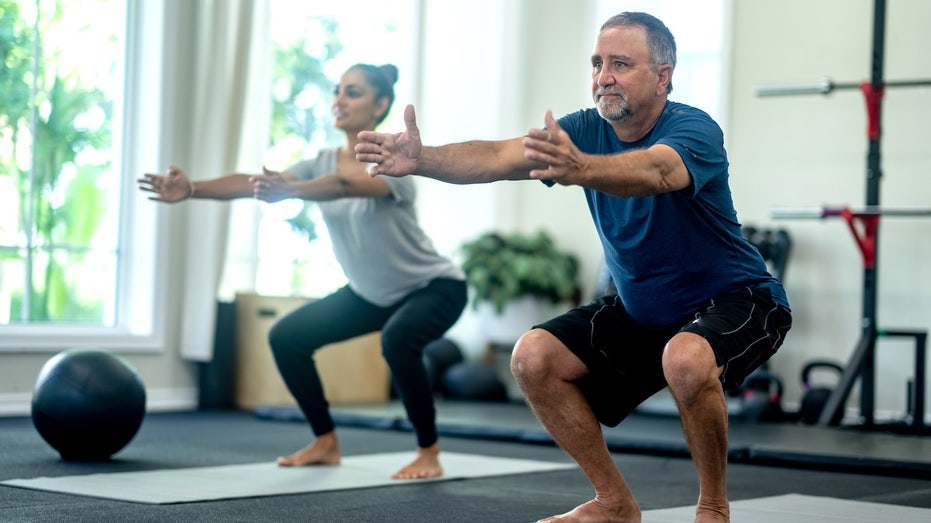
A yearlong exercise program improved physical function among adults aged over 70, but the benefits varied considerably between individuals. A study conducted at the University of Jyväskylä highlights that the success of exercise interventions should not be evaluated using a single outcome measure, as positive changes may occur in different aspects of physical function.
Results for “training session”
Think about the last time you stood up from a chair or lifted a heavy shopping bag from the floor. These movements might feel automatic, but they take a surprising amount of coordination between your brain and your muscles.
For many runners, socks may seem less important than shoes, insoles or training devices. However, as the layer in direct contact with the skin, running socks play an essential role in comfort, impact protection and injury prevention.
Along with focusing on diet and exercise, health and wellness resorts across the country are now catering to the millions of people using GLP-1 weight loss drugs like Ozempic, Zepbound, Wegovy and Mounjaro. The programs include cooking lessons, guided strength-training sessions, and health counseling about those weight loss medicines. NBC’s Vicky Nguyen reports for TODAY.
A new study shows that regular physical exercise can enhance the effectiveness of cognitive behavioral therapy (CBT) for mild to moderate depression. The international clinical trial, published in the journal Mental Health and Physical Activity, demonstrated that 12 weeks of prior training improved patients' cardiorespiratory fitness, resulting in significant gains in memory and learning during the psychotherapy phase.
Expanding attention-deficit/hyperactivity disorder (ADHD) care to general practitioners (GPs) should be matched with additional training and Medicare support, University of Queensland research has found.
Integrating artificial intelligence (AI) into neuroscience is changing how scientists engage with data, improving our understanding of the brain and leading to better ways of training computational models. The findings will be presented at Neuroscience 2026, the annual meeting of the Society for Neuroscience.
Dance training can influence how we perceive not only movement but also everyday emotional expressions, according to new research from the Centre for Cognition and Neuroscience at City St George's, University of London.
Artificial intelligence can help identify cells in digital pathology images, but densely packed tissue remains a challenge: neighboring cells may be merged, counted twice or missed entirely. Researchers at Koç University have developed a training strategy that improves detection by teaching AI to consider how cells are arranged within the tissue.
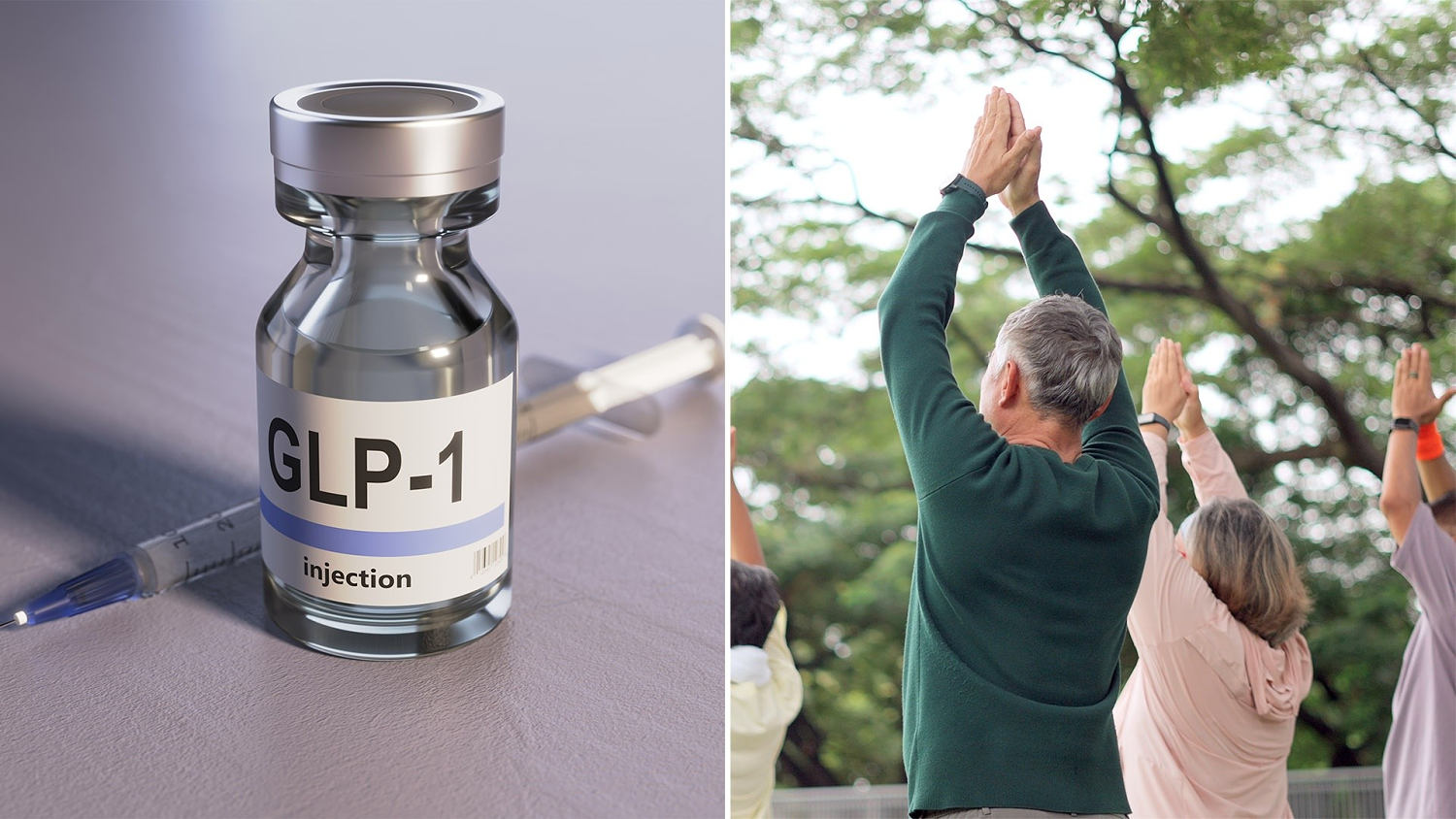
A study has revealed that resistance (weight) training not only preserves lean and muscle mass but also increases strength in people taking weight-loss medication. Published in Nature Medicine, the Tirzepatide and Resistance Exercise (T-REx) study is the first to show the effects of combining a GLP-1 medicine and resistance training on body composition, muscle mass, strength and a range of cardiovascular health measures.
Gary Brecka says just six minutes of daily resistance training can help protect lean body mass during Ozempic and Wegovy weight loss journeys.
A new study found survival after sudden cardiac arrest didn’t improve with advance training of responders — but researchers aren't ready to shut the door on the possibility.
Two Tulane University sophomores told Fox News Digital about how they found a previously unknown muscle in the hip during a cadaver lab session that even their professor couldn't identify.
Before Democrats take control, Congress must fund expiring health care programs, confirm HHS nominees
Developing reliable machine learning models for health care can be challenging when only small datasets are available. This challenge motivates research into whether quantum computing approaches can learn useful patterns from limited symptom and risk-factor data.
Excessive physical exercise affects more than just the muscles; it can also alter brain chemistry. A new study published in the journal Neuroscience reveals that exhaustive training without adequate rest alters the regulation of dopamine in the hippocampus, a brain region closely linked to memory and the regulation of emotions.
A low-calorie diet paired with resistance training helped participants lose 18.5 pounds without shedding muscle, according to a new Lancet study.
Isometric exercise training like home wall squats produced significant blood pressure drops, but a cardiologist says dietary change may matter even more.