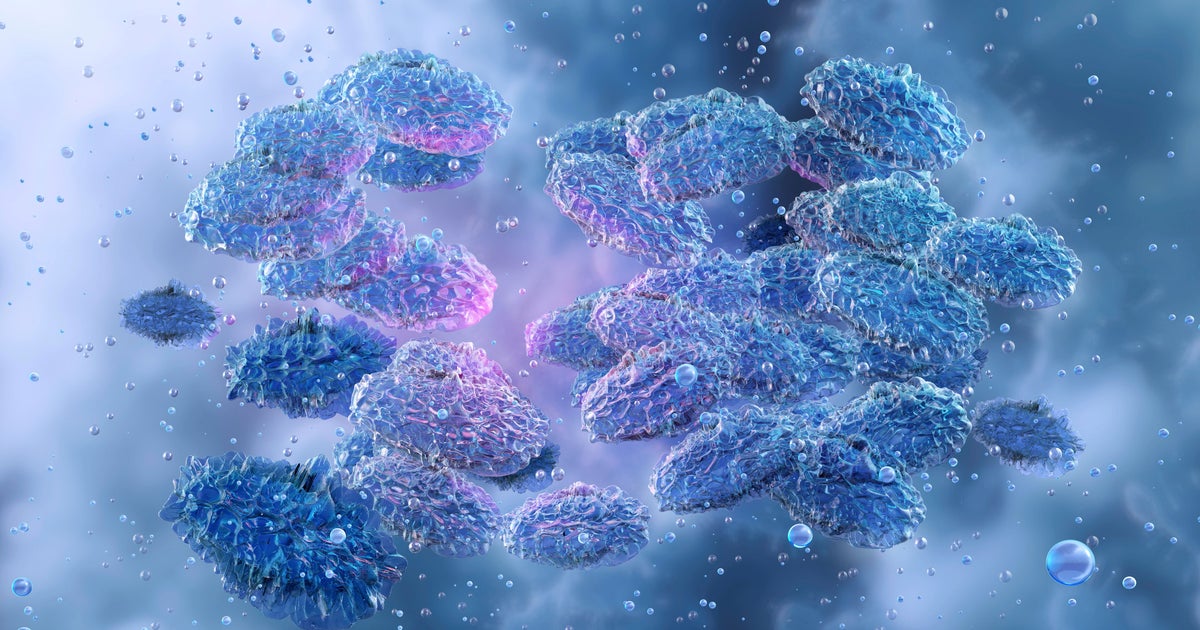
Researchers at King Abdullah University of Science and Technology (KAUST) and King Faisal Specialist Hospital and Research Center (KFSHRC) identify a previously unknown cause of a fatal newborn brain disorder, giving long-awaited answers to families whose children were affected by the disease.
Results for “unknown soldier”
Researchers at Karolinska Institutet and their collaborators have identified two previously unknown forms of the protein amyloid-beta that may contribute to the development of Alzheimer's. The study, published in Nature Communications, also shows that a protein previously discovered by the researchers can counteract the formation of these harmful forms, suggesting a potential new treatment approach.
A multi-institutional collaborative study led by researchers at the University of Chicago and the Fred Hutchinson Cancer Center has identified a previously unknown biological mechanism that controls cell identity and treatment resistance in advanced prostate cancer.
Novartis has acknowledged seven previously unknown instances in which tumors were found in children who were treated with its spinal muscular atrophy therapy, Zolgensma.
Two Tulane University sophomores told Fox News Digital about how they found a previously unknown muscle in the hip during a cadaver lab session that even their professor couldn't identify.
Researchers at the Centro Nacional de Investigaciones Cardiovasculares Carlos III (CNIC), together with international collaborators, have uncovered previously unknown mechanisms that allow blood vessels to grow even in the absence of VEGF–VEGFR2 signaling, one of the best-known and most widely targeted pathways in clinical efforts to block tumor angiogenesis, growth and metastasis.
A previously unknown mechanism helps cancer cells selectively produce proteins that drive tumor growth—such as KRAS—in common cancers, according to new research from The University of Texas MD Anderson Cancer Center. The findings reveal that targeting a specific enzyme may improve responses to targeted therapies and help overcome treatment resistance.
A Russian plague lab worker died of "pneumonia of unknown origin," officials say, in response to initial reports that she was exposed to the deadly bacteria during a lab accident.