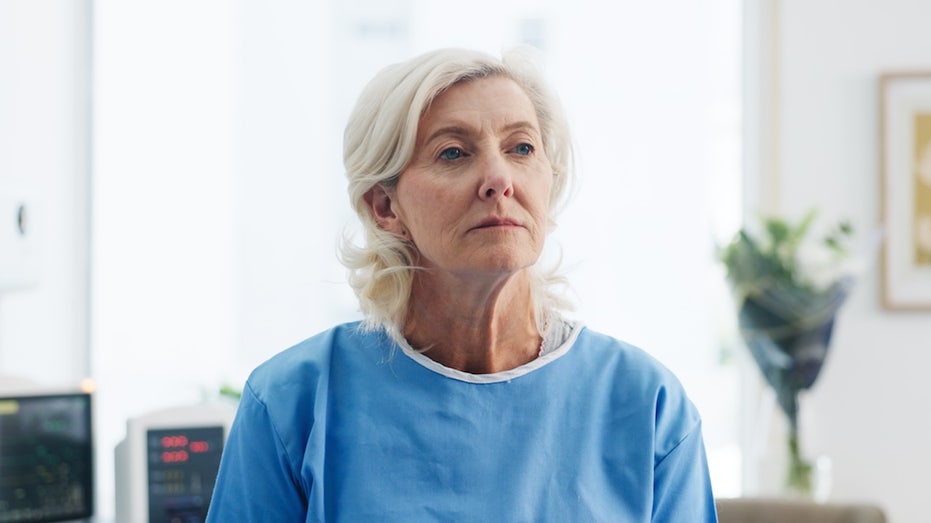
Older female influencers are using social media to challenge long-held assumptions about women and aging, according to new research from Durham University Business School.
Results for “women champions”
Research from the University of Cincinnati College of Medicine suggests a specific stress hormone pattern may signal vulnerability to post-traumatic stress disorder—at least in female animal models—and could help explain why women are diagnosed with PTSD at roughly twice the rate of men.
Chemotherapy helps many women survive breast cancer, but new research suggests that chemotherapy may also accelerate biological aging beyond chronological age and increase the risk of earlier death from other causes. The findings point to a need to explore whether interventions to slow or reverse biological aging could improve long-term health for breast cancer survivors.
They're the blockbuster drugs transforming weight loss, helping millions of people to shed unwanted kilograms. But while medications such as Ozempic and Wegovy may also improve women's chances of becoming pregnant, what happens to their unborn babies if they continue to take the drugs during pregnancy?
Sleep disturbances affect up to 60% of people after primary cancer treatment, and they are often waved away as the price of treatment, or of age. For older men in particular, science has had little to offer. Most research on behavioral treatments for insomnia has studied women with breast cancer.
A retrospective, active-comparator cohort study found that doxycycline use for respiratory tract infections or acne during early pregnancy was associated with an increased risk for pregnancy loss. Given the frequent use of doxycycline by women of childbearing age, these findings underscore the importance of both clinicians and patients weighing the benefits and risks when considering treatment with doxycycline. The findings are published in Annals of Internal Medicine.
It might sound like the start of an off-color joke—if a man and a woman were each shot and killed in separate homicides, where is the most likely place they would be found?—but the answer to the question is anything but funny.
In a new thesis, Mattias Hammarström studied whether lower doses of tamoxifen and also its active metabolite endoxifen for direct administration, as a preventive medication could reduce side effects while still affecting breast tissue in healthy women. The findings suggest that lower doses of tamoxifen and a low dose of endoxifen may offer a better balance between biological effects and side effects, potentially contributing to more individualized approaches to breast cancer prevention.
People with alcohol-associated liver disease who received a liver transplant survived years longer than those who did not, but there are disparities in which patients receive a transplant. A large study published in Alcohol: Clinical and Experimental Research found that liver transplantation was associated with significantly longer survival in both the short term and longer term. Yet, women and African Americans had lower odds of receiving a transplant, even though neither group had a higher risk of death than men or white patients.
Women who consume four or more alcoholic drinks on a single occasion once a month or more have increased odds of advanced liver fibrosis, a new study suggests. Steatotic liver disease (SLD)—formerly known as fatty liver disease—includes several liver conditions linked to alcohol consumption and/or metabolic dysfunction. SLD phenotypes are identified based partly on daily or weekly alcohol intake. Although research has linked heavy episodic (binge) drinking to increased risk for certain liver conditions and liver-related death, its role in SLD is undefined.
Men and women have been searching for cures for baldness for thousands of years. Early remedies, such as ancient animal fat potions, rarely succeeded as far as we know, but modern-day treatments like minoxidil solutions, finasteride tablets and hair transplants all have varying degrees of success. Now researchers have developed a new comb-like device that has produced impressive hair growth results in mice.
Autism spectrum disorder (ASD) and attention-deficit/hyperactivity disorder (ADHD) are increasingly diagnosed in Japan, and the rise is no longer limited to children. National data show that adult ADHD diagnoses have overtaken ASD diagnoses, while young adult women have experienced a distinct increase. These trends may reflect greater awareness and changing diagnostic practices, rather than increased prevalence.
UCLA researchers found occasional male cannabis users reported stronger effects like anxiety and elevated heart rate than women with similar THC levels.
The unit will care for women with serious mental health needs in Kent and Medway.
From bereavement to stillbirth, more women are finding release in rage rooms from Bath to Swindon.
A charity says women should not have to choose between work and health because of endometriosis.
By listening to the Holy Spirit, Heidi Matzke, executive director of the Alternatives Pregnancy Center, said her clinic helps women embrace the gender they were given by God.
Women are calling for more support to deal with menopause caused by their cancer treatment.
An AI assistant that conducts telephone consultations with patients is being trialed in the NHS to help clinicians monitor people with long-term illness. In the trial phase, the virtual assistant, called Dora Care, is designed to deliver safe and empathetic phone calls for people with osteoporosis—a bone-weakening condition that affects 3.5 million people in the U.K., particularly women and those over 50.
How will the midterm results affect drug pricing policy? And why are women traveling to fertility clinics abroad? Find out on the new episode of "The Readout LOUD" podcast.
Men who use cannabis occasionally reacted more strongly to smoked cannabis than women with similar use habits, even though the amount of THC in their blood was about the same, according to a new study from UCLA Health. The findings run counter to earlier research suggesting that women are more sensitive to cannabis.
A new study is shedding light on how changes associated with different neurodegenerative diseases can overlap in the brain—and how that overlap may differ between women and men.
“For AI to achieve its full potential in women’s health, medical records need to tell the complete story,” experts write.
New findings from a study of women who have gone through menopause suggest that those living in areas with higher estimated indoor radon levels may be at higher risk of heart failure. The study, published in JAMA Network Open, was led by researchers at the UNC Gillings School of Global Public Health and adds the newest evidence that radon exposure may pose a significant risk to heart health among aging women.
Women with higher blood levels of two common per- and polyfluoroalkyl substances, also familiarly known as PFAS, were more likely to develop estrogen receptor-negative, or ER-negative, breast cancer, according to a new study by the National Institutes of Health (NIH), part of the U.S. Department of Health and Human Services (HHS). PFAS are a large group of chemicals used in common consumer products. Often referred to as "forever chemicals," PFAS do not break down easily in the environment and can remain in the body for years.
Cannabis use is associated with increased odds of atherosclerotic cardiovascular disease (ASCVD) in specific subgroups, including never-smokers, women and young adults without traditional risk factors, according to a study presented at the American Heart Association Scientific Sessions 2026, held from Nov. 6 to 9 in Chicago.
A study by MELISA Institute, published in Scientific Reports, shows how researchers can track thousands of proteins in cervicovaginal fluid over seven consecutive days. By analyzing samples collected daily from the same women, the team could compare how well two workflows detected changes in protein abundance.
A study in Norway has identified a link between a mother's vitamin A levels and her baby's birth weight. The study shows that over 43% of the women had low vitamin A levels during the latter part of their pregnancy. While almost no one had levels classified as a severe vitamin A deficiency, two out of five had insufficient levels. The study examined 723 women who experienced entirely normal pregnancies.
Women with the inherited cholesterol condition familial hypercholesterolemia may be at a slightly higher risk of developing preeclampsia, a pregnancy condition that can cause serious complications, according to a new study in the European Journal of Preventive Cardiology.
Women who have undergone a double mastectomy to treat ductal carcinoma in situ (DCIS), a noninvasive form of breast cancer also known as stage 0 breast cancer, may not benefit from routine mammograms or other breast imaging after surgery, according to a new study led by investigators at the UCLA Health Jonsson Comprehensive Cancer Center.
Women who had a longer reproductive period and had used or are using hormone replacement therapy showed fewer signs of damage to the small blood vessels in the brain later in life. This is shown by a study led by researchers at Karolinska Institutet, published in the journal Neurology.
Pregnant women with undiagnosed anxiety could benefit from a new digital therapy, according to a clinical trial led by King's College London. Published in JAMA Network Open, the results from the REducing Levels of AnXiety (RELAX) study have shown that self-led digital therapy significantly reduced participants' pre- and post-birth anxiety compared with participants who received usual care.
Combining HPV testing with artificial intelligence–based image analysis has shown efficacy in detecting precancerous lesions and guiding treatment decisions, according to a study led by the Barcelona Institute for Global Health (ISGlobal). The research, conducted within the HPV-Automated Visual Evaluation (PAVE) Consortium across nine countries, has been published in The Lancet Obstetrics, Gynaecology & Women's Health.
New research presented at TCT 2026 found similar short-term outcomes in women and men with intermediate-risk pulmonary embolism (PE) after aspiration thrombectomy, a catheter-based procedure to remove blood clots from arteries in the lungs, despite higher pretreatment risk among women. The results were simultaneously published in JSCAI.
Pregnant patients receiving medication to treat opioid use disorder should not reduce their medication dose out of fear that it will worsen withdrawal symptoms in their newborns, according to a new study led by researchers at the University of Maryland School of Medicine (UMSOM).
Inside the global fertility industry using women as "guinea pigs":
Women with chronic hypertension (high blood pressure before pregnancy or diagnosed before 20 weeks of pregnancy) had a 30% higher risk of having a baby with critical congenital heart disease, the most severe form of heart defects, when compared to women with normal blood pressure before and during pregnancy, according to new independent, preliminary research presented at the American Heart Association's Scientific Sessions 2026, held Nov. 6–9 in Chicago.
As daily temperatures climbed above 90 degrees Fahrenheit (F) (32 degrees Celsius) across the U.S., so did the rate of out-of-hospital (OHCA) cardiac arrest admissions to hospitals' intensive care units (ICUs). However, the heat didn't appear to affect the overall outcomes of people admitted for cardiac arrest during heat waves compared with other times, according to new, independent, preliminary research to be presented at the American Heart Association's Resuscitation Science Symposium 2026.
Women can be safely treated for many cancers during pregnancy, a maternal fetal medicine specialist writes.
Pioneering IVF technique to reduce the risk of children inheriting mitochondrial diseases is being marketed as a fertility procedure for older women, despite little evidence it works.
Contemporary hormone replacement therapy (HRT) was not associated with an increased risk of heart attack, stroke, blood clots or death among women ages 45 to 59, according to a large, long-term study of more than 52,000 women in Israel. The findings from this independent, preliminary research will be presented at the American Heart Association's Scientific Sessions 2026. The meeting is Nov. 6–9 in Chicago.
Two women from Wales are among the growing number of people having lip filler after cleft lip and palate surgery.
A study of 6,000+ postmenopausal women links testosterone therapy to higher rates of heart attack, stroke and heart failure in new research.
The Happy Mums Foundation supports women experiencing postpartum mental health challenges.
For the first time in a dozen years, a leading OB-GYN group has updated its guidance on managing hot flashes, night sweats, sleep changes and other disruptive symptoms that often come along with menopause
A simple vaginal swab may one day help women with abnormal bleeding learn whether they have endometrial cancer without first going through a painful biopsy.
Up to three-quarters of all women will experience a genital yeast infection at least once in their lives. Recurrent infections, in particular, can significantly impair quality of life. The typical symptoms—such as itching, burning, and pain—are caused not only by the yeast Candida albicans, but, more importantly, by an excessive immune response. But why is the immune reaction in these cases so intense and persistent? An international research team led by the Leibniz-HKI has now uncovered how the host protein albumin fuels the inflammatory cascade while simultaneously shielding the fungal pathogen from the immune system. The findings have been published in Nature Communications.
There is not enough evidence to determine whether testosterone helps with thinking and memory in midlife women, even though it is often prescribed in the UK, according to a UCL study.
A new series in The Lancet argues for the need to investigate a paradox of men’s health: why men experience worse health outcomes than women, even though they hold undeniable…
When Congress cut Medicaid benefits for refugees who are in the U.S. legally, most states allowed them to continue for children and pregnant women. Arizona and 10 others did not.