At a manufacturing plant near Salt Lake City with a big American flag on the wall and work stations crammed with tools and parts, dronemaker Vector Defense Inc. is in expansion mode.
Results for “wall street”
In its push to clear out people who live on the street and are mentally ill, the Trump administration is targeting legal protections that cover a much bigger population.
This week, a special edition of Wall Street Week as Americans head to the polls for midterm elections. Could affordability decide who controls Congress? And, voters may not agree on AI but opposition to new data centers is cutting across party lines. Plus, America’s growing debt burden is pushing up borrowing costs for the government and potentially thousands of dollars onto household finances. Later, are voters rejecting capitalism or simply looking for better solutions to rising costs? (Source: Bloomberg)
The people, companies and trends shaping the global economy. Watch Carol and Tim LIVE every day on YouTube: http://bit.ly/3vTiACF Wall Street got a reality check as a bruising selloff in technology shares fueled concern the artificial-intelligence frenzy that has powered the equity bull market might be overblown. Disappointing tech results spurred the worst drop for stocks since June, with the Nasdaq 100 briefly crossing the threshold of a technical correction. The index sank 3.5% Friday. On today's episode: Kristine Aquino, Bloomberg News Markets Live Blog Managing Editor Jeff Sprecher, Intercontinental Exchange CEO Muyao Shen, Bloomberg News Crypto Reporter Dan Sheridan, Brooks Running CEO (Source: Bloomberg)
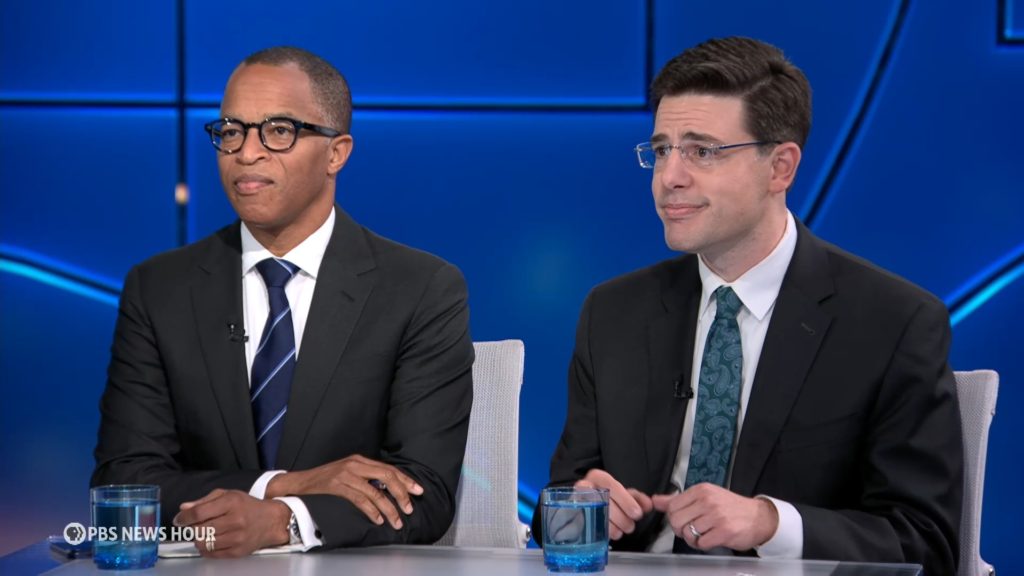
Jonathan Capehart of MS NOW and Wall Street Journal opinion columnist Matthew Continetti join Amna Nawaz to discuss the week in politics, including the last week of the midterm campaigns, predictions on which party will control Congress and the closing messages from President Trump and candidates.
The Close brings you the latest news and analysis leading up to the final minutes and seconds before and after the closing bell on Wall Street. Today's guests are Wolfe Research Managing Director, Internet Equity Research Shweta Khajuria, Illumina CEO Jacob Thaysen, FuelCell Energy President & CEO Jason Few, Burger King US & Canada President Tom Curtis, Big3 CEO & Co-Founder Ice Cube, Citi Head of US Equity Strategy Scott Chronert, Man Group Chief Market Strategist Kristina Hooper, BTIG Chief Market Technician Jonathan Krinsky, New Balance President & CEO Joe Preston, PacSun CEO Briane Olson, & Muhammad Ali’s Wife Lonnie Ali & Authentic President of Entertainment Marc Rosen. (Source: Bloomberg)
Wall Street got a reality check as a bruising selloff in technology shares fueled concern the artificial-intelligence frenzy that has powered the equity bull market might be overblown. Disappointing tech results spurred the worst drop for stocks since June, with the Nasdaq 100 falling 3.5% and briefly crossing the threshold of a technical correction. Bloomberg News US Semiconductor Reporter Ian King, Bloomberg News Technology Reporter Matt Day and Bloomberg Intelligence Senior Technology Analyst Anurag Rana join to recap Intel and Amazon earnings. Plus, Jeff Sprecher, Intercontinental Exchange CEO joins to discuss the company's deal with Hyperliquid to bring perpetual futures products into US markets. Then, Bloomberg News Senior Equities Editor Eric Weiner helps dissect today's major selloff. Finally, Brooks Running CEO Dan Sheridan joins ahead of the New York City Marathon to discuss the shoe company's market share and customer demand. (Source: Bloomberg)
Two members of the family suffered life-altering injuries
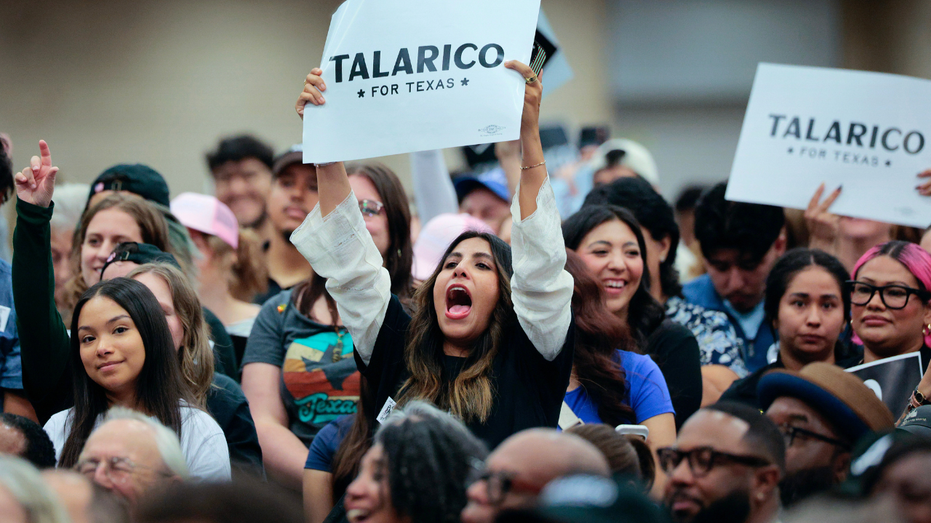
James Talarico raised over $146 million for the Texas Senate race while Elon Musk bankrolled more than $200 million in outside support for Paxton.
The Big Bend Sector includes 517 miles of the 1,254-mile Texas-Mexico border, and construction was ongoing there until federal District Court Judge Kathleen Cardone ordered a halt earlier this month.
Wall Street expects Democrats to win at least one of the houses of Congress in the US midterm elections on Tuesday, setting the stage for a potentially volatile ride in the stock and bond markets with artificial intelligence oversight, defense spending and crypto legislation on the table.
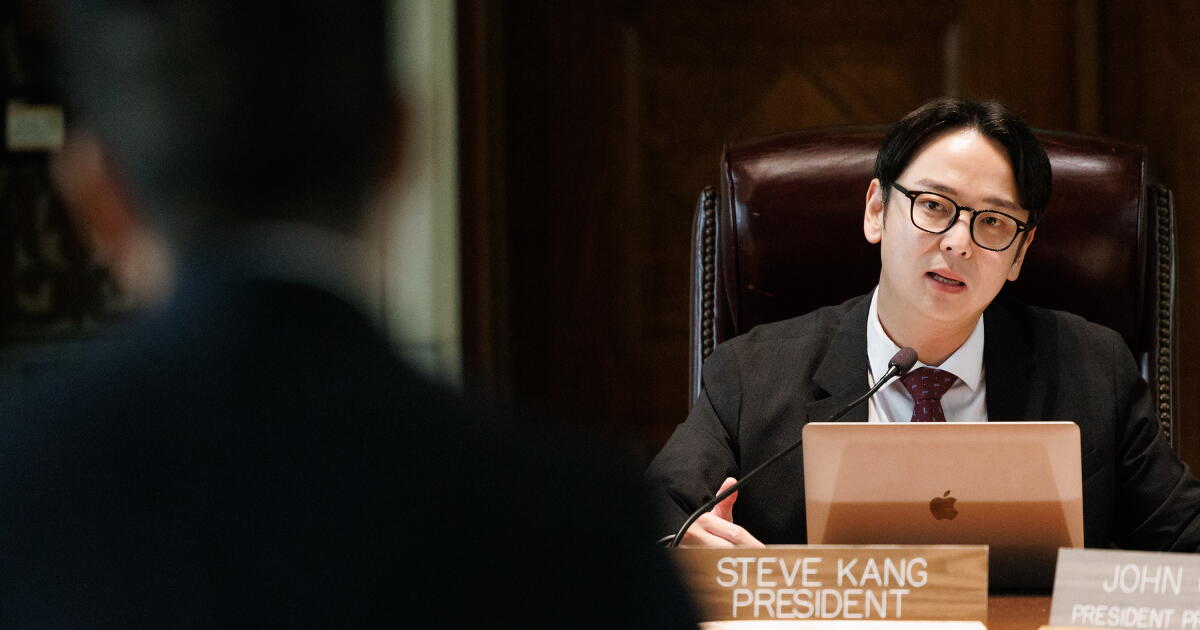
The five Public Works board members are appointed by the mayor and earn about $200,000 a year. They oversee more than 5,500 city employees working in sanitation, street repairs, sewer systems and more.
The near-daily missions to protect ships have allowed the U.S. to hold the line in a conflict that has dragged on since February and threatened access to the world’s oil supplies.
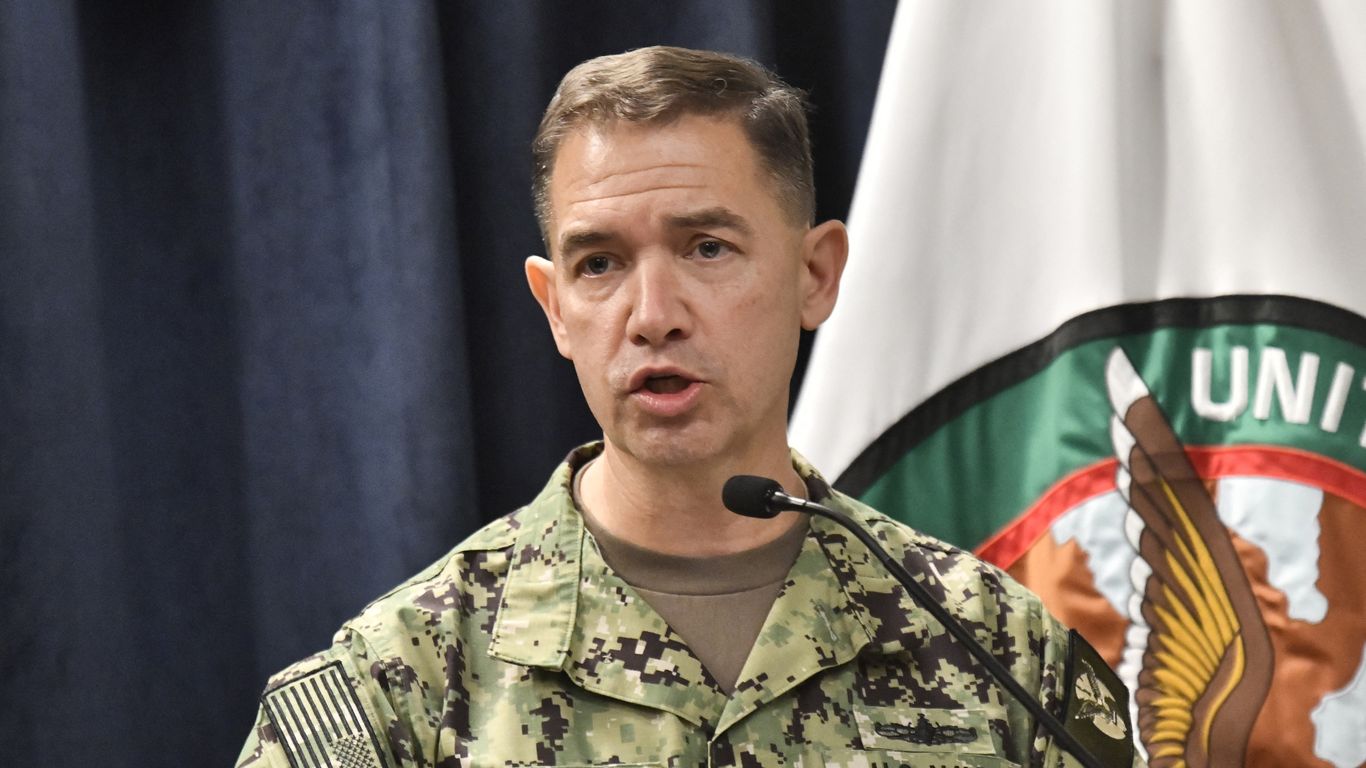
U.S. Central Command chief Adm. Brad Cooper, the commander of forces in the Middle East, briefed President Trump Thursday on the state of the Iran war, with a focus on the ongoing naval blockade , according to two U.S. officials. Why it matters: As he did before Operation Midnight Hammer in June 2025 and Operation Epic Fury in February, Trump is pursuing dual tracks — trying to reach a deal to restart peace talks while also preparing for a possible resumption of major combat operations after the midterms. Behind the scenes: Trump wanted to hear directly from the CENTCOM head on whether the naval blockade is working, the U.S. officials said. Cooper also briefed Trump on the military operation for guiding oil tankers out of the Strait of Hormuz to global energy markets. And he updated Trump on the economic pressure campaign the military is conducting in concert with the Treasury Department. Defense Secretary Pete Hegseth, Treasury Secretary Scott Bessent, Chairman of the Joint Chiefs of Staff Gen. Dan Caine, White House envoy Steve Witkoff and other senior officials also attended the meeting, the officials said. The White House and CENTCOM declined to comment. The Wall Street Journal first reported the meeting. Driving the news: A group of regional mediators led by Qatar is trying to get the U.S. and Iran to head off a resumption of war after the midterms in favor of negotiations. "The mediation is at a very sensitive stage," a regional source said. Qatari mediators recently delivered a letter from Vice President Vance to Iran's Secretary of the Supreme National Security Council, Gen. Mohsen Rezaei. Vance proposed restarting negotiations but stressed that any talks would have to address Iran's nuclear program. Trump and Vance met Wednesday to discuss a possible gesture of goodwill toward Iran, such as sending humanitarian goods like food and medicine, according to a source with knowledge. Later in the day, Trump publicly backed the idea. What they're saying: U.S. Amba
Vice President Vance sent a letter to Iran's national security chief stressing that any negotiations to head off U.S. military strikes "require discussions on the nuclear issue," a U.S. official said. Why it matters: The letter to Mohsen Rezaei, which focused on the possibility of restarting negotiations between the U.S. and Iran, is the most senior-level outreach by the U.S. to Iran in several months. It comes as President Trump considers resuming major combat operations in Iran after the midterm elections. Behind the scenes: Vance suggested sending the letter to Rezaei, who is one of the top national security officials in Iran and has a direct line to Supreme Leader Mojtaba Khamenei. "The President was enthusiastic about the letter," said the U.S. official, who declined to say when it was sent. The Wall Street Journal first reported the letter. Zoom out: One of the key sticking points in efforts to relaunch negotiations is Iran's demand that the U.S. first lift its naval blockade, release frozen funds, and allow oil sales. The U.S. wants Iran to restart nuclear negotiations before receiving any sanctions relief. What he's saying: Trump told reporters Wednesday that Vance's letter was about helping Iran obtain needed medical supplies. "Basically, it's getting supplies in to help people that are not well," he said.
Top Democrats poised for powerful roles next year are demanding that major banks and ports preserve any records they have tied to potential imports or other deals involving Russian diesel . Why it matters: Probing President Trump's agreement with Moscow will be a priority if Democrats regain control of either or both chambers of Congress. The new demand shows that inquiries will extend beyond the White House and into C-suites. Driving the news: "[A]ny importation of Russian diesel into the U.S. raises significant legal questions and may be subject to legal action, as well as congressional investigations," a new letter obtained by Axios states. It's signed by Sens. Chris Coons (D-Del.), Elizabeth Warren (D-Mass.), Ron Wyden (D-Ore.), and Sheldon Whitehouse (D-R.I.). They're in line to lead the powerful Foreign Relations, Banking, Finance and Judiciary Committees, respectively, if Democrats regain the Senate. Rep. Greg Meeks (D-N.Y.), who's in line for the Foreign Affairs Committee gavel if House control changes, also signed. It's led by Sen. Jeanne Shaheen (D-N.H.), the top Foreign Relations Democrat who is not seeking reelection. Sen. Thom Tillis (R-N.C.), who is also retiring, signed as well. State of play: The Wall Street recipients of Saturday's letter are J.P. Morgan, Bank of America, Citi, Wells Fargo, Goldman Sachs and Morgan Stanley. The same letter went to port authorities for the ports of Houston, Beaumont, and Corpus Christi, Texas, and New York/New Jersey. Catch up quick: Earlier this month Trump claimed an agreement to bring escalating Russian exports to global and U.S. markets, and the Treasury Department waived sanctions to help enable it. Friction point: The lawmakers and other critics say it runs afoul of a bipartisan 2022 law barring imports of Russian oil, gas, and petroleum products. "The potential arrangement to import Russian diesel also raises significant national security concerns, given that it would finance Russia's brutal and illegal war ag
Senate Republicans are weighing three last-ditch spending moves that would have been unimaginable six months ago: a cash infusion for Mississippi and even more money for South Carolina and Kansas. Why it matters: It's been 94 years since Kansas elected a Democratic senator, 44 years for Mississippi and 28 for South Carolina. But panic is spreading through the Republican Party. "The wall has broken. The enemy is inside the fort," one national Republican political operative told Axios. "We are now fighting hand to hand." The Senate map, which once looked impregnable for Senate Majority Leader John Thune (R-S.D.), is now full of vulnerabilities. Democratic challengers are polling within the margin of error in more than half a dozen deep-red states, according to internal GOP polls. The other side: "We're nervous about Alaska. We're nervous about Michigan. We're still going to hold the Senate at the end," said another operative. Zoom in: Two weeks ago, when Senate Leadership Fund decided to take out a $5 million "insurance policy" in South Carolina, operatives took a hard look at Idaho, South Dakota and Mississippi. At the time, they concluded they didn't need to spend any money in those states, according to a person familiar with the matter. But Senate Republicans are now reviewing the Mississippi race and may need to spend there to protect Sen. Cindy Hyde-Smith from a surprisingly competitive bid by Democratic district attorney Scott Colom . Senate Majority PAC, the main super PAC for Senate Democrats, announced a $1.2 million investment in the race on Tuesday. Zoom out: In early June, SLF started to reinforce a Midwestern red wall to protect the GOP majority, reserving $28 million in TV advertising in Ohio and $11 million in Iowa . Those investments have ballooned to $93 million in Ohio and $53 million in Iowa. After an initial $5 million buy in South Carolina, SLF's spending has increased to $8.5 million, according to AdImpact. And a super PAC linked to Sen. John Bar