How will we eat in 2050? Will AI-generated, personalized nutrition programs suggest we eat edible insects and drink a glass of synthetic milk for dinner?
Results for “ai-generated music”
An AI-generated solution of the 167-year-old problem, long considered far out of reach to human mathematicians, would cap off the technology’s year-long conquest of math in spectacular fashion
Large, complex genomes remain difficult to characterize accurately, even with modern DNA sequencing. Researchers at Chalmers University of Technology have now extended an optical genome mapping approach, previously demonstrated for bacterial genomes, to more complex eukaryotic genomes. Using two yeast species, they generated optical maps covering entire chromosomes, including large repetitive regions that are particularly difficult to reconstruct.
Men outnumber women by four to one among performers booked at live music venues, but a new study by the University of Portsmouth has found no evidence that audiences systematically prefer male singing voices.
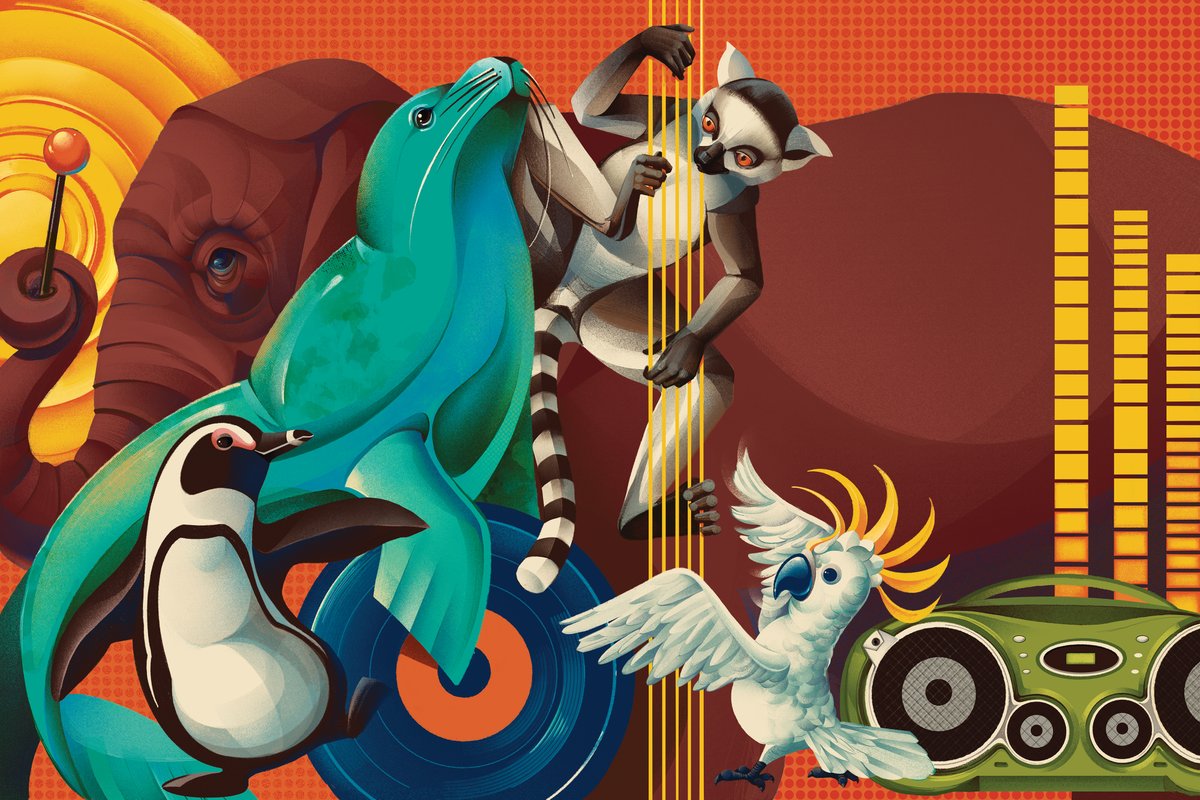
Sea lions and cockatoos, among other creatures, reveal surprising clues about the evolution of music
In a study published in Optical Fiber Technology, researchers from the Changchun Institute of Optics, Fine Mechanics and Physics of the Chinese Academy of Sciences have developed a new method to control multi-pulse generation in a 1972-nm mode-locked fiber laser. By applying external mechanical modulation to the optical fiber, the researchers generated multiple adjustable pulse patterns without increasing the pump power. This offers a simpler and more flexible approach to controlling ultrafast laser output.
Australian political parties are turning to AI "ensloppification" to win votes. We've seen One Nation post AI-generated, race-based Facebook clips attacking migration. Labor has shared a Halloween-themed reel using a cloned voice to claim Victorian Liberal leader Jess Wilson wants "Americanized" health care.
Just one atom thick, graphene is the thinnest and strongest material ever measured. It can also conduct electricity and heat extremely well. These remarkable properties have generated interest in using graphene in everything from solar cells and batteries to water filters and sensors. Turning those possibilities into practical technologies, however, requires scientists to understand how changes to graphene's structure affect the way it behaves.
There's a doomsday scenario where university students hand in work generated by artificial intelligence (AI), which is then graded by AI and university assessment no longer involves any humans at all.
The increasing use of content generated using artificial intelligence (AI) tools in university humanities classrooms is challenging what we think of as traditional academic integrity, intellectual responsibility and the authority of teachers, according to research in the International Journal of Innovation and Sustainable Development.
People living on the moon may seem like science fiction, but major U.S. labs and agencies are actively working toward building lunar habitats. Making those habitats livable will require solutions for extreme temperatures, limited resources and the handling of waste generated by long-term human missions.
The company’s appointed team of experts has verified and released the groundbreaking AI-generated proof, which validates bedrock assumptions of the Standard Model of particle physics
The pressure to maintain an atmosphere of fun and escapism can make it harder for festival organizations to acknowledge and respond to harm, while frontline workers are left dealing with its consequences, a new study finds.
Health care researchers have long sought to harness the power of computing to design molecules that bind to specific receptors and can be used as targeted treatments for diseases. Even with the increasing sophistication of artificial intelligence, however, this technological promise has yet to be realized.
An infrared signal thought to reveal how molecules in perovskite solar materials respond to light-generated charges can arise largely from the way light travels through the thin film itself, a new theoretical study shows. Jun Nishida, assistant professor at the Institute for Molecular Science (IMS), Japan, found that light-generated charges alter how infrared light is reflected and transmitted within the film layers, producing sharp features that resemble changes in molecular vibrations even when the vibrations themselves are unaltered.
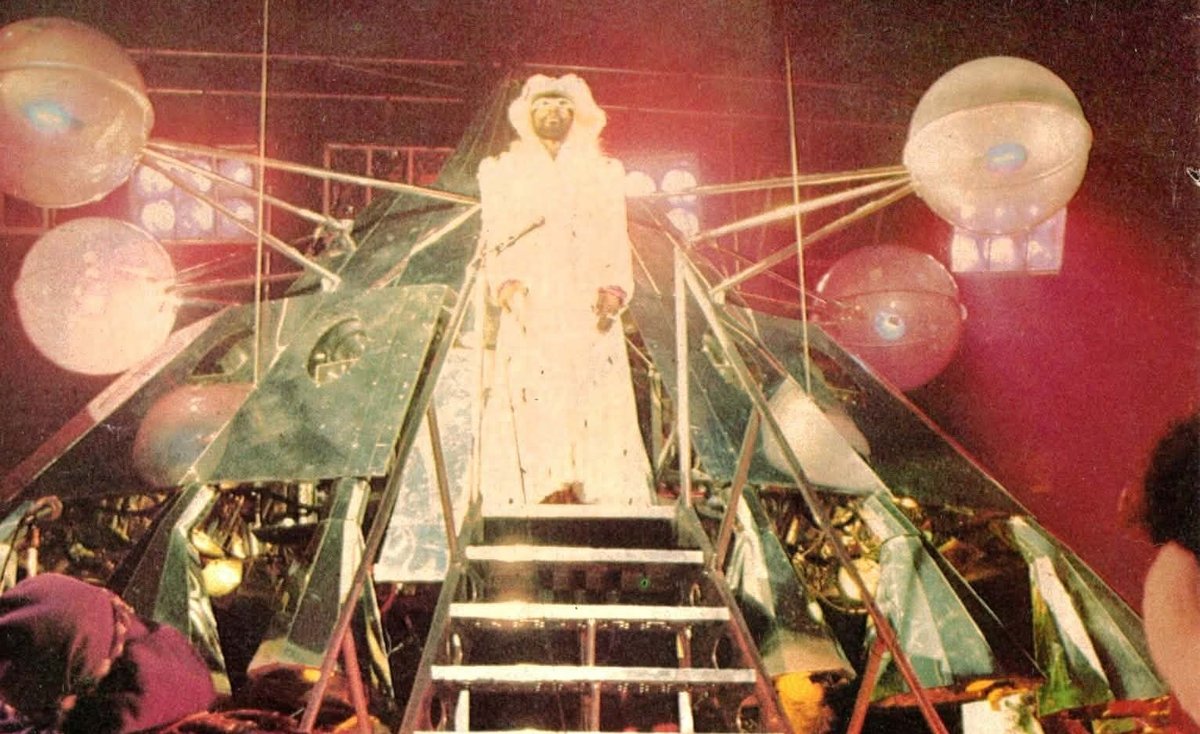
Fifty years after its spectacular debut, George Clinton’s smoke-spewing spaceship remains a marvel of live-music technology and Afrofuturist imagination
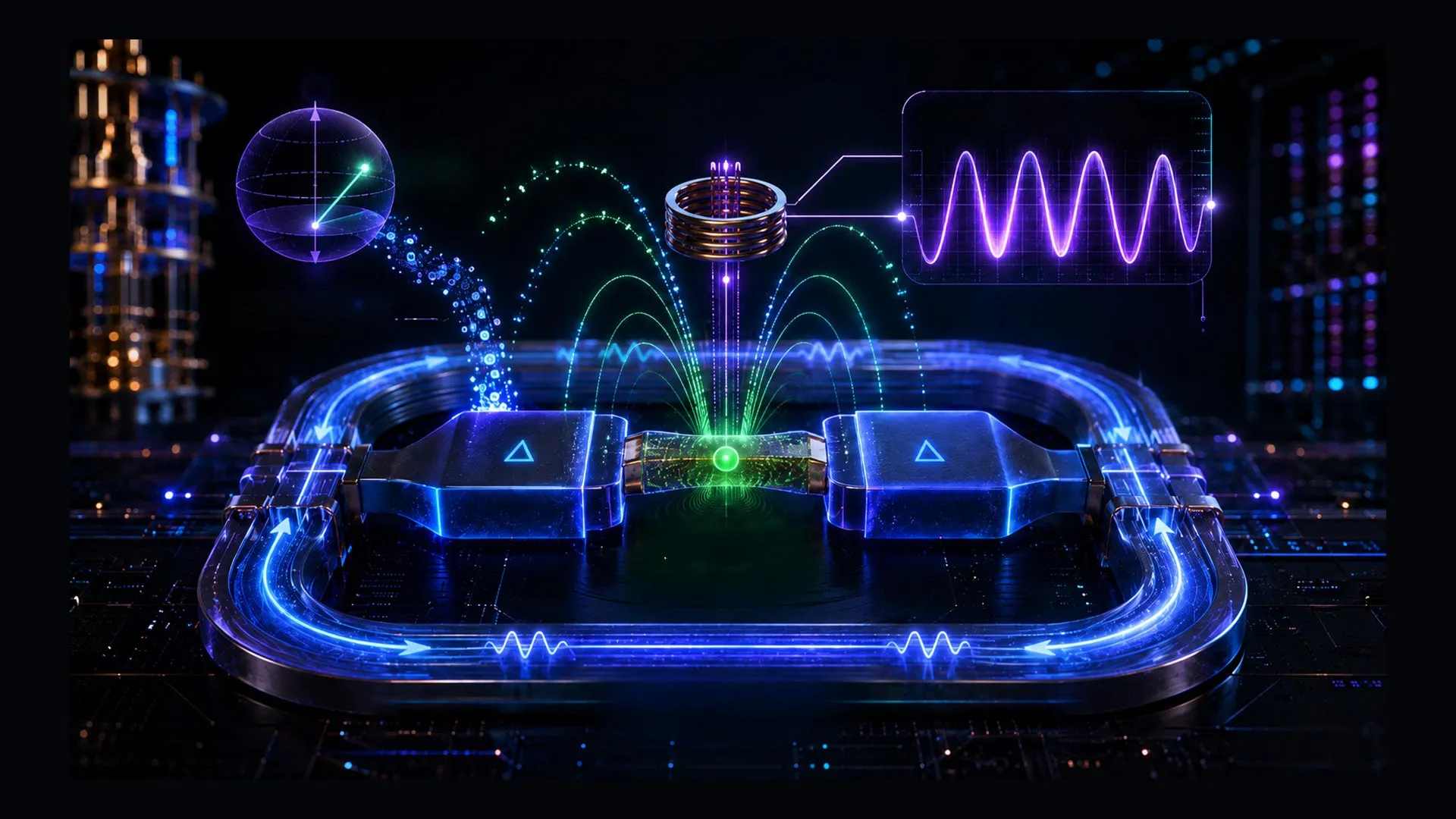
Researchers have proposed a breakthrough technique for reading quantum information without destroying the delicate states that make quantum computers work. By detecting an electrical signal generated by the qubit itself, their method achieved up to 99.85% accuracy in simulations and could make future quantum computers simpler and more efficient.
Scroll through Instagram long enough and you'll meet an influencer who isn't real. AI influencers—computer-generated personalities like Lil Miquela, who has millions of followers and has posted for Prada, Samsung and Dior—look and act like human creators, but they're entirely synthetic. Brands like them because they never go off-script, never age and never cause a scandal. Yet they share one stubborn weakness: people tend not to trust them.
Around one in 15 adults has experienced AI-generated image-based abuse, according to a new study. The general-population survey of more than 7,200 adults in the United States, the United Kingdom and Australia found 7% had experienced at least one form of AI-generated image-based abuse since turning 18.
Zombies have taken many forms in popular culture. In Michael Jackson's "Thriller" music video, corpses climb out of their graves and perform an impressively coordinated dance. In HBO's "The Last of Us," a fungus infects humans, takes over their bodies and turns them into hosts that help spread the infection. Even Plankton has tried his hand at taking control of another organism in "SpongeBob SquarePants."
I can clone my voice in seconds—but there are tricks to help tell real speech from AI
More people are turning to artificial intelligence (AI)-powered chatbots for companionship and to address loneliness. But can AI-generated empathy replace human connection?
The results resolve major problems in math, physics and computer science. But like other recent AI-generated “slop drops,” the releases are already controversial
A new technology encodes an invisible mark into the structure of AI-generated proteins, but experts said the system's guardrails can still be bypassed.