An extreme weather event does more than just destroy buildings, facilities or infrastructure. It can also reduce the value of collateral, weaken banks, make credit more expensive and force businesses to postpone investment. Consequently, the damage risks spreading well beyond the locality where the event occurred.
Each spring, warmer temperatures can bring earlier leaf-out, while rising atmospheric carbon dioxide can stimulate plant growth, allowing land ecosystems to absorb more carbon. Yet a study published in Nature Plants on Nov. 27 finds that this climate-driven greening has an overlooked brake: fine particulate air pollution, or PM2.5.
Oxygen is essential for life, but too much of it can become dangerously toxic, particularly in people with certain neurological and mitochondrial disorders. Scientists at Gladstone Institutes have discovered that defective proteins can disrupt the ability of mitochondria to consume oxygen, allowing harmful levels to accumulate in tissues. Remarkably, mice with a genetic disorder that causes motor neuron degeneration lived three times longer when they breathed air containing less oxygen.
The world's oceans will not play the role of scrubbing harmful ozone pollution from the atmosphere as the planet warms in the way that was expected, new research suggests.
Decades of data collected at WA’s Shark Bay shows level of socialising may affect longevity for Indo-Pacific bottlenose dolphins Dolphins who spend time socialising in large and consistently sized social groups tend to live longer, new research has found. Indo-Pacific bottlenose dolphins are marine mammals that can live for more than 50 years and have complex social lives. They spend time socialising in groups – which increase in size during their youth and early adulthood, before declining towards the end of their life, according to a study in PLOS Biology. Sign up to get climate and environment editor Adam Morton’s Clear Air column as a free newsletter Continue reading...
The new EU Bureaucracy Index measures the volume of EU law in force, and it shows a record high: At the end of 2025, the EU regulations and directives in force comprised around 47,600 standard pages, 118% more than in 2010. The volume of EU law has thus more than doubled in 15 years, and it continued to grow in 2025. The main drivers are sanctions regulations and new sets of rules in environmental, consumer and health law.
For years, whimsically minded space enthusiasts have been dreaming of sailing across the vastness of the void on beams of sunlight. Photons, the massless particles that make up those beams of sunlight, still carry momentum and can therefore impart a gentle push when they bounce off a surface. This force is the concept behind "solar sailing," which has been having a bit of a moment in the last decade as several proof-of-concept flights have shown it is indeed feasible.
Rumors immediately began circulating after Donald Trump, then a presidential candidate, survived an assassination attempt during an open-air rally on July 13, 2024. Some suspected the "deep state" was responsible, while others thought it was a false flag operation to get Trump reelected.
For more than half a century, physicists searching for a grand unified theory have followed one unspoken rule: go bigger. If you want to weave nature's fundamental forces into a single mathematical framework, the classic recipe says you need a giant "simple" symmetry group—structures like SU(5) or SO(10) that act like massive algebraic warehouses large enough to hold every force at once.
Medical experts suspect that high levels of air pollution exacerbate the symptoms of hay fever patients. Researchers at the Max Planck Institute for Chemistry in Mainz (MPIC) have now solved a chemical puzzle: When pollen allergens encounter peroxynitrite, the allergens undergo surprisingly systematic changes. New chemical groups are attached at specific exposed sites on the protein. In addition, it "glues" or links the allergens together. The findings are published in the journal Free Radical Research.
For Arctic researchers, counting beluga whales from the air can mean painstakingly examining thousands of aerial images—searching for animals that may be difficult to see and even harder to distinguish from one another. The challenge is especially significant when researchers are trying to identify calves, whose smaller size, lower numbers and variable appearance can make them easy to miss.
The rapid expansion of data centers for artificial intelligence causes negative health and air quality impacts in regions far from where the brick-and-mortar facilities are located, according to a new study by MIT researchers.
One in 100 of the tiny particles hanging in the air we breathe in Michigan is a microplastic, according to a University of Michigan study. The study tested the air for microplastics in four locations across lower Michigan, all in the parking lots of K-12 schools. It found that microplastics constitute about 1% of particles found in the atmosphere.
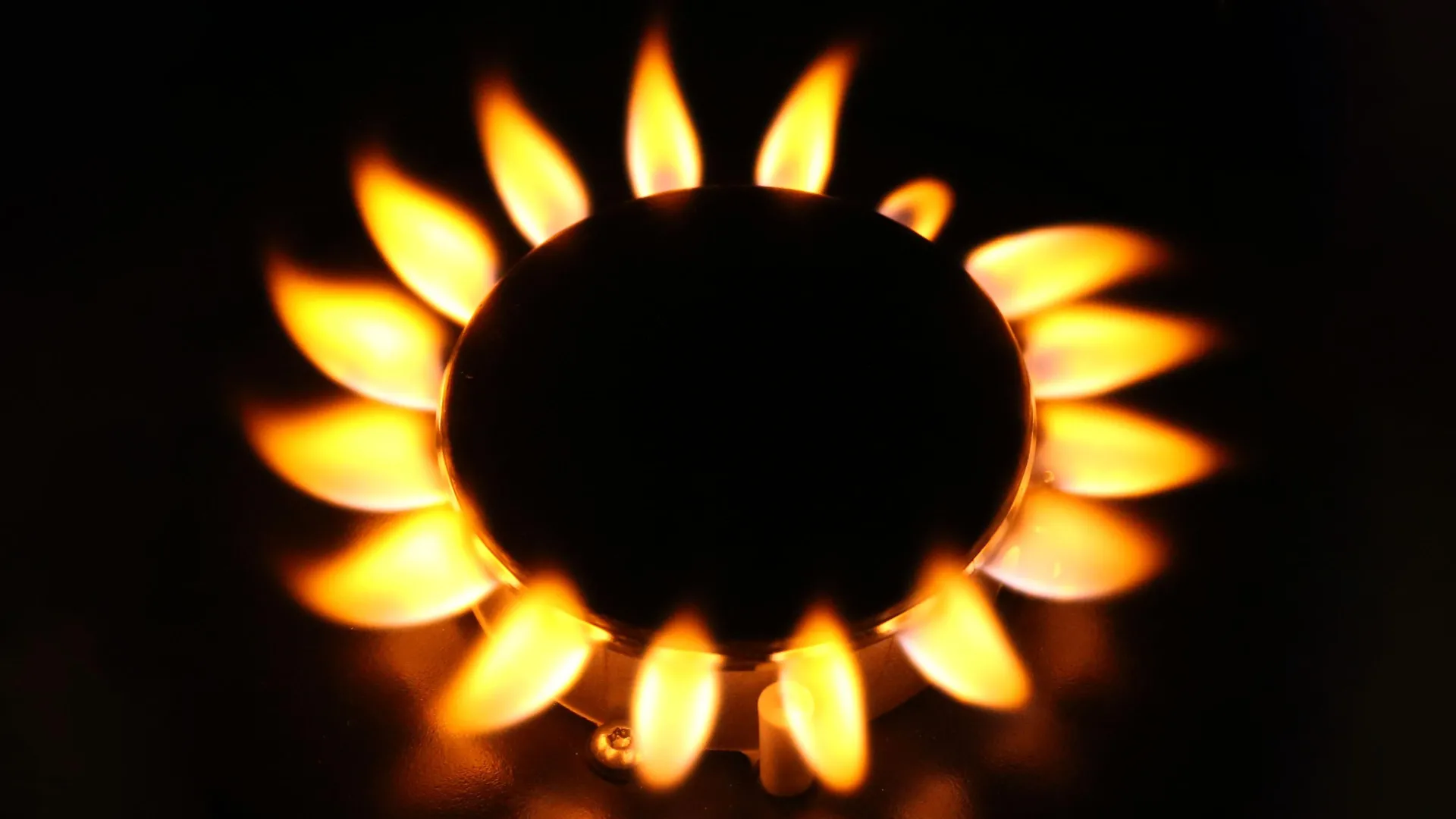
Hydrogen flames can shift from bright orange to nearly invisible depending on something unexpected: tiny amounts of sodium floating in the air. Scientists say this discovery could help make future hydrogen-powered stoves and ovens safer by replacing visual flame detection with specialized sensors.
When you visit one of Norway's open-air museums, you can experience a piece of old Norway: log-built timber houses, farmsteads and farm complexes, often situated in a historic cultural landscape.
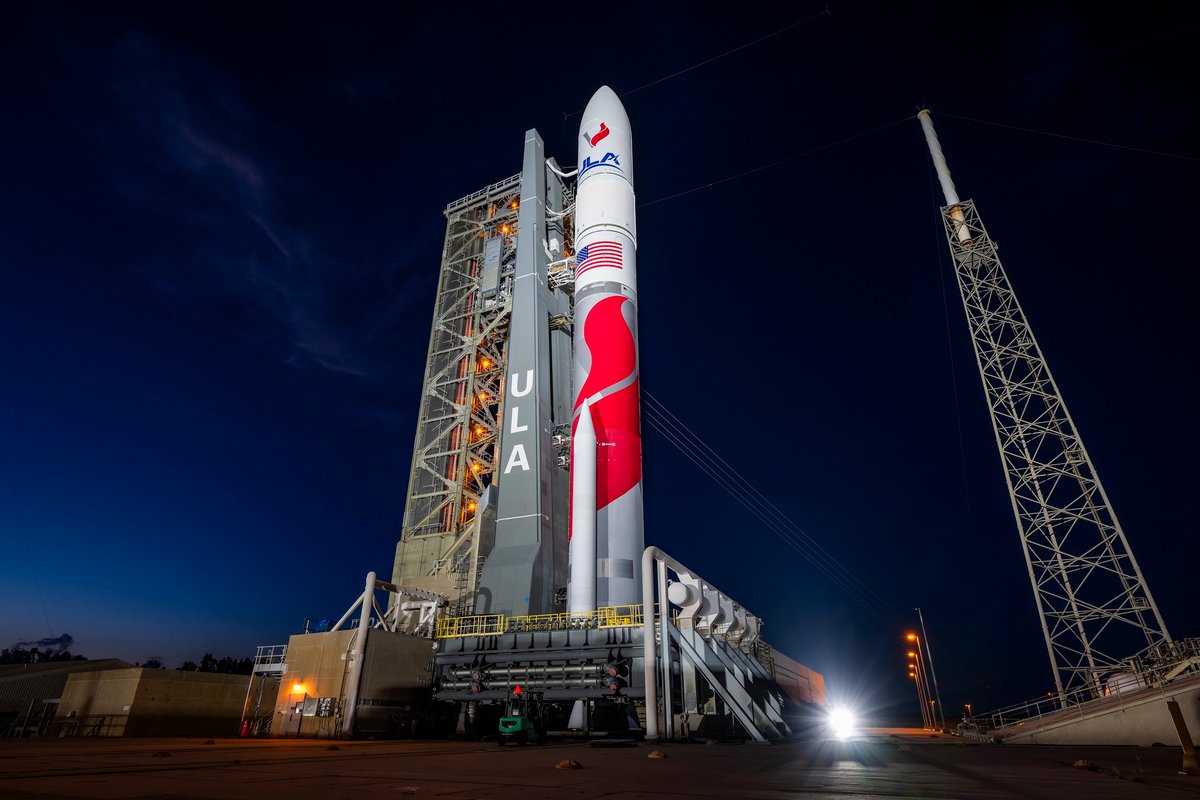
The latest setback for Vulcan, a next-generation rocket built by United Launch Alliance, is a heavy blow for the company and its customers—including Amazon, NASA and the U.S. Space Force
On Aug. 26, 2026, a huge mass of rock and ice broke away at an altitude of around 5,200 meters (17,100 feet) in the Himalayas. Within minutes, it became an avalanche of debris and water that hurtled down toward the Nepal-Tibet border, with such force that the seismic signals were initially mistaken for an earthquake.
The Thanksgiving turkey may be the centerpiece of the holiday meal, but cooking it, along with all the sides and other dishes, can invite an unexpected guest: indoor air pollution.
In "Star Trek," characters use a technology called a replicator to produce any food item they can imagine out of thin air. While we don't have this same technology in real life, we can get close with 3D printing.
The permitting bill could make it easier to build data centers for A.I. but a novel provision would also force data centers to pay much more for power.
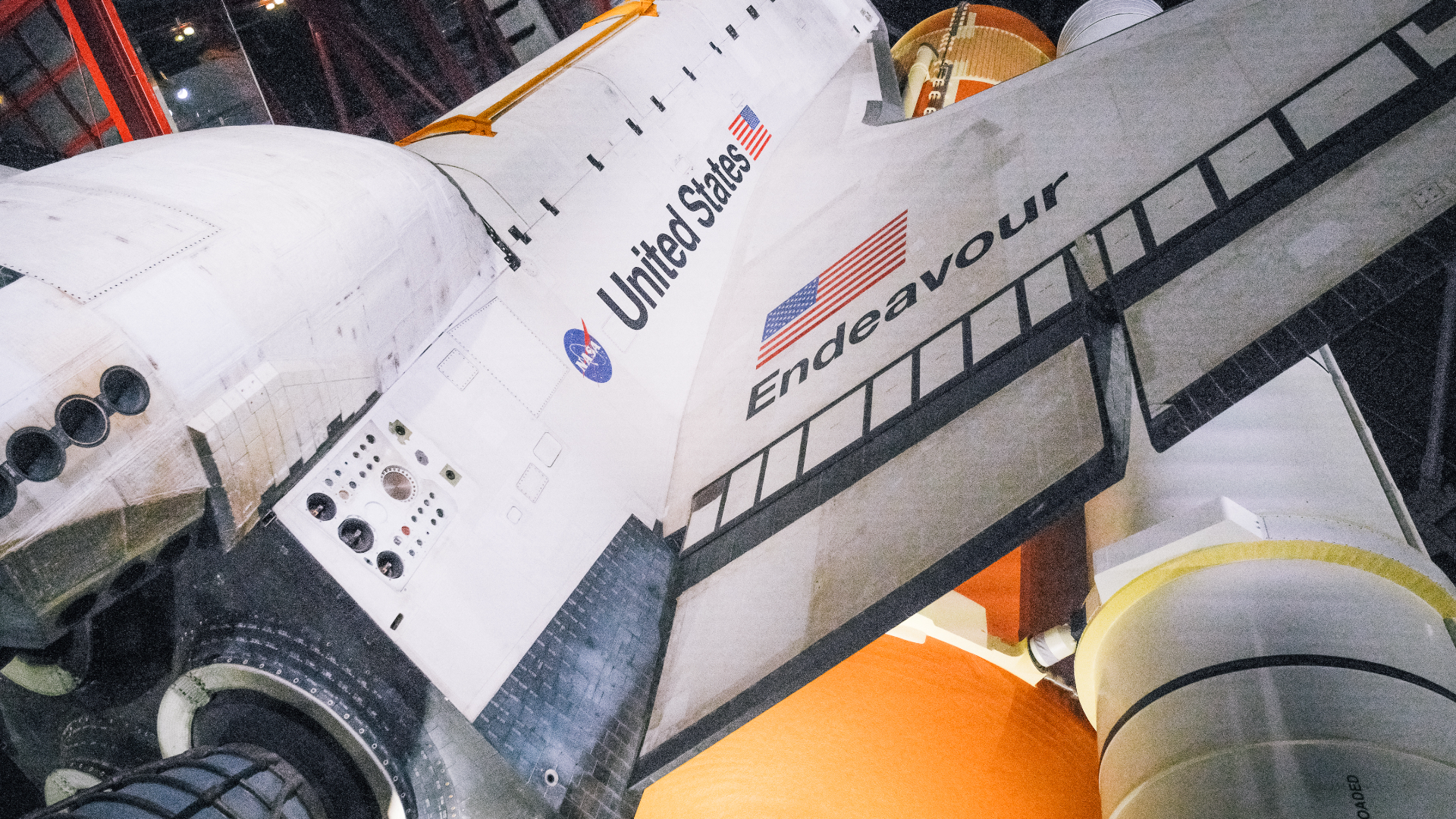
The California Science Center's brand-new Samuel Oschin Air & Space Center —the home of NASA's space shuttle Endeavour —officially opened to the public today (Nov. 13).
Climate change could force more than 200 billion people from their homes even as countries spend billions on securing their borders, the head of the U.N.'s migration body said Friday.
A mysterious force driving the expansion of the Universe may have undergone a dramatic reversal billions of years ago. Scientists exploring an overlooked branch of an alternative gravity theory discovered that dark energy could have switched from negative to positive roughly 9.5 billion years ago, potentially changing how we understand cosmic history.
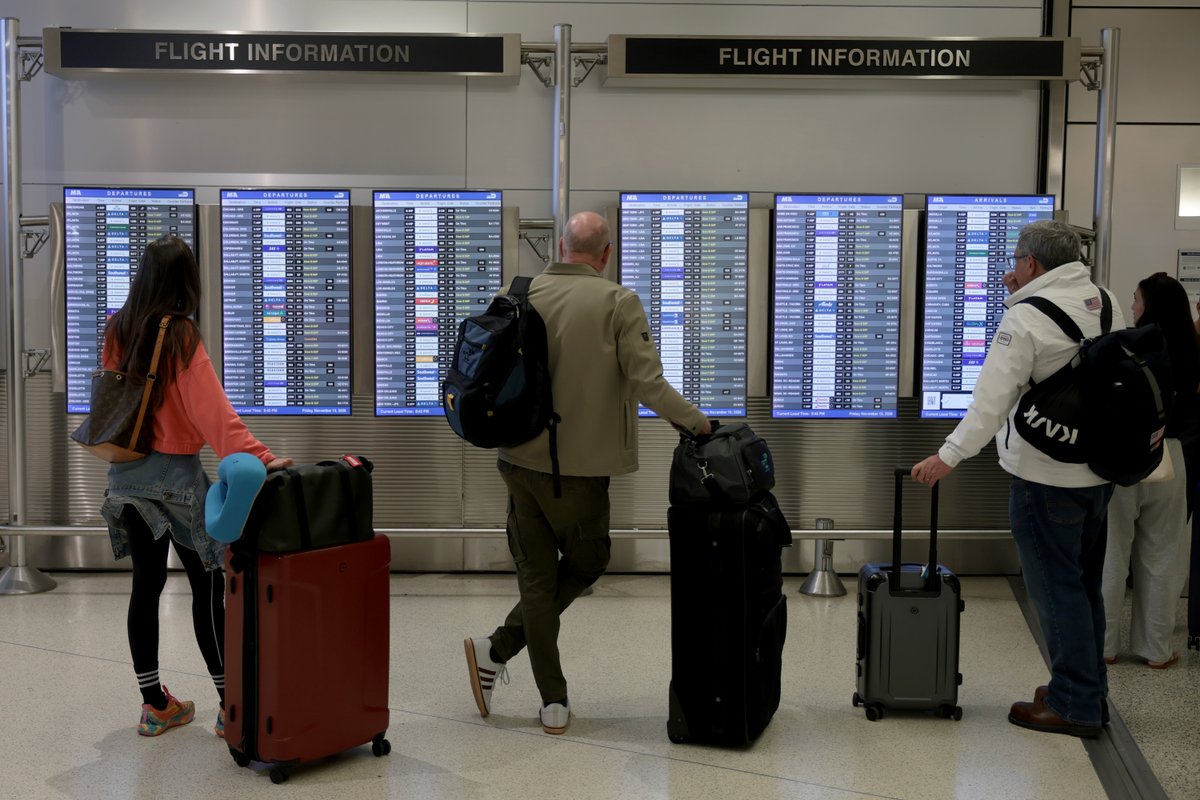
Property sales that complete on this day have a lower median price. Air fares are cheaper. Weddings are non-existent. And motor collisions increase. How did it become so mired in superstition? “I have only worked one Friday 13th wedding in my 14 years in business,” says Caroline Smyth, a photographer and celebrant based in Larne, Northern Ireland. “I definitely think it is down to the fact that it’s a date surrounded by superstition. People are maybe afraid it’s a bad omen for their marriage.” Smyth’s sole Friday 13th wedding, in September 2013, was the first she ever photographed – and it kickstarted her career. But for many businesses, the date is not so auspicious. From weddings to flights, job interviews to elective surgeries, many people avoid booking anything of significance on this date, believing it to be bad luck. Continue reading...
Virtual reality and augmented reality strongly rely on visual information; consequently, they are inaccessible to individuals with visual impairments. To create illusions of tactile feedback or force sensations without physical contact, previous studies have primarily relied on visual manipulations, such as altering the apparent position of objects, with less attention given to the potential of sound alone.
As cities invest increasingly in quality of life and tackling air pollution, accurate environmental monitoring is high on the agenda. To identify health risks posed by, for example, particulate matter and nitrogen dioxide, Dutch cities have traditionally relied on fixed monitoring stations. These static sensors leave blind spots in certain areas and are not always representative of the diversity of the urban population.
This large freshwater sawfish might look scary, but its greatest survival assets are tiny microbes that may give its young an invisible force field when environmental conditions get tough. New research led by Flinders University describes how microscopic communities living on the skin of the critically endangered largetooth sawfish (Pristis pristis) could help these animals endure challenging dry-season conditions, offering a new perspective on their conservation.
It's that time of year when gratitude seems to be everywhere: at work, around the dinner table and at holiday gatherings. But with so much pressure to feel thankful, gratitude can start to feel like one more thing on the holiday to-do list.
Researchers at the Interface Science Department (ISC) have shown that electrochemical reactions at solid-solution interfaces can be impacted by two closely related, yet, distinct factors. The applied potential can drive a reaction forward. Additionally, electric fields in the extended environment can modulate the ensembles that determine the activation parameters, without necessarily constituting a thermodynamic driving force themselves.
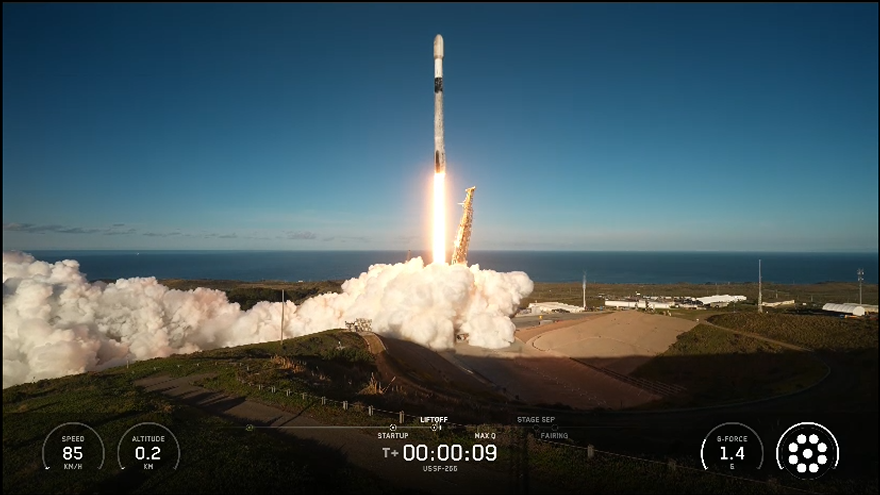
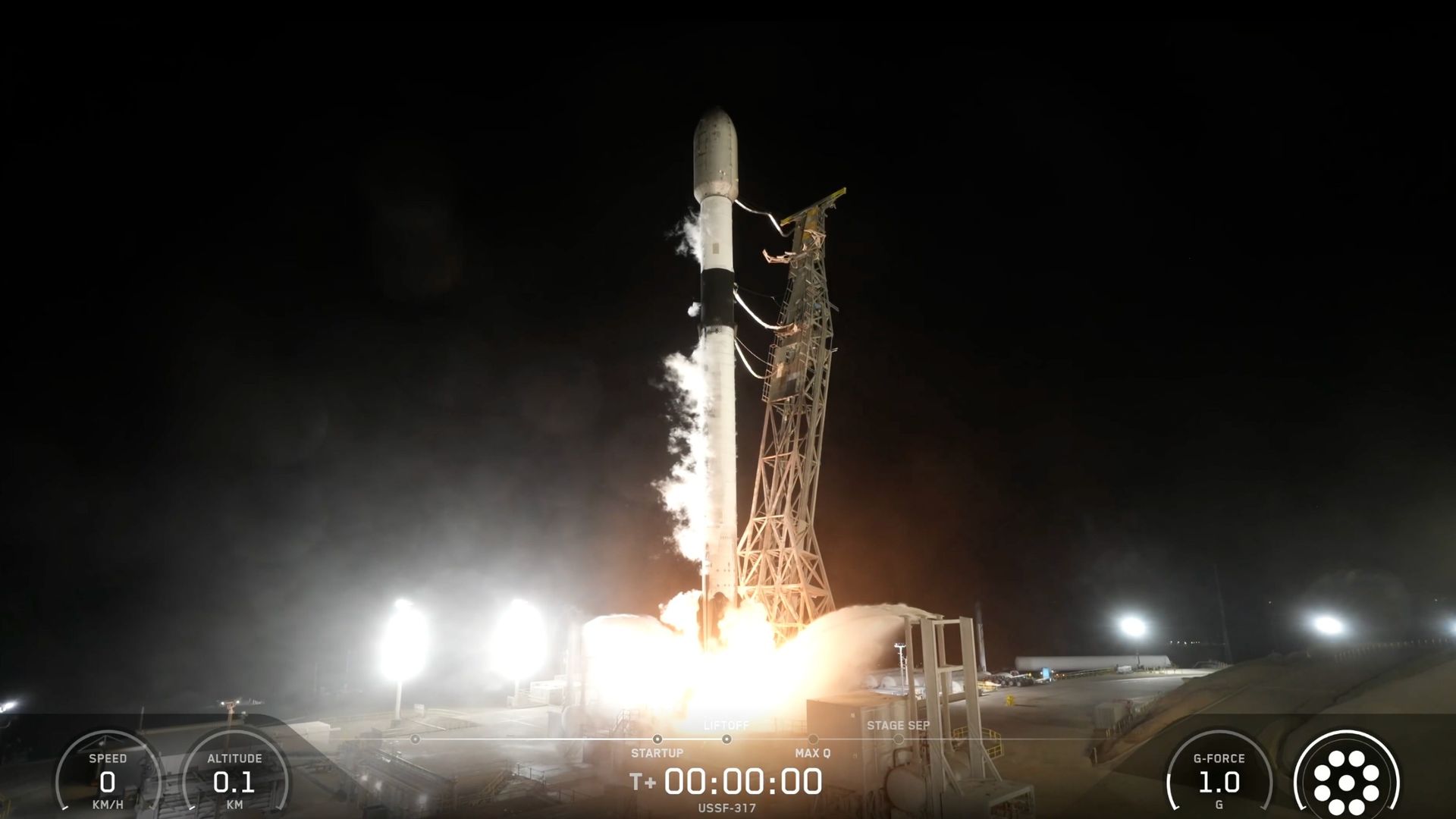
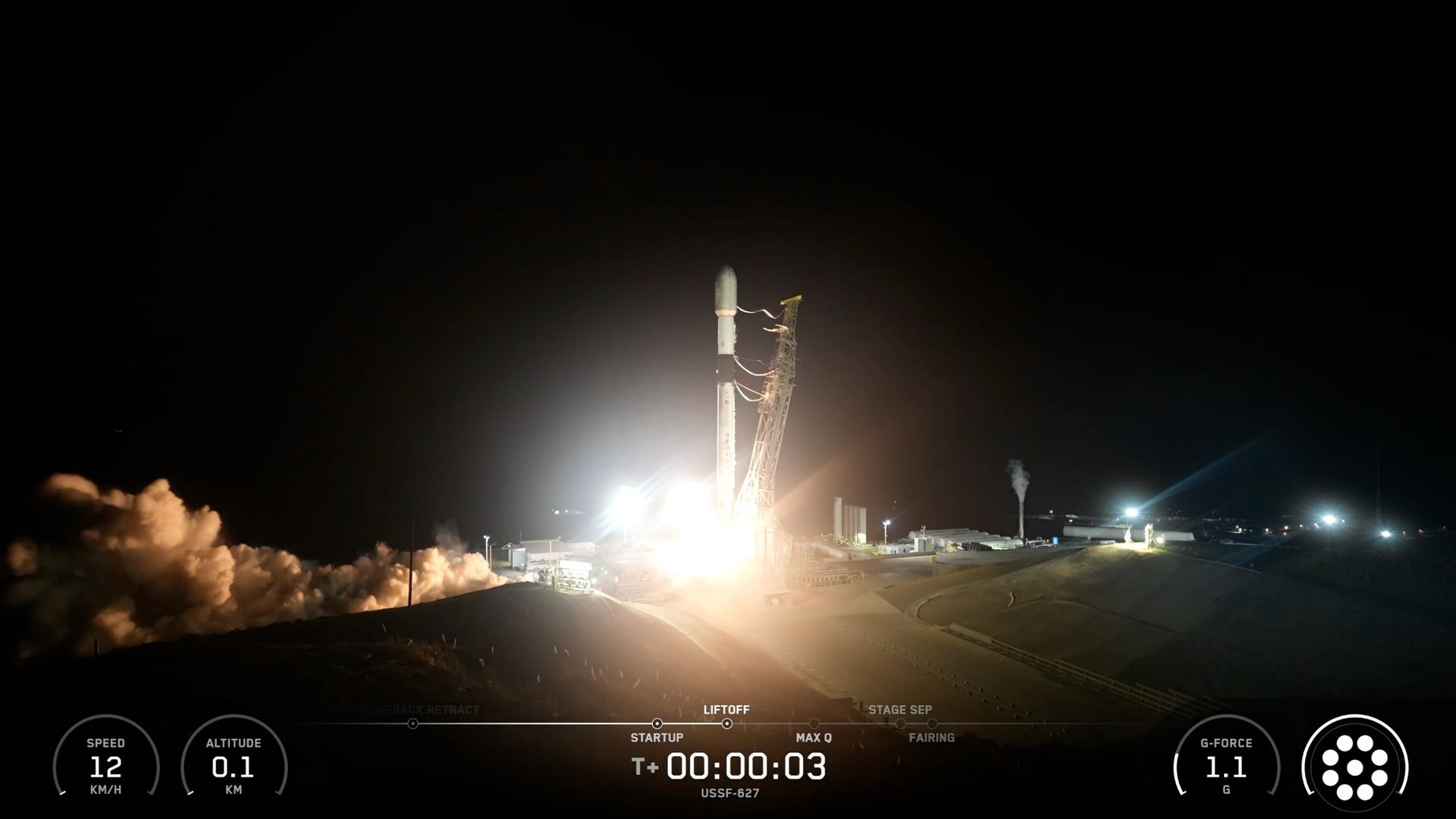
SpaceX launched a classified mission for the U.S. Space Force from California tonight (Nov. 11), the second such mission for the company in a six-day span.
‘I was chosen to go around the Moon on a SpaceX starship. Preparations took over my life. Then, four minutes into watching a rocket on a test flight, it broke apart. And that was the end of my adventure’ This photograph was taken on 20 April 2023 from the VIP section of SpaceX’s launch viewing area, looking out from South Padre Island, Texas, towards Boca Chica, a nature reserve near the Mexican border which is home to SpaceX’s Starbase launchpad. In 2021, I and seven other civilians were selected from an open call to go around the Moon on a free SpaceX Starship flight funded by the Japanese billionaire Yusaku Maezawa. The dearMoon Project included myself and another photographer. For me, the story also became about being plucked from obscurity and planted in this very surreal world I could never have imagined being a part of in a million years. At the time, only 24 white American men had orbited or landed on the moon. Being selected for something like that changes your life and your perception of your worth in the world. The flight, originally scheduled for 2023, completely took over my life. It took the air out of every room – I couldn’t talk about anything else. People stopped commissioning me because they assumed I was busy going to space; every conversation I had was about it. This was going to be the rest of my life. That day in April was pivotal. We were there to watch SpaceX’s Integrated Flight Test 1. After four minutes, following a relatively successful liftoff, the vehicle experienced what they call in space terms an “RUD” – Rapid Unscheduled Disassembly – and broke apart in the air. We put on a brave face but secretly I was thinking: “Wow, the risks are no longer theoretical. I could have been on that.” The dust cloud in the image emerged from the concrete launchpad and tower – obliterated by the power of the raptor engines. The debris ended up all over the local houses and SpaceX closed the launch facility for reconstruction for four months while they c
India's air pollution monitors were overwhelmed this week by toxic smog so severe that concentrations exceeded their upper measurement limit, equivalent to 66 times the World Health Organization's recommended daily maximum, regulators said.
University of Missouri researchers have created a single solid material that responds differently depending on what it's exposed to. Shine light on it, and it changes from yellow to white, an indication of a chemical reaction. Heat it, and it undergoes a different chemical reaction. Scratch the surface, and it flashes blue.
Two papers by Prof. Thomas A. Weber develop a rank-based method to track environmental change. They apply the idea to follow Geneva's warming climate, and generalize the approach to quantify shifts in spatial air-pollution exposure across Switzerland. The method compares observations with a historical baseline and shows how accounting for where people live changes the assessment of air-quality improvements.
Permafrost in many of Earth's northern regions is thawing, a process that unlocks greenhouse gases, threatens infrastructure, and could alter landscapes and ecosystems. The Arctic and subarctic are vast, and gaining a comprehensive picture of permafrost distribution is difficult, as it requires seeing under the ground. Now, with a new method that can map permafrost from the air, researchers may get a much more spatially cohesive view of permafrost thickness and distribution.
Almost two in three respondents surveyed in Australia's remote First Nations communities did not have working free-to-air television, a study has found.
Artificial intelligence is reshaping research, economies, and everyday life at a remarkable speed. In this interview accompanying the new AI100 report, Iyad Rahwan reflects on the rise of generative AI, the growing concentration of AI power, and the challenges facing societies worldwide. He also explains why Europe must seize this "Sputnik moment" and why he remains optimistic about AI's potential to accelerate scientific discovery.
Hydrogen could play an important role in cleaner energy systems, but even small leaks can create safety risks. Reliable sensors are therefore essential wherever hydrogen is produced, stored, transported or used. A persistent problem is humidity: water molecules can cover the active surfaces of hydrogen detectors and prevent them from responding accurately, particularly in hot, moisture-rich environments.
About a century ago, the Anaconda Copper Mine complex near Butte, Montana, was emitting vast amounts of air pollution into the atmosphere. As small particles of arsenic and other heavy metals were carried by winds over the Arctic, storms eventually helped pull them to the ground, where they joined layers of history embedded in the ice.
When they start to get too warm but before they're dangerously hot, most plants employ a similar playbook. They change their shape, a host of adaptations that includes growing longer stems and stalks to promote air circulation.
On the outskirts of India's capital, a short motorbike ride through the urban area with the world's worst air pollution leaves salesman Kanwar Singh coated in toxic dust.
In a war driven by drones and battlefield sensors, access to space is essential. After Starlink speed restrictions and Russian Oreshnik missile strikes, Kyiv is racing to develop its own space capabilities For people in the Russian industrial city of Samara on the banks of the Volga, the first they knew of the Ukrainian attack were detonations that sent a column of smoke into the air. If the Kremlin was vague about the target, video footage on social media soon made it clear what had been hit in the early hours of 15 August: the Progress Rocket and Space Centre, manufacturer of Russia’s Soyuz-2 rockets. Continue reading...
For people across South Asia, especially in northern India, Diwali celebrations coincide with the return of hazardous winter air, raising concerns about how to celebrate safely.