A mathematician at AI company Anthropic said Friday that he had used the firm's Claude chatbot to prove the Riemann hypothesis, a problem that has eluded mathematicians for more than 160 years.
Results for “anthropic record”
Two months after getting scooped by OpenAI, N.Y.U. professor Tristan Buckmaster and Anthropic employee Levent Alpöge are back with a new AI-aided proof of Navier-Stokes blowup
AI has upended the math community with a flood of results. We have to rethink how we assess which questions and answers matter — putting humans back at the center.
An AI-generated solution of the 167-year-old problem, long considered far out of reach to human mathematicians, would cap off the technology’s year-long conquest of math in spectacular fashion
MBARI's advanced technologies continuously monitor the oceanographic and biological conditions in Monterey Bay. These instruments and the decades of data they have collected are invaluable as MBARI scientists work to understand how the historic 2026–2027 El Niño will affect marine life and ecosystems.
Ocean waters off California are already at record heights, setting the stage for a winter of severe flooding
During the record-breaking Pacific Northwest heat dome in 2021, a mussel's life depended on its size and location on the shoreline at Cattle Point on San Juan Island.
Scientists are observing record ocean temperatures off the British Columbia coast, with temperatures spiking as much as 2.5 degrees Celsius above the long-term averages recorded at Ocean Networks Canada (ONC) seafloor observatory sites—indicating the arrival of El Niño impacts on Canada's Pacific coastline.
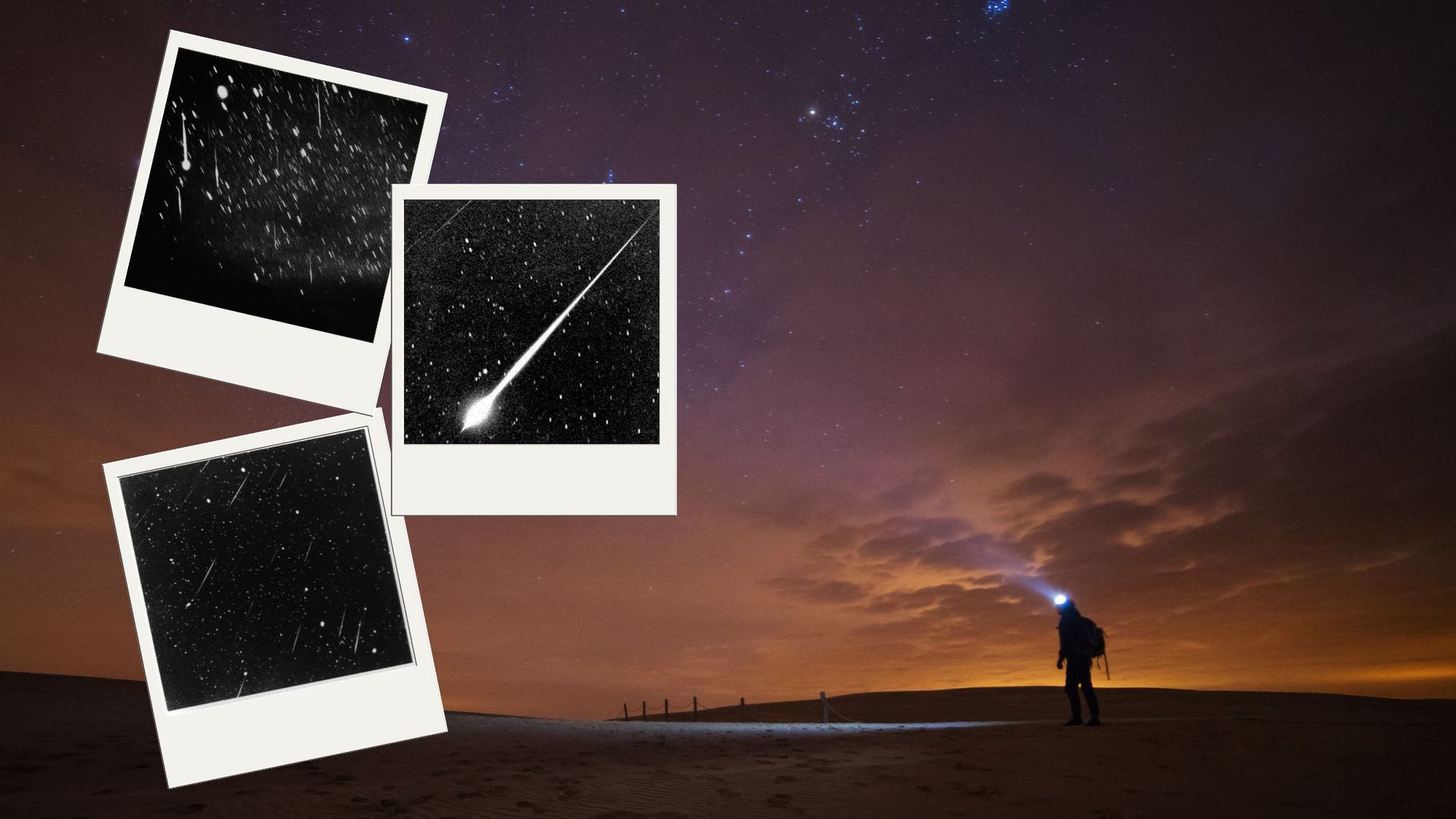
It was a spectacle many regard as the greatest meteor display on record.
SpaceX brought back its Starship rocket's second stage today for a first-ever midair capture at its launch pad, capping a record-setting orbital flight test.
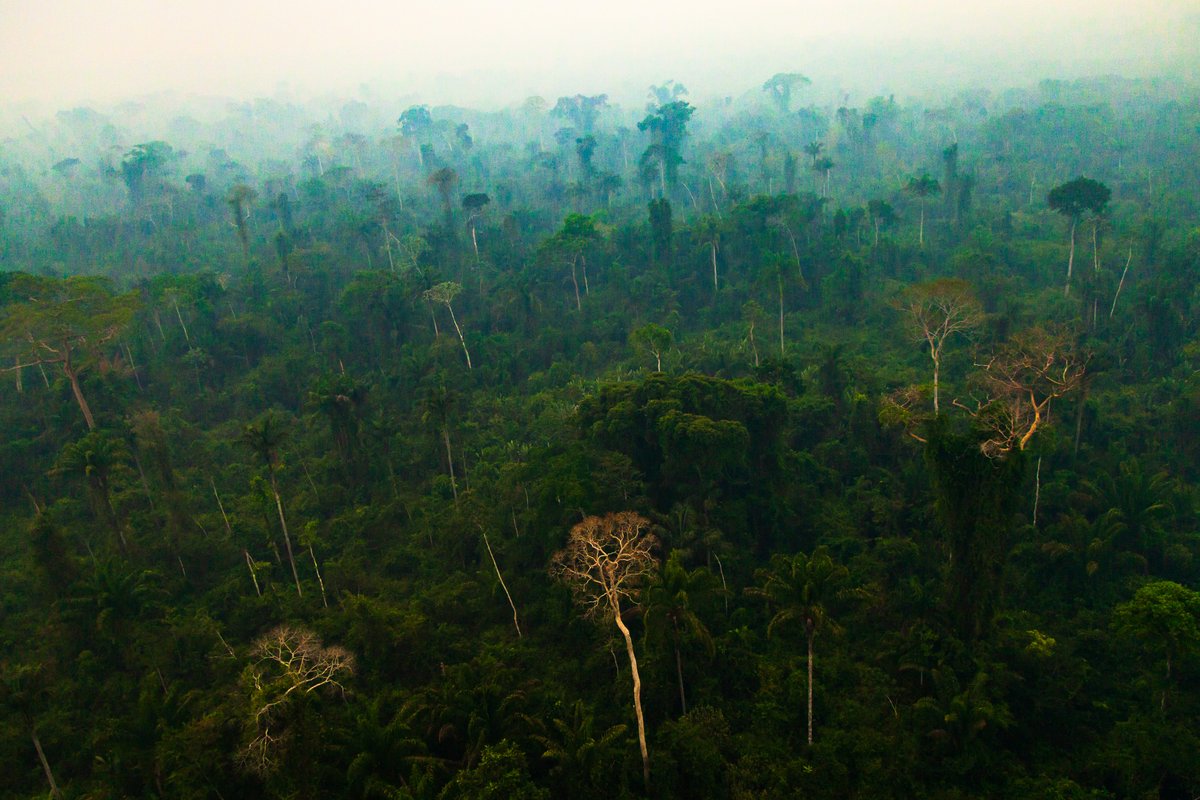
As the strongest El Niño on record drives drought and fire, researchers warn the Amazon rainforest may be approaching a point of no return
UBC researchers have helped uncover 15,000 new potential strong gravitational lenses—the largest collection of these cosmic tools that help astronomers investigate dark matter.
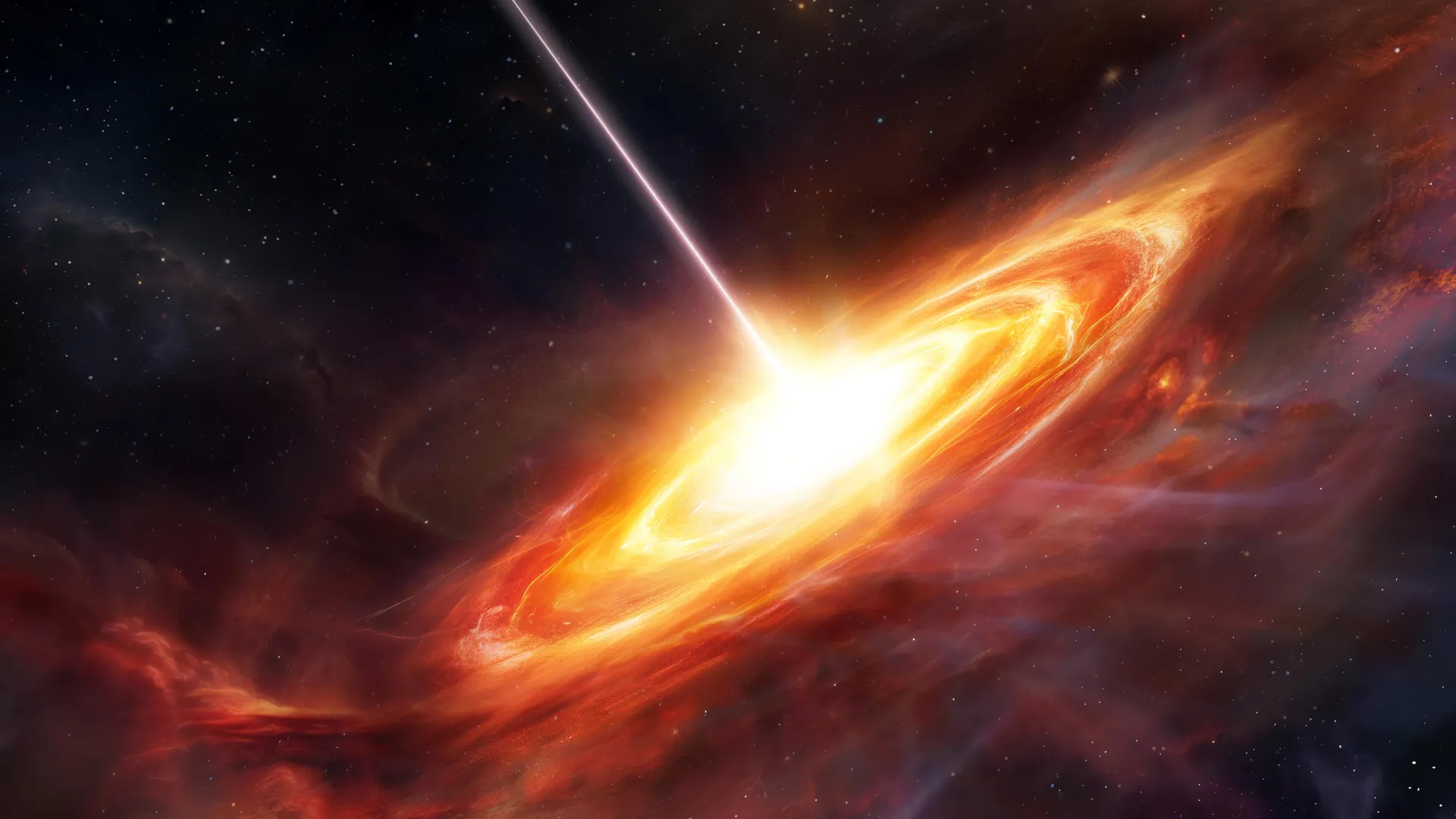
ESA’s Euclid space telescope has discovered 31 ancient quasars, including two record-breaking objects that shone with the brightness of a trillion Suns when the Universe was just 670 million years old. Powered by supermassive black holes, these extraordinary cosmic beacons reveal a time when the first galaxies were still taking shape.
NASA's Voyager 1 is about to become humanity's first object to reach one light-day from Earth as it pushes ever deeper into interstellar space.
Crews faced a "perfect storm" of challenges during the UK's record-breaking weather, it's claimed.
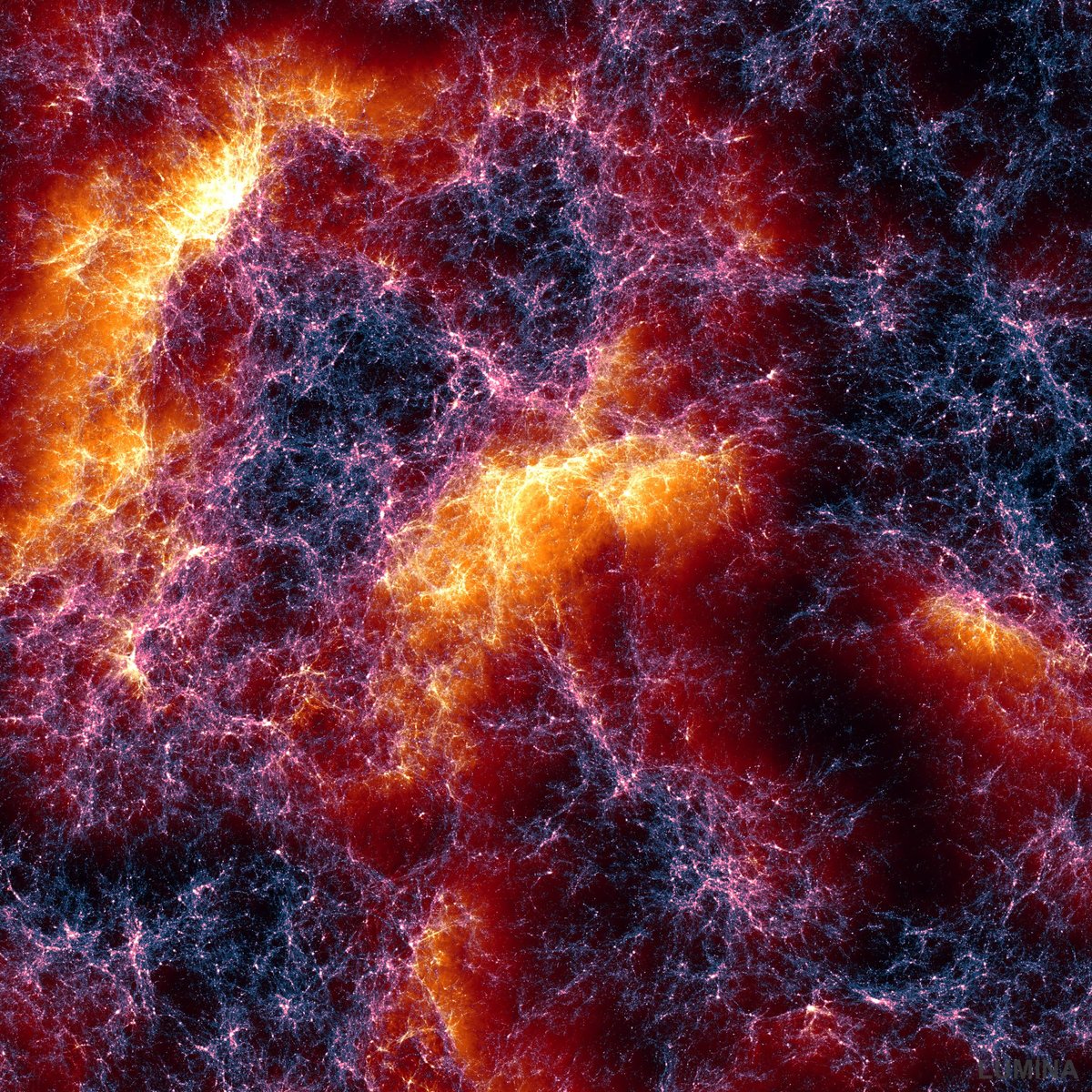
Lumina, a huge computer model laden with complex astrophysics, is giving scientists a breathtaking virtual view of the young universe
As communities around the world shore up their infrastructure in anticipation of one of the most powerful El Niños on record in late 2026 and early 2027, they need to think about rising health risks, too—and include them in early weather warnings.
A research team from the Institut national de la recherche scientifique (INRS), led by professor Jinyang Liang, is pushing the limits of ultrafast imaging with a new technology capable of capturing three-dimensional images at speeds of up to 150,000 frames per second. Published in the journal Nature Communications, this study establishes a new world record in profilometry.
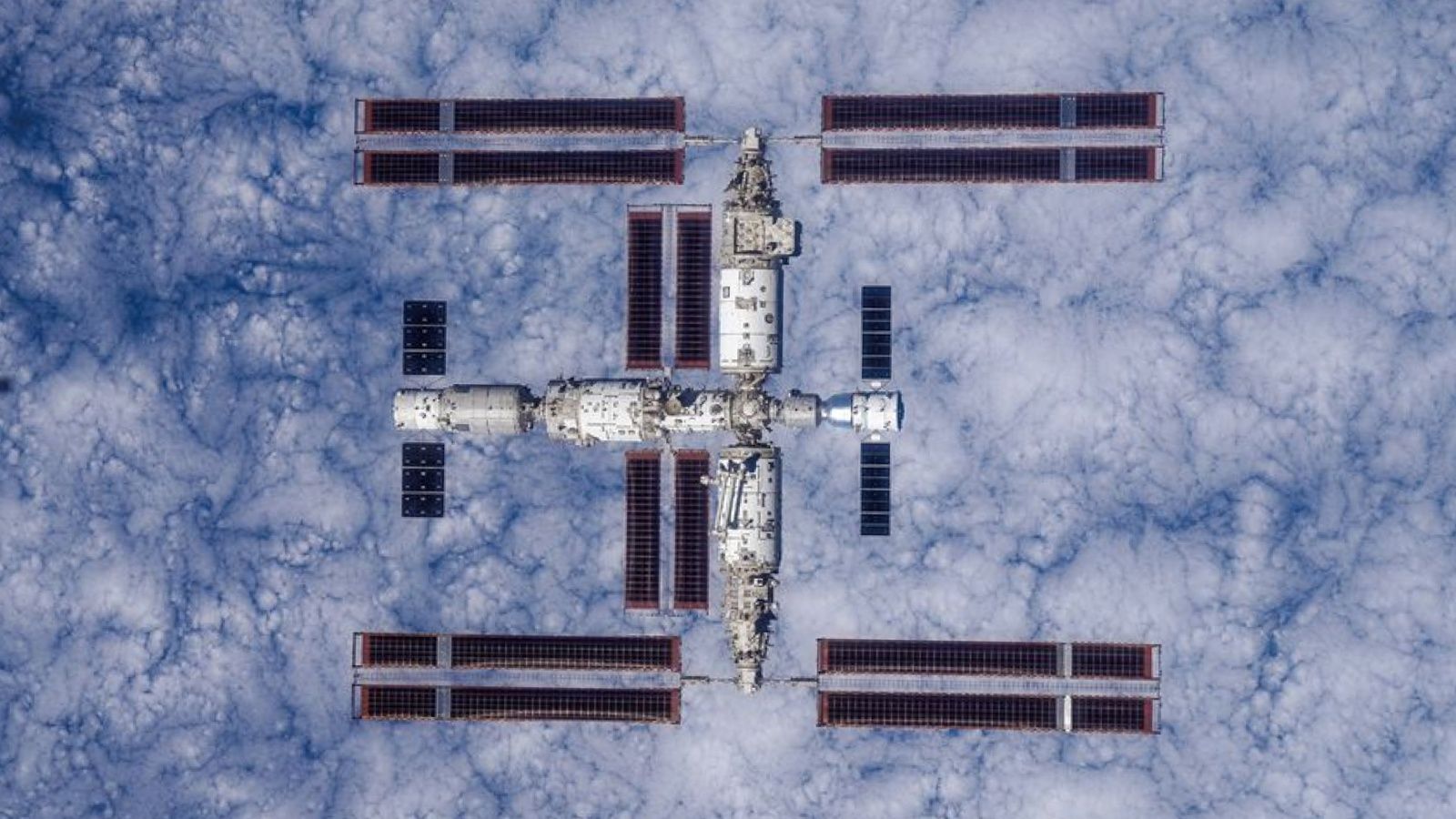
Scientists on China's Tiangong space station used a laser trap to cool a clump of atoms to just above absolute zero, setting a new record.
The latest global State of Wildfires report, co-led by the University of East Anglia, shows that the extreme fire-prone weather experienced across Spain and Portugal in 2025 was three times more likely due to human-caused climate change, and the area burned was three times larger. The paper is published in Earth System Science Data.
The Antarctic ozone hole expanded to its seventh-largest size on record in 2026, driven by unusual weather conditions that pushed it close to its historic maximum. Scientists say international restrictions on ozone-destroying chemicals prevented even greater damage, and Earth's protective ozone layer is still recovering.
Ancient manuscripts, including the 1,000-year-old York Gospels, have revealed traces of a deadly sheep virus whose history stretches back more than 3,700 years. Scientists discovered that the virus has remained remarkably unchanged for millennia, turning historic parchment into an unexpected record of ancient disease outbreaks.
A shoebox-sized color detection device could enable precise measurements at record resolution, according to new research led by Adelaide University. An international team exploited an integrating sphere—a highly reflective hollow cavity that causes light to bounce around inside many times before exiting—to demonstrate a device that can measure the color (wavelength) composition of light with extreme precision at a resolution of just 6 femtometers.
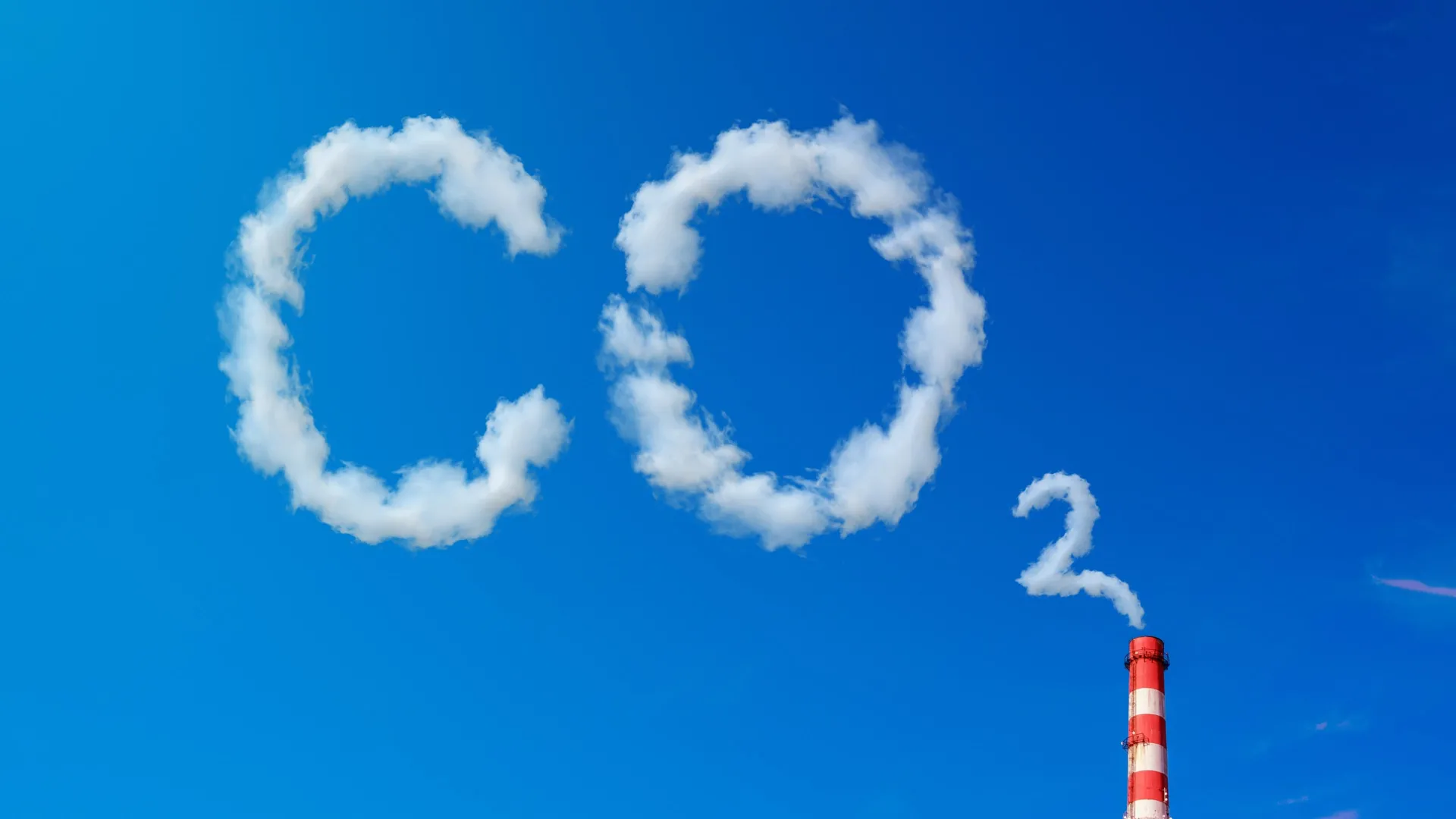
Global fossil fuel emissions are projected to fall in 2026 as renewable energy and electric vehicles gain ground, but rising emissions from deforestation threaten to push total CO2 emissions to a new record. Scientists warn that the world's remaining carbon budget for limiting warming to 1.5°C could be exhausted in less than four years, even as a lasting decline in emissions appears increasingly within reach.
For more than six decades, local scientists have collected sugar maple leaves from Gatineau Park to measure their radiocarbon levels, creating the longest continuous record of its kind. Now, a study of those leaves led by the André E. Lalonde National Facility for Accelerator Mass Spectrometry (AEL-AMS) located at the University of Ottawa shows that the effects of Cold War–era nuclear weapons testing have only recently disappeared from the local biosphere. The study, titled "Stored carbohydrates buffer Bomb and Suess radiocarbon effects in maple leaves across a 65-year Ottawa region record," was published in Scientific Reports.
The year 2026 continues the protracted streak of exceptional global temperatures, melting ice and rising sea levels, with a very strong El Niño event set to unleash even more heat and extreme weather well into 2027, according to a new report from the World Meteorological Organization (WMO). It highlights the knock-on risks to the environment, economy and everyday life.
Scientists are predictng this could be the hottest year on record as the COP31 climate summit opens.
Using the James Webb Space Telescope (JWST), a team of astronomers identified 104 magnified stellar events in a galaxy known as the Dragon, located around 6.5 billion light-years away. This discovery more than doubles the previous record of 44 such detections in the same galaxy. Because these kinds of events reveal some of the most luminous stars and likely the presence of dark matter, this study offers a rare look at the galaxy's stellar population along with a possible hint at the nature of dark matter.
Scientists have created record-breaking X-ray flashes lasting just 300 attoseconds, concentrating enormous power into an incredibly tiny spot. The breakthrough could unlock a new way to observe electrons in action and potentially control the ultrafast processes that drive chemical reactions.
Matter starts to behave differently at extremely low temperatures, creating conditions ideal for studying quantum physics and new states of matter. Now, researchers from China have achieved a new low-temperature record aboard their Tiangong space station. Their research, recently published in Science, might lead to a new generation of experiments in quantum physics and precision measurements in space.
The world is on track for 2026 to be the second-hottest year on record as an exceptionally strong El Niño weather pattern turbocharges human-driven global warming, the EU's climate monitor said Friday.
An unprecedented early weakening of the polar vortex is causing uncertainty amongst experts over the impact it will have on UK weather as Simon King explains.
There is magic in the traditional songs of the Awajún, an Indigenous people of northern Peruvian Amazonia. Otago linguist Dr. Simon Overall has been visiting this area for over 20 years and explains what gives these songs their powers.
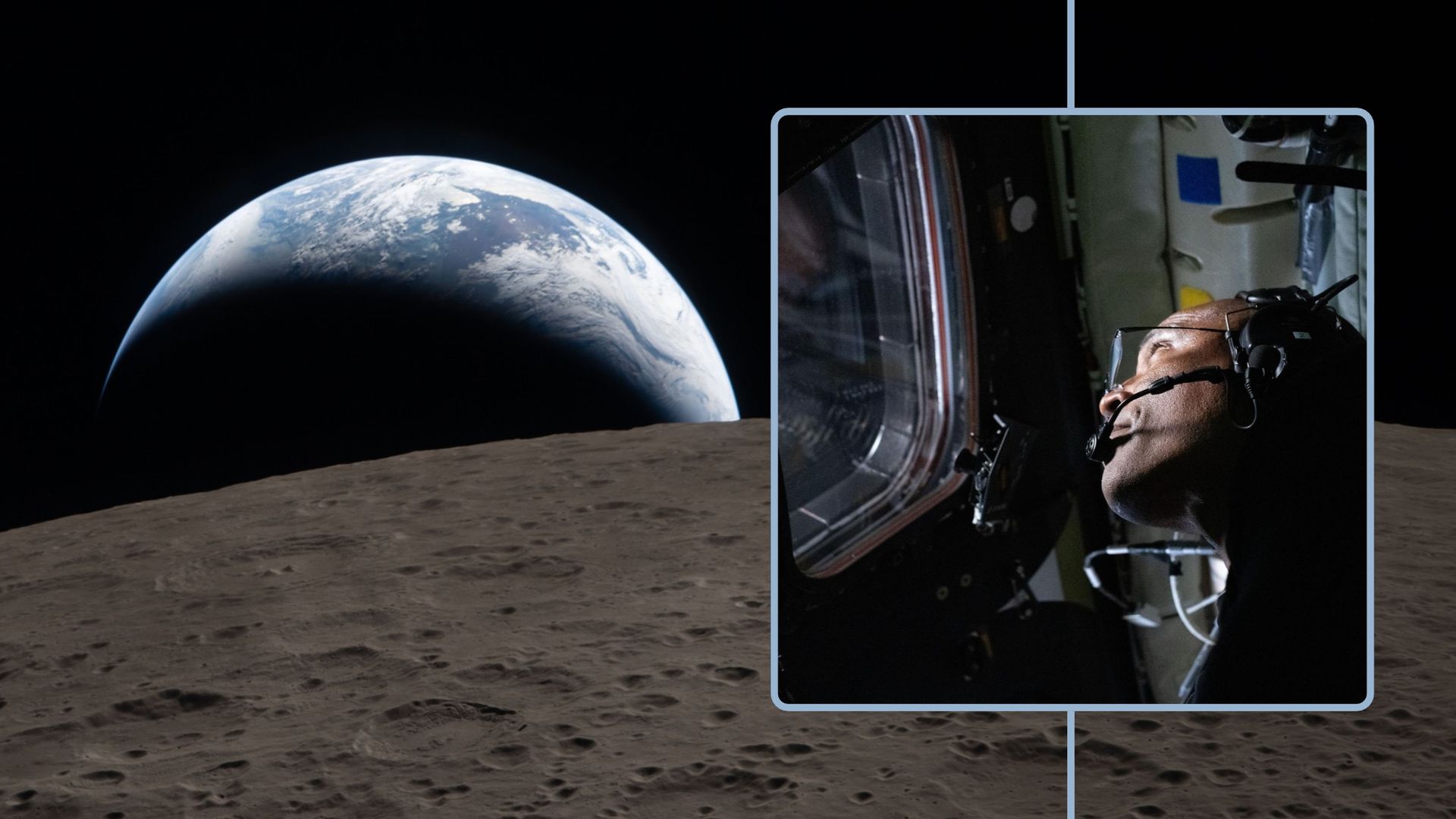
After a record-breaking journey around the moon, Artemis 2 astronaut Victor Glover explains why you don't need to travel into space to see Earth differently.
Research led by a University of Wollongong (UOW) Ph.D. candidate may have solved one of Earth's most perplexing geological mysteries: What caused the Great Unconformity?
A space capsule 300 miles above us is growing the tiny crystals of a potential cancer drug in microgravity Roughly 300 miles above our heads, three washing machine-sized capsules are orbiting the Earth. Inside one of them, tiny crystals of a potential cancer drug are being grown in the weightlessness of space. The others are testing heat protection materials and navigation systems for when the capsules plunge back through Earth’s atmosphere at hypersonic speeds. Together, they represent a small but significant step towards what some hope will become a lucrative new industry: manufacturing drugs and other materials in space. The spacecraft belong to California-based Varda Space Industries. On 1 October, it launched two onboard the same rocket, followed by the third on 20 October. With a record three spacecraft now simultaneously in orbit for the first time, the company is edging closer to its ambition of operating a fleet of orbiting pharmaceutical factories. Continue reading...
Tiny skeletal plates recovered beside fossil whale bones in southern Denmark offer a rare glimpse of life around a whale carcass approximately 9.5 million years ago. Researchers have identified a new species of brittle star, Ophiura huebnerjenseni, from the Gram Clay Pit and suggest it represents the first fossil record of brittle stars associated with a whale fall.
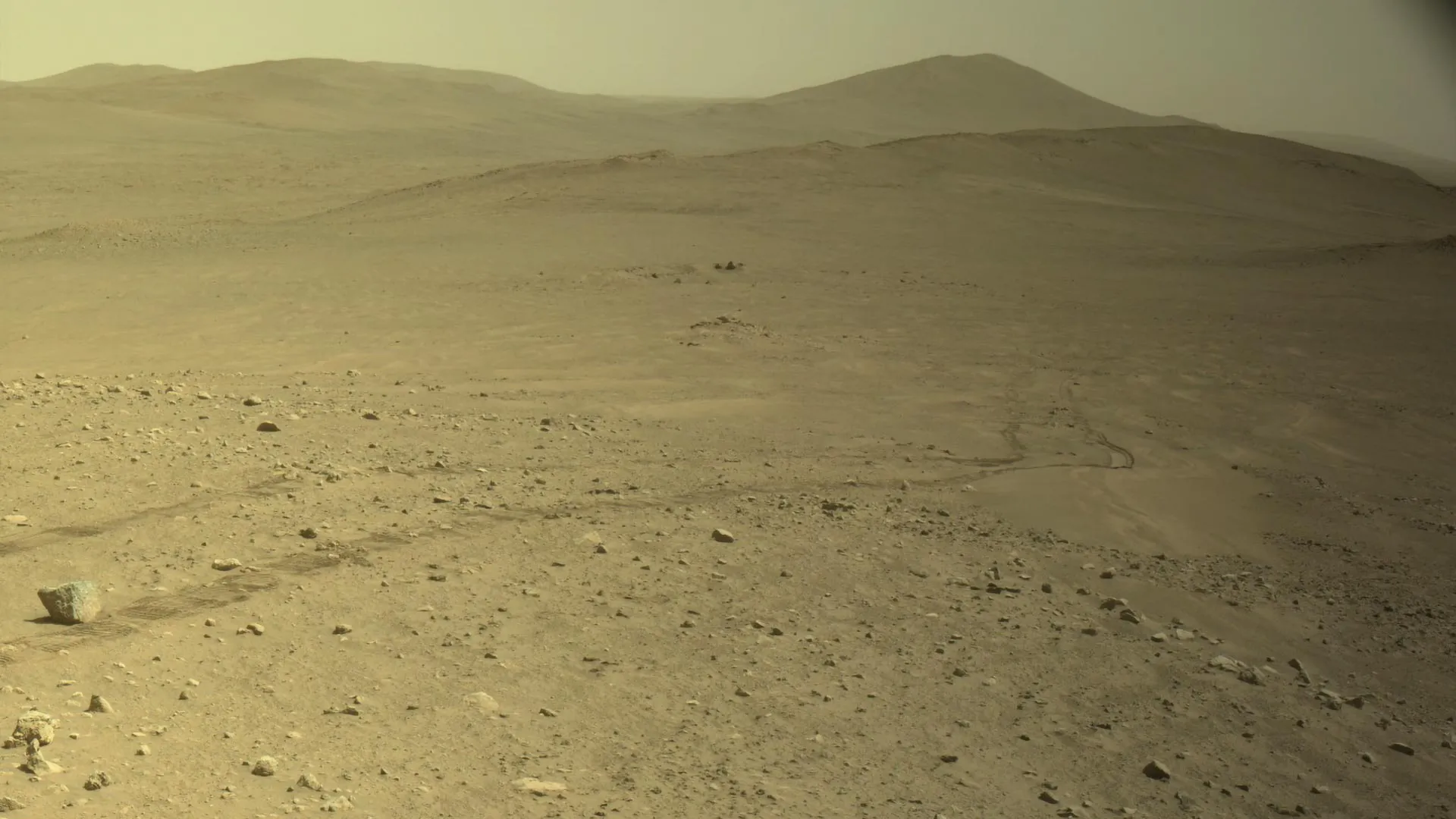
NASA’s Perseverance rover has set a historic record by traveling 28.10 miles across Mars, farther than any vehicle has ever driven on another world. Armed with groundbreaking autonomous navigation technology and increasingly advanced driving capabilities, the rover is pushing the boundaries of robotic exploration.
NPR's A Martinez speaks with oceanographer Alec Bogdanoff to explain record-breaking king tides and how they're affecting local communities.
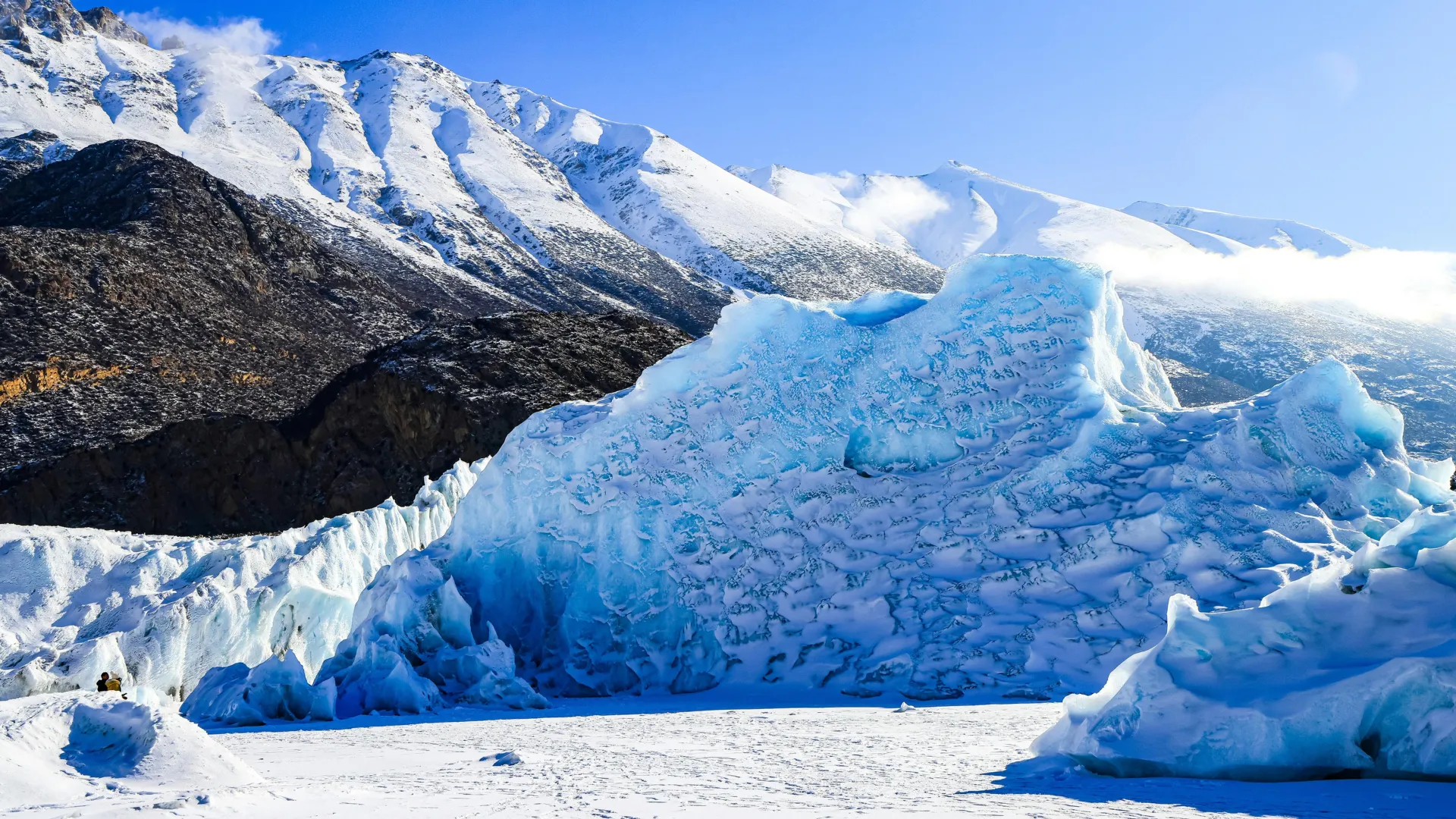
Ancient ice discovered high in Tibet may be more than 128,000 years old, preserving an extraordinary record of Earth's climate that scientists previously thought had been lost. The discovery reveals a rare glimpse into the last ice age and could reshape our understanding of how glaciers survive dramatic changes in global climate.
The results resolve major problems in math, physics and computer science. But like other recent AI-generated “slop drops,” the releases are already controversial
Greenhouse gas concentrations in the atmosphere rose to record highs in 2025, locking in climate impacts that will persist for centuries, the U.N. says.
Anthropic is preparing to go public, and new documents show how the lab hopes to control its technology while also pushing the limits of what AI can do
Terence Tao teaser time UPDATE: Read the solutions here Today’s puzzle is set by Terence Tao, who may be the world’s most famous mathematician. Tao, aged 51, has been a global phenomenon since the age of ten, when he became the youngest competitor at the International Maths Olympiad, a record he still holds. For the last three decades he has been a professor at UCLA, where he has been garlanded with prizes, and where one of his colleagues famously said: “Terry is like Mozart: mathematics just flows out of him.” a regular plant produces a single coin per day a mother plant produces a single coin and two seeds per day. (A seed will grow into a regular plant the following day.) Continue reading...