Scientists have discovered a faster way to identify diamond-based materials that could power quantum computers and sensors at room temperature. The breakthrough has already revealed promising new quantum building blocks that could help unlock computing capabilities far beyond those of today's supercomputers.
Results for “blocks trump”
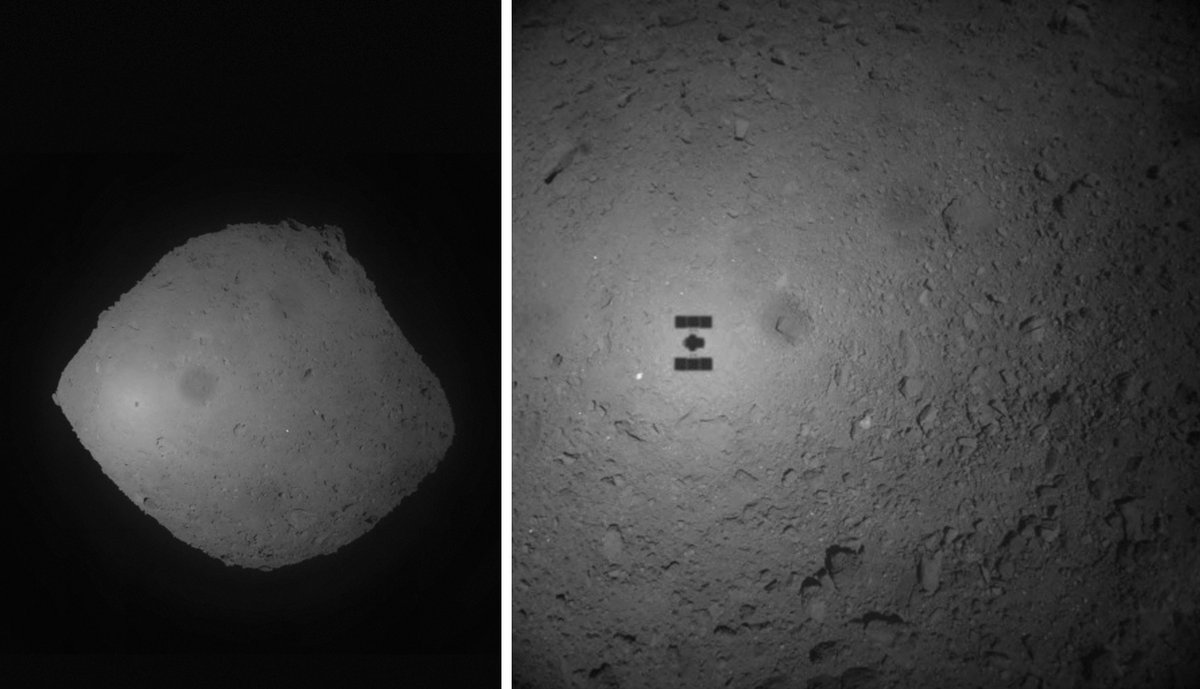
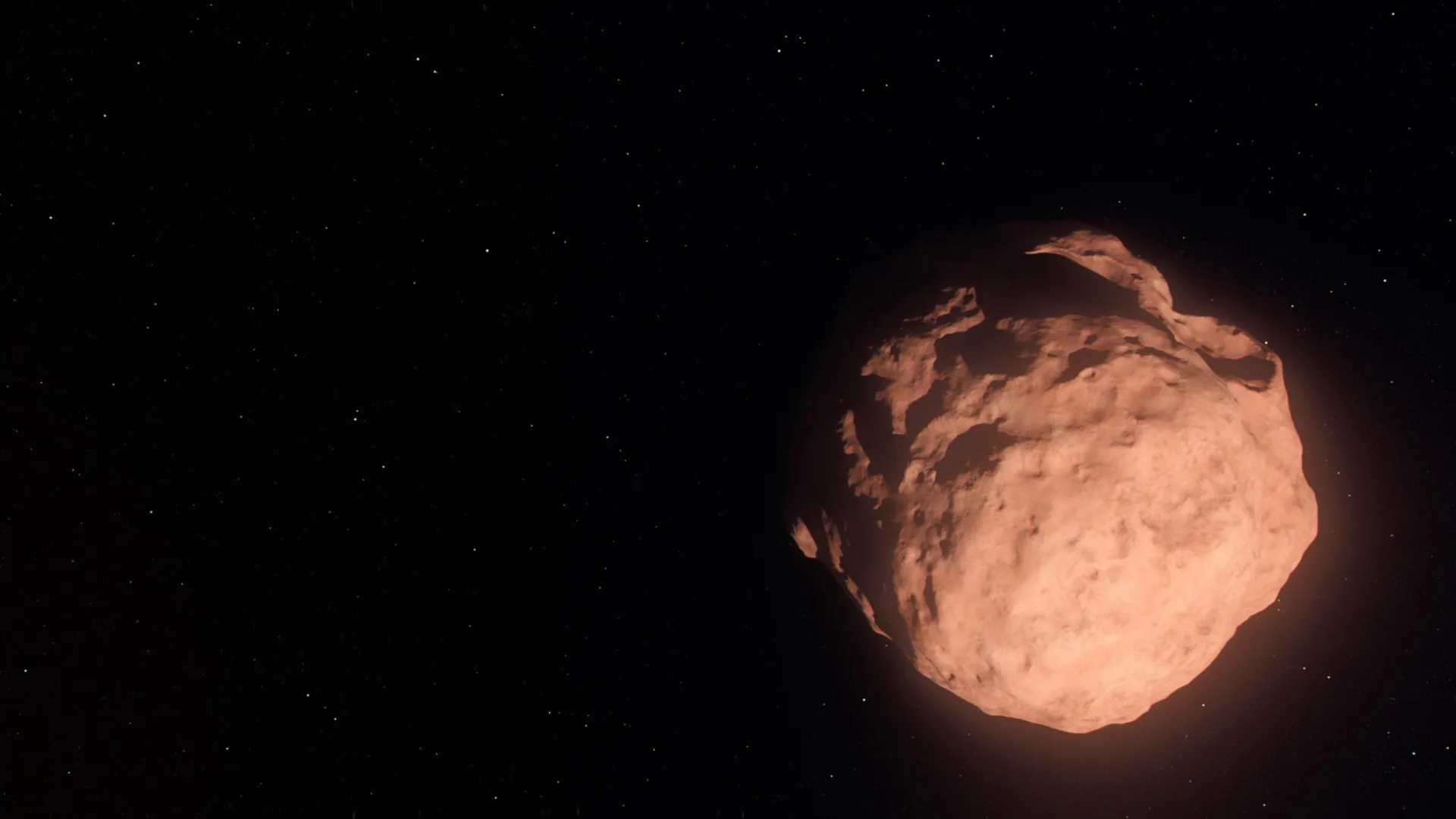
Ryugu might have formed in the very first generation of planetary building blocks
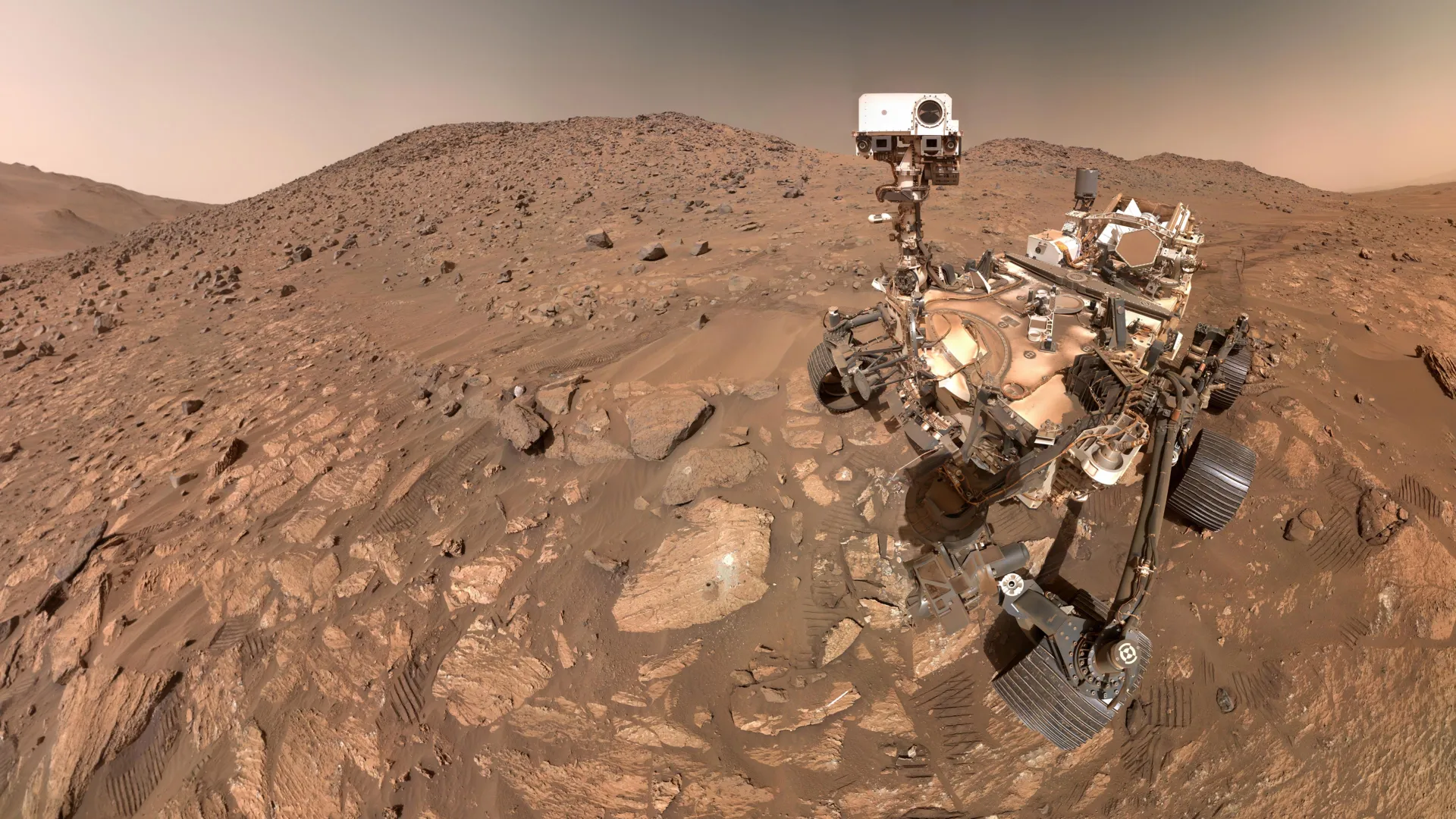
NASA's Perseverance rover has confirmed complex organic carbon just beneath the surface of ancient Martian rocks, raising intriguing questions about the Red Planet's potential to have supported life. The remarkable preservation of these compounds, along with similar discoveries thousands of miles away, suggests the building blocks of life may once have been widespread across Mars.
Inside each cell is a dynamic world of molecules and chemicals, signals and receivers, and construction and destruction. With all this activity, it's inevitable that cellular parts get worn down over time. Thankfully, cells have evolved an efficient recycling process that breaks old parts down to their building blocks, which can then be repurposed and reused. Christina Towers, Ph.D., is an expert on this recycling process, called autophagy.
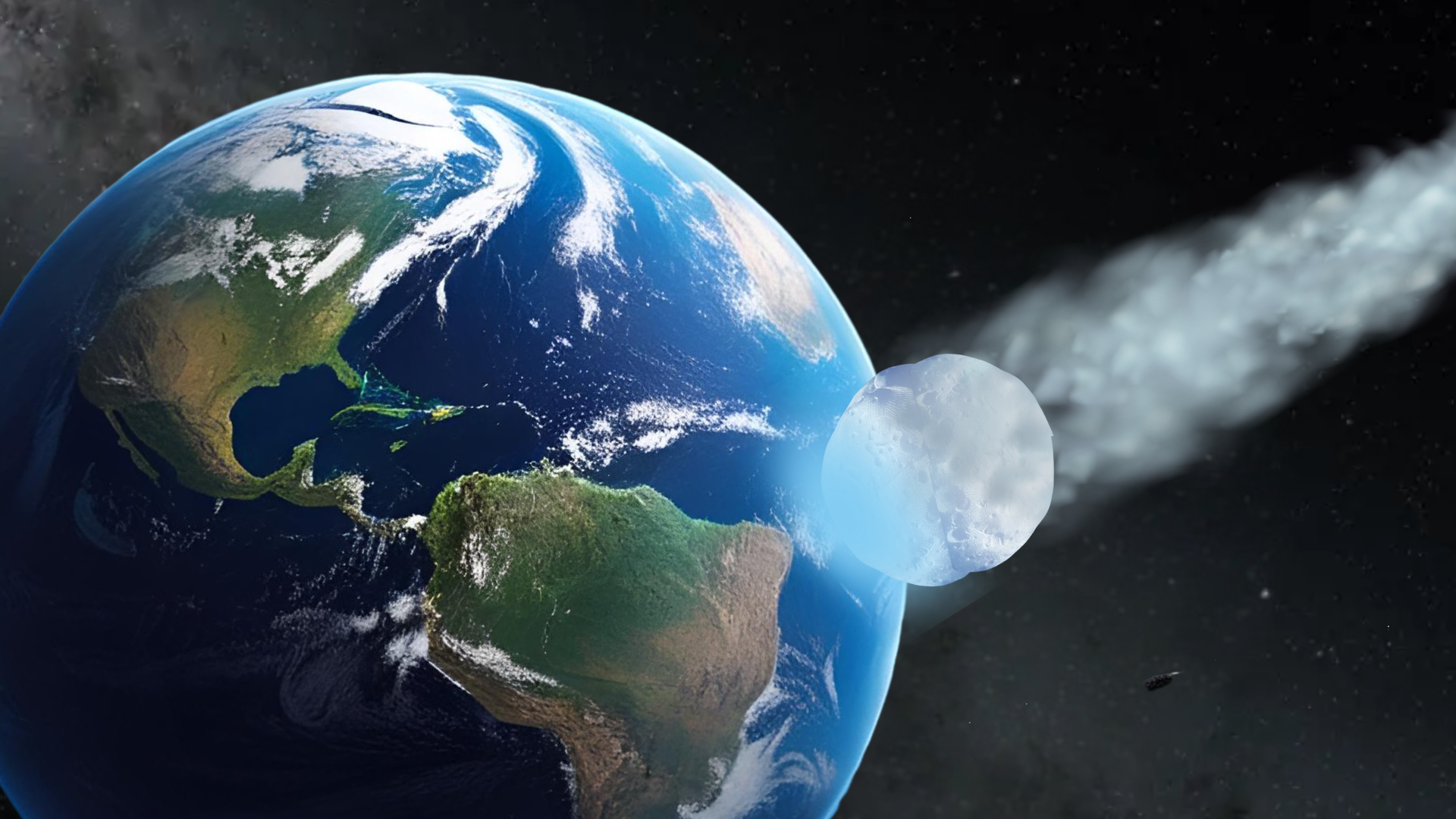
For over a century astronomers have speculated that comets could have delivered organic molecules necessary for life to Earth, but new modeling shows these molecules wouldn't have survived impact.
The genetic code determines the correspondence between genetic instructions and amino acids—the building blocks that form proteins. How this correspondence arose is one of the major open questions in evolutionary biology. A study led by Dr. Lluís Ribas de Pouplana, ICREA researcher at IRB Barcelona, and Dr. Paul Schimmel, with the participation of researchers from MIT and Scripps Research, has identified conserved signals in transfer RNAs that could help reconstruct the early stages of this system.
Permanent structures on the moon could start with something already there: lunar dust. New research from the University of Arkansas shows that pure regolith, the loose material that covers the moon, could be 3D-printed into LEGO-like bricks. Using it for construction could reduce what NASA needs to send from Earth as it works toward future lunar settlements.
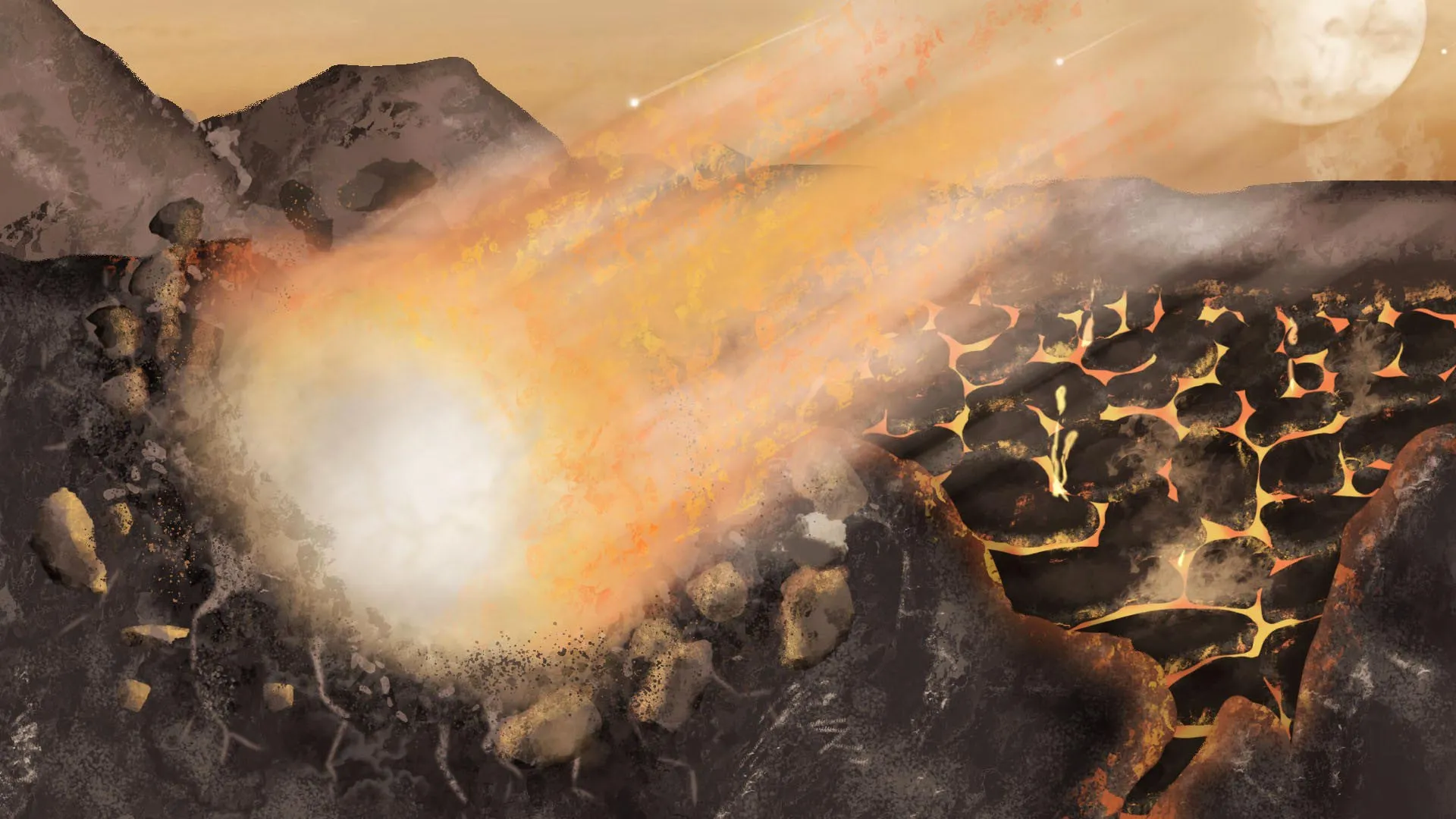
A century-old theory about the origins of life on Earth may be wrong. New research from the University of Cambridge suggests that comets traveled too fast and struck at unfavorable angles for the fragile molecules needed for life to survive, making successful delivery extraordinarily unlikely. Surprisingly, Mars may have had a better chance of receiving these cosmic ingredients, although even there the odds were slim. The findings point toward asteroids or chemical processes on Earth as more plausible sources of life's building blocks.
It began with an incident at an American Diabetes Association conference. Now a resulting boycott has caused a scientific slowdown, with no end in sight.
War, artificial intelligence and the Trump era have overshadowed climate change. But officials from nearly every nation are meeting to confront global warming.
Kelly Holley-Bockelmann was one of the top astrophysicists in the country until President Trump’s policies affected every part of her work.
Glaciers are often thought of as unyielding blocks of ice that slowly carve out the landscape as they move downhill by gravity. But sometimes their slow crawl becomes a surge that sees them move orders of magnitude faster than their usual speed.
Following an election-year rout for Republicans, Trump castigated lawmakers for not passing the Sunshine Protection Act. Some scientists have warned against the change.
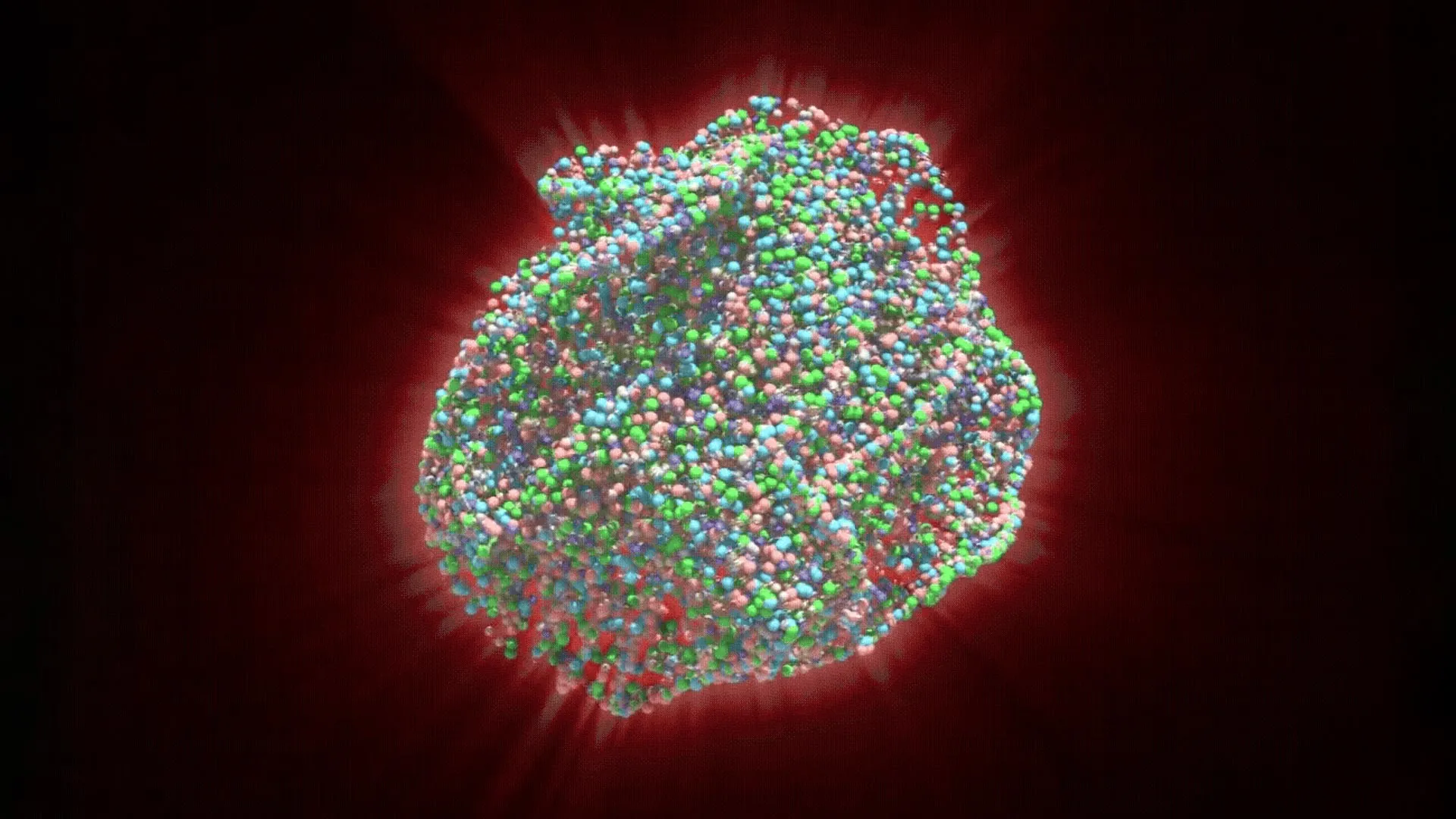
Human cells turn genetic instructions into proteins with great precision. Critical for the translation of this information are transfer RNAs, or tRNAs, small molecules that read the genetic code three letters at a time and bring the matching building blocks of proteins, the amino acids, to the cell's protein-making machinery, the ribosome.
The Trump administration has sought to reshape the nation’s research infrastructure. Democratic lawmakers, newly empowered, are preparing to push back.
The Trump administration is scaling back or stalling investments that help vulnerable places harden themselves to rising flood and fire threats.
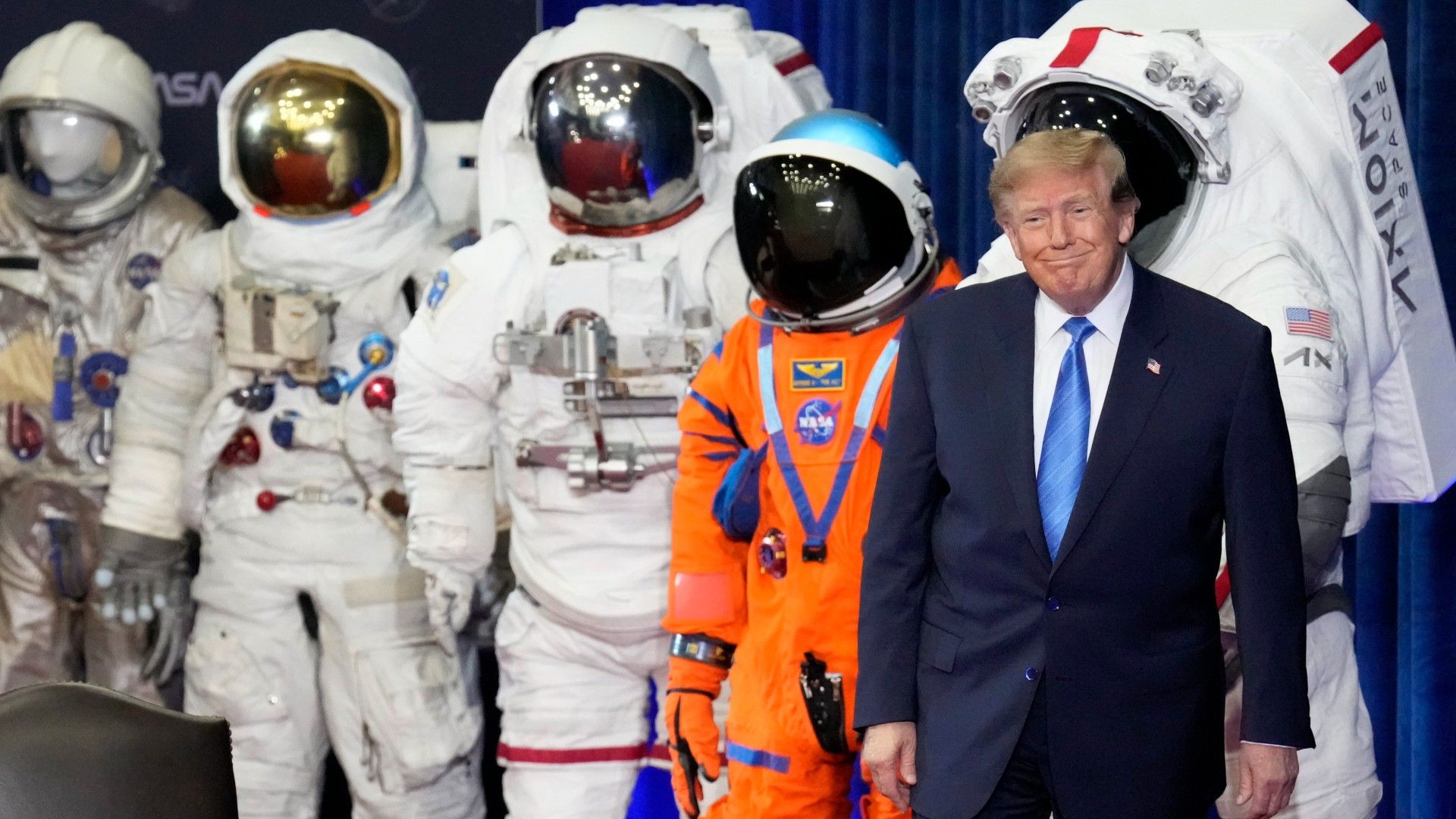
President Trump has declared space a frontier for all humanity, asserting America's right to develop and settle the solar system under U.S. law.
It's no secret that American politics is dominated by older politicians. When 81-year-old Joe Biden withdrew from the 2024 presidential race amid concerns about his age, it was the then-78-year-old Donald Trump who ultimately entered the White House. The median age in the House of Representatives and the Senate was 58 and 65, respectively, while the average American was just 39 years old.
A newly identified Arctic Ocean bacterium may have an unusual way of making the building blocks it needs to grow. Using acetone, a common chemical in seawater, the bacteria incorporate carbon dioxide (CO₂) into their metabolisms, allowing them to survive in waters where nutrients and usable organic matter are scarce.
The second Trump administration has dismantled, disrupted or weakened many of the country’s scientific bodies
Scientists at CERN's Large Hadron Collider have uncovered compelling new evidence that even relatively small atomic collisions can recreate the extraordinary state of matter that filled the universe moments after the Big Bang. Known as quark-gluon plasma, this exotic substance forms at temperatures more than 100,000 times hotter than the center of the Sun, causing ordinary particles to break apart into their fundamental building blocks.
Quantum computers rely on qubits as their units of information. To connect them into a larger network across long distances, they need to transmit quantum information using light.
NASA’s Hubble and James Webb Space Telescopes have uncovered surprising clues about the solar system’s origins by studying 27 tiny, distant objects beyond Neptune. Scientists discovered that these ancient building blocks of planets have remained remarkably unchanged for billions of years, while their unexpected sizes and numbers challenge existing theories of planet formation.
The system that has driven life-altering discoveries and helped make the United States a superpower is now under intense strain.
Neutrinos are funny little particles that weigh almost nothing, making them one of the universe's most elusive building blocks. They can come from objects as mundane as bananas and as exotic as supernovas—the exploding death throes of massive stars. Most neutrinos stream through space and pass through the Earth without interacting with anything.
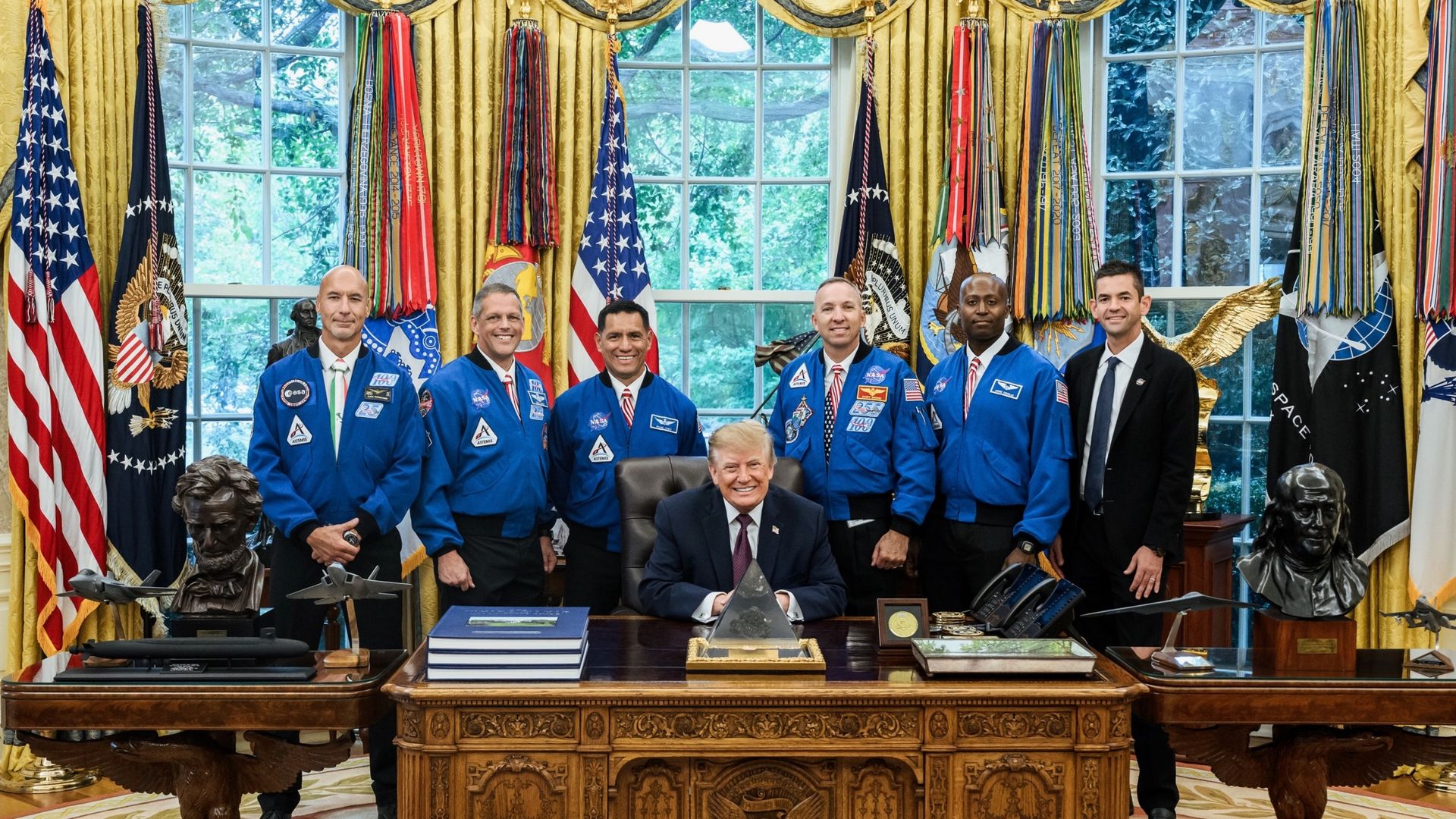
The astronauts of NASA's Artemis III mission met with President Trump at the White House on Wednesday (Oct. 28), just as the Artemis II spaceflyers did six months ago.
The gas is a major driver of climate change
Health officials will now allow some levels of a powerful substance to remain in products marketed as natural. The change could help a G.O.P. donor facing wrongful death lawsuits.
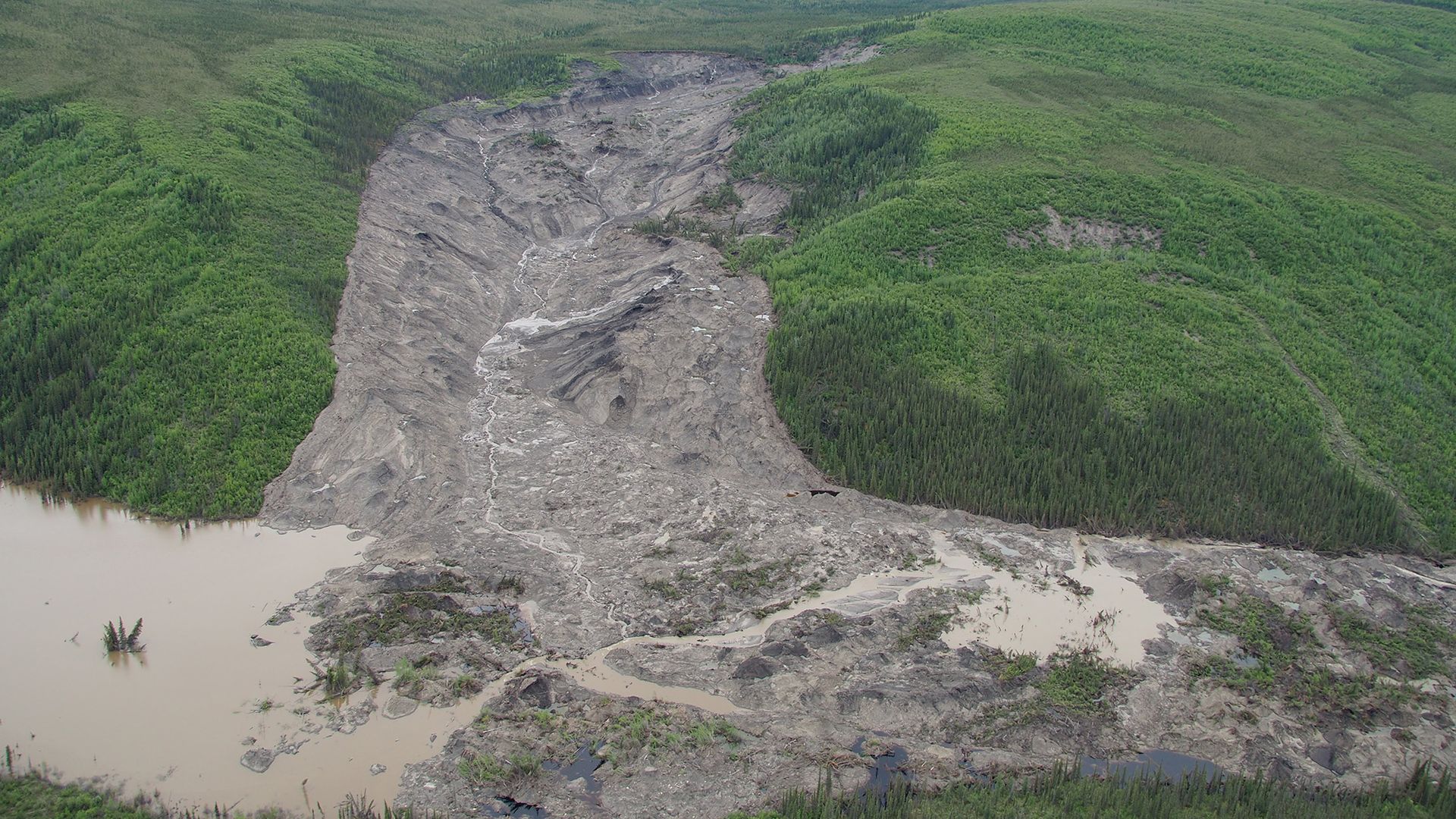
For the first time, researchers have identified a new type of landslide of permafrost in Canada's Northwest Territories.
The Active Denial System uses millimeter waves to heat people’s skin from as far as a kilometer away
Means’s views on the COVID vaccine, raw milk and fluoride have all been criticized by health care professionals
President Donald Trump’s nominee to replace Stone, James O’Neill, has yet to have a confirmation hearing in the Senate, leaving the future leadership of the NSF unclear