El Niño and king tides will tear up California’s coast this winter
Ocean waters off California are already at record heights, setting the stage for a winter of severe flooding
Scientific American · Nov 19

Ocean waters off California are already at record heights, setting the stage for a winter of severe flooding
Scientists at the University of California, Riverside have uncovered a surprising reason why males and females may respond differently to obesity. In a study involving mice, researchers discovered that immune cells traditionally associated with allergies and asthma can either protect against obesity-related inflammation or contribute to harmful metabolic changes, depending on their type and biological sex.
In the lush mountain rainforests of Indonesia, researchers have identified a new species of Asian flying frog with distinctive physical features, calls and unusual egg-laying habits. The discovery is described in a paper published in the journal Zootaxa by scientists from Museum Zoologicum Bogoriense in Indonesia, the University of California, Davis, and other collaborators.
From "three-strikes" laws to longer prison sentences, harsher penalties are imposed in the hope they'll reduce crime. But decades of research show that increasing punishment often does surprisingly little. What if we're missing something crucial? New research from the University of California San Diego suggests one potentially overlooked reason: people's moral motivations for breaking the law in the first place.
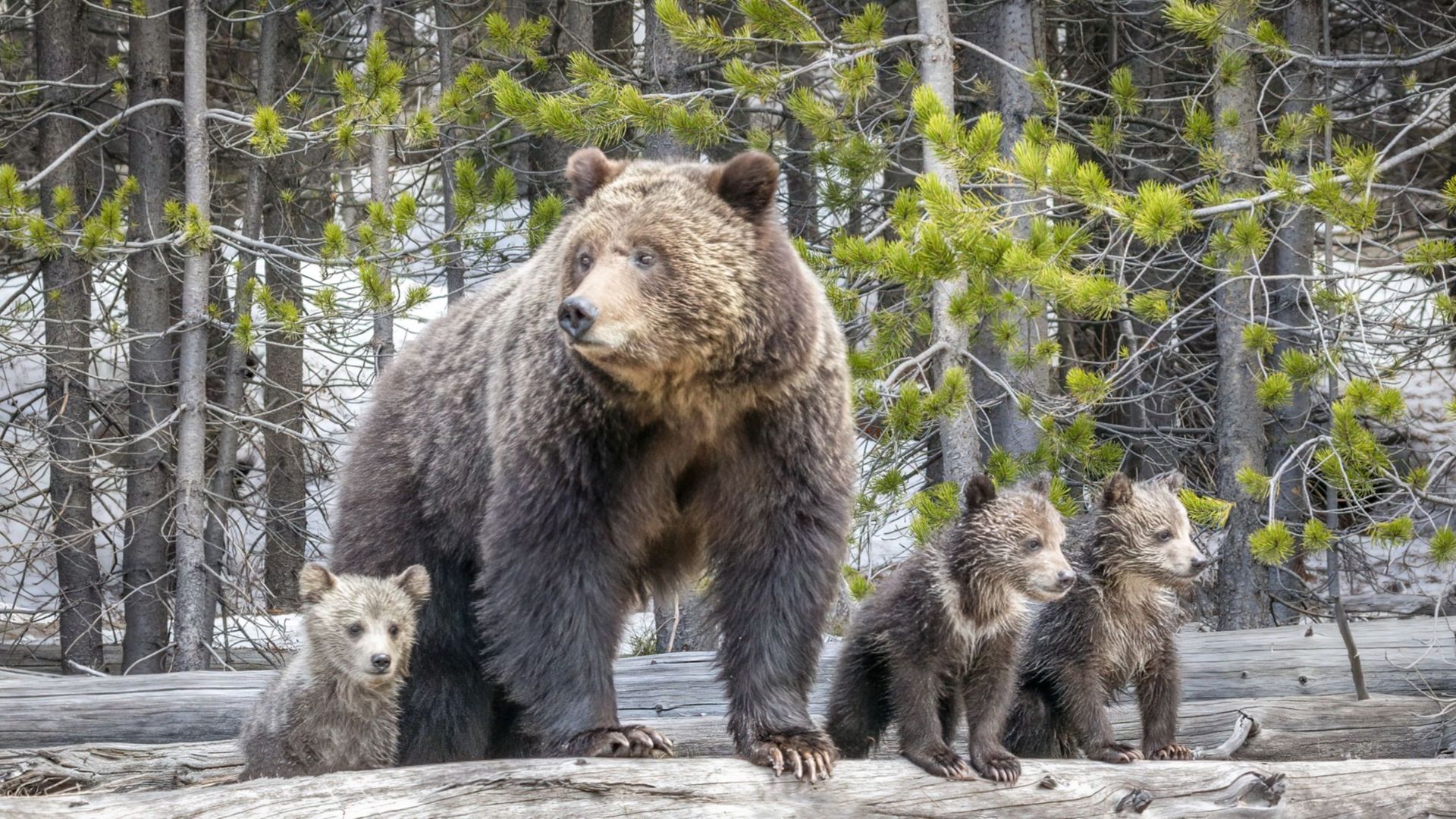
In this excerpt from "Start With a Bear," author and environmental historian Peter S. Alagona looks at the models used to develop the U.S. grizzly bear recovery program, and how California could make an ideal home for a new population.
Water flooded the pasture, spilling from an irrigation pipe tucked alongside a hill at the Sierra Foothill Research and Extension Center, a University of California research facility located about 20 miles (32 kilometers) east of Yuba City. For more than three hours, starting at 6 a.m. this summer day, the water had seeped into the soils beneath the yellow-green grass, spreading to various depths while flowing downslope toward its destination.
California was bracing Friday for a storm series packing heavy rain and surf that could once again flood coastal communities and potentially send monster waves pounding shores.
To reduce nitrogen pollution stemming from synthetic fertilizer and livestock waste, California's Central Valley relies on five data sets to estimate surplus nitrogen. However, most parts of the United States use just one or two data sets—the U.S. Department of Agriculture's agricultural survey and census—to estimate nitrogen surplus.
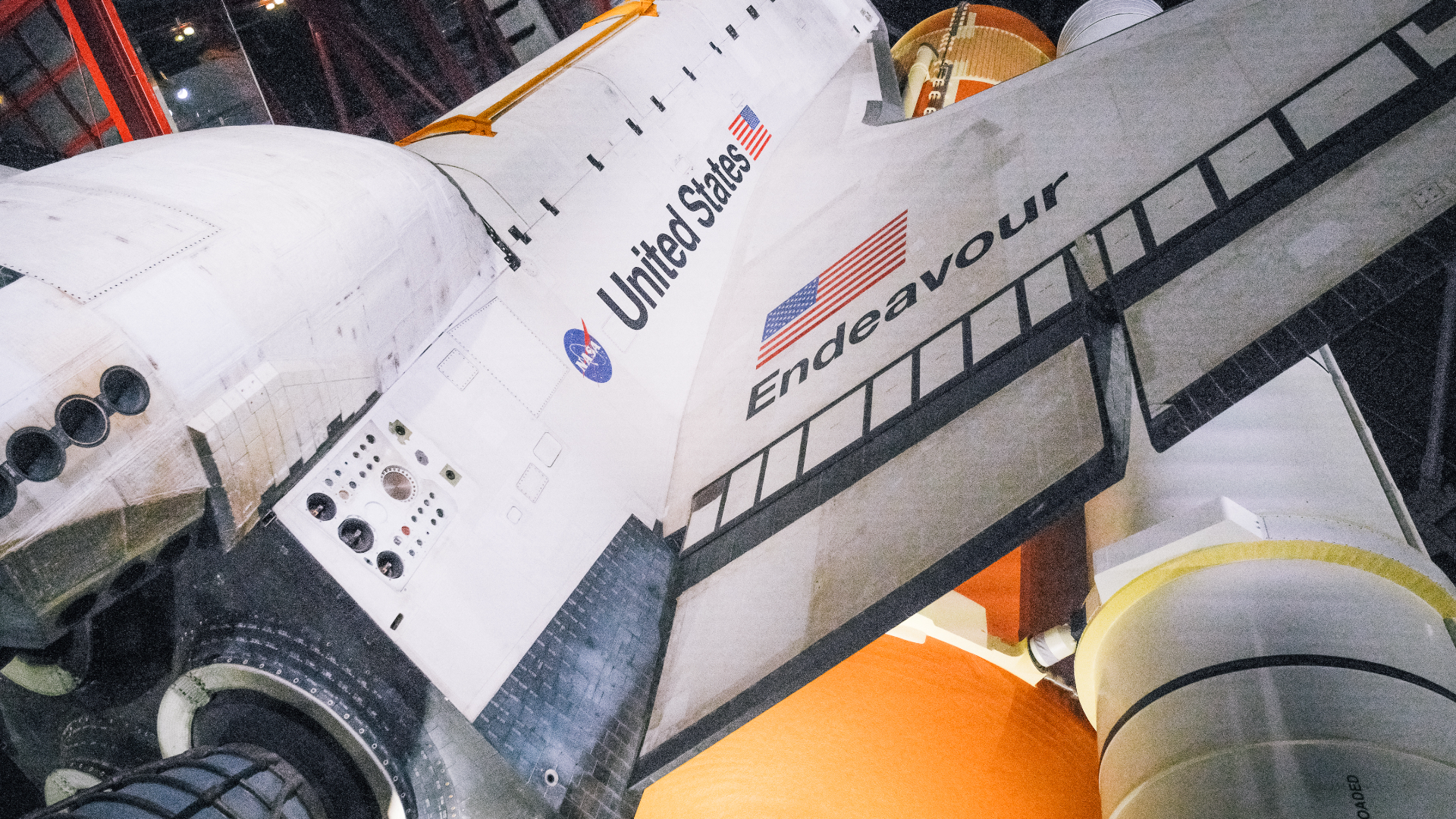
The California Science Center's brand-new Samuel Oschin Air & Space Center —the home of NASA's space shuttle Endeavour —officially opened to the public today (Nov. 13).
The Space Shuttle Endeavour has been on display in California since 2012 — not long after NASA ended the program. Now, the California Science Center is showing off the shuttle in a new way.
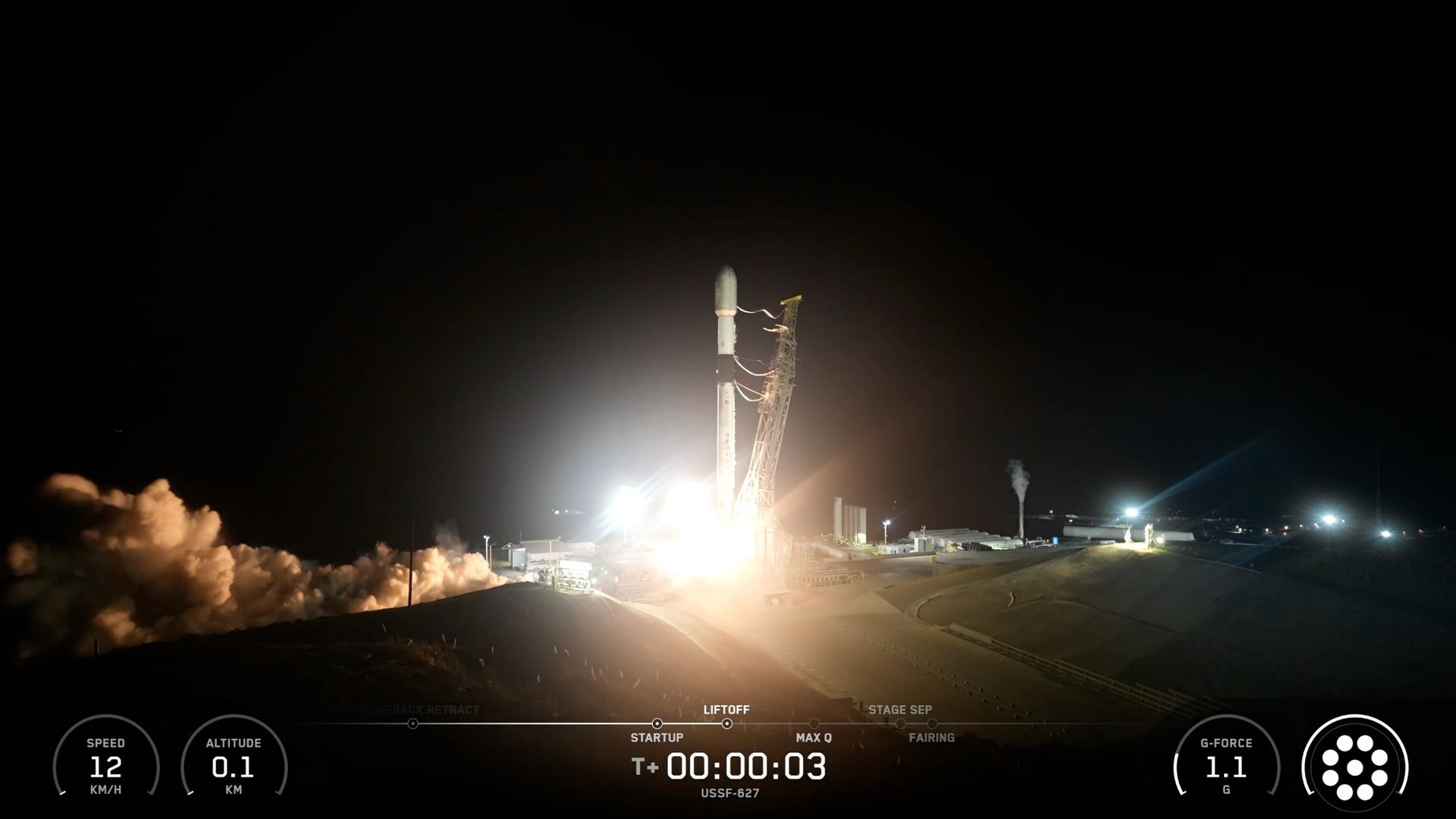
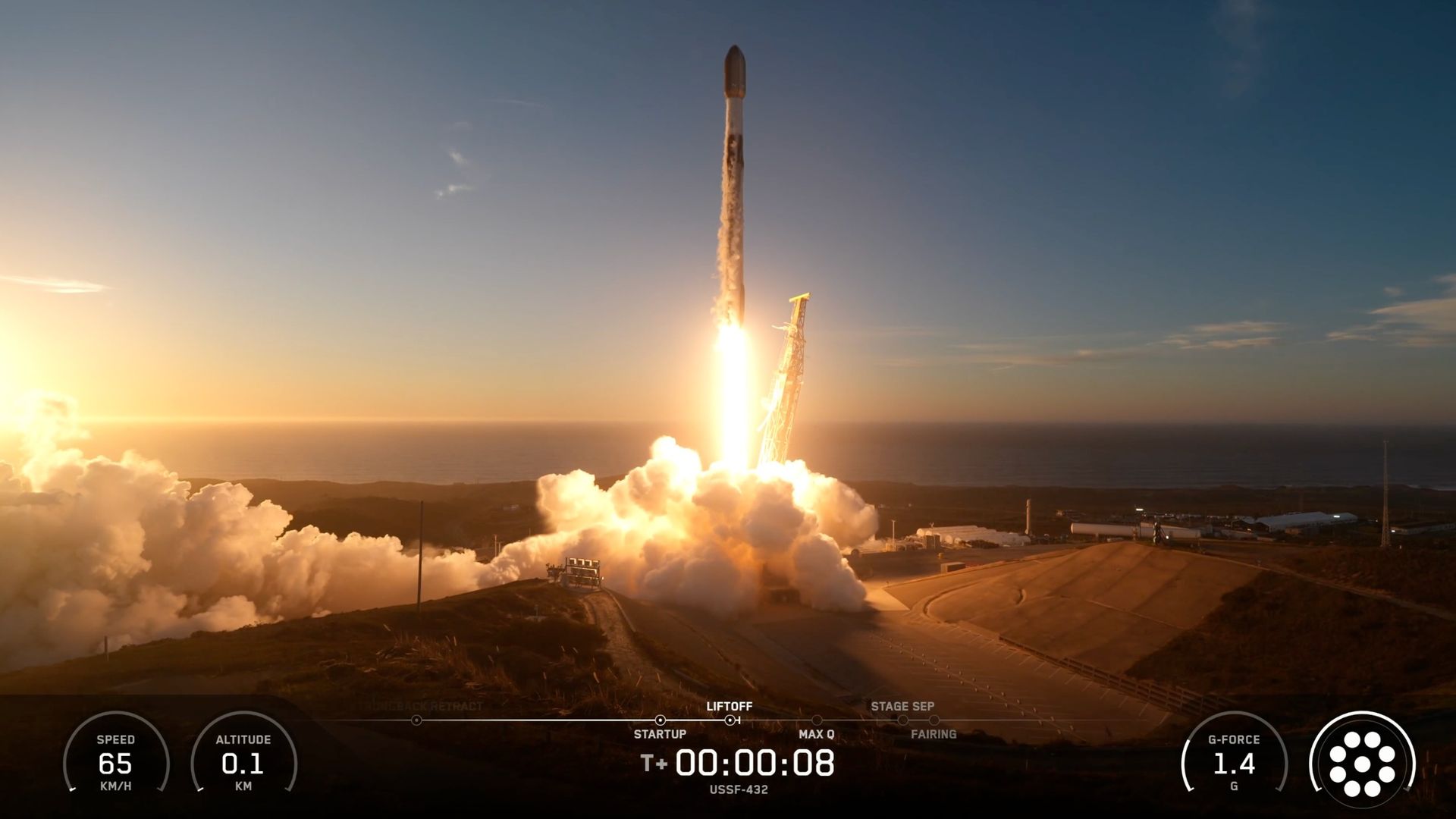
SpaceX launched a classified mission for the U.S. Space Force from California tonight (Nov. 11), the second such mission for the company in a six-day span.
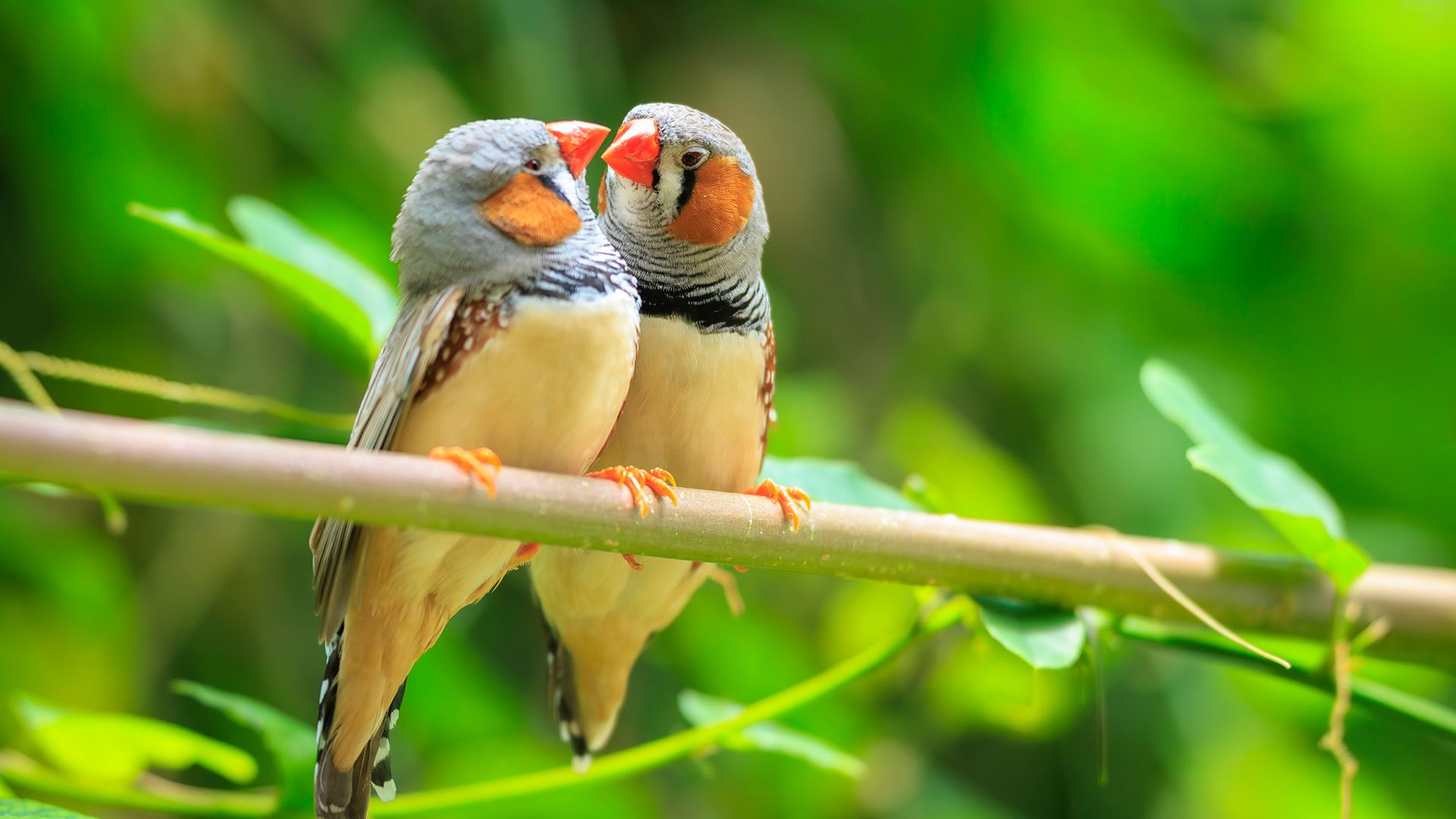
Julie Elie , an ethologist at the University of California, Berkeley, tells Live Science about using AI to decode the vocalizations of zebra finches.
Rising sea levels and violent weather are testing residents in some of the most picturesque cities along the Pacific Coast.
A research team led by professor Seong Sik Shin of the SKKU Advanced Institute of Nanotechnology (SAINT) at Sungkyunkwan University (SKKU), in international collaboration with the Korea Research Institute of Chemical Technology (KRICT), the University of California, San Diego, and Princeton University, has developed a next-generation perovskite semiconductor thin film with dramatically reduced defects. Using the same material platform, the researchers demonstrated both high-performance solar cells and LEDs.
SpaceX launched a classified mission for the U.S. Space Force from California this evening (Nov. 6). It was the company's 125th liftoff of 2026.
NASA has successfully demonstrated technology designed to help spacecraft autonomously navigate to safe landing sites on the moon and on other planets. An Alta-X drone equipped with the agency's Safe and Precise Landing—Integrated Capabilities Evolution (SPLICE) guidance, navigation and control payload completed simulated lunar descent and landing maneuvers Aug. 27. The flight took place at Rogers Dry Lake near NASA's Armstrong Flight Research Center in Edwards, California.
A new study published in the journal Ecography finds that there are more than 60,000 different species of insects in California—and scientists have only described about two-thirds of them.
California has had relatively few major wildfires since the January 2025 Los Angeles fires, but unmet priorities could spell disaster at any time.
A space capsule 300 miles above us is growing the tiny crystals of a potential cancer drug in microgravity Roughly 300 miles above our heads, three washing machine-sized capsules are orbiting the Earth. Inside one of them, tiny crystals of a potential cancer drug are being grown in the weightlessness of space. The others are testing heat protection materials and navigation systems for when the capsules plunge back through Earth’s atmosphere at hypersonic speeds. Together, they represent a small but significant step towards what some hope will become a lucrative new industry: manufacturing drugs and other materials in space. The spacecraft belong to California-based Varda Space Industries. On 1 October, it launched two onboard the same rocket, followed by the third on 20 October. With a record three spacecraft now simultaneously in orbit for the first time, the company is edging closer to its ambition of operating a fleet of orbiting pharmaceutical factories. Continue reading...
A study co-led by a University of California, Riverside, biomedical scientist has identified new targets for coronavirus antiviral drugs, including treatments that may be less vulnerable to the rapid evolution of these viruses.
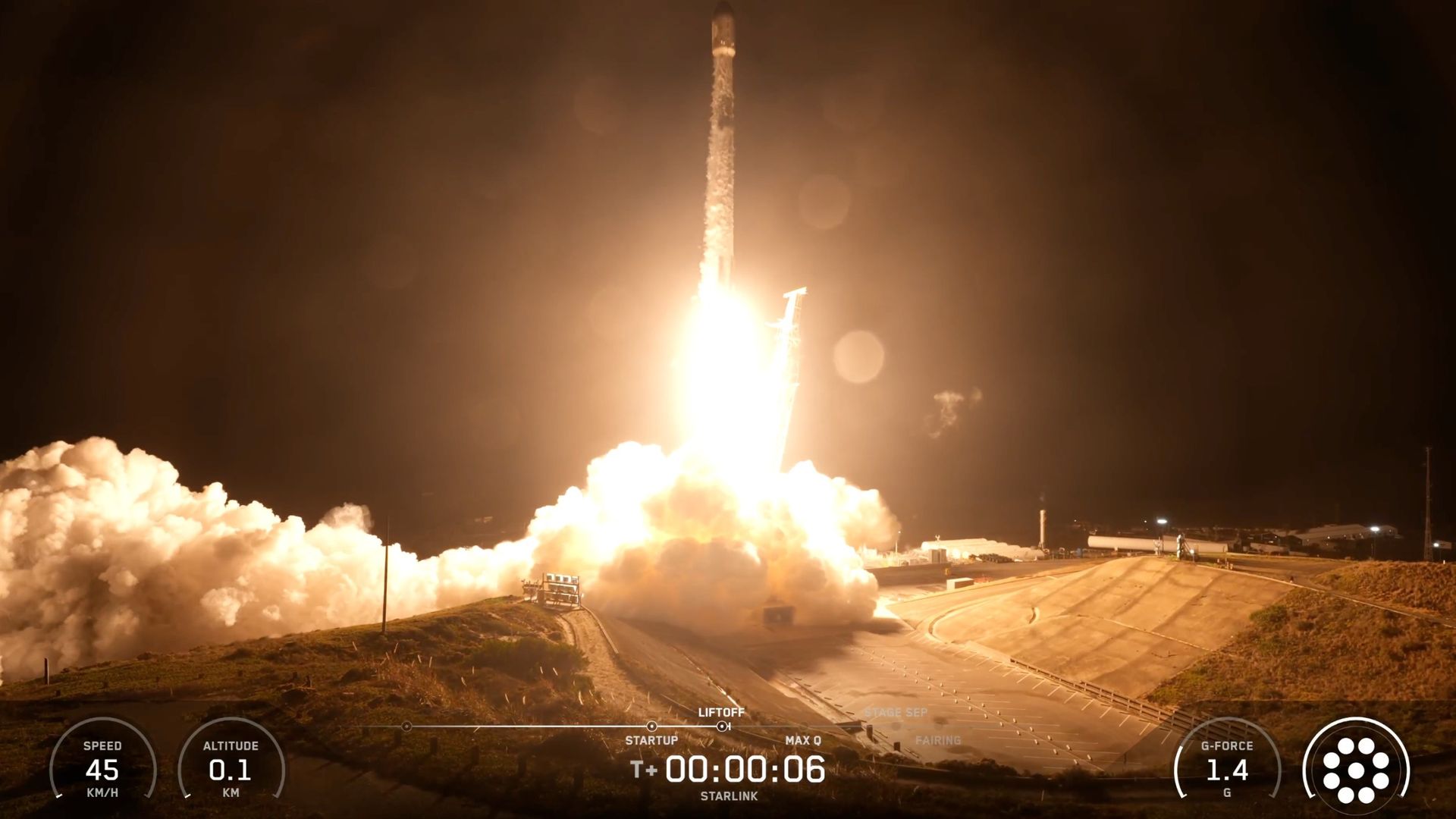
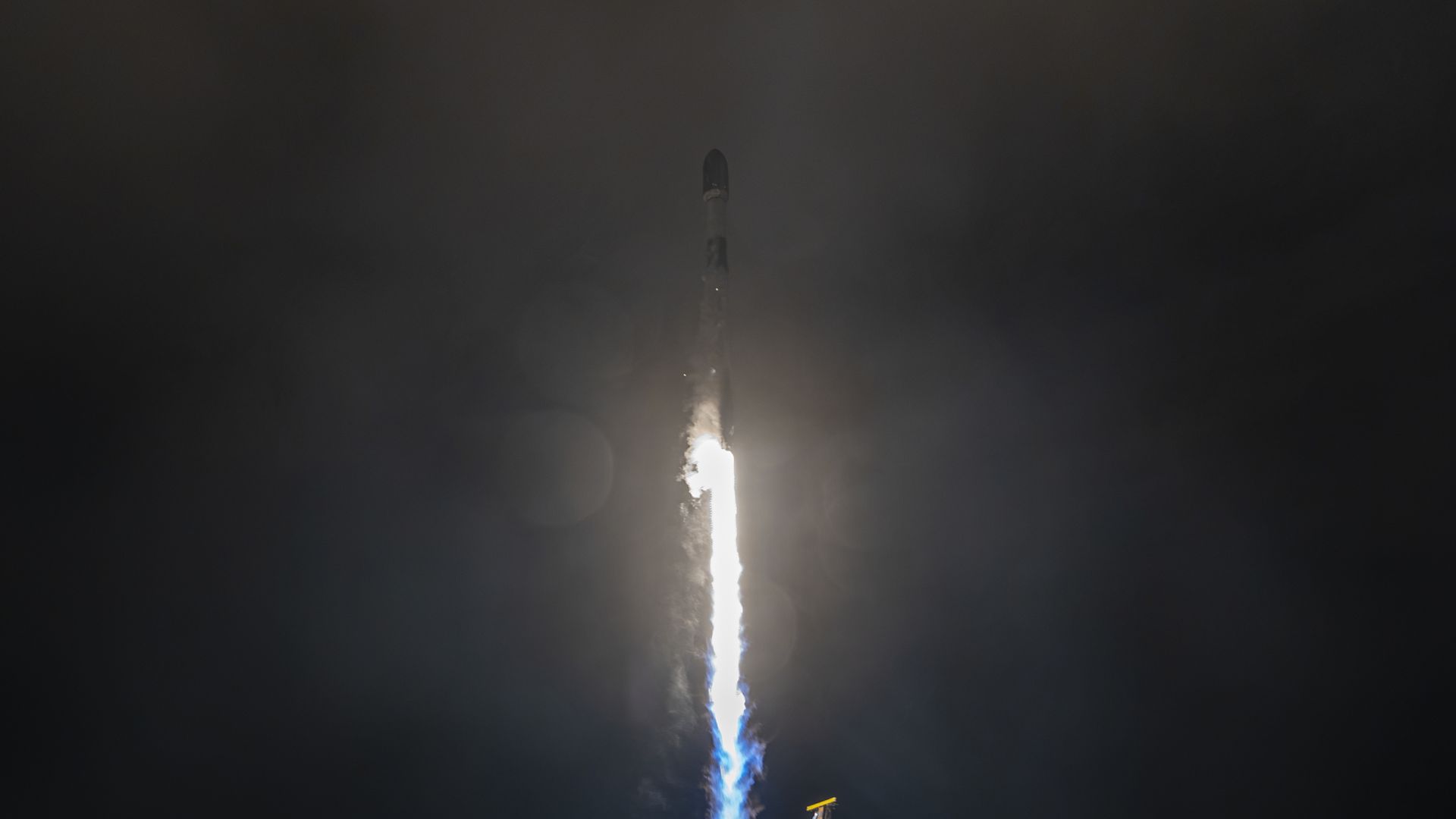
SpaceX sent another batch of its Starlink broadband satellites to orbit from California just after midnight on Halloween (Oct. 31).
Reid Wiseman, now a retired emeritus astronaut, will become deputy director of the Jet Propulsion Laboratory, NASA’s premier center for deep-space robotic missions.
SpaceX launched 27 more Starlink satellites to low Earth orbit overnight (Oct. 27), aboard a Falcon 9 rocket that lifted off from California in the wee hours of darkness.