Fossil fuel dispute threatens to derail COP31 climate deal
The UN summit in Turkey enters second day of overtime as countries struggle to reach an agreement.
BBC News · 17h ago

The UN summit in Turkey enters second day of overtime as countries struggle to reach an agreement.
BBC Climate editor Justin Rowlatt reports from the COP 31 UN climate summit in Antalya, Turkey.
As the climate warms, thousands of glacial lakes are growing behind potentially unstable natural dams. Despite the potential risk of flooding to communities downstream, these lakes remain outside formal safety regulation.
The burning of fossil fuels such as coal, gas and oil is the primary driver of climate change, but clean energy strategies to achieve net-zero greenhouse gas emissions do not systematically alleviate other environmental problems. In fact, some pathways add pressure on natural resources like land, water and minerals.
New research from NIHR School of Public Health Research, published in the Lancet Planetary Health, provides new insights into how taking action on climate can impact young people's climate change distress, mental health and well-being.
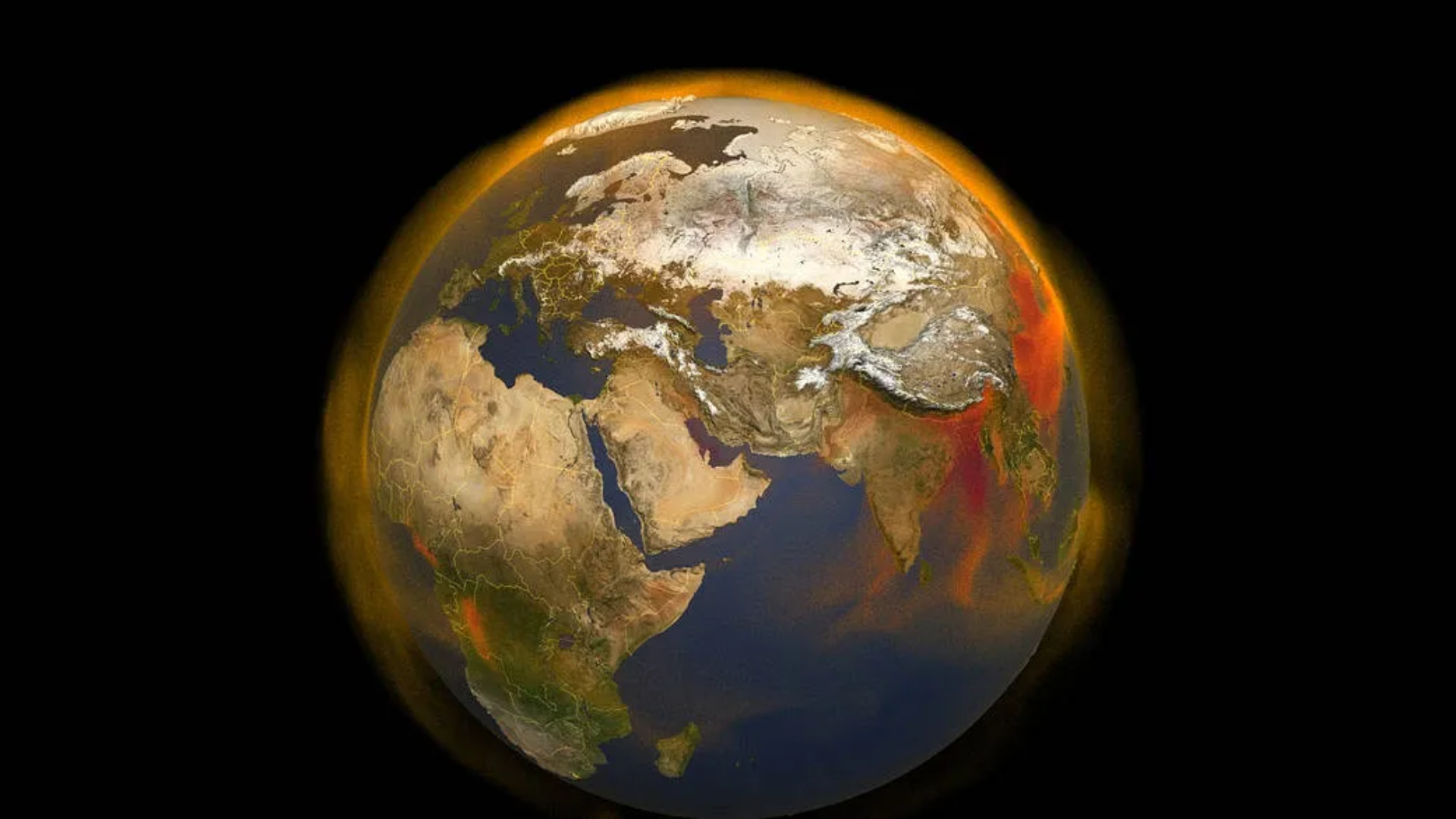
Carbon dioxide (CO₂) has been the poster child of climate change, but another culprit could be flying just under the radar. Methane is a potent greenhouse gas with a global warming potential approximately 84 times greater than that of CO₂ over a 20-year period. Fortunately, methane remains in the atmosphere for only about a decade, and reducing its emissions could provide rapid climate mitigation effects.
The U.N.'s COP31 climate talks enter their endgame Friday, with countries sharply divided over a draft deal lacking any mention of planet-heating fossil fuels, threatening to push the negotiations into overtime.
New research from UCT says nature-based solutions for climate adaptation must move beyond participation to power-sharing partnerships that recognize lived experiences and relationships with nature.
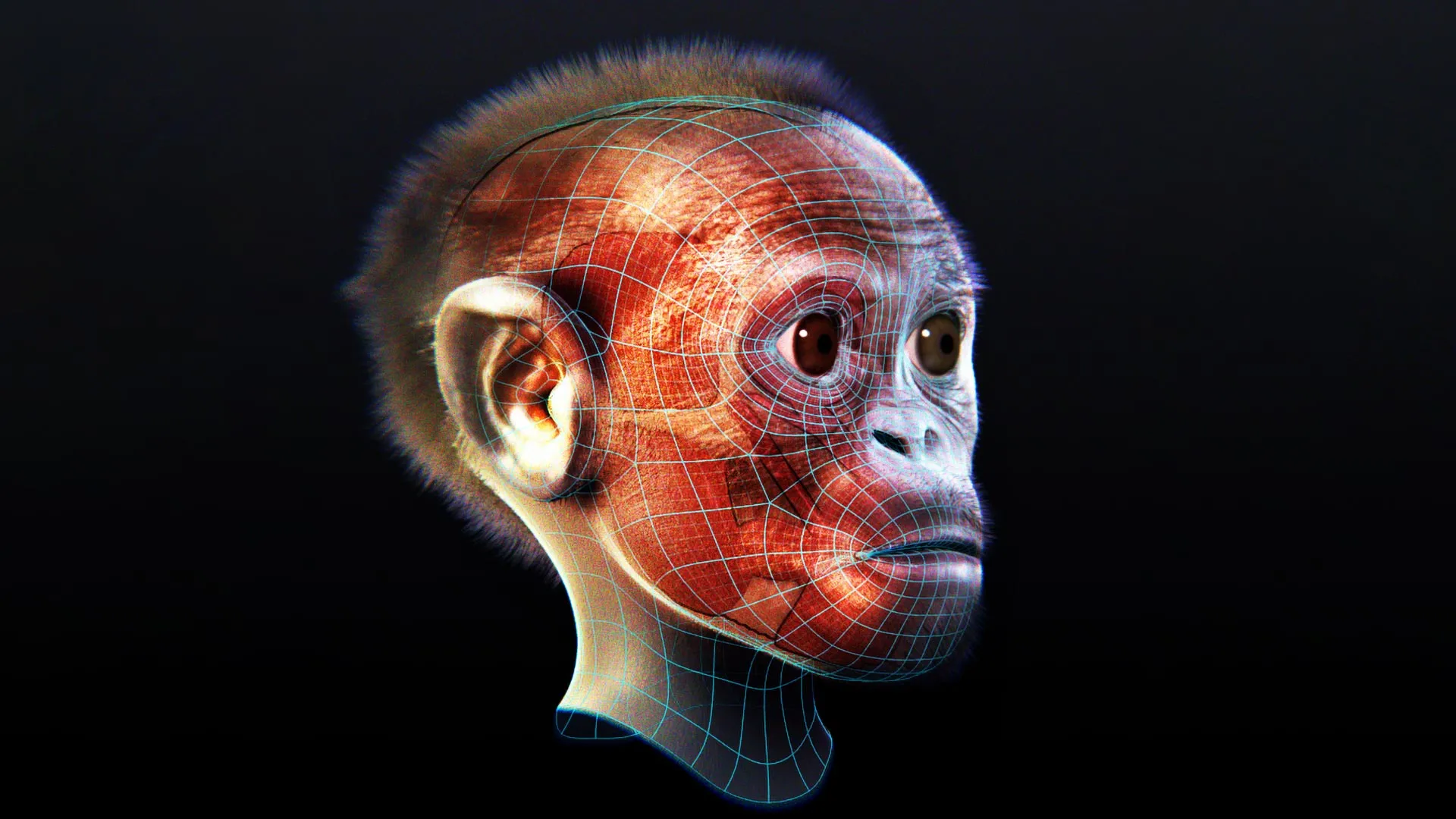
A groundbreaking study of the 3-million-year-old Taung Child fossil suggests that several ancient human ancestors once thought to belong to the same species may actually represent different branches of our evolutionary family tree. The discovery challenges a century of assumptions and reveals how dramatic climate changes helped shape a surprisingly complex story of human origins.
Climate change is a global reality, but people often encounter it through different local realities. For some, it enters everyday life through social media feeds, news reports, scientific findings and public discussion. For others, it is through water scarcity, food insecurity, floods, heat waves, wildfires or the loss of a home or a loved one.
Experts were puzzled when satellite observations showed a volcano in Ethiopia emitting huge quantities of methane despite not erupting, but a team of researchers led by the University of Bristol believe they have discovered why this happened—and their findings could have implications for historical climate change research.
Mosquitoes play a major role in spreading malaria, and understanding how they adapt to climate change is important for improving malaria prevention and control.
Researchers at the Department of Paleontology at the University of Vienna compared fossil and modern ear stones of the black goby (Gobius niger) from the northern Adriatic Sea to reconstruct its growth history over the past 8,000 years. The surprising result: while body size remained remarkably stable in the past, today's black gobies grow faster and reach larger sizes—even as the Adriatic Sea is warming rapidly. The study is now published in Proceedings of the Royal Society B.
Ecosystems can buffer the impacts of climate change and humans for only so long before an ecological turning point is reached, a new study on Aotearoa New Zealand's extinct mātuhituhi—bush wren—has highlighted.
Stopover sites are more than just places for migratory birds to rest and refuel. They also help birds adapt to climate change, according to research by Leiden ecologist Yali Si.
Australia's Safeguard Mechanism (SGM) is failing to reduce emissions and drive decarbonization in the industrial and mining sectors because of an overreliance on cheap, low-integrity offsets, according to a new report titled "Phantom Forests and the Safeguard Mechanism: How Low-integrity Offsets are Obstructing Climate Action."
Anger and frustration can run high in online discussions about climate change. But a new study led by Nanyang Technological University, Singapore (NTU Singapore) suggests that hostility in these conversations tends to follow earlier hostility, hinting that people may pick up uncivil behavior from others.
A new study from NTNU's Industrial Ecology Programme examines the proportion of greenhouse gas emissions from transportation compared with food production.
Johan Rockström, one of world’s leading climate scientists, says stopping panel from working as quickly as possible is inviting disaster Climate science is “foundational” to the Paris agreement and worldwide progress on tackling global heating, and attempts to delay new scientific reports threaten global cooperation on tackling the crisis, one of the world’s leading climate scientists has warned. Johan Rockström, the director of the Potsdam Institute for Climate Impact Research, said the world’s leading body of climate scientists, the Intergovernmental Panel on Climate Change, must be allowed to work as quickly as possible on its next comprehensive assessment of global knowledge of the climate systems . Continue reading...
Bats carry some of the world's deadliest viruses. Now, as climate change, extreme heat and habitat destruction intensify, so too could the risk of these diseases spreading to humans, according to new Adelaide University research.
With El Niño winter storms rolling in, coastal communities will naturally brace for the obvious: surging high tides, pounding waves and seawater spilling over seawalls. Decades of storm coverage have encouraged us to measure climate risk by what crashes onto the shoreline.
The Indian space-tech startup SatLeo Labs is betting that near-real-time temperature data from satellites can help the world stay ahead of escalating climate disasters.
A study published in Sustainable Development that analyzed the relationship between climate change and income inequality for 23 emerging market economies from 2002 to 2022 found that greater climate pressure is positively associated with income inequality across three different inequality indicators (the Gini coefficient, the Palma ratio and the Theil index). Per capita income and institutional quality were negatively associated with inequality, whereas unemployment was positively associated with it.
On Aug. 26, 2026, a huge mass of rock and ice broke away at an altitude of around 5,200 meters (17,100 feet) in the Himalayas. Within minutes, it became an avalanche of debris and water that hurtled down toward the Nepal-Tibet border, with such force that the seismic signals were initially mistaken for an earthquake.
A study by the University of Córdoba (UCO) departments of Forest Engineering and of Botany, Ecology and Plant Physiology reveals that the presence of invasive plants in Sierra Nevada and the Sierra de los Filabres—two mountain ecosystems in Andalusia that are especially vulnerable to climate change and home to unique plant species—is currently low. Specifically, invasive plants are most common in the areas closest to the edges of roads, and their presence declines at the highest points of the mountains.
At the COP31 climate summit in Antalya, Turkey, a key question for negotiators is how to get more money to developing countries so they can adapt to a warming world. For the past 30 years, climate talks focused on cutting greenhouse gas emissions and preventing future global warming.
Between 1970 and 2019, tropical cyclones killed nearly 780,000 people worldwide and caused approximately $1.4 trillion in economic losses. As coastal populations continue to grow and climate continues to change, accurate forecasting is essential for saving lives and reducing economic damage.
International climate conferences like the COP31 climate summit, now in its second week, tend to focus on the role of individual countries.
Over the past 800,000 years, Earth's history has been marked by dramatic shifts in climate, swinging from warm periods to cold, when large ice sheets covered much of the Northern Hemisphere and sea ice greatly expanded. The transition between the two climates is paced by the Earth's orbit with respect to the sun, but changes in the amount of carbon dioxide (CO2), a greenhouse gas, also affect global temperatures. By understanding how CO2 is exchanged between the atmosphere and the ocean, scientists hope to apply that knowledge to future climate scenarios.
The global shift toward cleaner energy raises a difficult financial question: Are fossil-fuel companies worth more than they should be because investors have not fully accounted for the risks of climate change and stronger climate policies?
A working quarry isn't a pretty sight. Dust and bare rock, deep cuts into a hillside that appear like steps made for a giant. Nothing grows here, or so you would assume.
Ireland could become a key player in Europe's transition toward greater food security and sustainable agriculture, according to new research led by researchers from University College Cork (UCC) and Teagasc.
The ocean is changing rapidly. Warming, acidification, oxygen loss, sea-level rise and the intensification of extreme events are transforming marine ecosystems, leading to species shifts and mass mortality events. However, these impacts are not distributed evenly. There are areas that buffer these effects and act as true "marine climate refugia."
Developing countries hardest hit by climate change were promised a new source of support when governments agreed at the annual global climate change conference in 2022 (COP27) to create a Loss and Damage fund. This fund was intended to help them cope with losses ranging from destroyed homes and livelihoods to the loss of lives and cultural heritage.
Delegates from around the world are currently gathering in Antalya, Turkey, for COP31. Among the issues up for discussion will be an important question: Who should pay for the harms caused by climate change?
The oldest evidence of domesticated corn dates back more than 9,000 years and was found in the lowlands of the Balsas River Valley in southwest Mexico. Around that time, nomadic hunter-gatherers began selecting, collecting and planting seeds from desirable versions of an annual grass now known as teosinte.
Artificial intelligence models are easy to pressure into giving out false climate information despite being initially reliable, finds a new UNESCO-UCL report to be launched at an international conference.
How archaeologists solved a Roman-era frog whodunnit, what SciAm was covering back in the day, and why fossil fuel emissions are dropping this year
Global temperatures may continue to rise even after human CO₂ emissions stop. The temperature change that follows is known as the zero emissions commitment (ZEC), and it is often assumed to be close to zero. A study led by the Met Office Hadley Center, with co-authors from several institutions including the University of Liverpool, found that the temperature response depends on how much warming has already occurred.
Indigenous farmer Banu Ismahasan walks through a golden field of tall stalks in southeastern Taiwan, harvesting by hand the grain heads of an ancient crop resistant to extreme weather.
For a decade, the 1.5C goal has served as the north star of climate action, a line nations pledged to hold to avoid the worst ravages of a warming planet.
A study published in Frontiers in Sustainable Food Systems reveals that, although partnerships and institutional collaboration feature prominently in climate-oriented agricultural research, their relationship with the scaling of innovations is rarely explicitly documented. The findings highlight the need to better understand the role of social relationships to strengthen the design, monitoring and evaluation of scaling processes.
Climate change could force more than 200 billion people from their homes even as countries spend billions on securing their borders, the head of the U.N.'s migration body said Friday.
New research published at COP31 issues a stark warning about the health of the frozen parts of the planet—ice sheets, mountain glaciers, sea ice, permafrost and snow cover—known as the cryosphere. The study, published in Science, finds that human-driven climate change is degrading these landscapes beyond safe environmental limits, systematically threatening the Earth system conditions on which humanity fundamentally depends.
While young people are constantly exposed to news about climate change, their resulting anxiety does not always translate into environmental action. A new study published in Climate reveals that the relationship between climate distress and climate action is highly complex. While worry pushes some youth to seek solutions, it causes others to freeze up.