Do the Shetland Isles need Cold War-style military protection?
Calls are being made for the defence of the Shetland Isles to be strengthened after increased sightings of Russian trawlers off the coast of Scotland.
BBC News · 4h ago

Calls are being made for the defence of the Shetland Isles to be strengthened after increased sightings of Russian trawlers off the coast of Scotland.
As a high school or college student, you might sometimes find yourself putting off studying to do other tasks even when an important assessment deadline or exam is looming over you.
This Roman glass cup can change from jade green to ruby red, and it features a mythical king who tried to banish Dionysus.
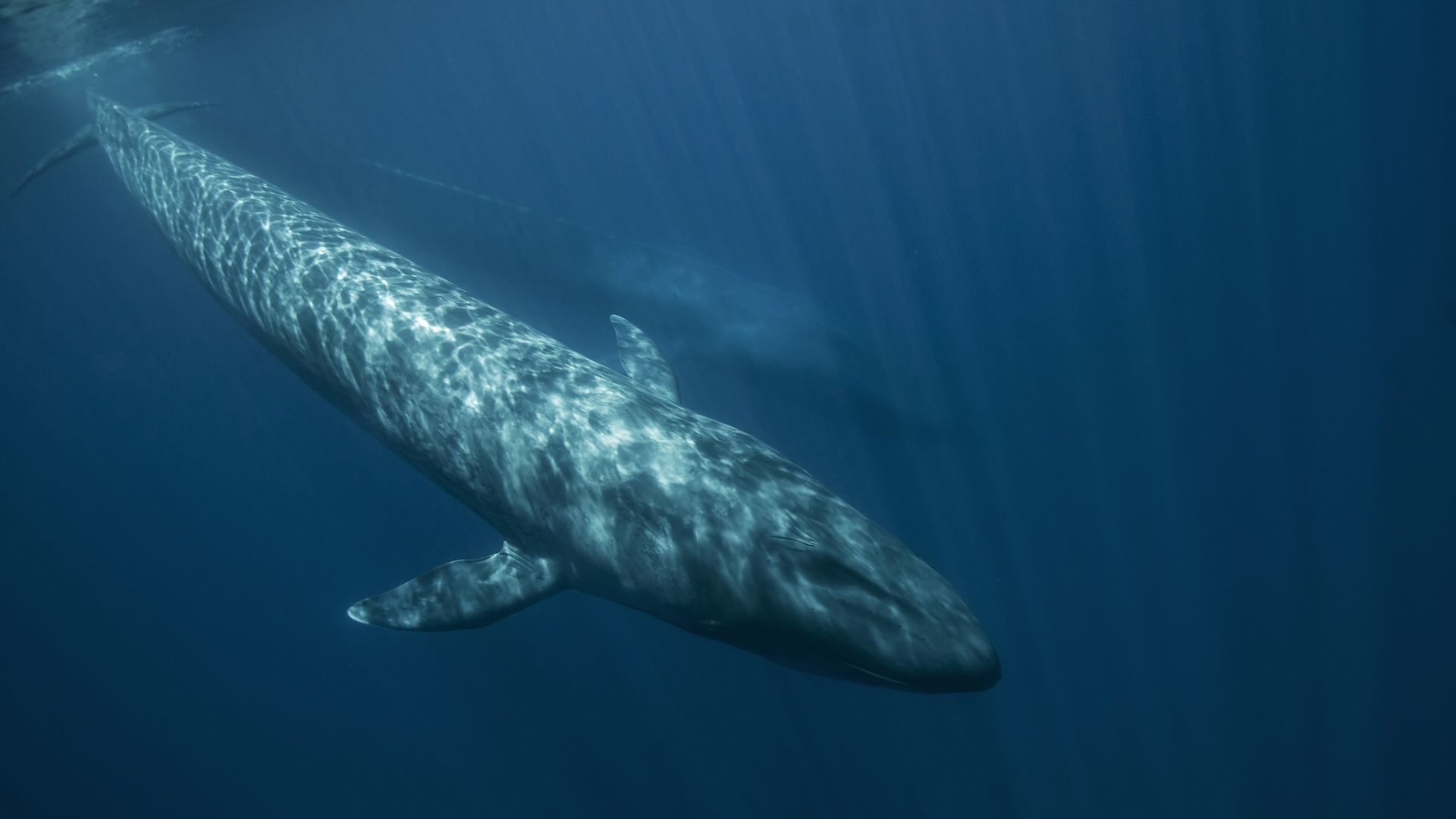
Blue whale sightings have fallen off dramatically near the Galápagos. El Niño may be to blame.
Striped bass fishing has been Bill Jakob's passion for more than 60 years, and he remembers an era when he'd spend all night casting his line into the crashing waves off Montauk and get eight or nine fish ranging up to 40 pounds (18 kilograms), a big catch by anyone's standards.
Every day, two NASA space instruments known as the Orbiting Carbon Observatory-2 and -3 (OCO-2 and OCO-3) capture more than a million observations of sunlight reflecting off Earth's surface. Using the physics of how light travels through the air, an algorithm converts these raw data into atmospheric carbon dioxide (CO₂) concentrations.
In beef cattle production, determining the ideal time to sell makes all the difference in a producer's costs. This is because, once an animal reaches its natural growth limit, it stops gaining weight significantly. From that point on, every additional day in a feedlot means spending money on feed without gaining meat in return.
Richard Dawkins’ first work has thrilled fans and frustrated critics for five decades. The science has moved on, but any writer looking to supplant its place must learn its lessons Richard Dawkins’ The Selfish Gene was not predicted to be a success. Its initial print run, published this week in 1976, was just 5,000. It went on to sell millions, and is perhaps the most influential work of pop-science ever. For 50 years, it has been the go-to resource for the layperson seeking to understand evolution. What accounts for its enduring power? Prof Dawkins’ central claim, that “we are survival machines – robot vehicles blindly programmed to preserve the selfish molecules known as genes” was provocative, stripping the messy stuff of human and other life down to a simple law. And yet the book is primarily concerned with proving that complex, selfless behaviour such as altruism in animals can emerge from these basic “selfish” drives, satisfyingly resolving an apparent paradox. Prof Dawkins – a zoologist by training – also succeeded in conjuring entertaining, vividly drawn vignettes of the lives of animals, from lions and ants to hawks and honeybees, to make his points. Do you have an opinion on the issues raised in this article? If you would like to submit a response of up to 300 words by email to be considered for publication in our letters section, please click here . Continue reading...
Virgin Galactic's first "Delta-class" space plane, the newly named Apeiron, lifted off for the first time on Thursday (Oct. 29) —beneath the wings of its carrier aircraft.
Oxford study shows Manx shearwaters get lost when their body clocks get out of sync Seabirds returning from foraging trips can be thrown hundreds of miles off course by a form of jet lag that arises when their body clocks get out of sync with local time, researchers say. Tracking data from Manx shearwaters on the west coast of the UK revealed that when the birds returned home to their colonies after trips over the Atlantic, their rapid eastward flights disrupted their sense of time and navigation. Continue reading...
Blasted off Mars by a giant impact long ago, the meteorite Teghaza 001 eventually fell to Earth in the Sahara Desert. Now it’s revealing previously hidden chapters of Mars’s deep past
Large batteries that store electricity have revolutionized power grids and car markets. Now some start-ups are betting that “heat batteries” could be just as transformative.
Energy provider SSEN says 2,000 properties in the north of Scotland are still without power after days of high winds and heavy rain.
Spaceplanes could take off on regular flights from Cornwall following an agreement.
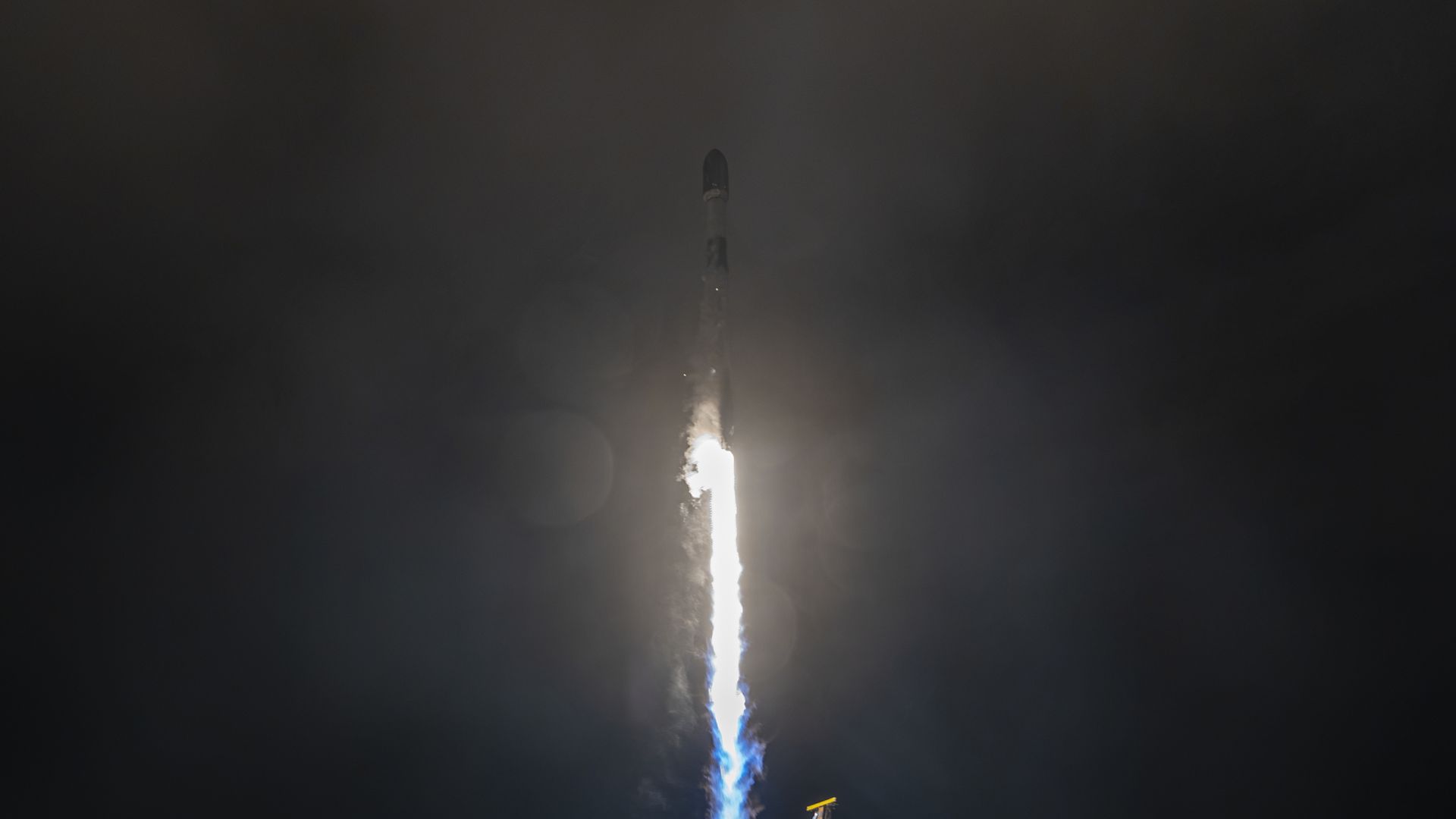
SpaceX launched 27 more Starlink satellites to low Earth orbit overnight (Oct. 27), aboard a Falcon 9 rocket that lifted off from California in the wee hours of darkness.
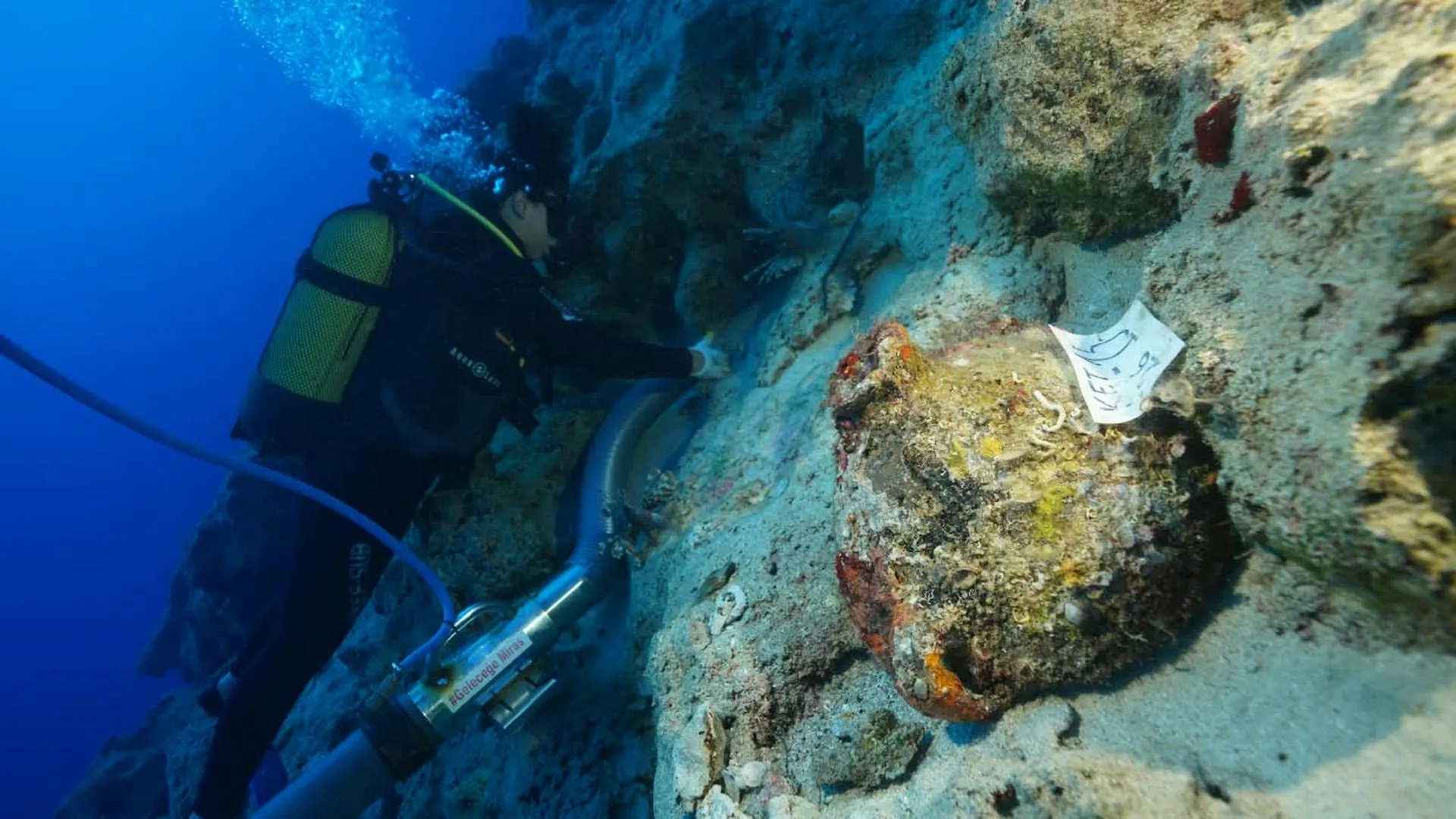
A mysterious shipwreck off Turkey’s coast may be the oldest ever discovered, dating back approximately 4,500 years to the age of the Egyptian pyramids. Although the wooden vessel has disappeared, its surviving pottery cargo reveals clues about an ancient trading network that may have connected distant Mediterranean civilizations. Researchers believe the ship may have crashed against rocks during a storm while transporting valuable goods such as oil, wine, or tree resin.
Crews and control centre staff say the fires were relentless with many firefighters still off work injured.
Researchers filmed dwarf reed snakes ( Pseudorabdion ) from different angles to better understand how the serpents pull off their remarkable rolling behavior.
A spacecraft is set to launch on an ambitious mission to bring 10g of Martian moon dust back to Earth.
Archaeologists say the wreck is up to 4,700 years old, dating to the Early Bronze Age.
Elon Musk's aerospace company, SpaceX, launched its massive Starship rocket in its first test flight since the company went public. Since achieving the largest IPO in history, SpaceX's stock has dropped drastically. Mark Strassmann takes a look.
More than three million people in the UK work night shifts, which can greatly impact their health. What can be done to help them?