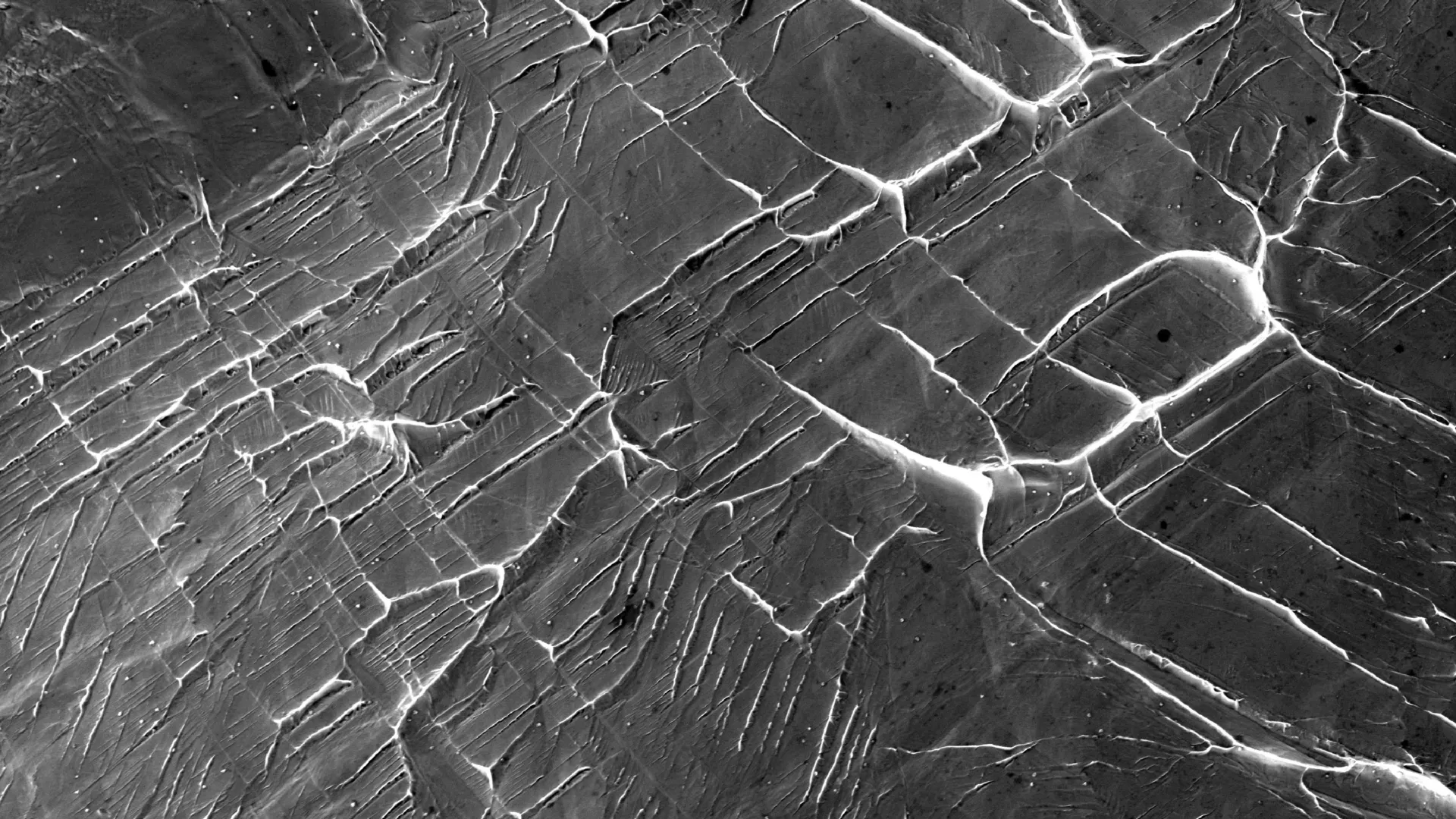
Scientists have discovered a surprising mechanism that allows certain metals to resist cracking at temperatures as low as -253°C (-424°F), when similar materials typically become dangerously brittle. Instead of breaking, two experimental alloys reorganize their internal structures, creating new ways to absorb stress and remain flexible.
Results for “deep purple”
A mile beneath the Black Hills, scientists are building giant detectors to analyse neutrino particles – and possibly find the answer to existence For more than a century, the mining town of Lead, in the Black Hills of South Dakota, attracted workers with a taste for gold. Now, a flagship experiment being built in the old mine is drawing scientists in search of more intriguing riches: answers to the deepest mysteries of the universe. Construction of the Deep Underground Neutrino Experiment (Dune) in the former Homestake mine is due to start on Monday. Engineers will begin assembling four giant detectors inside caverns blasted from rock a mile underground. Continue reading...
Deep in a forest in Indonesian Borneo, conservationists open a cage. A female orangutan and her baby waste little time, clambering up the towering trees and disappearing into the canopy, safe at last.
A doctoral dissertation by Andrea Porcheddu, MSc in the field of Technical Physics will be examined at the Faculty of Science, Forestry and Technology, Kuopio campus.
Scientists have discovered that three bizarre deep-sea fish that look exactly like seahorses actually belong to a separate evolutionary group, proving that nature created the same unusual body shape more than once. Nicknamed "sea muppets," these elusive creatures are known from just seven specimens, and no one has ever seen one alive.
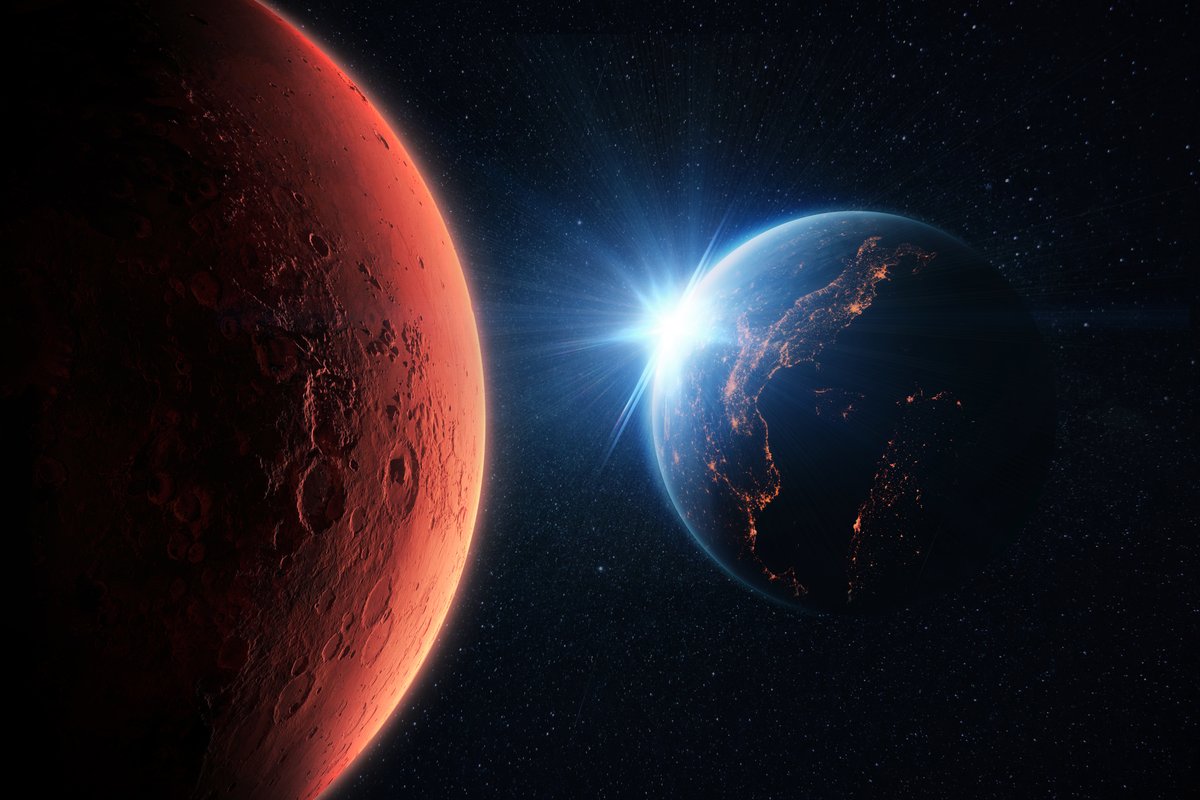
Blasted off Mars by a giant impact long ago, the meteorite Teghaza 001 eventually fell to Earth in the Sahara Desert. Now it’s revealing previously hidden chapters of Mars’s deep past
Reid Wiseman, now a retired emeritus astronaut, will become deputy director of the Jet Propulsion Laboratory, NASA’s premier center for deep-space robotic missions.
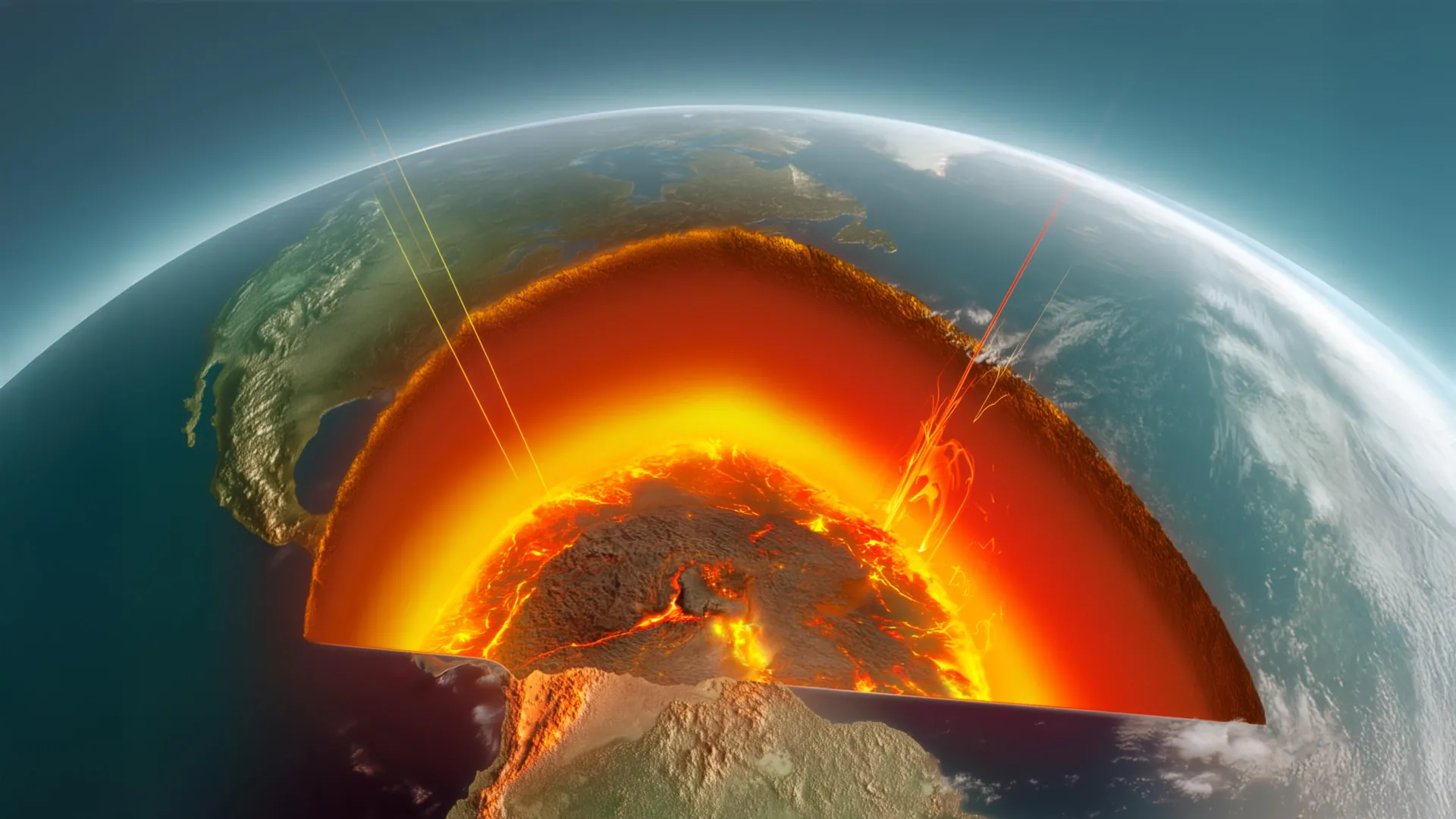
Scientists have discovered that magma deep inside Earth can store surprising amounts of extra oxygen, potentially revealing a hidden contributor to our planet's oxygen-rich atmosphere. The findings suggest that ancient volcanic eruptions may have helped transform Earth's atmosphere billions of years ago, with implications for understanding life on other planets.