TopNewsOn

Results for “don toliver”

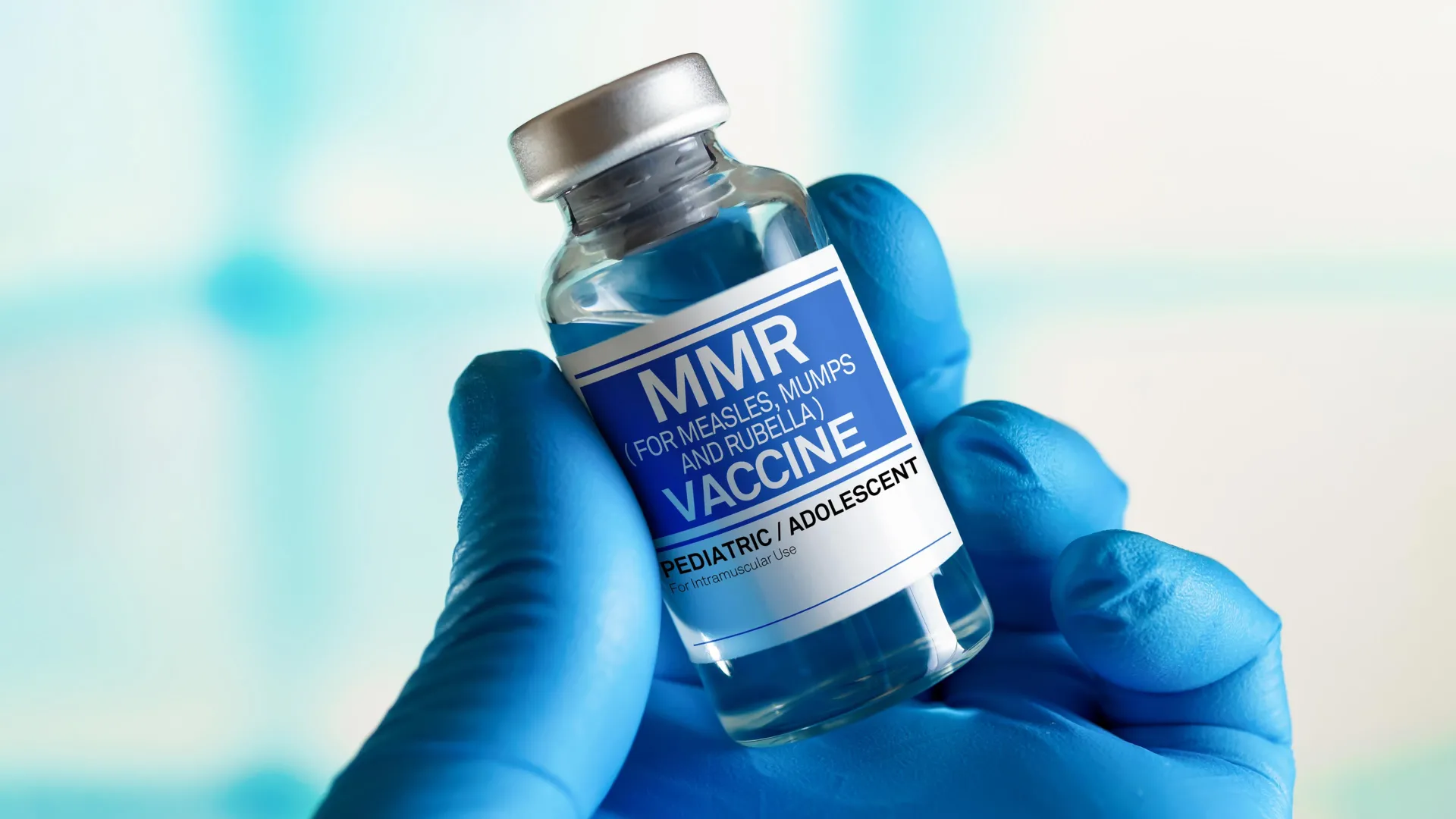
U.S. loses measles elimination status after 25 years as vaccine myths persist

The United States has lost its measles elimination status after more than 25 years, and a new survey reveals widespread misconceptions about the deadly disease and its vaccine. With measles cases surging, more than one-third of Americans still believe or are uncertain about the debunked vaccine-autism link, while most don't know the disease's risks or how many vaccine doses children need.

Science Daily · 12h ago
'Forever' chemicals? Don't be so sure, says engineer

Inside the disinfection room of Baltimore's Ashburton water filtration plant, 14 University of Maryland students clad in hard hats peered up at six towering vats of bleach used to treat water that flows from the distant Liberty Reservoir into the facility, killing bacteria and other pathogens before it's routed to the region's kitchen sinks.

Phys.org · Nov 20
Einstein’s relativity just upended a fundamental rule of chemistry

A surprising discovery at Brown University is challenging one of chemistry's most fundamental textbook explanations. Researchers found direct evidence that Einstein's theory of relativity changes how heavy atoms form triple bonds, causing normally distinct types of chemical bonds to blend together. The breakthrough confirms a decades-old prediction and suggests that traditional chemistry rules don't fully apply to heavy elements such as bismuth.

Science Daily · Nov 20
ESA's Hera probe uses 'superhuman' vision to inspect NASA's asteroid crash site

Around four years ago, humanity intentionally hit an asteroid. The Double Asteroid Redirection Test (DART) was by pretty much all measures a resounding success when it struck the asteroid moonlet Dimorphos going more than 22,000 kilometers per hour (13,700 miles per hour). However, we still don't know just how much of a success it actually was—DART was a one-way mission with no real way to track the results of the impact close up.

Phys.org · Nov 19
Dark personality traits linked to better chance at getting a second date

Some personalities stand out on the first date and end up being asked for a second date, but not the ones we expect. While very few people want to date people with dark traits like psychopathy and sadism, they seem to make a good first impression. Psychopathy involves traits such as manipulation, low empathy and impulsivity, while sadism involves taking pleasure in others' suffering. Yet, on a first date, these traits don't necessarily stop someone from coming across as an appealing romantic partner.

Phys.org · Nov 19
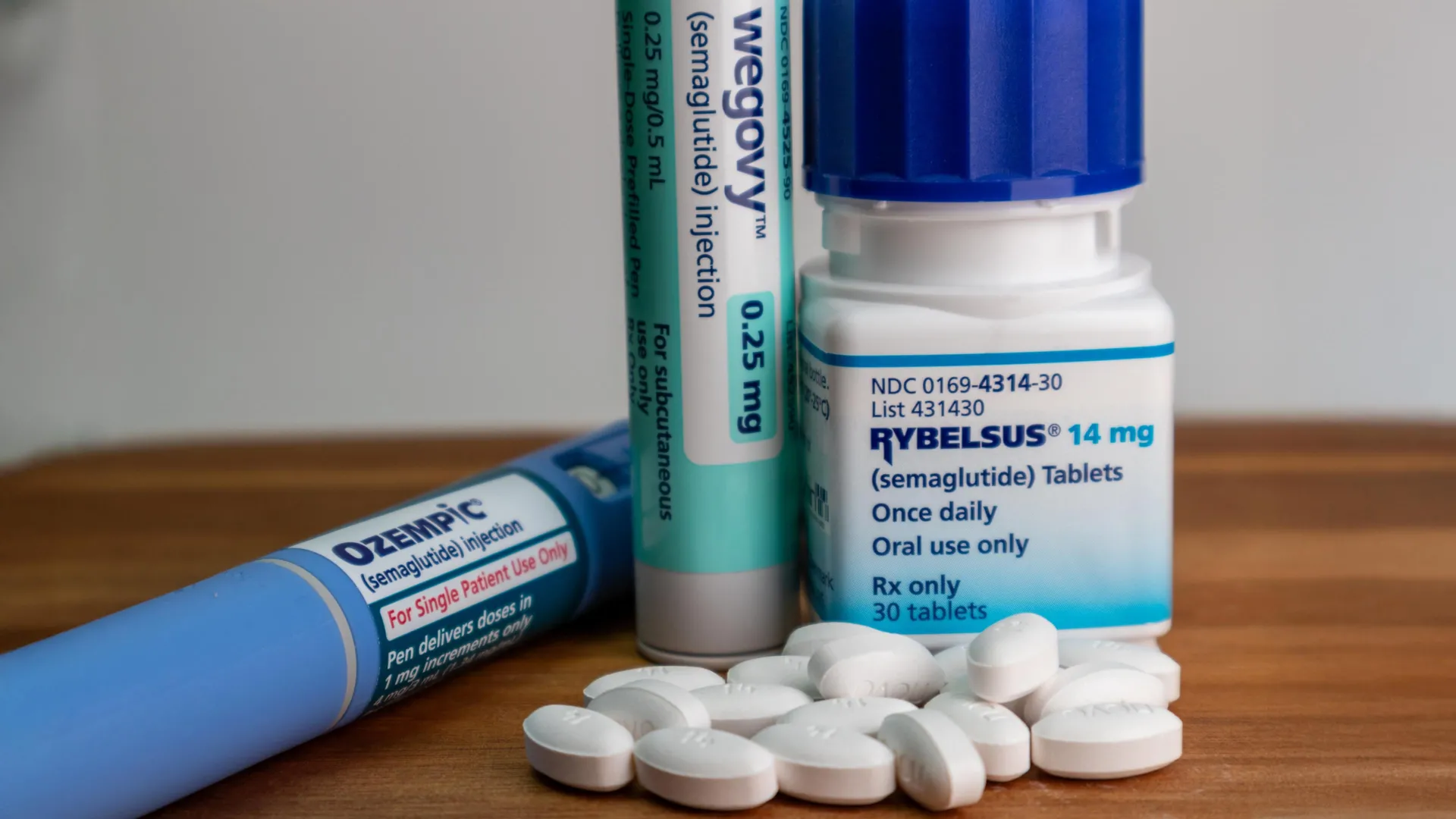
Why don't weight-loss drugs like Ozempic and Wegovy work for everyone?

Why do Ozempic and Wegovy produce dramatic weight loss for some people but disappointing results for others? Scientists are investigating whether the body's hidden energy-saving response could help explain the difference and unlock more effective, personalized weight-loss treatments.

Science Daily · Nov 19
Will it flow? Simulating food inks for 3D printing

In "Star Trek," characters use a technology called a replicator to produce any food item they can imagine out of thin air. While we don't have this same technology in real life, we can get close with 3D printing.

Phys.org · Nov 17
How woodcocks evolved to be the weird cousins of their family

A woodcock is an odd little bird with a long, skinny bill and a plump, chunky body that's shaped like an American football. It mostly hangs out near the ground, but it does a mating display in which it makes a buzzy, tweeting call and then takes off zigzagging across the sky. The woodcock stands out from most of the members of its family, the sandpipers. The majority of sandpiper species are champion migrators that traverse thousands of miles every year, but many woodcock species and their closest cousins, the snipes, have evolved to migrate shorter distances. Some island-dwelling species of woodcocks and snipes don't migrate at all.

Phys.org · Nov 16
Same farms, different answers: When nitrogen pollution estimates don't add up

To reduce nitrogen pollution stemming from synthetic fertilizer and livestock waste, California's Central Valley relies on five data sets to estimate surplus nitrogen. However, most parts of the United States use just one or two data sets—the U.S. Department of Agriculture's agricultural survey and census—to estimate nitrogen surplus.

Phys.org · Nov 13
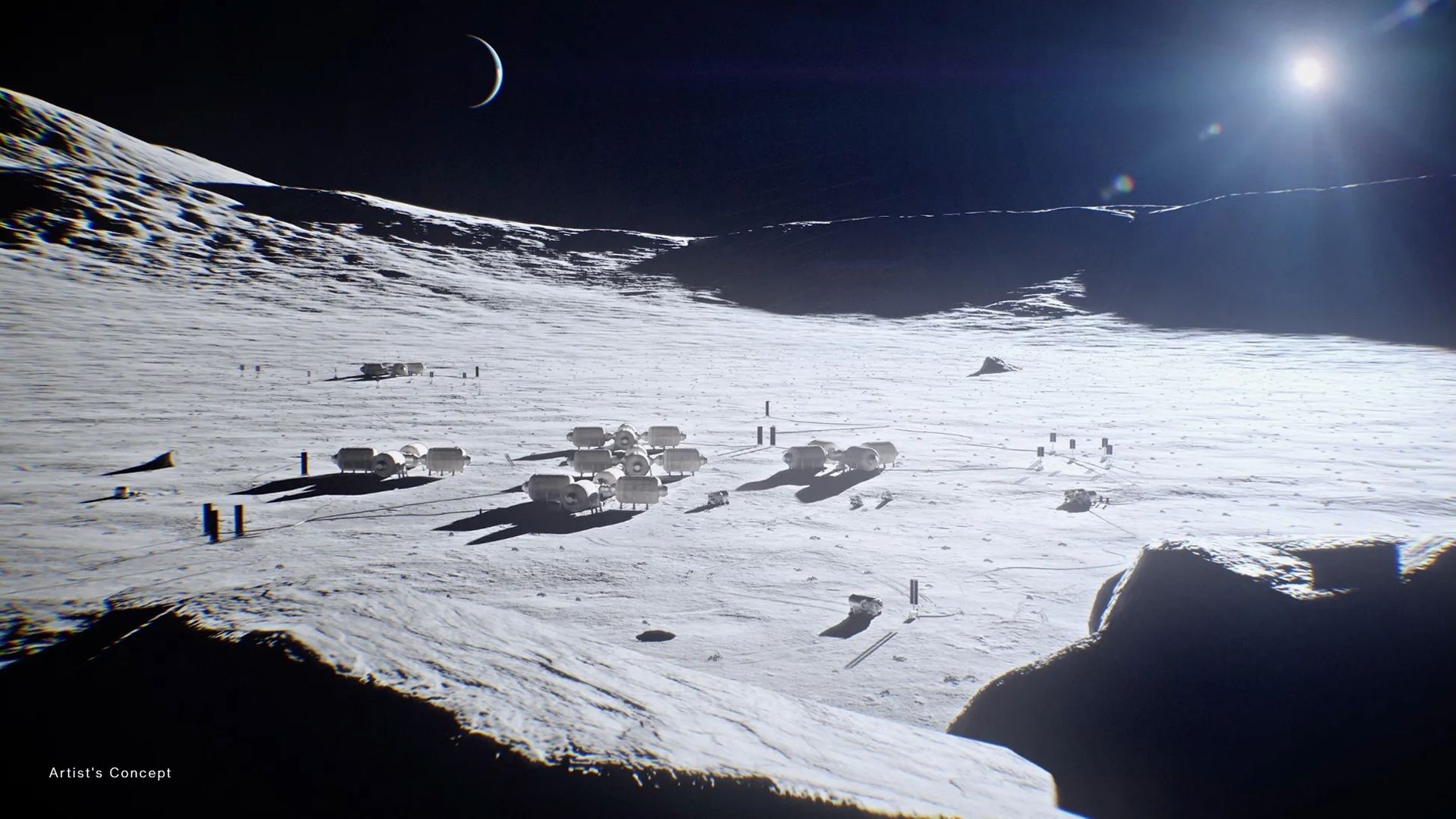
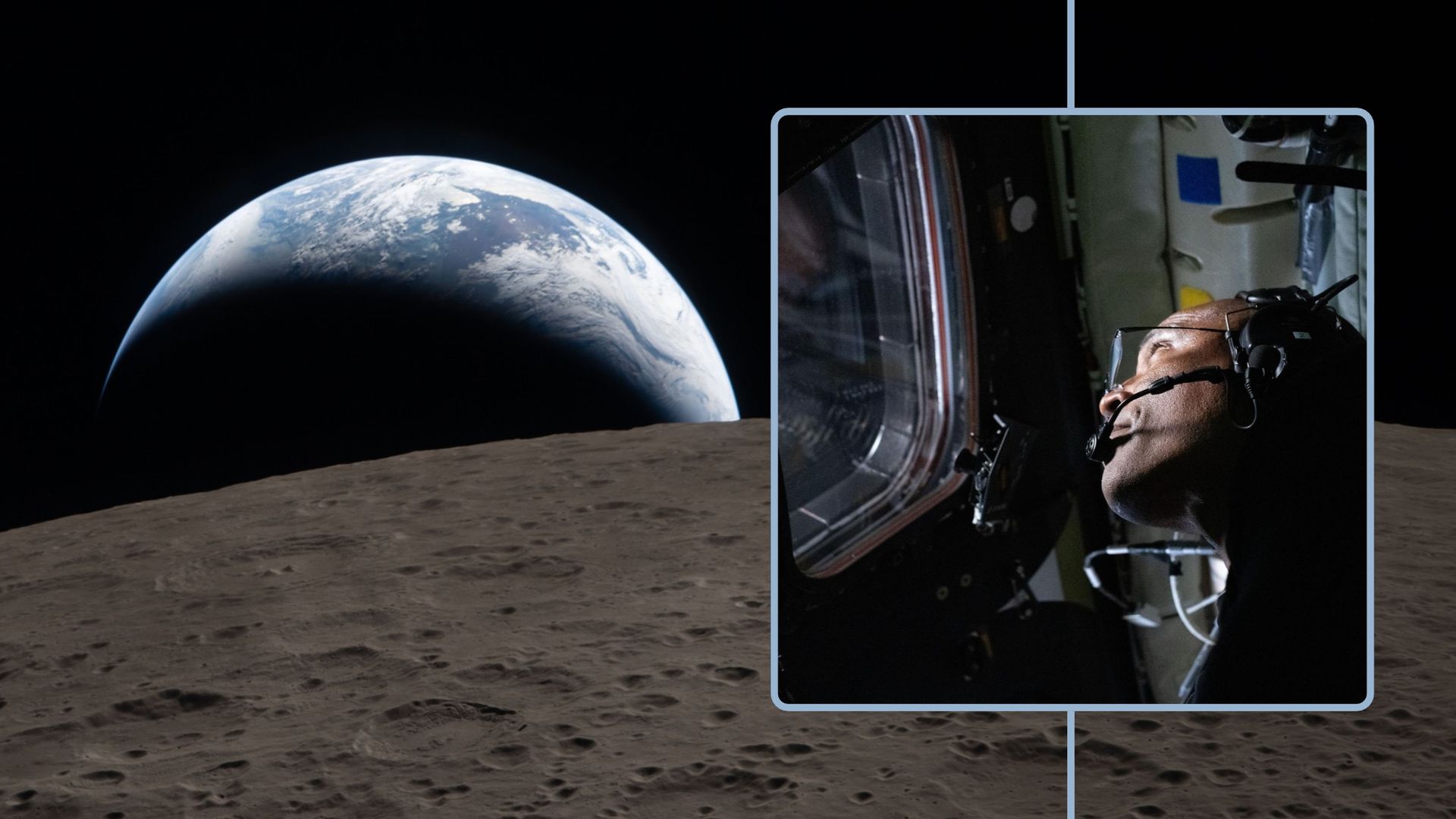
The moon is not the Wild West: Experts call for a pause on lunar industrialization

As the major powers and the private companies go full tilt with their plans to develop infrastructure and extract resources on the moon, the questions around environmental protection, international regulation and who benefits all come into play. Vilnius University Institute of International Relations and Political Science (VU IIRPS) professor Florian Rabitz, together with Xiao-Shan Yap from Utrecht University, explores these concerns in their research article, "Don't Fly Me to the Moon: A Moratorium on Lunar Industrialization," published in the journal Global Environmental Politics.
Phys.org · Nov 13
Feeling pressured to be grateful? Don't force it

It's that time of year when gratitude seems to be everywhere: at work, around the dinner table and at holiday gatherings. But with so much pressure to feel thankful, gratitude can start to feel like one more thing on the holiday to-do list.

Phys.org · Nov 12
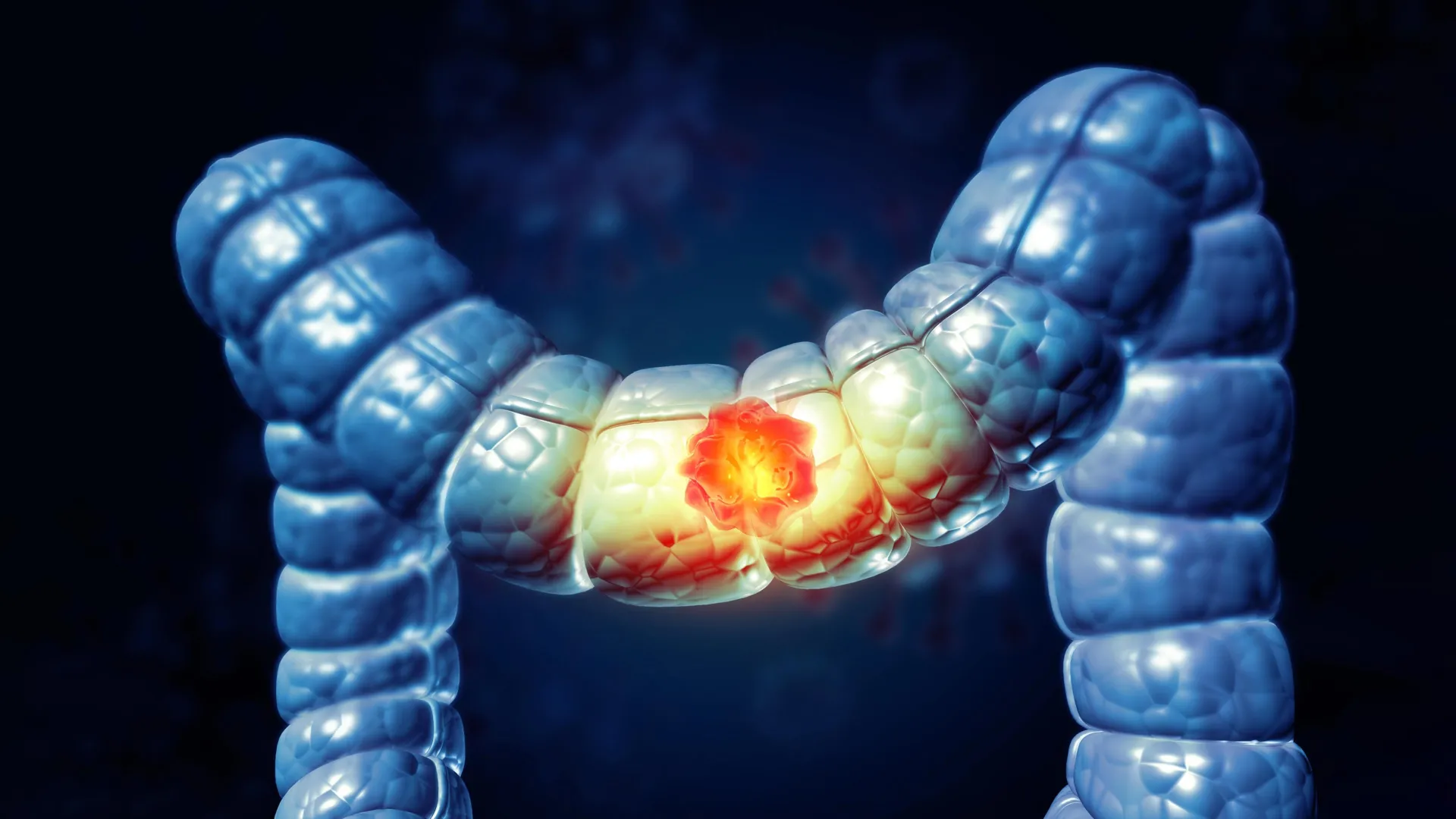
Colorectal cancer is rising again after 20 years, and scientists don't know why

Colorectal cancer is making an alarming comeback in the United States after more than 20 years of declining rates, and the increase is no longer limited to younger adults. A major new study found rising rates across nearly every age group under 70, including older Americans who have historically benefited most from cancer screening.

Science Daily · Nov 12
Why some dinosaurs get all the attention and others don't

If you ask anyone to name a dinosaur, there's a good chance they'll say Tyrannosaurus rex, that fearsome prehistoric predator with its enormous jaws and razor-sharp teeth. But what about a lesser-known dinosaur such as Iguanodon or Plateosaurus? Probably not.

Phys.org · Nov 11
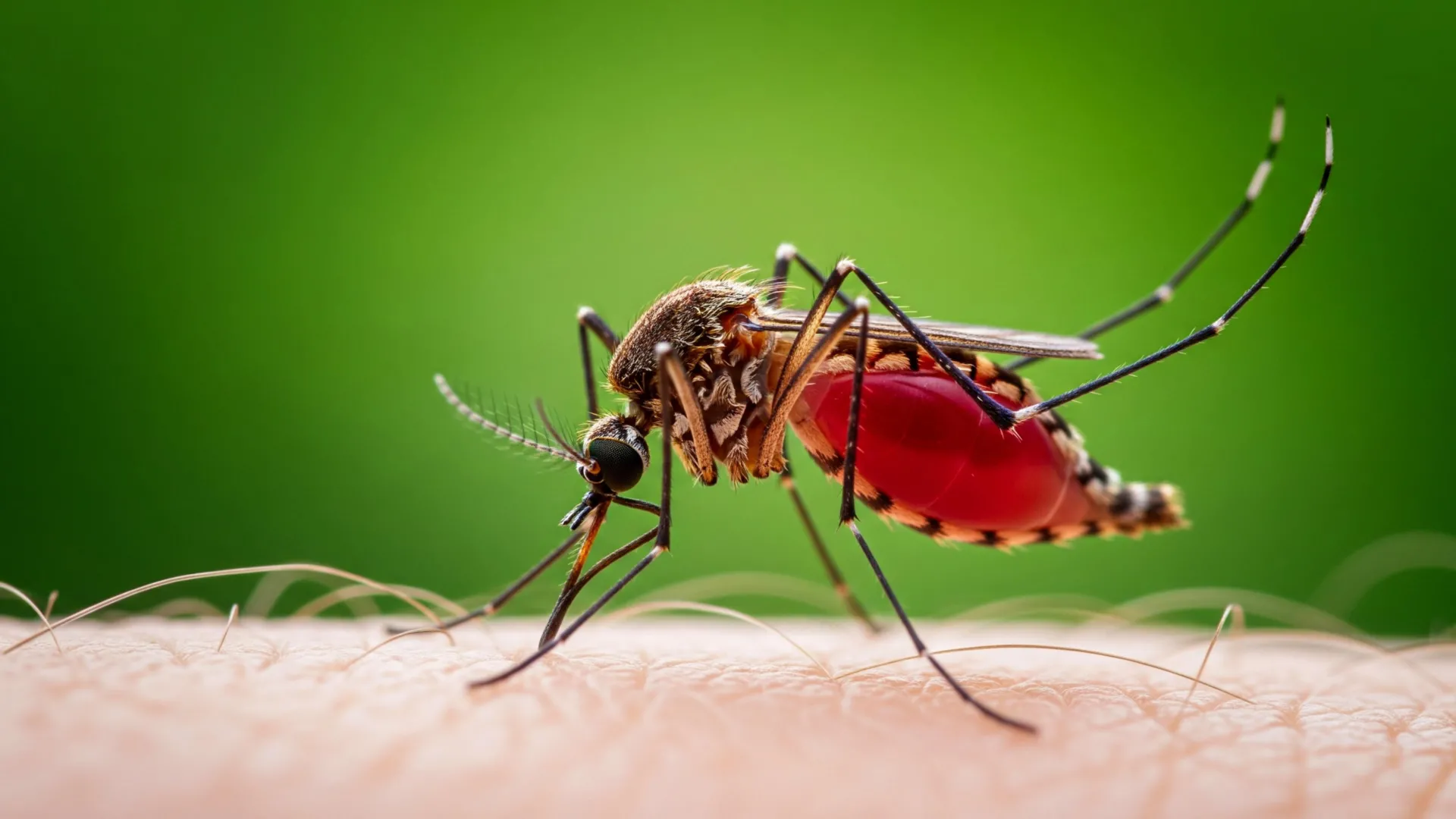
Scientists discover why some mosquitoes love you and others don't

A surprising new study reveals that mosquitoes have very different tastes in humans, with each species attracted to its own combination of skin odors, chemicals, and bacteria. The discovery challenges the idea of a universal mosquito magnet and could lead to more effective repellents against dangerous disease-spreading mosquitoes.

Science Daily · Nov 11
Don't study alone: New research shows how loneliness impacts student health—and how universities can help

The negative impact of loneliness on health and well-being is well known, but for university students, social interaction can also be key to academic success. A new study by Constructor University professor Dr. Sonia Lippke and colleagues, published in the journal Frontiers in Psychology, analyzes the effects of student loneliness on health and academics and lays out concrete steps that universities can take to mitigate them.

Phys.org · Nov 9
Personalized savings reminders can help boost retirement savings

Private retirement savings are an increasingly important topic in public debate. One popular idea is to phrase savings reminders in one of two ways: either you emphasize what someone stands to lose if they don't save, or you emphasize what they stand to gain if they do. To date, research into which of the two reminder messages is more effective in terms of influencing people's efforts to save has produced conflicting results.

Phys.org · Nov 7
Fire losses to U.S. buildings could nearly triple by 2060 without new protections

Fires in the U.S. are getting faster, larger and more dangerous, but people continue to develop and move into fire-prone regions. New research from the University of Colorado Boulder's Cooperative Institute for Research in Environmental Sciences (CIRES) shows that if we don't act on climate change, which fuels fires, manage vegetation or transform how we build and adapt to fire, the risk to structures in the U.S. will almost triple by midcentury.

Phys.org · Nov 3
Predicting jumping genes' roles in changing genome size

A genome contains all of the DNA of every living organism, but its contents don't stop there—most of these structures also contain snippets of DNA that can copy and paste themselves to "infect" a genome, expanding its size. Precisely why that happens remains a mystery.

Phys.org · Nov 2
Why it could be a bad idea to get AI to flirt for you

You finally started an online conversation with a stranger you find attractive, yet you don't really know what to say. They seem happy to talk, but you struggle to find the correct responses. You worry that their patience is growing thin. You pray for some guidance. Luckily, the solution could be just a few clicks away.

Phys.org · Oct 30
Survey reveals what students think about AI

College students say they use AI mostly for learning and don't use it to cut corners but think that their peers do, according to the inaugural Dartmouth AI Survey, a new multiyear survey on how AI is shaping students' learning and career readiness.

Phys.org · Oct 30
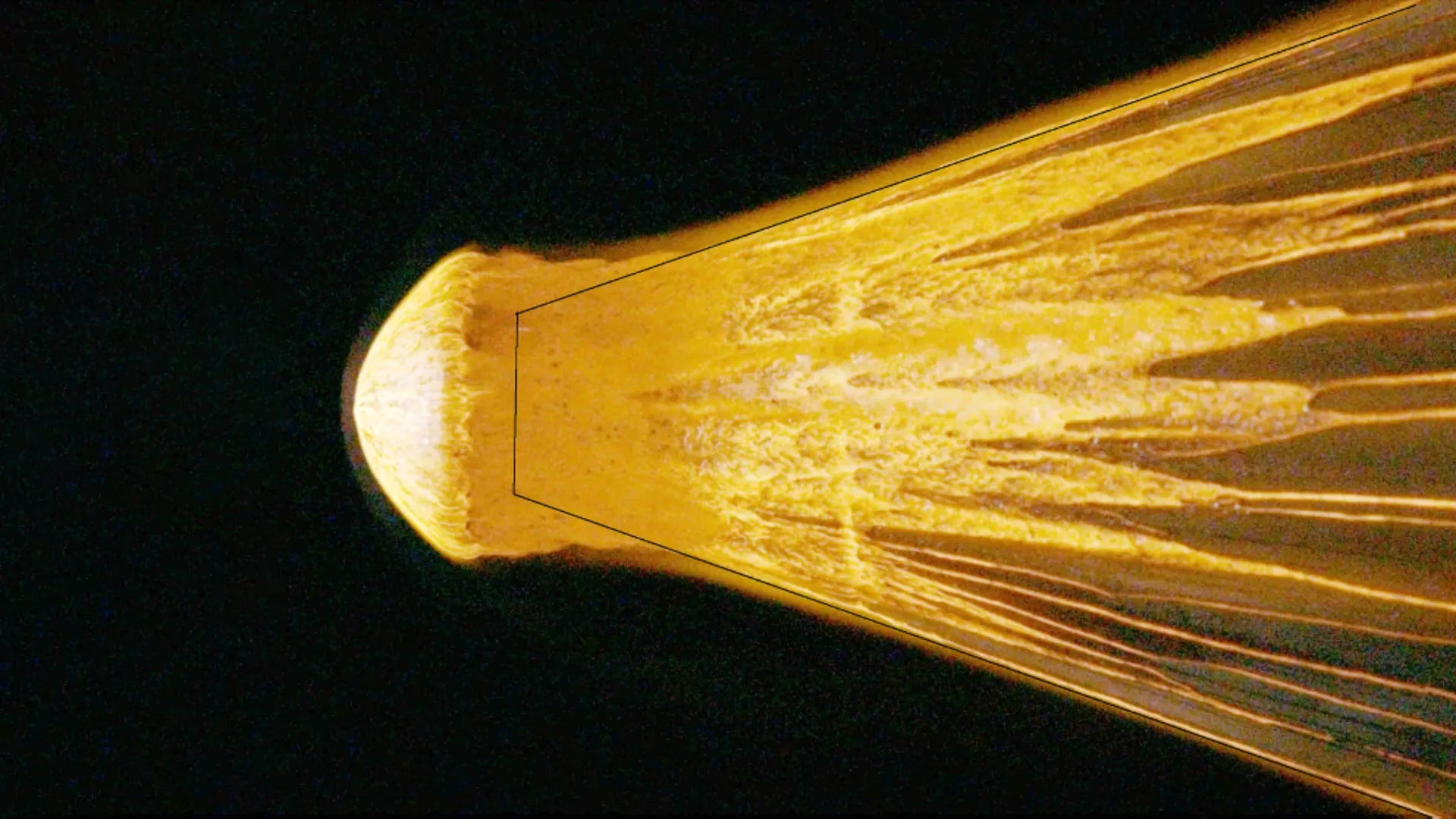
Meteors don't just burn up. What really happens is far more violent

Scientists have uncovered seven surprising stages that space rocks go through as they hurtle toward Earth, revealing that melting and violent fragmentation, rather than simple evaporation, determine their fate. The discovery could help explain why meteorites scatter across the ground and how dangerous asteroids explode in Earth's atmosphere.

Science Daily · Oct 29
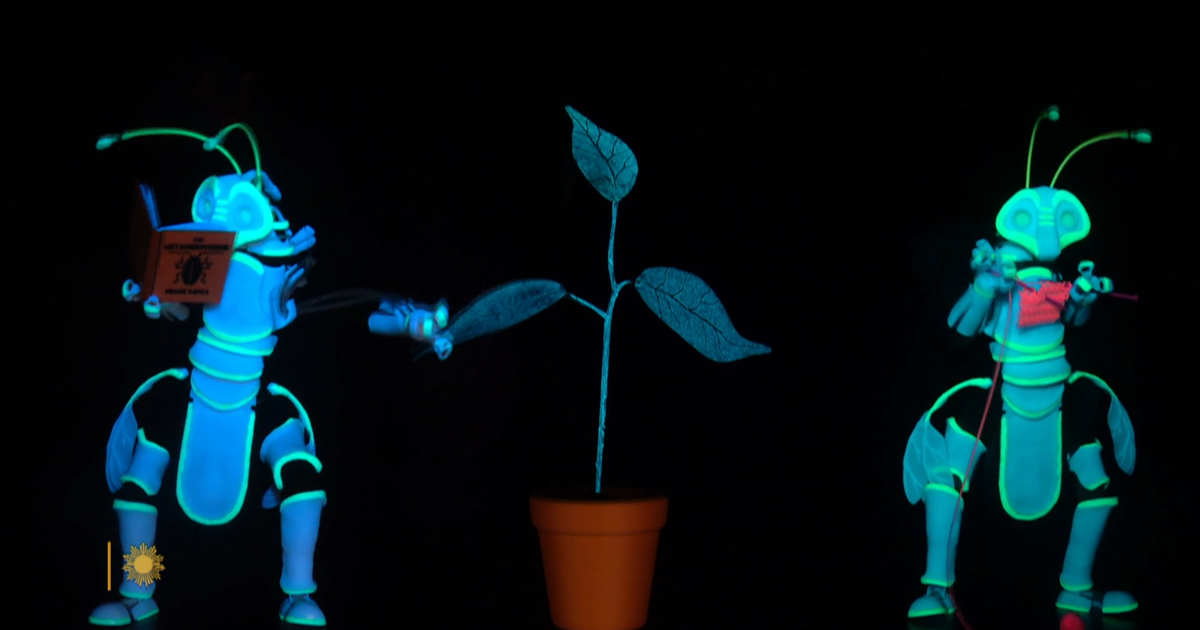
How plants feel

Science shows us that, even though plants don't have brains, they seem to have a nervous system that responds to touch in remarkable ways. Robert Krulwich and puppeteer Barnaby Dixon explore the science of thigmomorphogenesis (the phenomenon of plants reacting to outside stimulae), a discussion that plants the seeds for a song.

CBS News · Jul 26