TopNewsOn

Results for “drinking water”

Your daily coffee may be changing your gut in surprising ways (opens Science Daily in a new tab)

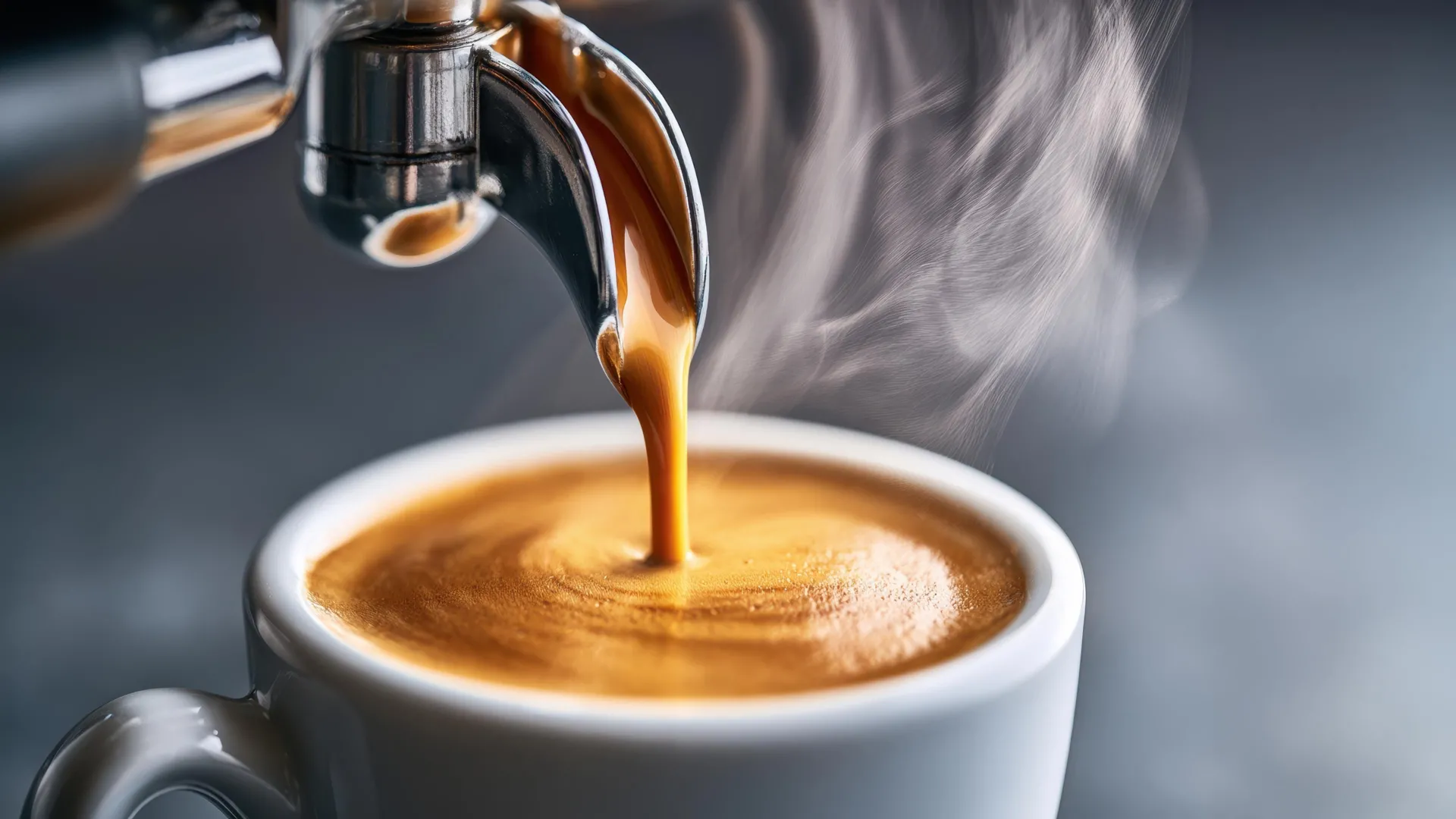
New research suggests that drinking coffee regularly may change how the digestive system works in surprising ways. Frequent coffee drinkers had more diverse gut bacteria, higher acidity in the small intestine, and more contractions in the colon. These contractions could promote healthy digestion and help prevent constipation. Scientists hope the findings could eventually lead to natural ways of improving intestinal function.

Science Daily · Nov 28
Why a warmer atmosphere doesn't guarantee more water in rivers (opens Phys.org in a new tab)

Austria experienced an exceptional drought in 2026. From the start of the year until the end of October, rainfall was around a third lower than the long-term average. The consequences are low river flows and groundwater levels. But how is water availability linked to global warming? Shouldn't a warmer atmosphere, which can hold more water vapor, also lead to more rainfall?

Phys.org · Nov 27
Decoding how fish adapt to varying salt concentrations (opens Phys.org in a new tab)

Freshwater and seawater fishes face different challenges in maintaining the balance of salts and water in their bodies. To survive these changing conditions, they rely on specialized transport proteins in organs like the kidneys and intestine to regulate electrolyte transport. However, important questions regarding the molecular mechanisms that support salt transport and acclimatization to different environmental salinities persist.

Phys.org · Nov 27
This 345-million-year-old fossil had scientists fooled for decades (opens Science Daily in a new tab)

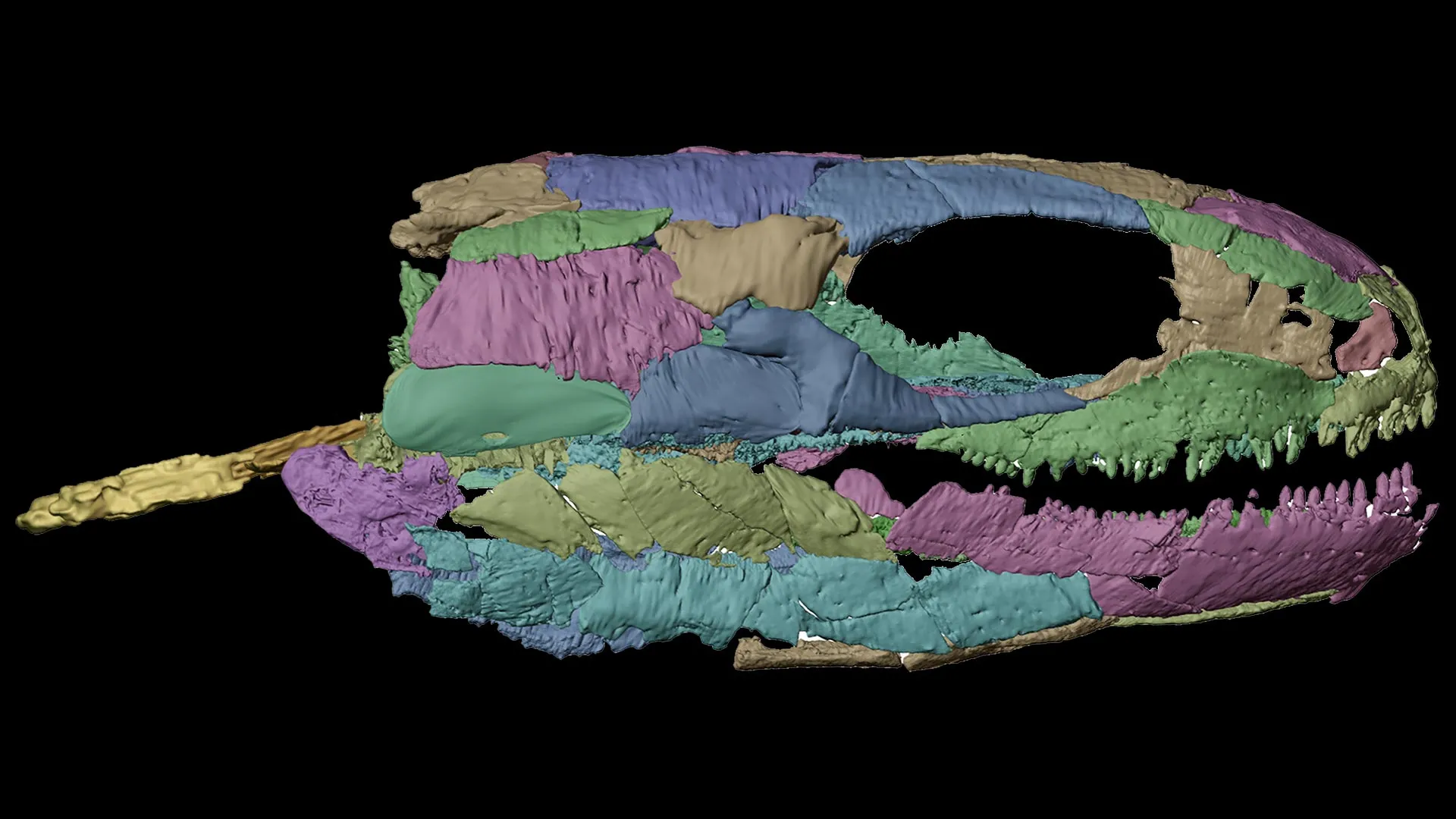
A famous 345-million-year-old fossil has turned out to be something entirely different from what scientists believed for decades. Advanced X-ray imaging revealed hidden gills and thousands of tiny teeth, exposing a primitive aquatic or amphibious creature rather than an early reptile. The discovery suggests that several adaptations associated with life on land actually evolved in animals still dependent on water.

Science Daily · Nov 26
Artificial photosynthesis uses waste CO₂ to grow protein-rich edible fungus in seven days (opens Phys.org in a new tab)

While many people think first of meat when they think about dietary protein, most protein ultimately depends on plants, since livestock feed on grass, hay and other plants. Meeting the demand for protein is taxing on the environment, requiring massive amounts of land and water while creating greenhouse gas emissions. And that demand is expected to require nearly 50% more agricultural production by 2050 than in 2012, according to the U.N. Food and Agriculture Organization.

Phys.org · Nov 25
Certain fungi turn specialized plant cells into water-carrying cells using one protein (opens Phys.org in a new tab)

Can a pathogen that causes damage to a plant also make that plant more resilient to drought? An international research team led by the University of Göttingen has investigated this apparent paradox. The researchers discovered how certain fungi promote the formation of new water-conducting cells in plants. At the same time, infected plants showed increased tolerance to drought stress. The results were published in the journal Cell Host & Microbe.

Phys.org · Nov 25
Phosphate boosts nitrate conversion tenfold, helping copper catalysts produce ammonia (opens Phys.org in a new tab)

Nitrate is a major water pollutant, and remediation technologies like catalytic electrochemical reduction remove nitrate by converting it into other compounds. This complex chemical reaction has many end products, among which is ammonia. Ammonia has many uses in agriculture and chemistry, but it is difficult to obtain as an end product using a copper catalyst.

Phys.org · Nov 25
Vital to survival, missing from policy: Why working donkeys are being overlooked (opens Phys.org in a new tab)

New research from a project led by the University of Portsmouth in collaboration with Maasai Mara University in Kenya and Haramaya University in Ethiopia has found that working donkeys in East Africa are routinely overlooked in drought planning, veterinary services and emergency relief, despite their importance in transporting water, food and other essential supplies.

Phys.org · Nov 25
Amber fossils reveal how grasshoppers may have walked on water 100 million years ago (opens Phys.org in a new tab)

Walking on water represents one of the most striking modes of locomotion in the natural world and plays a crucial role in animals' colonization of ecological niches at the water surface. However, insects specialized for this locomotion (obligate surface dwellers) belong to only two groups: the living Gerromorpha (Hemiptera) and extinct Chresmodidae (stem group of Polyneoptera). Elucidating how extinct insects moved on the water surface has proven highly challenging, and the adaptive evolution of different insect lineages to ecological niches at the water surface remains poorly understood.

Phys.org · Nov 25
Witchweed menaces maize farms across Africa: New study maps the damage (opens Phys.org in a new tab)

Over $1 billion a year. That is what a small parasitic weed plant costs maize farmers across sub-Saharan Africa every year, without ever being caught in the act. Striga, known as witchweed, latches onto maize roots underground and siphons off water and nutrients long before it breaks the surface. By the time a farmer sees the damage, the blame falls on drought or exhausted soil. For 30 years nobody could put a reliable figure on the bill, and without one, the response stayed scattered.

Phys.org · Nov 24
A cactus that changes gears: How the prickly pear makes the most of desert rain (opens Phys.org in a new tab)

In the desert, water doesn't arrive steadily. It comes in short pulses: a winter storm, a few rainy days, then months of drought. A desert plant needs two skills to live there. It has to survive the long dry spells, and it has to make full use of the brief windows when water is plentiful. A new study from Ben-Gurion University of the Negev and the Volcani Institute shows that the prickly pear cactus has an unexpected way of doing both.

Phys.org · Nov 23
Super El Niño will add to Africa's heat crisis—how governments can protect people before it peaks (opens Phys.org in a new tab)

The super El Niño developing in the Pacific is expected to strengthen toward the end of 2026 and persist into early 2027. It's set to intensify dangerous heat and cause severe drought across parts of Africa. This is likely to mean more heat-related illness and deaths, worsening water shortages and greater disruption to electricity, food supplies and essential services.

Phys.org · Nov 23
Microplastics may be more dangerous than we thought. Scientists just discovered why (opens Science Daily in a new tab)

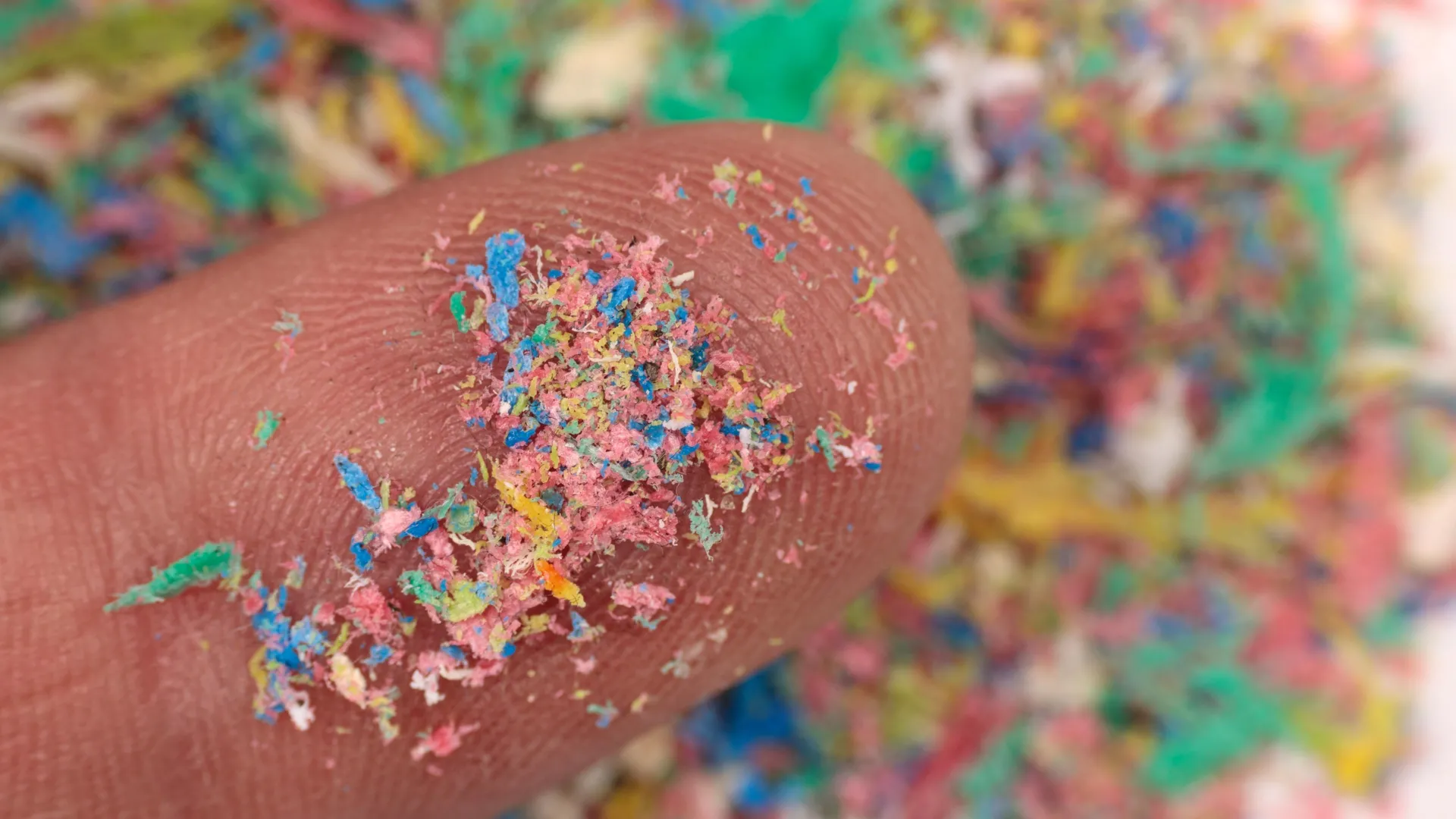
Microplastics may be doing something far more dangerous than simply accumulating in our bodies. Scientists have discovered that tiny plastic particles can interact with water to generate highly reactive molecules capable of damaging cells and tissues. This unexpected chemical activity could help explain growing evidence linking microplastic exposure to serious health problems, including heart attacks, strokes, and neurological disorders.

Science Daily · Nov 21
'Forever' chemicals? Don't be so sure, says engineer (opens Phys.org in a new tab)

Inside the disinfection room of Baltimore's Ashburton water filtration plant, 14 University of Maryland students clad in hard hats peered up at six towering vats of bleach used to treat water that flows from the distant Liberty Reservoir into the facility, killing bacteria and other pathogens before it's routed to the region's kitchen sinks.

Phys.org · Nov 20
Global analysis reveals how lakes amplify glacier ice loss (opens Phys.org in a new tab)

Glacial lakes can accelerate the retreat of glaciers. If glaciers border a lake, the water can melt the ice from underneath; furthermore, chunks of ice can break off and fall into the lake. The extent to which these processes influence the situation, compared with other factors, had not been sufficiently clarified at a global level until now.

Phys.org · Nov 20
How desert biocrusts respond to changing snow cover (opens Phys.org in a new tab)

In the desert, winter snow may seem like a temporary visitor, but its effects can last long after the snow melts. By supplying water to dry ecosystems, snowfall helps sustain biological soil crusts (biocrusts), thin living layers on the soil surface that play important roles in desert ecosystems.

Phys.org · Nov 20
Study finds decades of water-saving innovation helped Northeast and Midwest avoid potential drought crises (opens Phys.org in a new tab)

A new study published in Environmental Research Letters finds that, despite experiencing rapid population growth, expanding economies and rising electricity demands over the past half century, the U.S. Northeast and Midwest have dramatically strengthened their resilience to severe drought through long-term investments in water efficiency, technological innovation and economic transformation.

Phys.org · Nov 20
Climate communication that resonates must be based on empathy (opens Phys.org in a new tab)

Climate change is a global reality, but people often encounter it through different local realities. For some, it enters everyday life through social media feeds, news reports, scientific findings and public discussion. For others, it is through water scarcity, food insecurity, floods, heat waves, wildfires or the loss of a home or a loved one.

Phys.org · Nov 20
How tiger worms could help tackle the global sanitation problem (opens Phys.org in a new tab)

Michael Templeton is professor of public health engineering in the Department of Civil and Environmental Engineering at Imperial College London and co-chair of the Imperial Global Development Lab Advisory Board. He holds the Oxfam and Water for People / Royal Academy of Engineering Research Chair in Global Sanitation Technology and is currently head of the environmental and water resource engineering section within the department.

Phys.org · Nov 19
Artificial wetland near Valencia traps 36% of incoming microplastics, study finds (opens Phys.org in a new tab)

The Tancat de la Pipa, an artificial wetland designed as a "green filter" for the Albufera de València, reduces microplastic pollution in the natural lagoon by 36%, according to research conducted by the Institute of Water and Environmental Engineering (IIAMA) at the Universitat Politècnica de València (UPV) and the Faculty of Environmental Sciences and Engineering at Babe–Bolyai University in Romania published in the journal Applied Sciences.

Phys.org · Nov 19
Study identifies factors that exacerbated the 2024 flash flood in l'Horta Sud (opens Phys.org in a new tab)

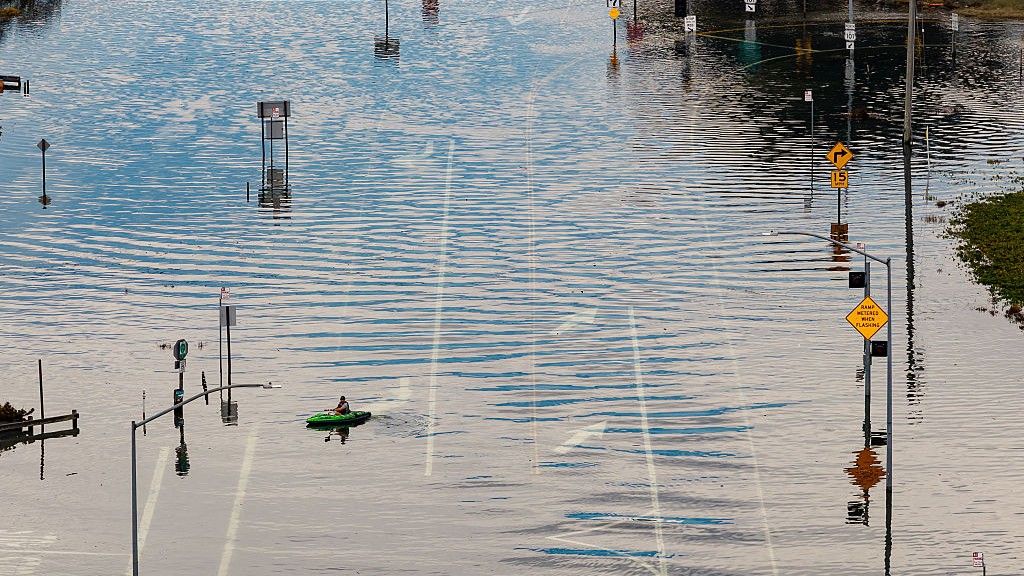
The severity of the flooding experienced by l'Horta Sud on Oct. 29, 2024, can be explained by a combination of exceptional rainfall, near-simultaneous rises in several ravines and a heavily urbanized area, according to a study carried out by the Institute of Water and Environmental Engineering at the Universitat Politècnica de València (UPV), which reconstructs the event using rainfall data and mathematical models capable of simulating how rain is transformed into runoff, how water carries sediment and how the flood spreads across the territory.

Phys.org · Nov 19
X-rays tear water apart before its electrons can relax (opens Phys.org in a new tab)

A single X‑ray photon can break both O–H bonds in a water molecule within a few femtoseconds (quadrillionths of a second), creating neutral atomic oxygen. As shown by a study published in the journal Physical Review Letters, this breakup happens before the electrons finish relaxing, revealing an ultrafast pathway for X‑ray–driven chemistry in water.

Phys.org · Nov 19
Antarctica’s ice cliffs are collapsing faster than expected, but there’s a twist (opens Science Daily in a new tab)

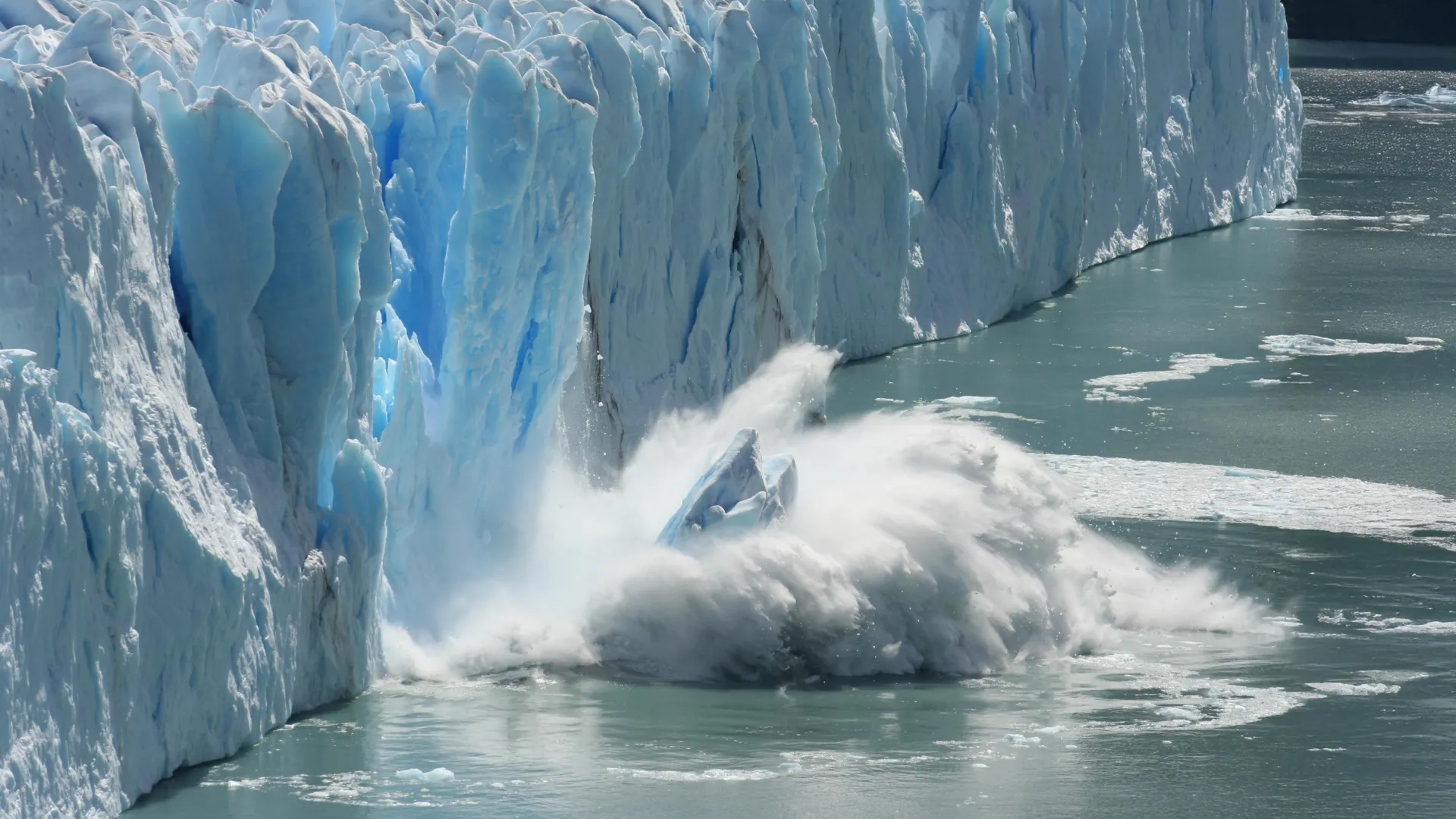
A surprising new study suggests Antarctica's towering ice cliffs may be less vulnerable to catastrophic collapse than scientists once feared. After tracking more than 15,000 ice cliffs, researchers discovered that even the tallest cliffs, which can collapse at alarming speeds, often stabilize rather than triggering an unstoppable chain reaction. Underwater ridges, surrounding water, and broken ice appear to provide natural defenses against further collapse.

Science Daily · Nov 19
Electrified fabric captures phosphate for potential recovery from wastewater (opens Phys.org in a new tab)

When rain falls on farmland, lawns and gardens, it can wash phosphate from fertilizers into nearby waterways, triggering harmful algal blooms that cloud lakes and rivers, release toxins and rob the water of oxygen needed to sustain aquatic life. Now, Northwestern University and Argonne National Laboratory researchers have developed a reusable electrode that captures phosphate from water in laboratory tests, potentially recovering a valuable, nonrenewable resource while reducing water pollution.

Phys.org · Nov 18
New model reveals how water moves through tile-drained farm fields (opens Phys.org in a new tab)

Tile drainage fundamentally alters how water moves through agricultural fields, affecting surface ponding, water-table dynamics, crop growth, nutrient transport and water quality. Yet fields with similar drainage systems can respond differently depending on soil, topography and tile design—differences that most models struggle to resolve at the field scale.

Phys.org · Nov 18