For Arctic researchers, counting beluga whales from the air can mean painstakingly examining thousands of aerial images—searching for animals that may be difficult to see and even harder to distinguish from one another. The challenge is especially significant when researchers are trying to identify calves, whose smaller size, lower numbers and variable appearance can make them easy to miss.
Results for “drone operator”
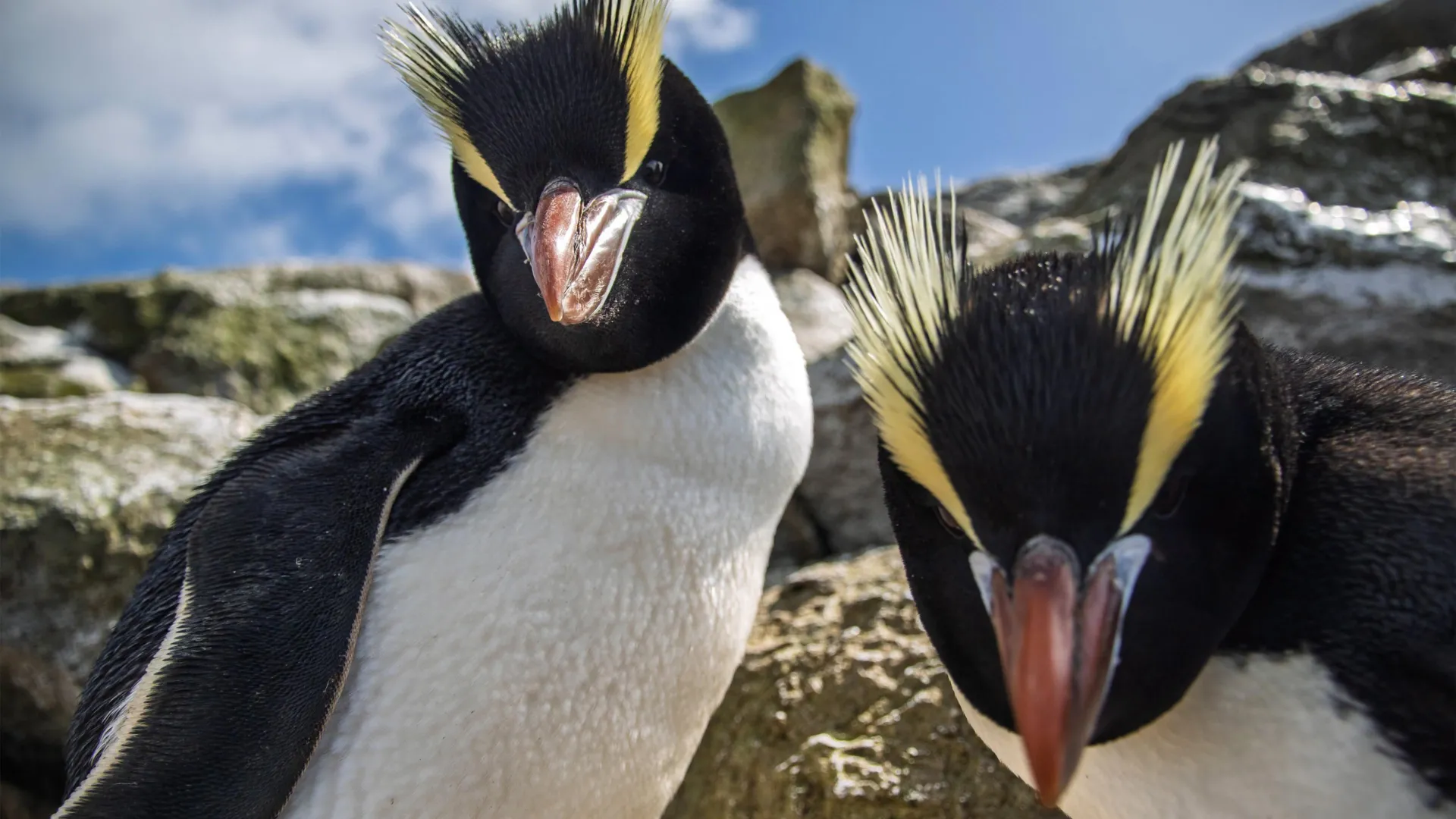
A groundbreaking drone survey has revealed a startling split in the fate of New Zealand's endangered Erect-crested penguins. While one population has remained stable for decades, another has declined by more than 40%, apparently due to a combination of predators, worsening storms, and changing ocean conditions. Even more surprisingly, the tiny Bounty Islands support nearly as many breeding pairs as the Antipodes Islands, despite being 40 times smaller.
A Florida chimpanzee sanctuary had to deliver food to one of its 200 apes by drone this week because the property was swamped by heavy rain. But the animals stayed safe, and the water finally was receding significantly on Saturday, the organization said.
The Universitat Autònoma de Barcelona (UAB) for the first time has detected the presence of the spring mountain butterfly (Erebia epistygne), a species under threat of extinction in Catalonia, under the electricity transmission lines of Red Eléctrica, Spain's transmission system operator.
The Environment Agency says it has issued the operator with a series of actions after an inspection.
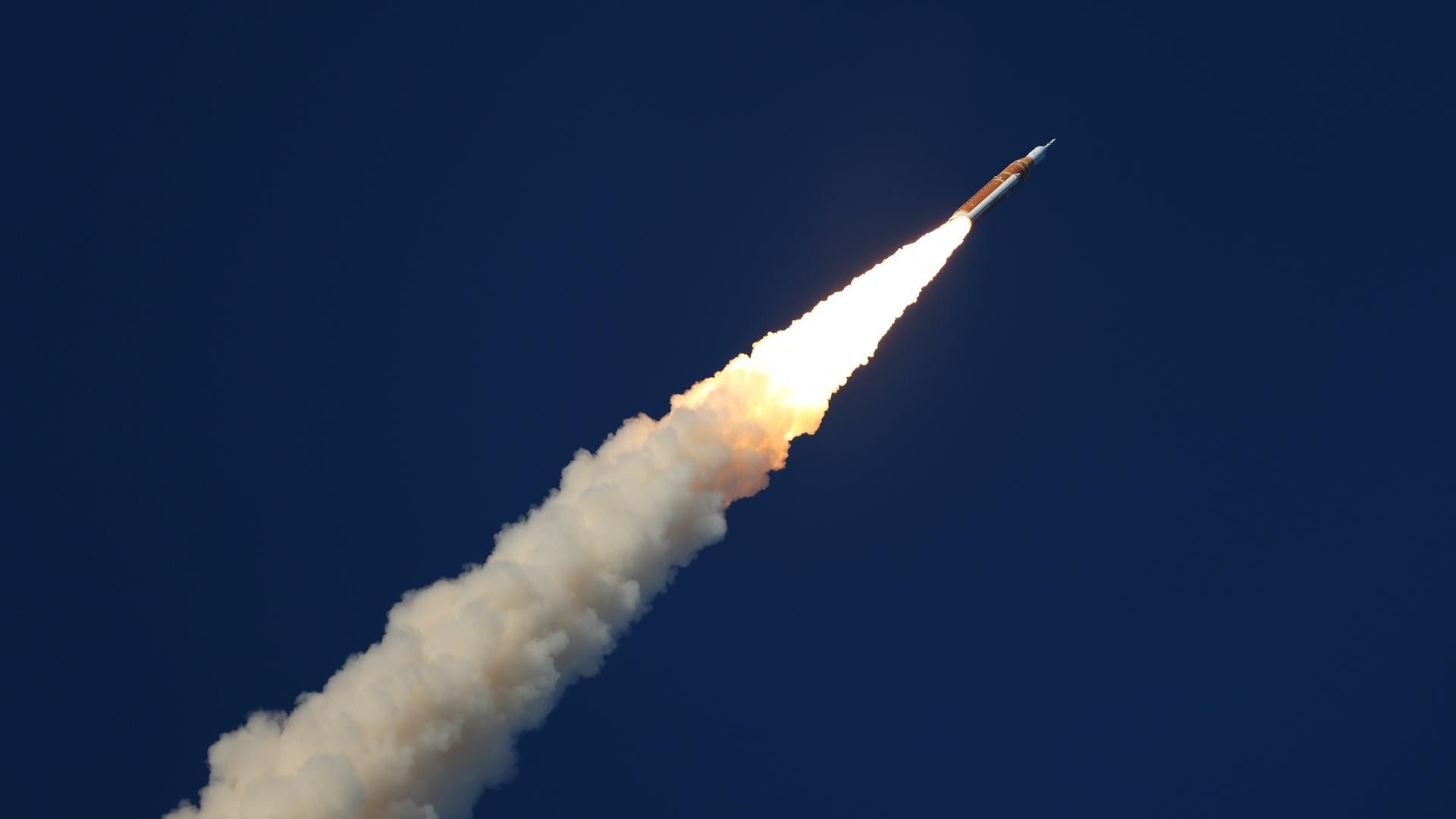
NASA has successfully demonstrated technology designed to help spacecraft autonomously navigate to safe landing sites on the moon and on other planets. An Alta-X drone equipped with the agency's Safe and Precise Landing—Integrated Capabilities Evolution (SPLICE) guidance, navigation and control payload completed simulated lunar descent and landing maneuvers Aug. 27. The flight took place at Rogers Dry Lake near NASA's Armstrong Flight Research Center in Edwards, California.
"It could have a strong impact not only on self-driving cars but also on drone positioning."
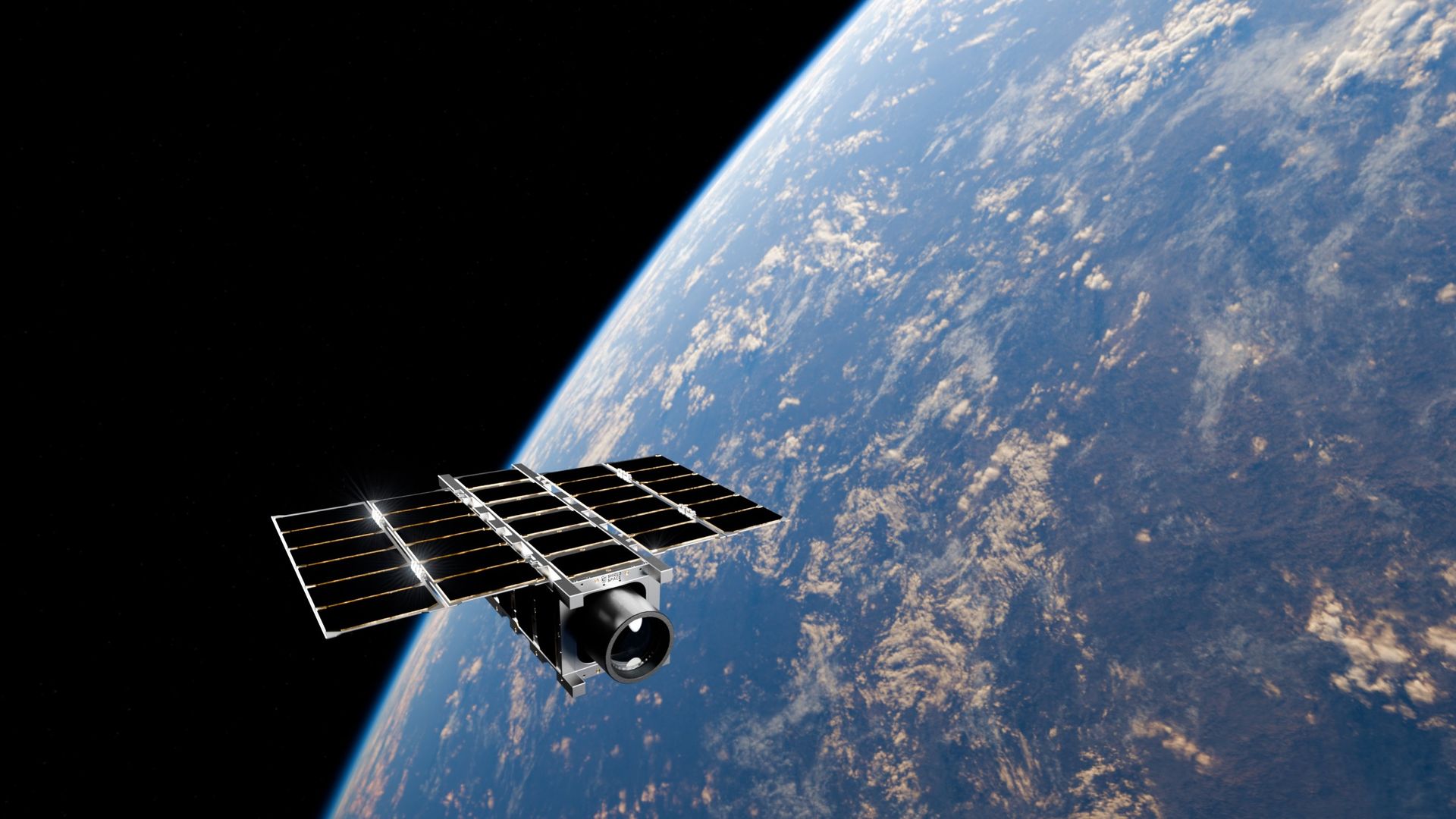
The U.K. startup Shield Space is racing to apply the lessons of drone warfare in Ukraine to develop swarms of up to 100 autonomous, satellite-defending cubesats.
In beef cattle production, determining the ideal time to sell makes all the difference in a producer's costs. This is because, once an animal reaches its natural growth limit, it stops gaining weight significantly. From that point on, every additional day in a feedlot means spending money on feed without gaining meat in return.
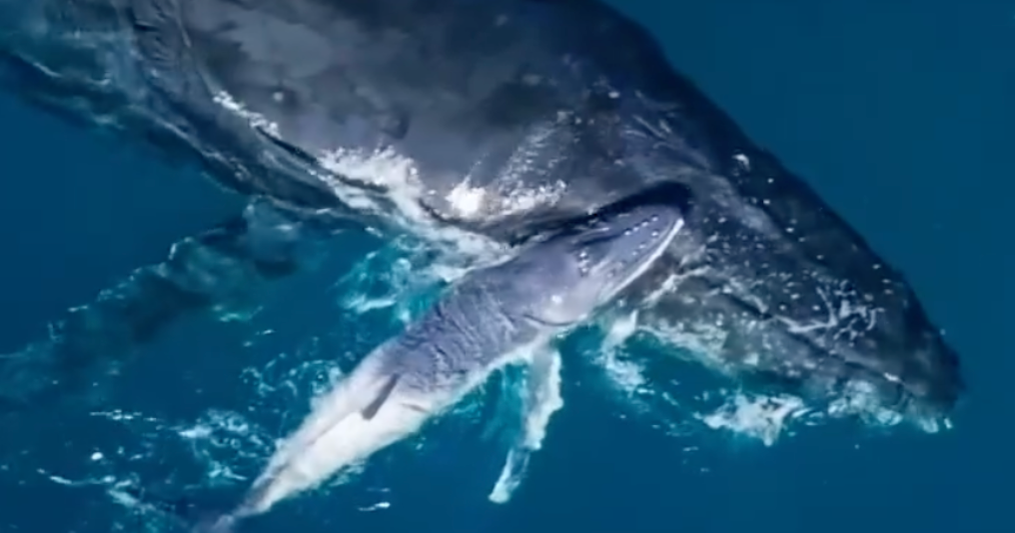
The footage is believed to be only the fourth complete humpback whale birth ever recorded on film anywhere in the world and the first-ever captured by drone.