COP31 climate talks fail to reach major deal amid deep divisions
COP31 climate talks fail to make breakthrough on tackling climate change after a row about mentioning fossil fuels.
BBC News · 3h ago

COP31 climate talks fail to make breakthrough on tackling climate change after a row about mentioning fossil fuels.
The COP31 climate talks headed for a historic defeat Sunday after the EU and other countries refused to endorse a pact that omitted fossil fuels as the summit lurched into record overtime in Turkey.
The UN summit in Turkey enters second day of overtime as countries struggle to reach an agreement.
The fossilized remains of ancient coral reefs often sit just meters from living corals in the Caribbean, where reefs have declined sharply over the past 70 years. Those fossils could help show where corals might survive a warming future. In two new papers, researchers at The University of Texas at Austin identify which coral species dominated ancient reefs in northeastern Jamaica and suggest how that record could guide reef rehabilitation.
The burning of fossil fuels such as coal, gas and oil is the primary driver of climate change, but clean energy strategies to achieve net-zero greenhouse gas emissions do not systematically alleviate other environmental problems. In fact, some pathways add pressure on natural resources like land, water and minerals.
The government wants more homes to have heat pumps to cut fossil fuel use and drive down energy bills.
The U.N.'s COP31 climate talks enter their endgame Friday, with countries sharply divided over a draft deal lacking any mention of planet-heating fossil fuels, threatening to push the negotiations into overtime.
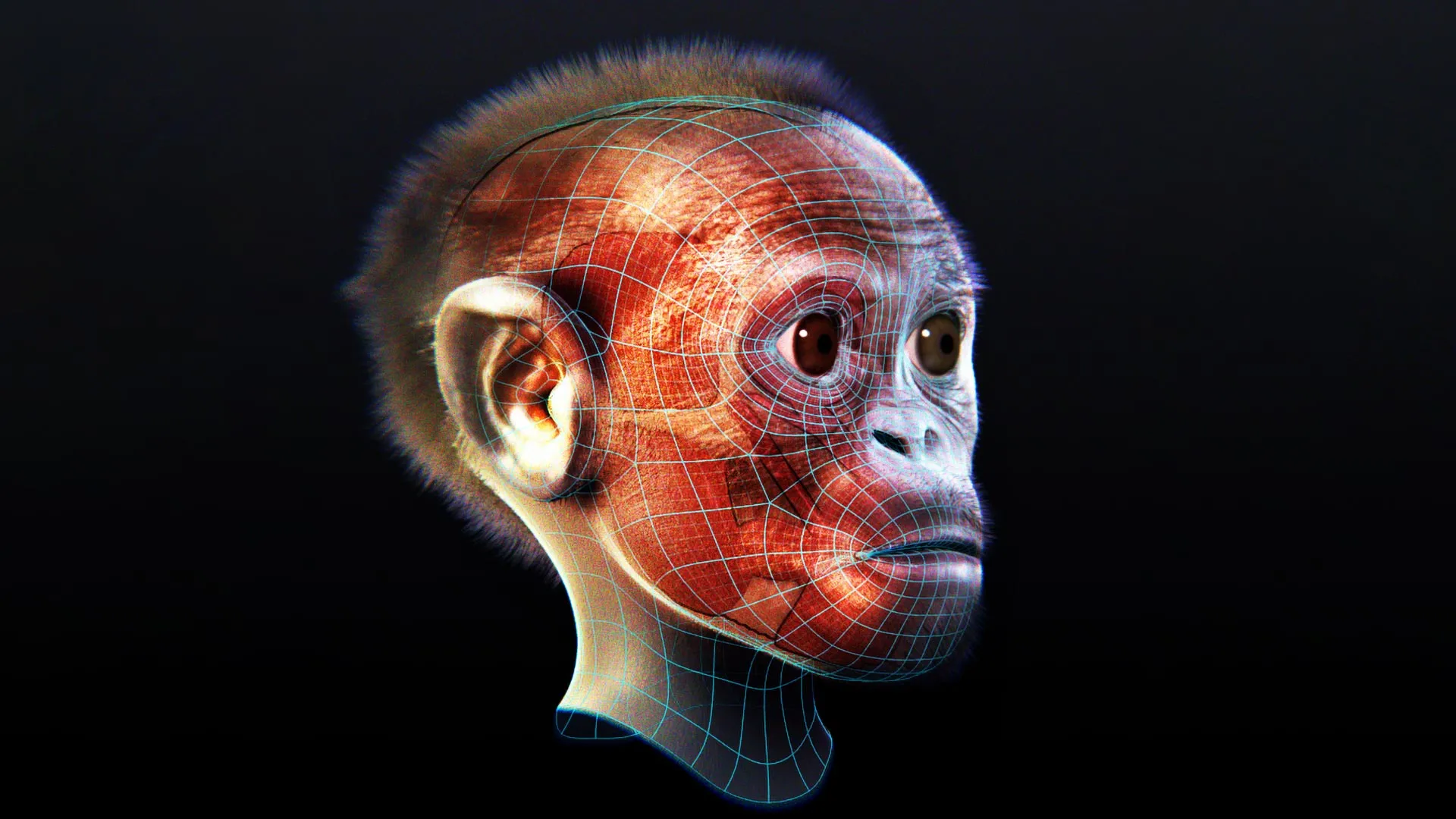
A groundbreaking study of the 3-million-year-old Taung Child fossil suggests that several ancient human ancestors once thought to belong to the same species may actually represent different branches of our evolutionary family tree. The discovery challenges a century of assumptions and reveals how dramatic climate changes helped shape a surprisingly complex story of human origins.
An unassuming fossil discovery in Wyoming caused quite a stir: Was it a baby dinosaur, a prehistoric snake or perhaps an entirely new species? Neutron imaging at the Paul Scherrer Institute PSI and the trained eye of a paleontologist eventually provided the answer: the 156-million-year-old fossil is that of a previously unknown species of reptile.
Researchers at the Department of Paleontology at the University of Vienna compared fossil and modern ear stones of the black goby (Gobius niger) from the northern Adriatic Sea to reconstruct its growth history over the past 8,000 years. The surprising result: while body size remained remarkably stable in the past, today's black gobies grow faster and reach larger sizes—even as the Adriatic Sea is warming rapidly. The study is now published in Proceedings of the Royal Society B.
Electrocatalysis is key to turning renewable electricity into fuels and chemicals, and industrial electrolyzers typically operate at moderately elevated temperatures. Measuring how reaction rates change with temperature is also a powerful, yet underexplored, way to probe what controls them. Such measurements yield two quantities: an apparent activation enthalpy, reflecting the energetic cost of the reaction, and a prefactor, which is linked to the activation entropy.
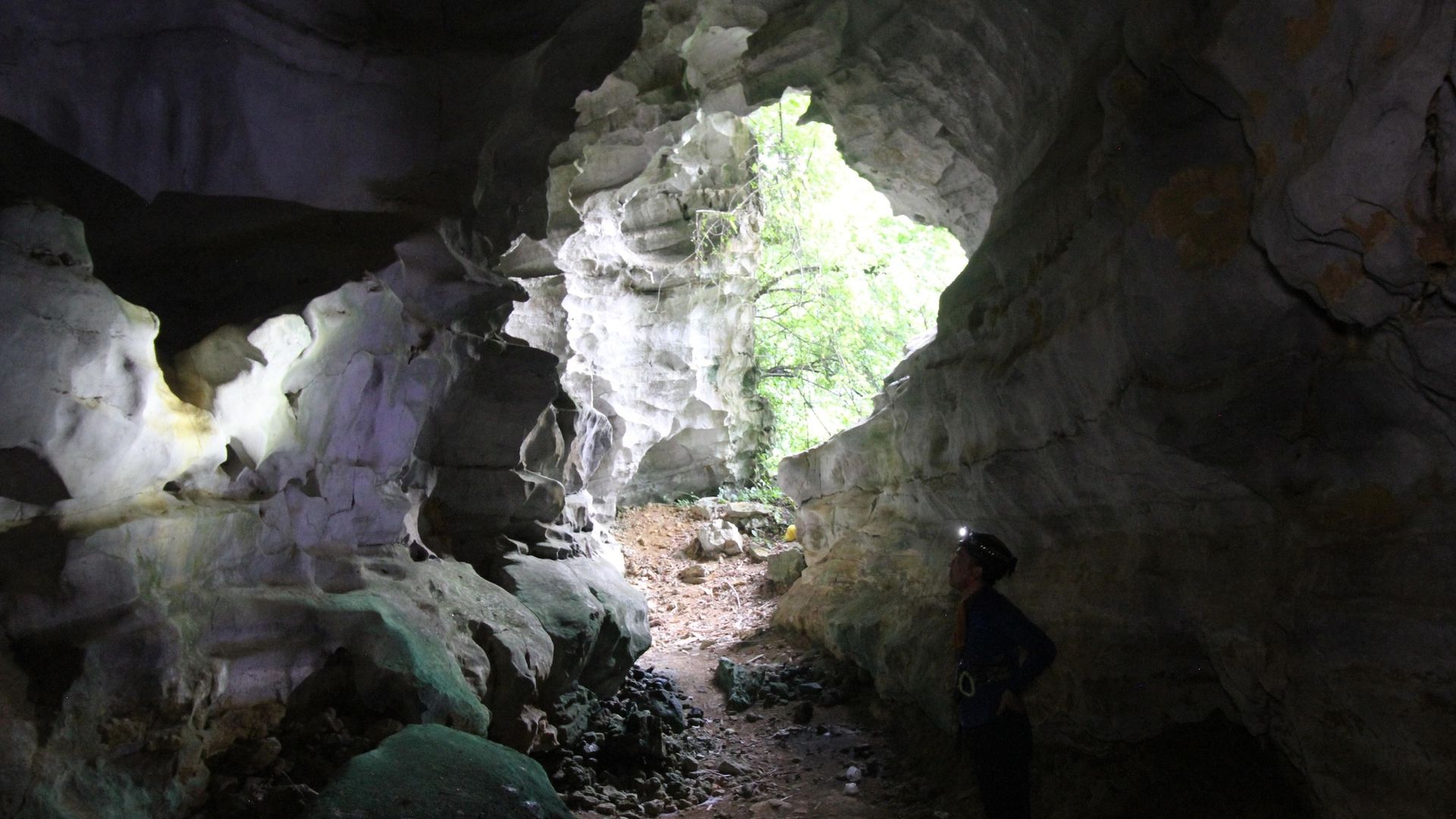
One of the most important ancestors to humans was around for much longer than previously believed. That is the conclusion of a new international study published in Nature in which researchers, including scientists from the University of Copenhagen, analyzed nine fossil teeth discovered in two caves in southern China. The teeth are between 324,000 and 184,000 years old, extending the known timeline of Homo erectus by around 200,000 years.
Fossil teeth from two caves in southern China are revealing that at least two lineages of early humans were present in the region around 184,000 years ago.
The global shift toward cleaner energy raises a difficult financial question: Are fossil-fuel companies worth more than they should be because investors have not fully accounted for the risks of climate change and stronger climate policies?
Texas A&M University researchers have developed a process that converts biomass into renewable fuels and chemicals. Dr. Mark Holtzapple, professor in the Artie McFerrin Department of Chemical Engineering, aims to make producing these products more efficient and affordable by using microorganisms to break down plant material.
Over the course of a year, hyperscale data centers (HDCs)—the largest and most powerful class of data centers, supporting services such as cloud computing, large language model training and global deployment of artificial intelligence (AI) tools—are powered mostly by fossil fuels and use as much electricity as entire U.S. states, according to a new study led by Harvard T.H. Chan School of Public Health and the Harvard Data Science Initiative. The study provides one of the first facility-level estimates of HDCs' electricity use and carbon dioxide (CO₂) emissions since the rise of AI.
How archaeologists solved a Roman-era frog whodunnit, what SciAm was covering back in the day, and why fossil fuel emissions are dropping this year
In propulsion system design, engineers have long faced a trade-off between solid and liquid rocket fuels. Each has advantages and disadvantages, and in an effort to try to min/max the efficacy of different types of fuel, researchers have long placed an emphasis on a hybrid between solids and liquids—in other words, they've been working with gels. Unfortunately, gels have their own sets of problems to deal with.
Scientists have developed an efficient method to transform used coffee grounds into a potential source of biodiesel while preserving the leftover material for other renewable fuels and valuable chemicals. The discovery could turn millions of tons of discarded coffee waste into a surprisingly useful resource for sustainable energy.
The ocean has been absorbing carbon dioxide from fossil fuel emissions at an increasing rate since 1990, while the net uptake of carbon by forests, soils and other land ecosystems has not grown, according to a new study led by scientists at UC San Diego's Scripps Institution of Oceanography.
A sweeping analysis of 540 million years of marine fossils has revealed surprising gaps in our understanding of Earth's ancient life. Scientists discovered that some of the greatest opportunities for finding previously unknown species lie in relatively recent geological periods, rather than the distant past. By mapping unexplored fossil-rich regions around the world, researchers have created a powerful tool to guide future excavations.
A new study quantifies, for the first time, the interrelationships and competing objectives of two major areas of action for reducing greenhouse gas emissions: the phaseout of fossil fuels and measures taken on natural land, such as farmland, forests and wetlands. It demonstrates how a well-balanced policy mix can keep costs low for both people and nature. The study, conducted at the Potsdam Institute for Climate Impact Research (PIK), was published in Nature Sustainability.
The war in Iran has put 2026 on track for a dip in annual fossil fuel carbon emissions
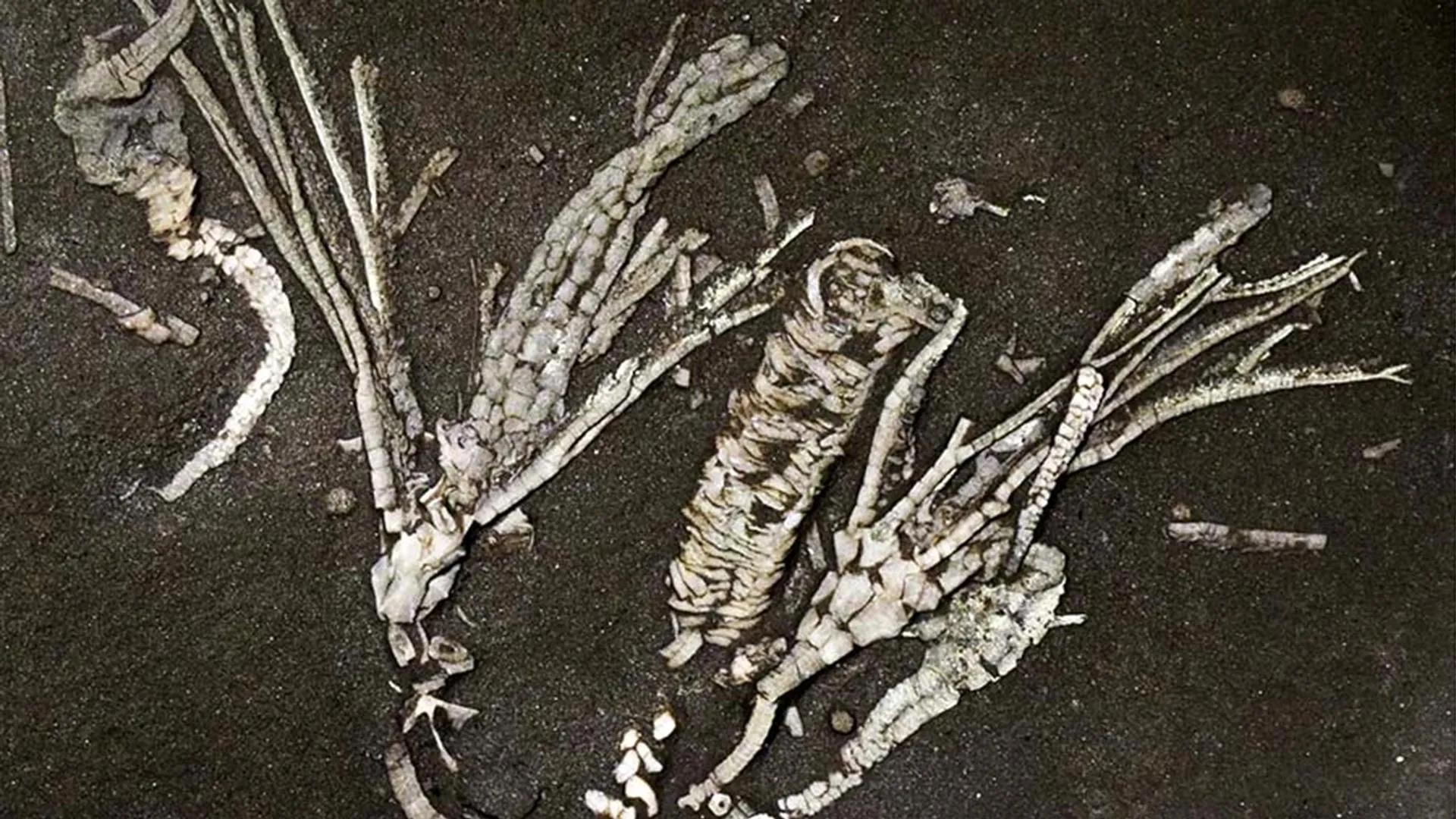
Scientists have discovered a remarkably preserved 450-million-year-old fossil containing soft tissues from an ancient starfish relative, revealing unexpected details about marine life more than 200 million years before dinosaurs existed. Found in a museum collection, the extraordinarily rare specimen offers new clues about how Earth's earliest reef animals fed, survived, and evolved.
Global fossil fuel emissions are projected to fall in 2026 as renewable energy and electric vehicles gain ground, but rising emissions from deforestation threaten to push total CO2 emissions to a new record. Scientists warn that the world's remaining carbon budget for limiting warming to 1.5°C could be exhausted in less than four years, even as a lasting decline in emissions appears increasingly within reach.
In the run-up to the COP31 U.N. climate change conference, scientists have revealed that global carbon emissions from fossil fuels are projected to drop by 0.4% this year, driven by growth in installed wind and solar power capacity, as well as oil price hikes caused by the Iran conflict. But climate goals are still unlikely to be met.
Global carbon emissions from fossil fuels are projected to decrease by 0.4% in 2026—driven by expansion of solar and wind power and the Iran conflict—according to new research by the Global Carbon Project. The 2026 edition (the 21st annual report) is published in the journal Earth System Science Data.
A century after the Taung Child permanently altered our view of human origins, a new study published in npj Palaeoecosystems dates the famous fossil to between 2.96 and 3.03 million years old. Led by professor Gabriele Macho of the Archaeology, Environmental Changes and Geo-Chemistry (AMGC) research group at Vrije Universiteit Brussel (VUB), the international research highlights that the human family tree in southern Africa was far more complex than previously assumed.
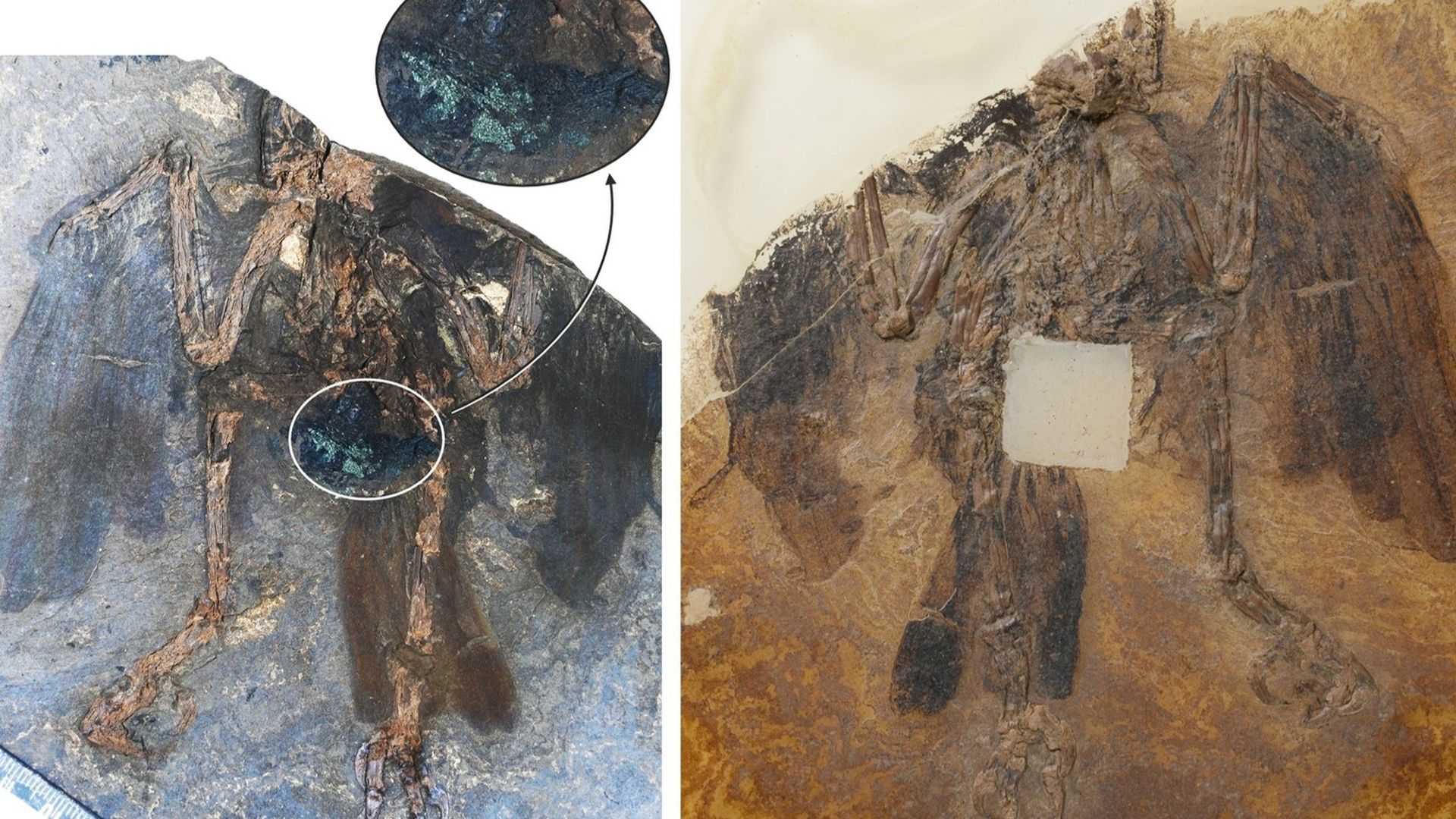
An exceptionally well-preserved, approximately 47-million-year-old owl fossil from the UNESCO World Heritage Site Messel provides new clues as to when owls became nocturnal. The newly described species Masillastrix blattophaga was likely still diurnal—as indicated by an iridescent cockroach in its stomach, as well as the structure of its feathers and wing bones. In their new study, published in the journal Current Biology, the Senckenberg researchers speculate that nocturnal behavior in owls only developed between the middle and late Eocene, some 47 to 34 million years ago.
A remarkable fossil discovery in Colombia is challenging how scientists understand major evolutionary changes in Earth's history. Researchers uncovered an incredibly diverse ancient marine ecosystem where giant reptiles, sharks, and other creatures thrived as older evolutionary groups approached extinction and newer ones emerged. They call this previously unrecognized pattern a "Biotic Inflection," suggesting that major transformations in life can occur without mass extinctions.
In 2009, researchers working in the Liang Bua cave on Flores Island came across a leg bone. The 190,000–120,000-year-old fossil was identified as a bird bone and set aside. Like many bird bones before it, it was overlooked and left to collect dust.
Tropical ecosystems are famous for their teeming, exuberant diversity. In fact, the dramatic increase in biodiversity from the poles to the tropics—known as the latitudinal diversity gradient—is pervasive across branches of the tree of life, and fossil evidence suggests it has existed for millennia.
Humans collectively produce more than 2 billion tonnes of carbon dioxide annually just by turning food into energy, a 74% increase over three decades largely driven by population growth. Unlike fossil fuel emissions, however, the CO2 we exhale is part of the natural carbon cycle, and scientists say measuring it more accurately could improve climate models.
A stunning fossil owl from Germany that has its last meal preserved in its stomach helped researchers to narrow down the time when these birds mostly became active at night.
A giant rodent weighing around 30 kilograms (66 pounds) roamed what is now southern Thailand 33 to 35 million years ago, scientists said, after identifying a previously unknown species from two fossilized teeth.
Electron spin is a quantum property that makes electrons behave like tiny magnets. It can influence how electrons interact with each other and how chemical reactions take place. But what does this have to do with producing fertilizers, making cleaner fuels or improving energy technologies? What connects all these processes is the use of catalysts, materials that help chemical reactions happen faster and more efficiently. By controlling electron spin, scientists may be able to improve how these catalysts work, opening up new possibilities for more efficient chemical processes.
Tiny skeletal plates recovered beside fossil whale bones in southern Denmark offer a rare glimpse of life around a whale carcass approximately 9.5 million years ago. Researchers have identified a new species of brittle star, Ophiura huebnerjenseni, from the Gram Clay Pit and suggest it represents the first fossil record of brittle stars associated with a whale fall.
Fires in the U.S. are getting faster, larger and more dangerous, but people continue to develop and move into fire-prone regions. New research from the University of Colorado Boulder's Cooperative Institute for Research in Environmental Sciences (CIRES) shows that if we don't act on climate change, which fuels fires, manage vegetation or transform how we build and adapt to fire, the risk to structures in the U.S. will almost triple by midcentury.
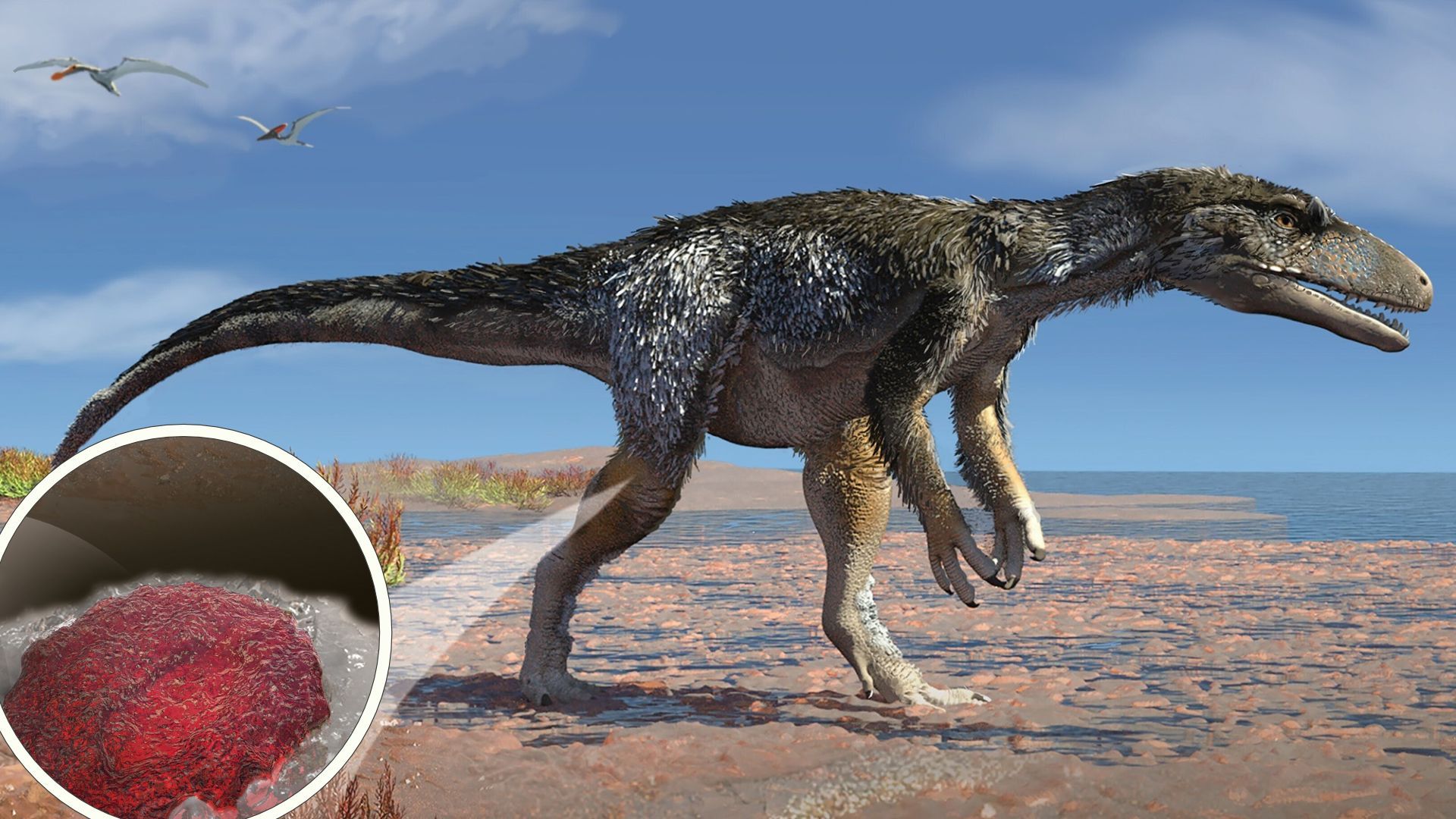
Chemical signatures found in a Brazilian dinosaur bone may be preserved red blood cells, a new study suggests, but not all experts agree.
An international research team led by Curtin University has for the first time uncovered unequivocal evidence of fossilized red blood cells and amino acids of collagen, reshaping our understanding of fossil preservation and molecular longevity in deep time.
University of Cape Town (UCT) researchers recently named a series of approximately 400,000-year-old fossilized underground nests of an extinct termite species after Calitzdorp, the Little Karoo town near which they were found. In October 2026, the research team returned to the town to donate a poster documenting their discovery to the Calitzdorp Museum, helping to connect local communities with the region's fossil heritage.
Scientists spend their careers trying to understand how the world works. Yet even in their own specialties, complete understanding may remain elusive. That idea lies at the center of a new article by Richard Shiffrin, distinguished and Luther Dana Waterman professor of Psychological and Brain Sciences in the College of Arts and Sciences at Indiana University Bloomington, Stephen Stigler of the University of Chicago, and Frank Keil of Yale University.
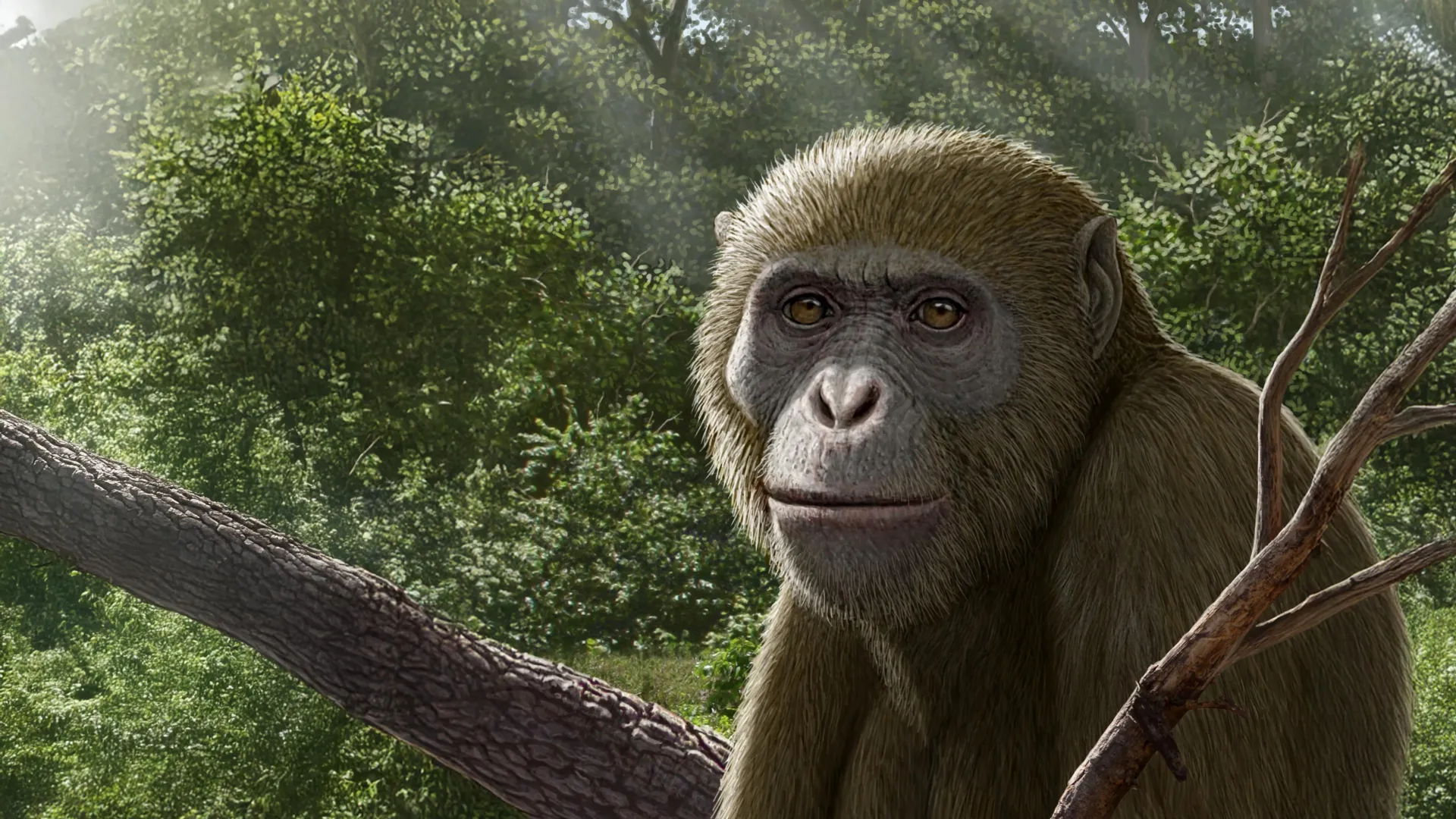
A 17- to 18-million-year-old ape fossil discovered in Egypt is challenging long-held beliefs about where the ancestors of humans and other modern apes first evolved. Scientists now suspect that North Africa and the Middle East, rather than East Africa, may have been the cradle of modern ape evolution.
A kerosene-based gel developed by Concordia researchers could make rocket and satellite fuels easier to store and control.
A Halloween-themed protest against fossil fuels has targeted the first minister's residence in Edinburgh.
Among the ravenous carnivores and lumbering herbivores that roamed the Cretaceous landscape, another kind of dinosaur was evolving that started to eat something else: the plants that began to flower and produce fruit. The discovery by paleontologists from Stony Brook University, Royal Ontario Museum (ROM) and the North Dakota Geological Survey reveals that a new species, Infernogallus jamesi—a type of small oviraptorosaur—had chewing muscles for mashing soft food, making it the first known dinosaur that specifically ate fruit.
New membrane technology delivering faster and more precise molecule separation could improve the efficiency and sustainability of energy-intensive industrial processes—from purifying chemicals and recovering valuable resources to producing sustainable fuels.
The T. Rex cousin is the latest dinosaur fossil to fetch a high price at an auction, this time at Sotheby’s.
The fossil, collected in Antarctica in 1985, is part of the tail of a beast called a Titanosaur.