TopNewsOn

Results for “found guilty”

Young children like sharks, but fear grows with age

Most young children like sharks, with almost seven in 10 describing them in a positive light, but a new study has found that associations between sharks and fear become more common as children get older.

Phys.org · 1h ago
Goodbye, cavities? Scientists create gel that could regrow tooth enamel

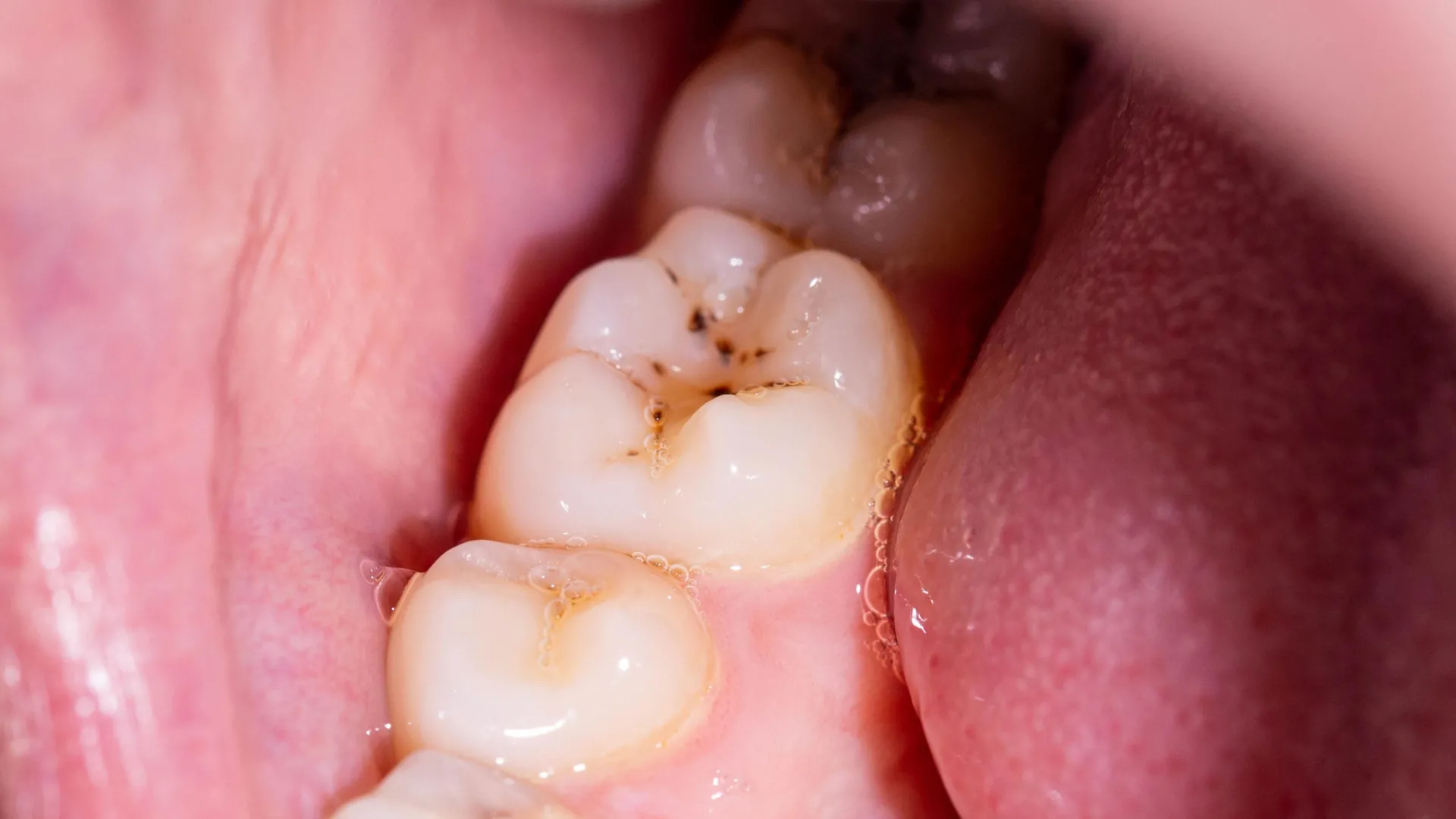
Scientists have developed a revolutionary gel that could regrow lost tooth enamel by harnessing minerals naturally found in saliva, potentially overcoming one of dentistry’s biggest limitations. The regenerated enamel behaves much like healthy enamel, raising hopes for a simple treatment that could repair damaged teeth, prevent decay, and reduce sensitivity.

Science Daily · 5h ago
How ranchers on Brazil's 'Dirty List' bypass forced labor safeguards by selling cattle through intermediaries

Brazil's "Dirty List," a public registry that names employers found to have violated anti-slavery laws, is a key component of the country's efforts to combat forced labor. Major meatpackers in Brazil signed sustainable sourcing commitments promising to not purchase cattle directly from ranchers on the Dirty List. But new research shows that ranchers have found ways around these restrictions, rerouting cattle through intermediaries and allowing cattle linked to forced labor to remain in domestic and international beef and leather supply chains.

Phys.org · 16h ago
Swapping from dairy to plant-based milk, cheese and yoghurt ‘could lead to micronutrient deficiencies’

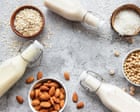
Young people and women most at risk, study finds, as researchers call for vegan products to be fortified with iodine in particular Switching from dairy products to plant-based alternatives could lead to deficiencies in vital micronutrients, especially among young people and women, a study has found. Even moving partly to vegan alternatives to milk, cheese and yoghurt could lead to falls in iodine, calcium, riboflavin and vitamin B12 if the substitutes, often based on soya, almonds or oats, are not fortified, scientists said. Continue reading...

The Guardian · 17h ago
Race, age and gender associated with experiences of harassment among gig workers

The gig economy is rapidly growing, and scholars are still working to understand the conditions gig workers encounter. Julieta Aguilar at the University of Kentucky, U.S., and Dr. Jeremy Reynolds at Purdue University, U.S., examined experiences of harassment in the gig economy. Their study, published on Nov. 4, 2026, in the journal PLOS One, found associations between race, gender, age and reported experiences of harassment, indicating that already precarious employment may be even more fraught for some workers.

Phys.org · 21h ago

Trained dogs detected invasive plant species in Germany with 75% accuracy

Invasive alien species (IAS) are one of the main causes of biodiversity loss worldwide. A study published Nov. 4, 2026, in the journal PLOS One by Annegret Grimm-Seyfarth at Helmholtz-Centre for Environmental Research—UFZ, Germany, and colleagues found that with training, volunteer dog-handler teams could locate invasive species in the wild with 75% accuracy.

Phys.org · 21h ago
Satellite analysis finds little evidence that data centers cause widespread ground warming

A new study published in Environmental Research Letters has found little evidence that hyperscale data centers cause significant heating of surrounding land. While a previous study suggested data centers heat surrounding land by about 2 °C on average (up to 9 °C), reaching 10 kilometers (6.2 miles) away, 13 years of satellite data reveal that server waste heat causes minimal nighttime surface warming, while building materials actually cool ground temperatures during the day.

Phys.org · 23h ago

Nature's looking glass: Crafting mirrors from plants

Natural materials, ranging from butterfly wings to mother-of-pearl, can exhibit an array of optical effects. In trying to reproduce these effects, scientists have found it challenging to use biodegradable, sustainable raw ingredients while also achieving the high levels of reflectivity required for certain applications.

Phys.org · 23h ago
New species of pygmygoby discovered at the edge of the Red Sea's unexplored deep reefs

Researchers have described a new species of fish from the northern Red Sea, found at the entrance to a cave on a steep reef slope. Charon's pygmygoby (Trimma charon) is a small, translucent fish with a broad orange-red stripe, golden spots on its tail and an unusual four-part eye. The two known specimens measure just 12 and 17 millimeters (0.47 and 0.67 inches).

Phys.org · 23h ago
Permanent daylight saving time has a dark side, scientists warn

A new study warns that permanent daylight saving time could force American children to make at least 2 billion additional school commutes in darkness, potentially increasing safety risks and disrupting their biological clocks. Researchers found that fatal crashes involving school-aged pedestrians were roughly twice as likely during dark mornings as after sunrise.

Science Daily · Nov 4
One in 15 adults has experienced AI-generated image-based abuse, study finds

Around one in 15 adults has experienced AI-generated image-based abuse, according to a new study. The general-population survey of more than 7,200 adults in the United States, the United Kingdom and Australia found 7% had experienced at least one form of AI-generated image-based abuse since turning 18.

Phys.org · Nov 4
Kids who eat more ultra-processed foods show a troubling brain response

A new study suggests that ultra-processed foods may influence children's developing brains in ways that encourage weight gain. Researchers from USC studied 46 children ages 7 to 10 and found that those who ate more ultra-processed foods showed stronger activity in the brain's reward system when viewing tempting foods like cookies and French fries. These heightened brain responses were linked to greater increases in body fat and body mass index (BMI) one year later, suggesting that the brain's sensitivity to food cues may help explain why ultra-processed diets are associated with obesity.

Science Daily · Nov 4
A single measurement makes quantum bits more reliable

Researchers at the University of Regensburg and their international partners have found a way to significantly reduce errors in quantum bits. In an experiment, they demonstrated that a single additional measurement before a series of quantum operations can cut the error rate by more than half. The results have been published in Applied Physics Reviews.

Phys.org · Nov 3
Cold without consequences? Short-term climate fluctuations appear to have had less impact on early farmers

Cold conditions may not have been responsible for the centuries-long pause in the spread of farming across south-eastern Europe during prehistory, according to a new study by the Leibniz-Zentrum für Archäologie (LEIZA) in Germany, published in the journal Proceedings of the National Academy of Sciences. Researchers found no evidence of extreme cold at the Greek archaeological site of Franchthi, nor any statistically significant link between local temperature fluctuations and changes in how people obtained their food.

Phys.org · Nov 3
Bee nest linings could inspire plastics that break down in soil

Hundreds of millions of metric tons of plastics are produced every year, and most of them end up sitting in landfills or polluting natural environments after use. These plastics endure for dozens to hundreds of years. But some scientists are on the lookout for solutions to this problem. And now, one team of researchers might have found a potential solution in bee nests. Their study, published in the Proceedings of the National Academy of Sciences, shows that a natural plastic made by bees may offer design lessons for plastics that degrade naturally in far less time.

Phys.org · Nov 3
AI is changing what's in store for new hires and managers alike

AI is screening résumés, prompting some managers to hire fewer entry-level workers and leading others to expect beginners to tackle more advanced work, Northeastern University's AI & Society Survey found. The report is the latest in a series that opened with an analysis of how people across the political spectrum view AI training.

Phys.org · Nov 3
Physicists step closer to the 'Zeptoverse' after 42-year particle search

Physicists have found evidence of a particle decay so rare that it is expected to occur only around once in every 10 billion "beauty" particles. The result, from the upgraded LHCb experiment at CERN's Large Hadron Collider (LHC), follows a search spanning more than 40 years and brings physicists closer to exploring the "Zeptoverse"—an unexplored world that exists at distances of a billionth of a trillionth of a meter, or a "zeptometer," where new particles and forces of nature may be hiding.

Phys.org · Nov 3
JWST may have found where heavy black hole seeds formed

Astrophysicists think that the supermassive black holes (SMBH) we see in the modern universe are the result of a long, drawn-out process. That process is referred to as the hierarchical black hole mergers framework. It explains how some SMBHs can reach such staggering masses. Some of the most massive appear to have billions of solar masses.

Phys.org · Nov 3
The brain’s hidden fear mechanism may explain anxiety and PTSD

A surprising new discovery suggests that fear may cause the brain to blur the line between danger and safety rather than distinguish them more clearly. By observing brain activity in mice using augmented reality, scientists found that memories of threatening and harmless environments began to overlap, potentially allowing faster responses to danger. This "better safe than sorry" survival mechanism could help explain why people with anxiety or PTSD sometimes experience intense fear in completely safe situations.

Science Daily · Nov 3
New study examines how diabetes and weight-loss drugs affect employment and working hours

Diabetes and weight-loss medications may have economic effects beyond health care spending, according to new research from NYU Abu Dhabi. Using population-wide data from Denmark, the study found that diabetes treatment caused an increased likelihood of employment, while weight-management treatment caused longer working hours among people already employed. The findings also point to implications for income tax revenue and public health care spending.

Phys.org · Nov 3
Scientists just found a loophole that could let black holes split in two

Scientists have discovered a possible loophole in the laws that normally prevent black holes from splitting apart, suggesting that extremely fast-spinning black holes might divide into two. The surprising finding raises the possibility of an entirely new black hole phenomenon that future telescopes could potentially detect.

Science Daily · Nov 3
Scientists reverse liver cell aging and cut Alzheimer’s-linked protein in half

A surprising discovery suggests that rejuvenating the liver could help protect against Alzheimer’s disease and heart disease. USC researchers found that an experimental drug restored aging liver cells in rats, cutting levels of an Alzheimer’s-linked protein in half and bringing bad cholesterol down to youthful levels. The treatment also revived a previously unknown communication system that helps liver cells remove harmful substances from the bloodstream.

Science Daily · Nov 3
Telltale furrows: What the Baltic Sea seafloor reveals about bottom trawling

To what extent does bottom trawling impact the seafloor of the Baltic Sea—and how quickly does it recover? Two new studies from the Leibniz Institute for Baltic Sea Research Warnemünde (IOW) show that the marks on the seafloor provide a much clearer picture of the actual impact than vessel position data alone. Using high-resolution echo sounder measurements and AI, the researchers reveal previously insufficiently recorded impacts and also document surprisingly rapid changes of the seafloor condition. Furthermore, they found strong indications of fishing violations in a marine protected area. The study results were published in the journals Ecological Informatics and Anthropocene.

Phys.org · Nov 2
Stars make oxygen for small galaxies, but they lose most of it

Scientists examining data collected by NASA's Hubble Space Telescope have found that dozens of small galaxies contain far less oxygen than their stars are estimated to have produced. The researchers, including a Rutgers astrophysicist, studied 37 dwarf galaxies, which are much smaller than the Milky Way and considered to be nearby, within 22 million light-years of Earth. The results were published in The Astrophysical Journal.

Phys.org · Nov 2
Lysosomes, the cell's 'recycling centers,' found to help control heart rhythm

Scientists have discovered that lysosomes, structures traditionally viewed as the cell's recycling centers, also play a role in regulating the heart's natural rhythm. Researchers at the University of Liverpool and University of Oxford, working with national and international collaborators, found that lysosomes act as signaling centers in heart cells, helping the heart's natural pacemaker respond when the heart needs to beat faster.

Phys.org · Nov 2
400,000-year-old fossilized termite nests named after Little Karoo town

University of Cape Town (UCT) researchers recently named a series of approximately 400,000-year-old fossilized underground nests of an extinct termite species after Calitzdorp, the Little Karoo town near which they were found. In October 2026, the research team returned to the town to donate a poster documenting their discovery to the Calitzdorp Museum, helping to connect local communities with the region's fossil heritage.

Phys.org · Nov 2
The desire to be remembered may be linked to better mental health

Most people, at some point, wonder what will remain of them after they are gone. Will their family remember them? Will something they created, taught or contributed continue to matter? A new study suggests that this deeply human desire may be connected to mental health. Researchers found that people who more strongly believed they would be remembered after death also tended to report better mental health and lower levels of problematic substance use and addictive behaviors.

Phys.org · Nov 2
Scientists discover that some “unhealthy” diets can boost cancer immunotherapy in mice

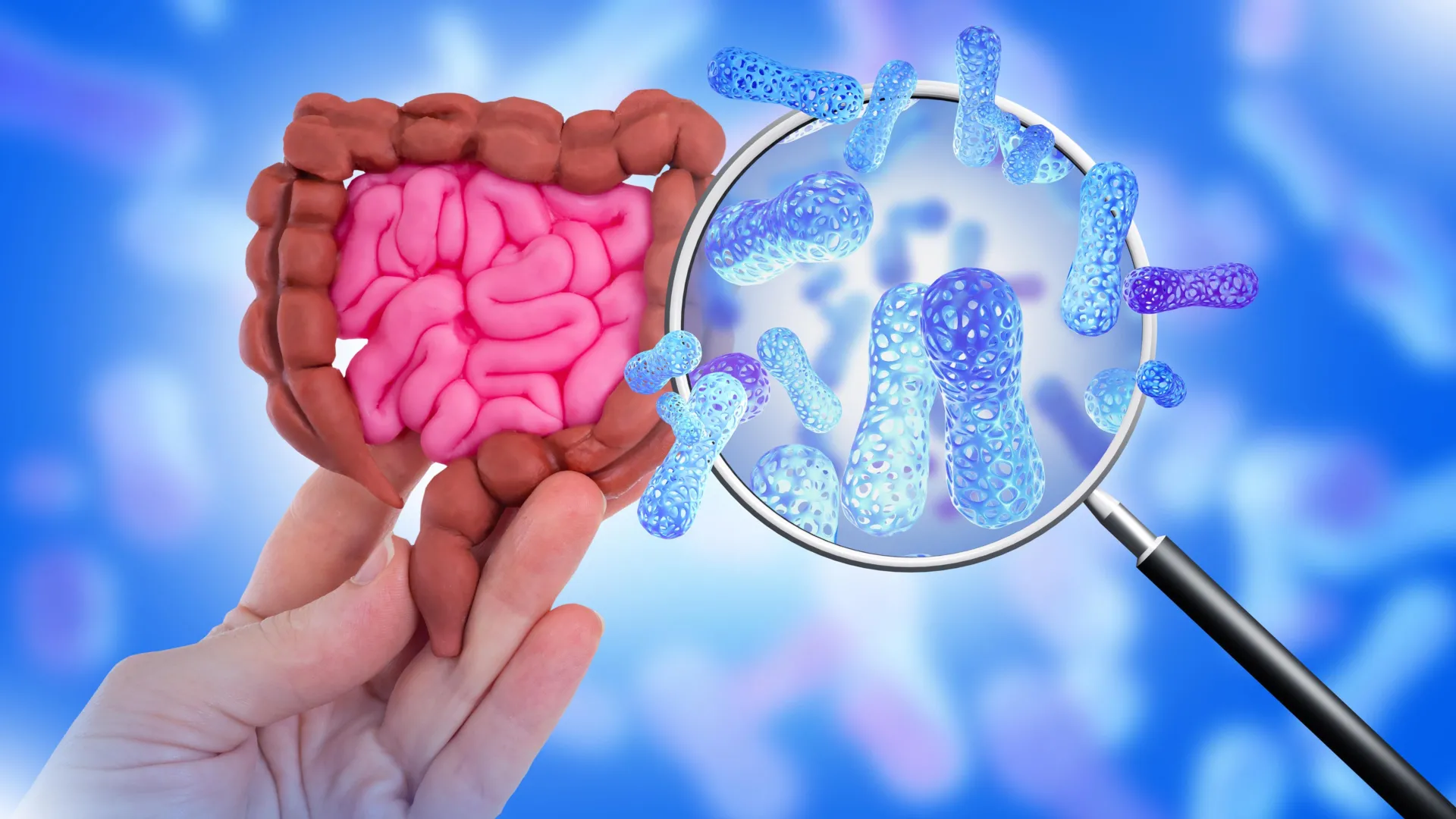
In a surprising discovery, scientists found that certain diets associated with obesity can make cancer immunotherapy more effective in mice, challenging traditional assumptions about diet and cancer treatment. The findings suggest that the secret may lie in how food interacts with gut bacteria to strengthen the immune system's response to cancer.

Science Daily · Nov 2
Even moderate drinking linked to cancer and early death, major study finds

A major new study challenges the idea that moderate drinking is safe, finding that even relatively small amounts of alcohol increase the risk of cancer, heart disease, and premature death. Researchers found no overall health benefits from drinking and warn that consuming more than one alcoholic beverage per day can significantly increase long-term health risks.

Science Daily · Nov 2
Cryosphere faces permanent damage when world overshoots 1.5C, scientists warn

UN-backed report finds even temporary rises above Paris agreement target could cause harm to glaciers and polar ice sheets Earth’s icy regions face such dangerous melting that global heating should be brought back below 1C after an inevitable period of overshooting global temperature targets, a UN report has found. Permanent and widespread losses of snow and ice expose a “persistent myth” that overshooting the 1.5C target of the Paris climate agreement – to 2C or 3C – could be manageable or even preferable to urgent cuts to emissions, the report found. Continue reading...

The Guardian · Nov 2
Scientists discover a surprising brain benefit of eating peanuts every day

A surprising new study suggests that eating peanuts every day could help support brain health and memory in older adults. Researchers found that consuming about two servings of unsalted, skin-roasted peanuts daily for 16 weeks improved insulin responsiveness in brain regions important for memory, a function that often weakens with age and has been linked to Alzheimer's disease.

Science Daily · Nov 1
Drinking tea may help protect your heart, but there’s a surprising catch

A massive study of nearly 486,000 adults found that regularly drinking tea was associated with an 11% lower risk of heart and blood vessel diseases. The lowest risk was linked to drinking roughly six to eight cups per day, with black tea showing more consistent benefits than green tea.

Science Daily · Nov 1