New gel fuel could make rocket and satellite propulsion easier to control
A kerosene-based gel developed by Concordia researchers could make rocket and satellite fuels easier to store and control.
Phys.org · 7h ago

A kerosene-based gel developed by Concordia researchers could make rocket and satellite fuels easier to store and control.
Grab your high-lumen flashlight and gargantuan gun to explore these vicious vessels
A Halloween-themed protest against fossil fuels has targeted the first minister's residence in Edinburgh.
On October 31, 2015, an asteroid shaped like a human skull flew by Earth. Here's why it was so creepy.
From Saturn's spectacular rings to Halloween fireballs and a space station flyover, there are plenty of celestial treats in store this Halloween. Here's when and where to look.
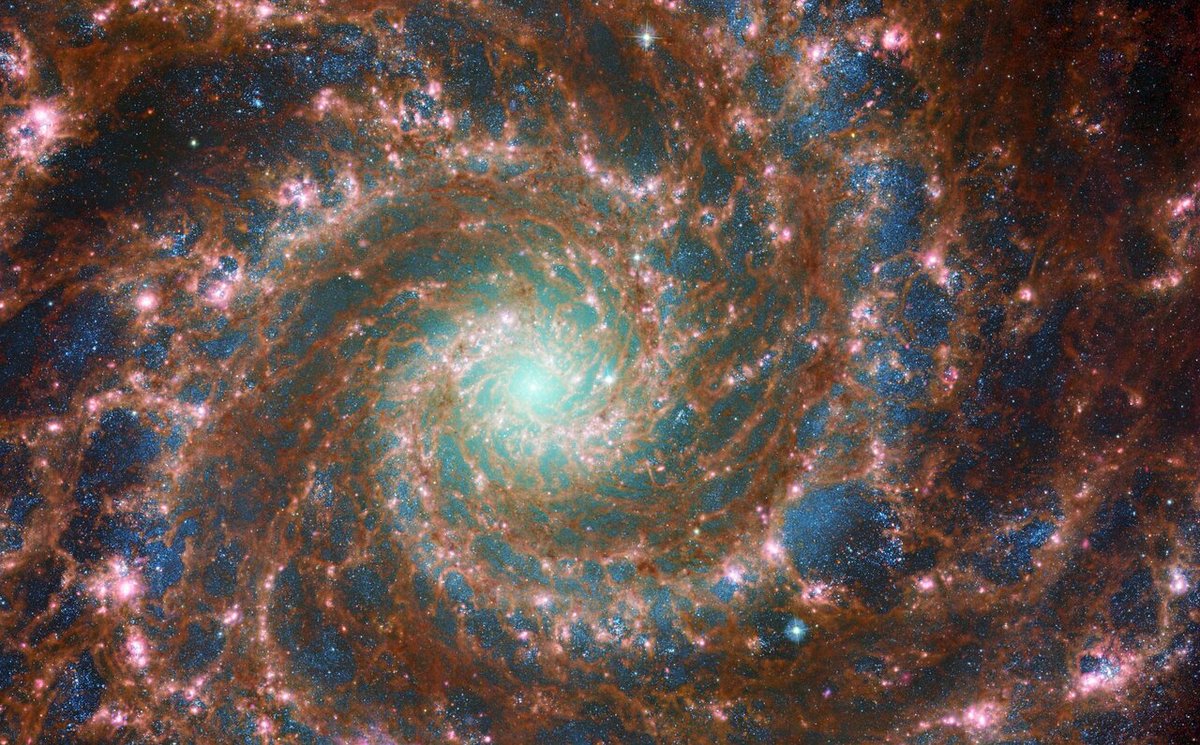
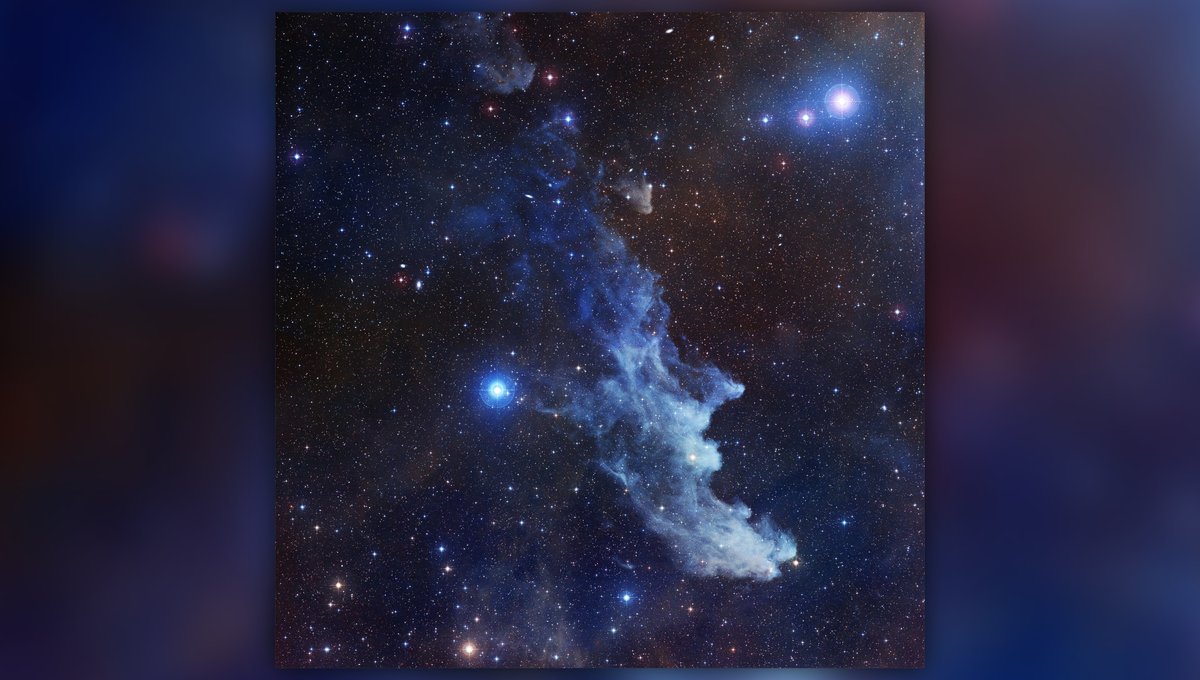
From ghosts to skeletons and even spiders, the cosmos is full of scary surprises
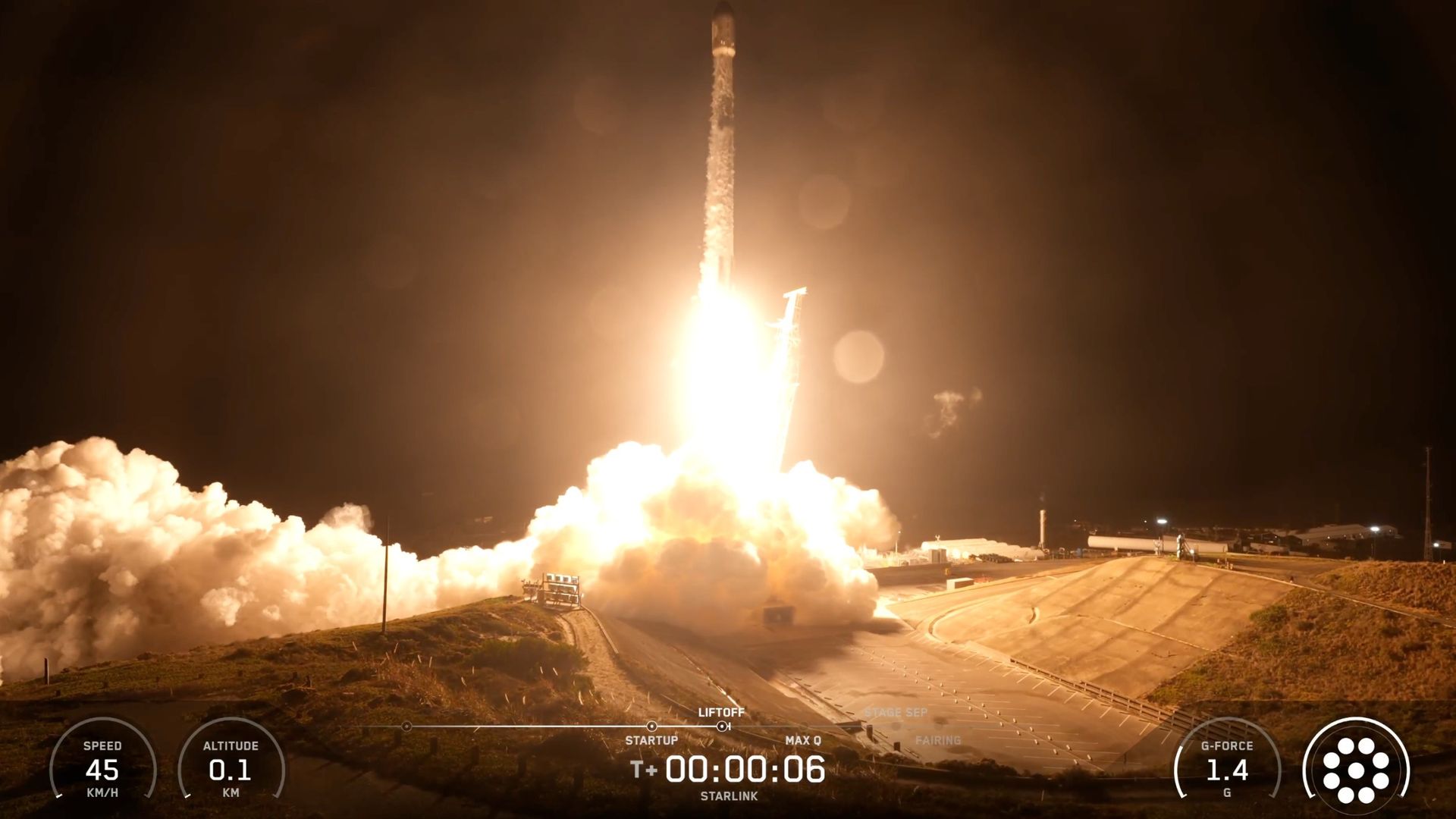
SpaceX sent another batch of its Starlink broadband satellites to orbit from California just after midnight on Halloween (Oct. 31).
The spooky is a hugely popular phenomenon in British culture, demonstrated in what now seems like a month-long Halloween celebration, a rich tradition of horror cinema and a growing interest in the uncanny. But there are other manifestations of haunting.
Just in time for Halloween, we have new, ghostly views of the Cat's Eye Nebula haunting the outer reaches of the cosmos.
It’s Halloween, and nothing is scarier than our terrifying universe
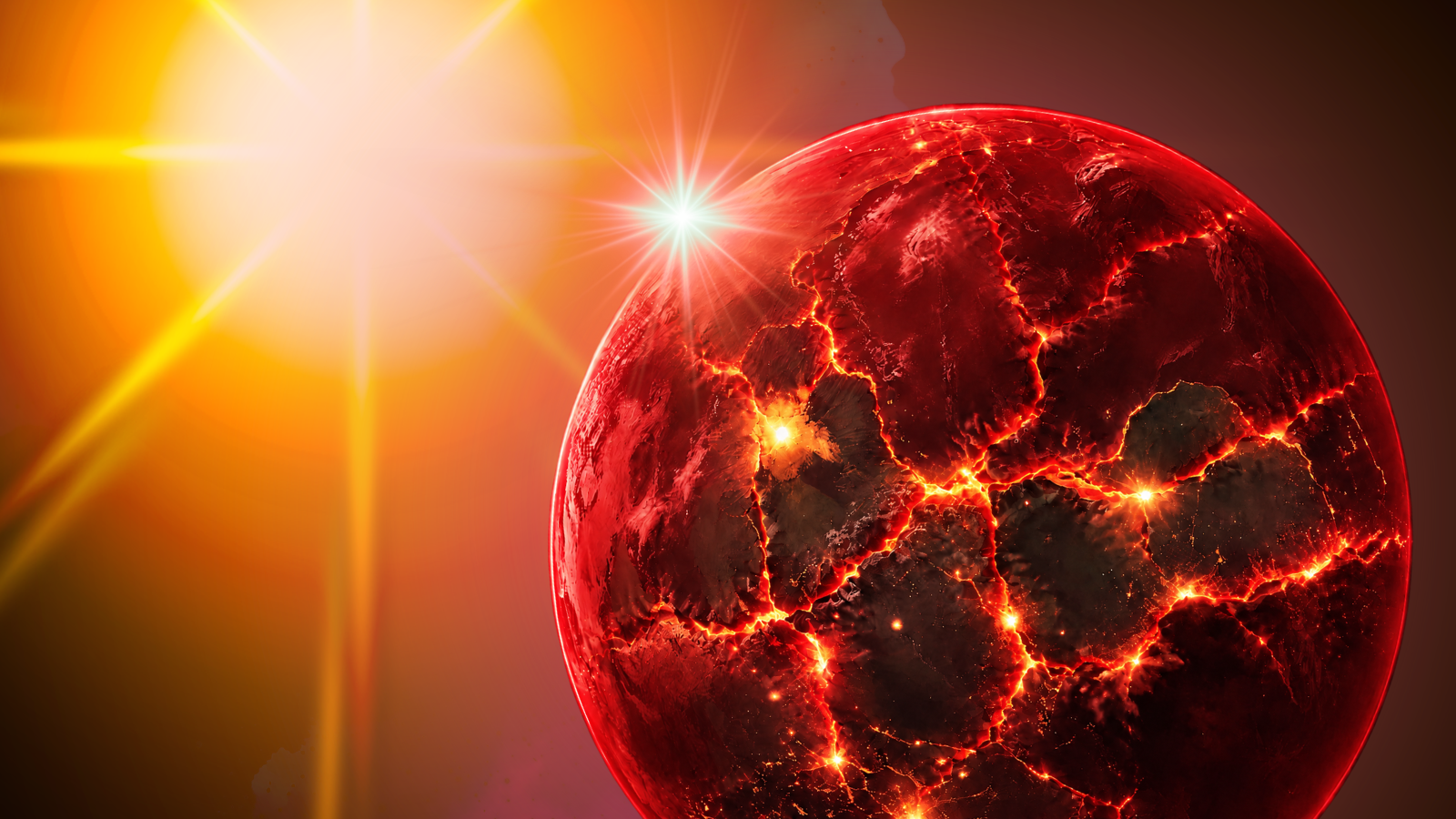
Earth would be terrifying if we celebrated Halloween every 11 hours, a possibility on a super-Earth investigated by the JWST, if it wasn't so hellishly hot that no life could survive on its surface.
Large batteries that store electricity have revolutionized power grids and car markets. Now some start-ups are betting that “heat batteries” could be just as transformative.
Stargazing doesn't always go to plan, and we have the stories to prove it.
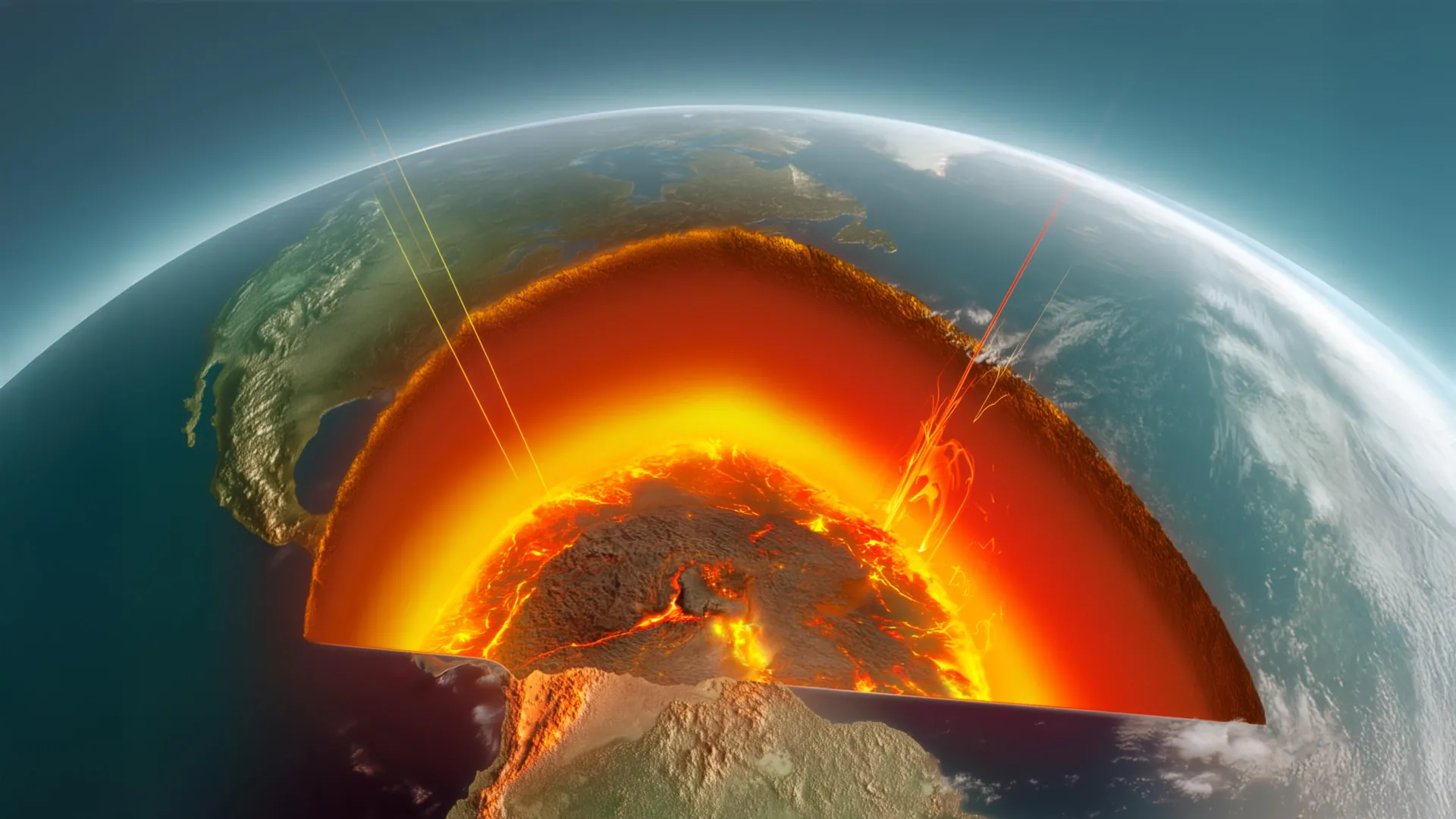
Scientists have discovered that magma deep inside Earth can store surprising amounts of extra oxygen, potentially revealing a hidden contributor to our planet's oxygen-rich atmosphere. The findings suggest that ancient volcanic eruptions may have helped transform Earth's atmosphere billions of years ago, with implications for understanding life on other planets.
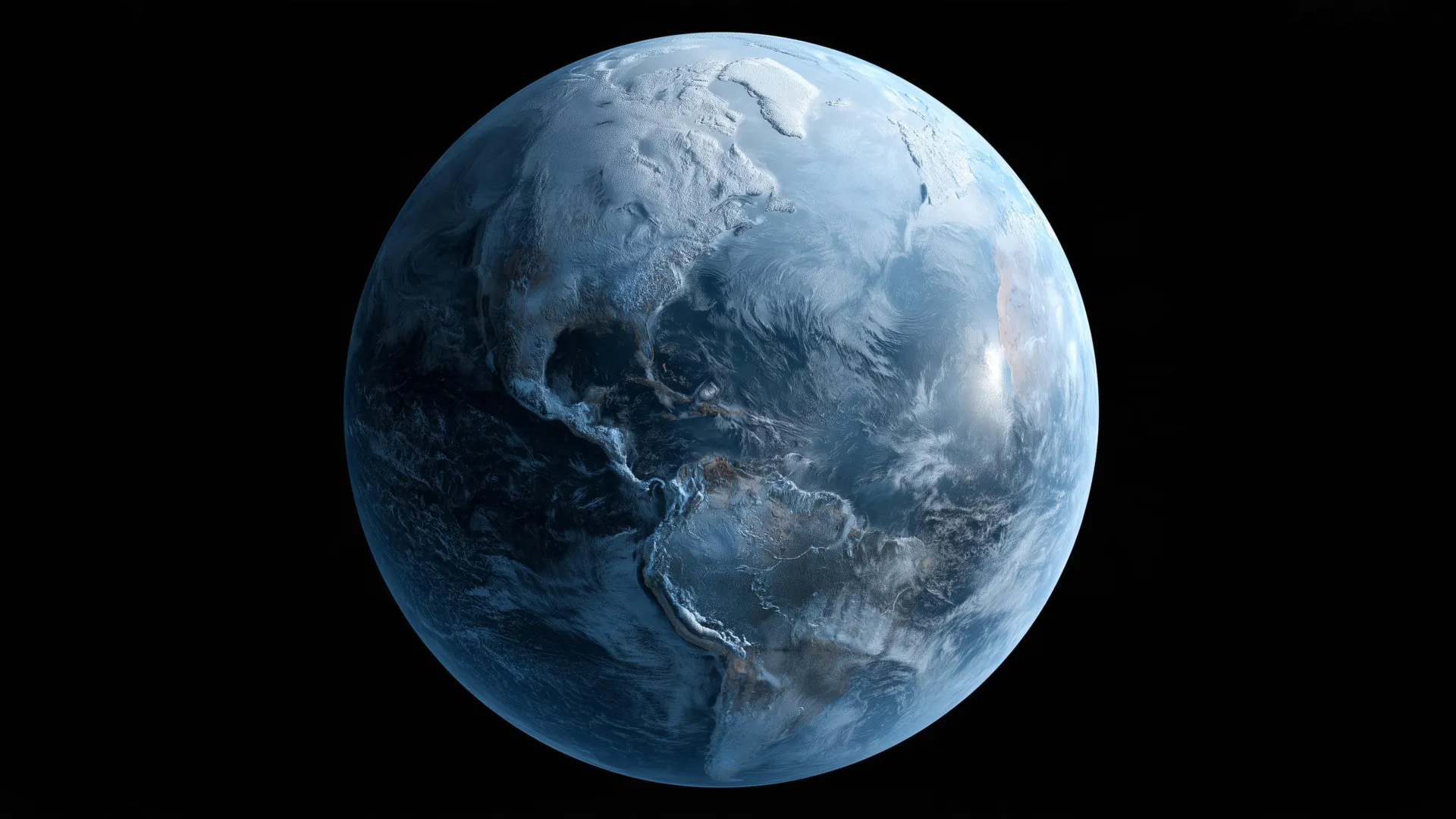
Scientists have uncovered a surprising connection between Earth's opposite poles that may help explain how the planet plunged into past ice ages. New research suggests that as massive ice sheets expanded across the Northern Hemisphere, they cooled Atlantic Ocean waters that eventually traveled south toward Antarctica. This cooling may have disrupted Southern Ocean circulation, allowing the ocean to absorb and store more carbon dioxide from the atmosphere, further cooling the planet.
Bats deserve a little more love
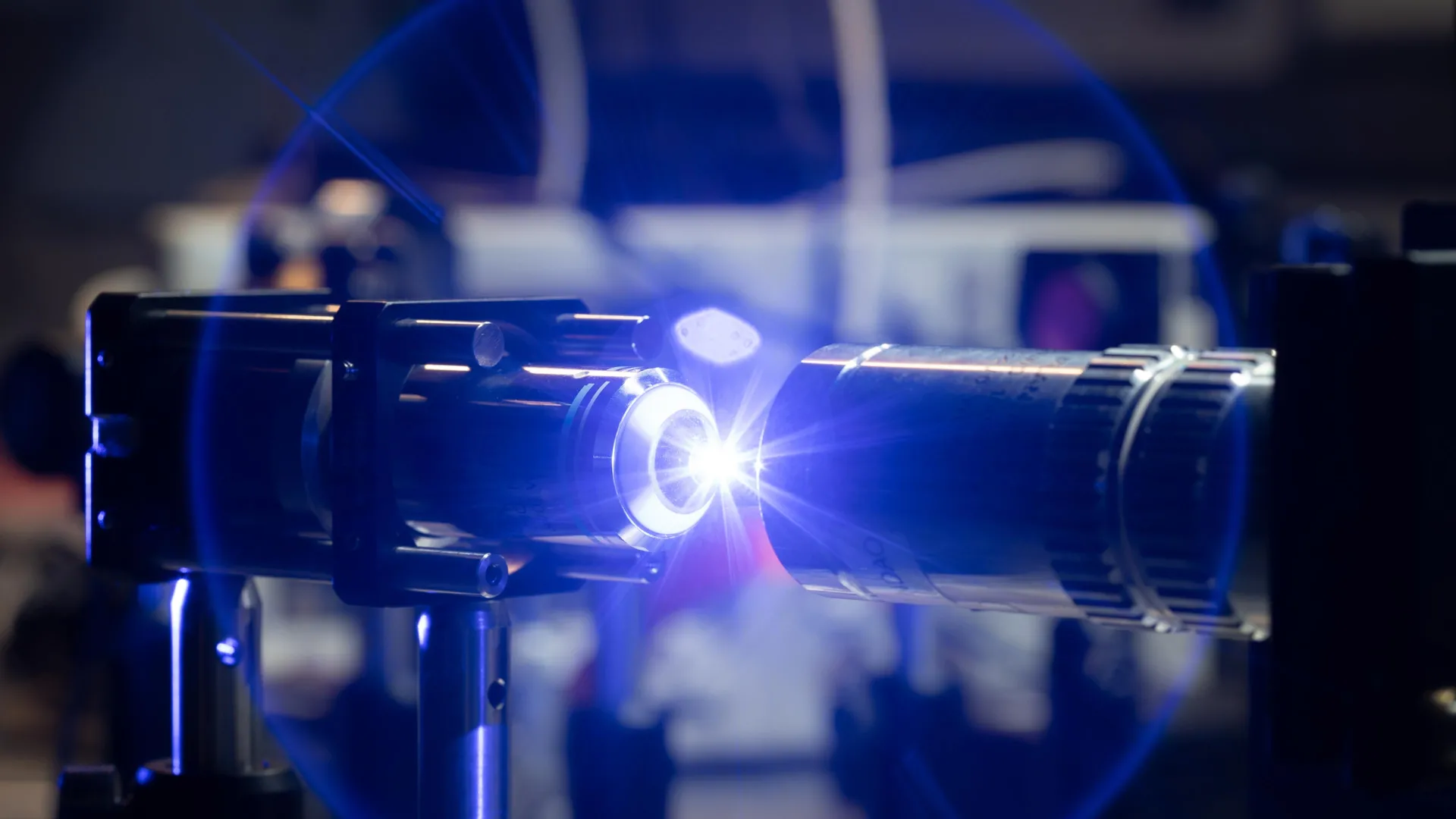
Scientists at UC San Diego have developed a surprising new way to store digital information using light instead of magnets, potentially paving the way for smaller, faster, and more energy-efficient memory devices. By precisely shaping and shrinking an ultrafast laser beam, researchers demonstrated that they could switch magnetic states in a material, the basic process used to write digital data. The technique could potentially operate more than 1,000 times faster than conventional magnetic switching methods.
Halloween is just round the corner, but if you hurry, you can beam down these superb Star Trek outfits, from old-school Star Trek through to The Next Generation and Discovery.