Eighty-eight years after pioneering British archaeologist Starkey was shot dead while traveling from the ancient city of Lachish to Jerusalem, researchers say they have uncovered compelling new evidence explaining who was behind his murder—and why he was targeted.
Results for “james talarico”
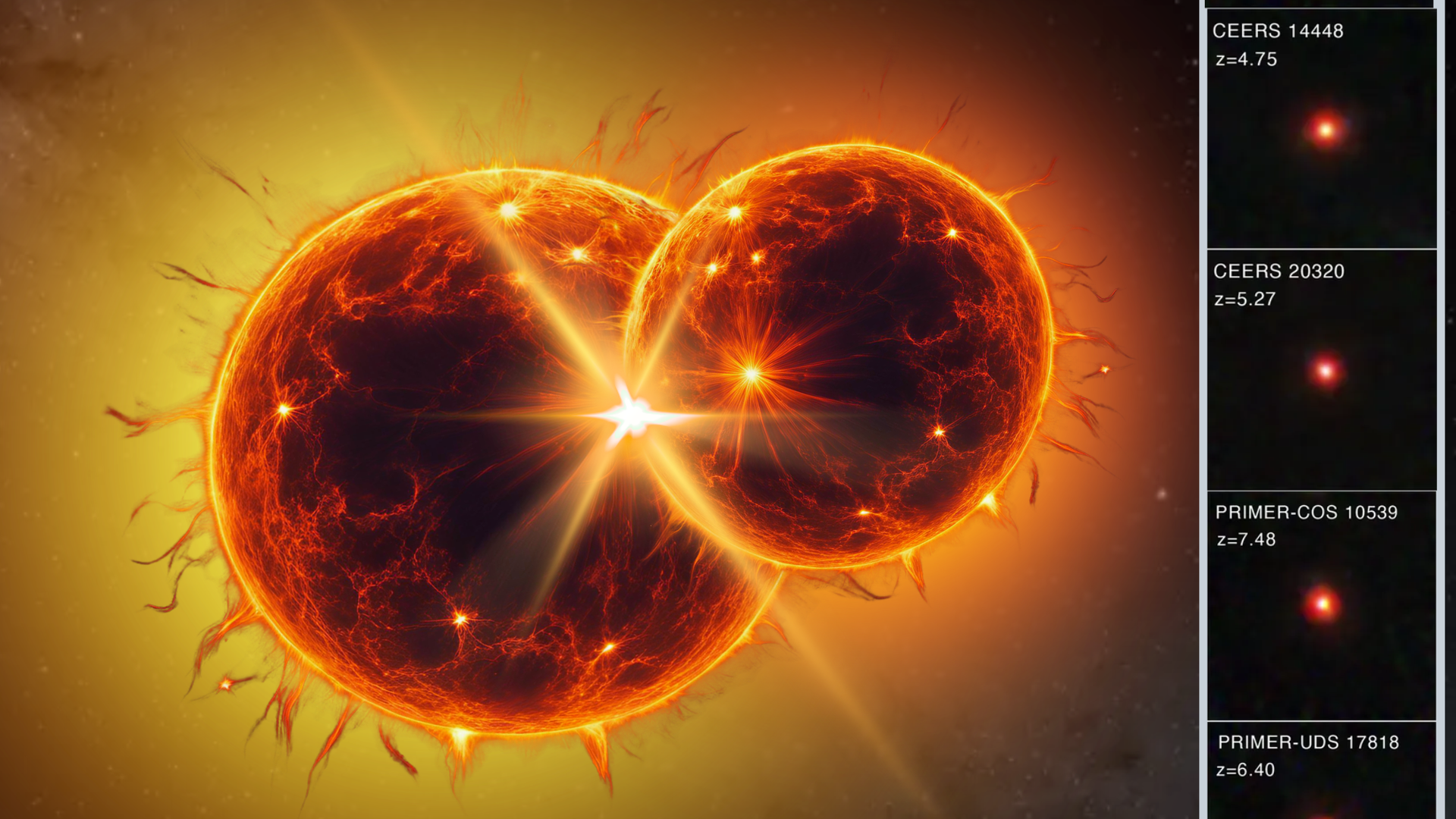
Collisions between stars in the early universe were common, and this could explain the growth of supermassive black holes and the existence of strange Little Red Dots seen by the James Webb Space Telescope.
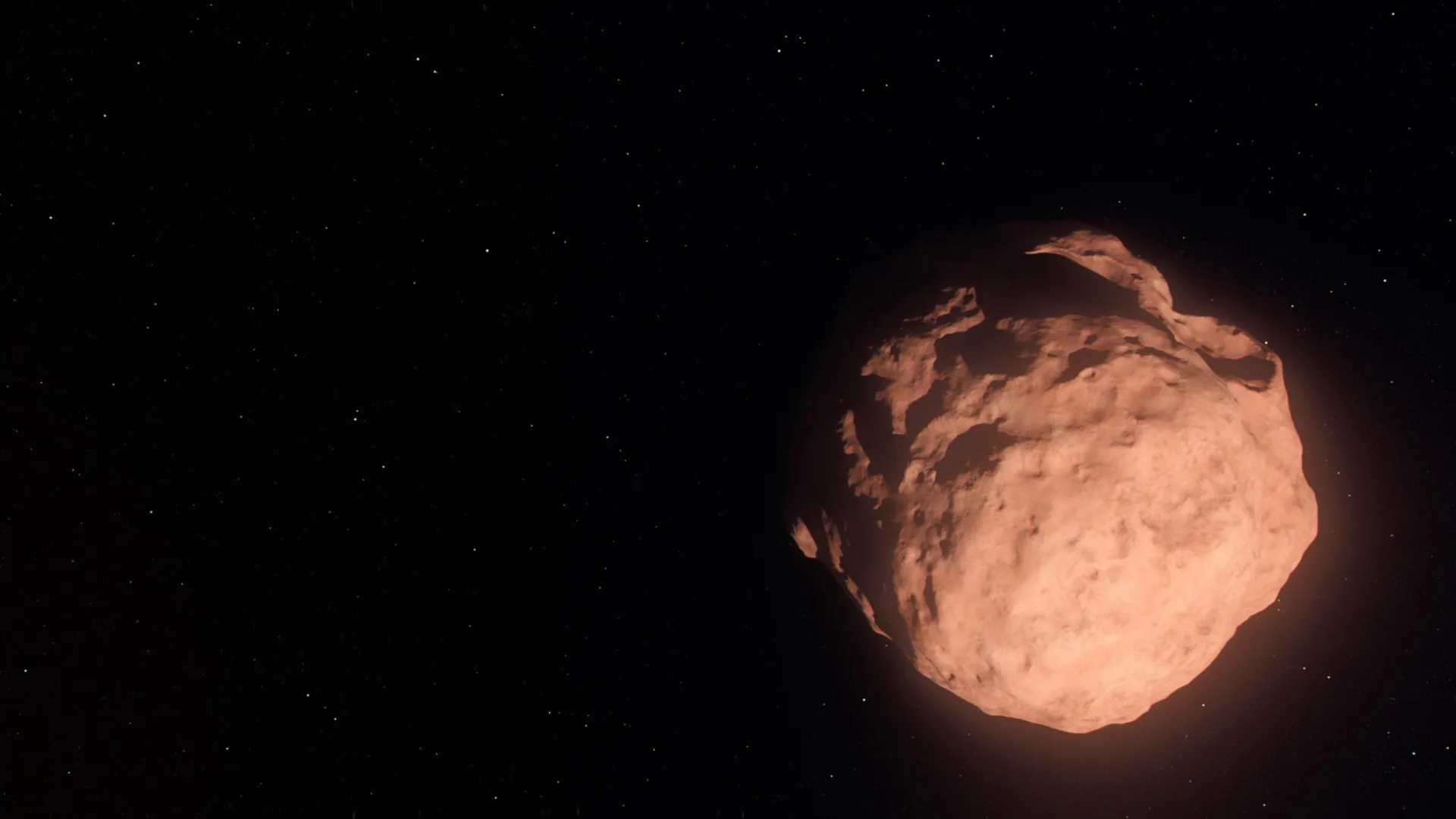
A faint red object spotted by the James Webb Space Telescope originally appeared to offer a possible glimpse of the universe's first galaxies. But images taken about 3½ years apart revealed a giveaway: The object, nicknamed Capotauro, had moved.
Astronomers using the James Webb Space Telescope (JWST) have confirmed a massive, dust-rich galaxy called Leviathan in the early universe. Seen when the universe was roughly 1.5 billion years old, the galaxy has its stars spread out rather than in a concentrated fashion. A paper, describing its strange stellar distribution, was posted to the arXiv preprint server on Oct. 19.
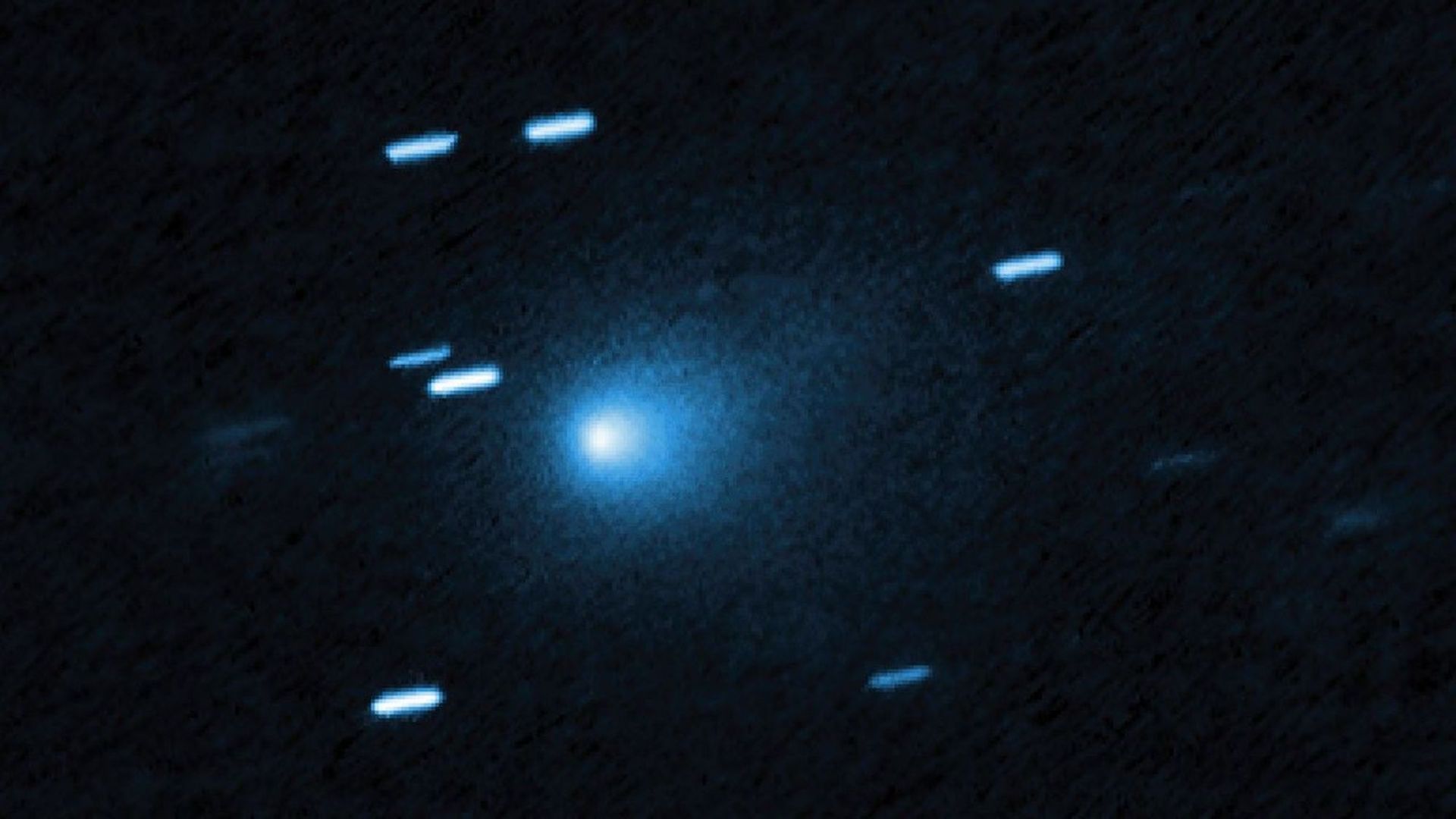
The findings are another clue towards understanding the origins of 3I/ATLAS and the planet-forming conditions around other stars.
NASA’s Hubble and James Webb Space Telescopes have uncovered surprising clues about the solar system’s origins by studying 27 tiny, distant objects beyond Neptune. Scientists discovered that these ancient building blocks of planets have remained remarkably unchanged for billions of years, while their unexpected sizes and numbers challenge existing theories of planet formation.
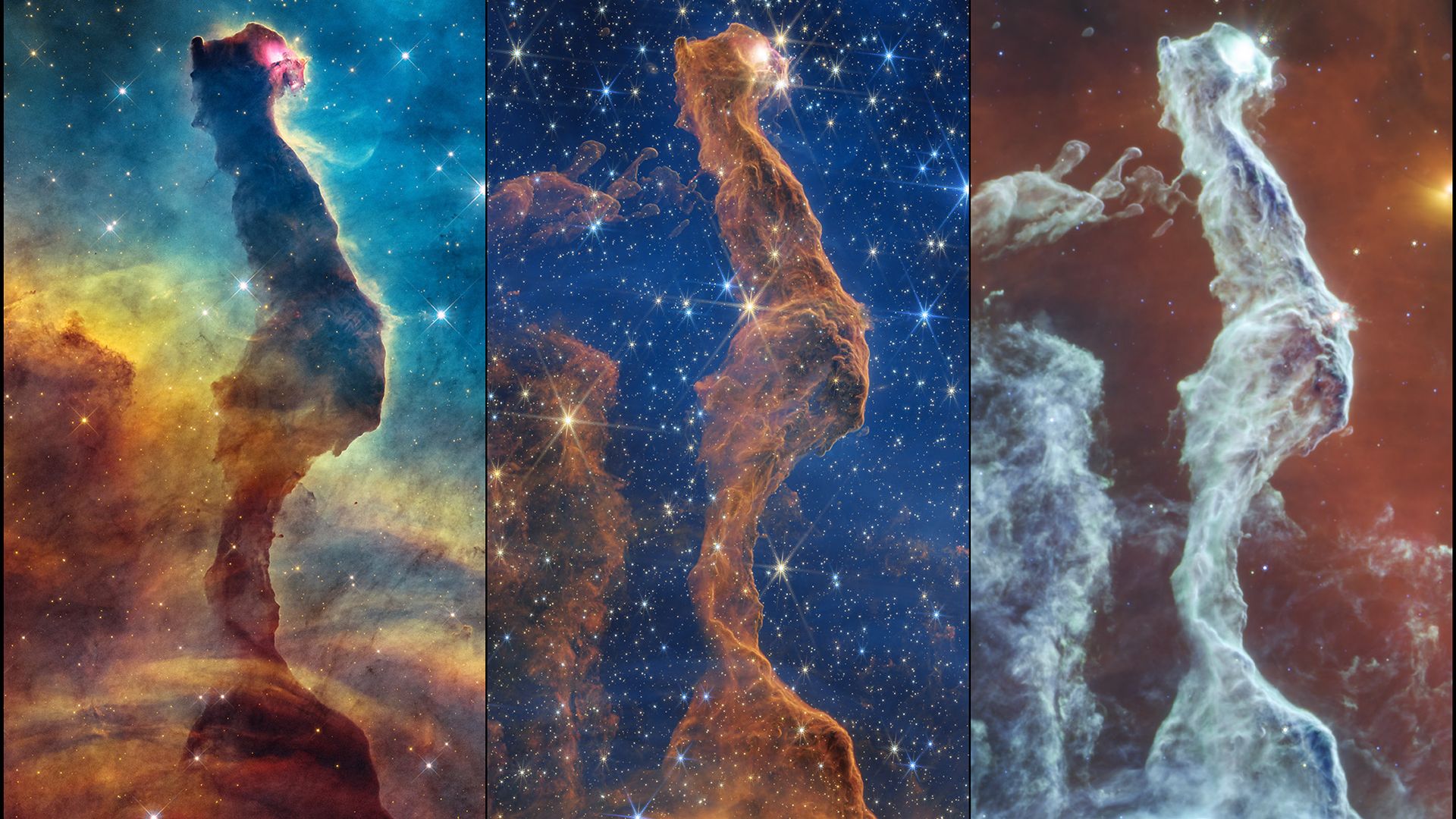
The Cat's Head Nebula shows its ghostly insides and sinister red eye in rival views from the Hubble and James Webb space telescopes.
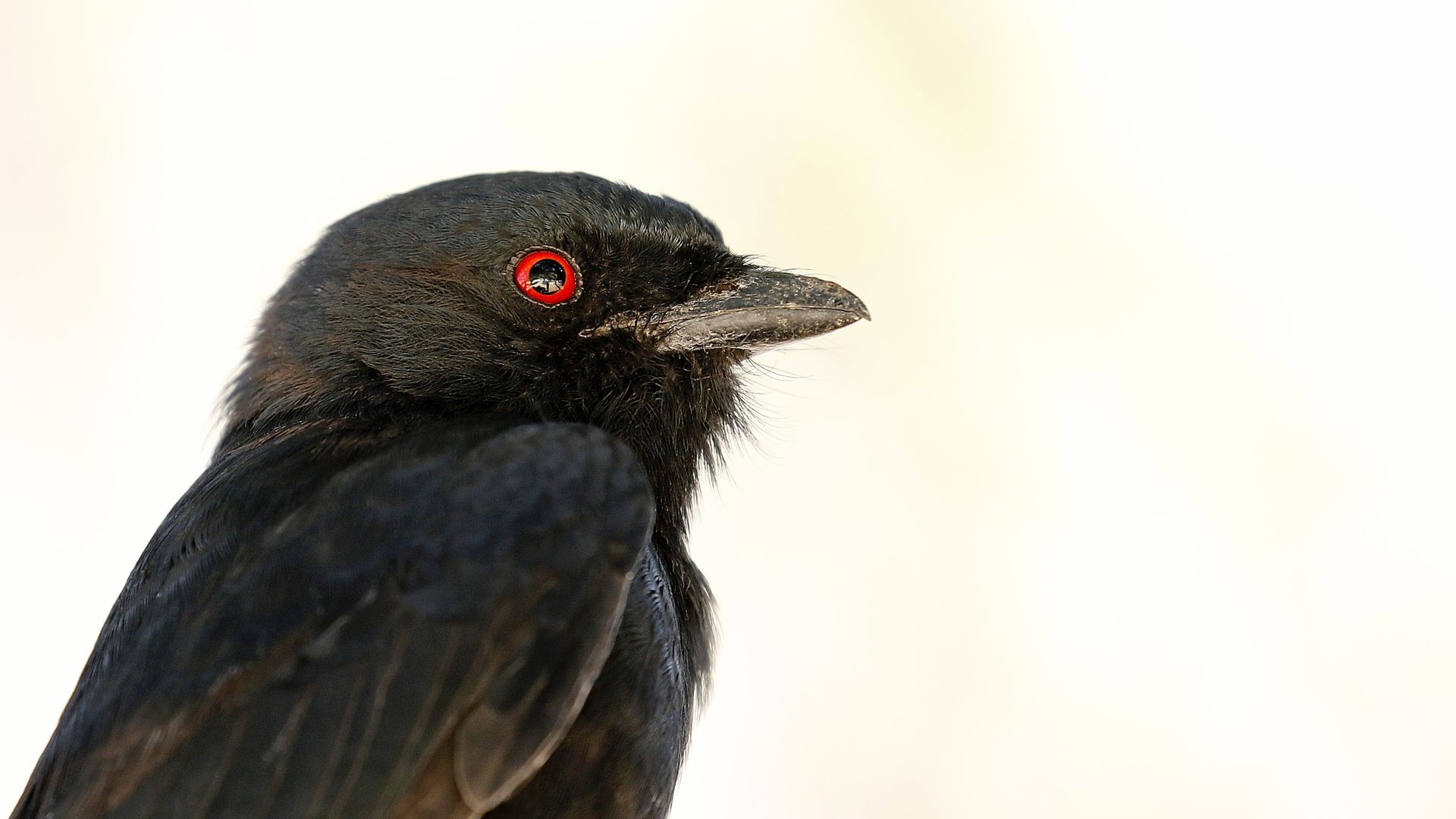
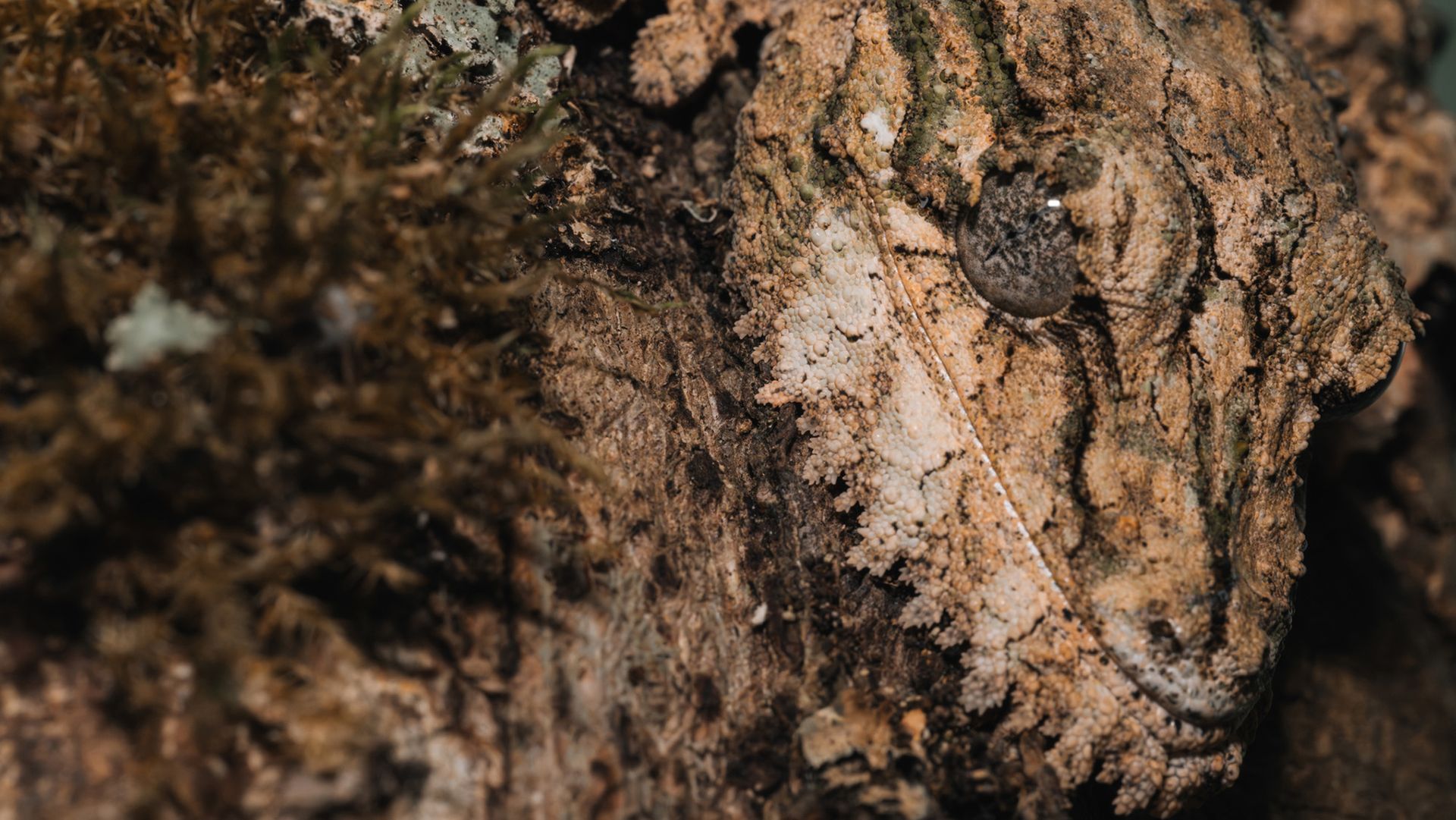
In his new book, "Liars, Cheats and Copycats," biologist James O'Hanlon surveys deception across the animal kingdom and asks whether any of it adds up to lying.
Writer Olivia Maule spoke with biologist James O'Hanlon about his book "Liars, Cheats and Copycats."
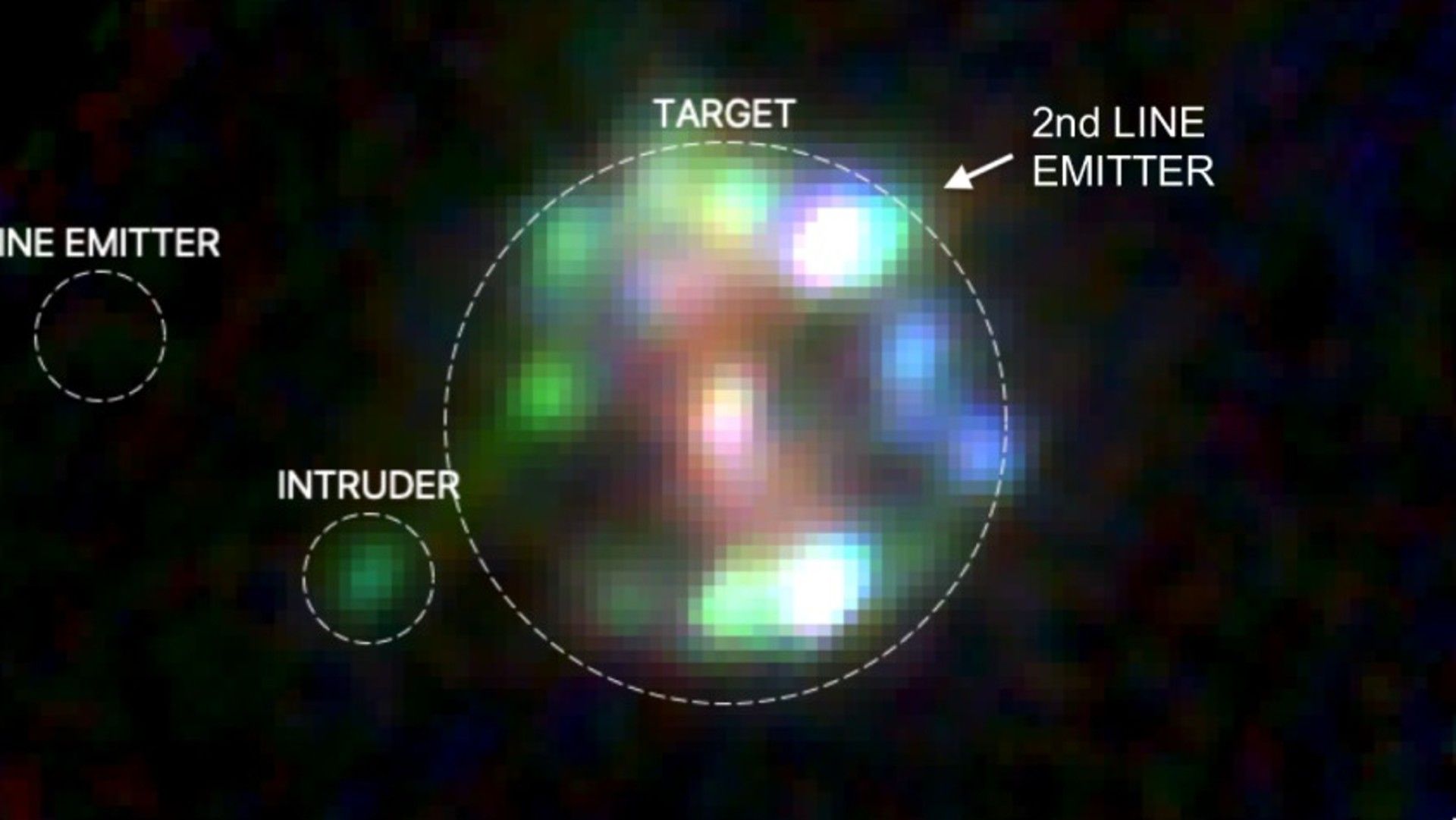
Astronomers using the James Webb Space Telescope have observed a galaxy with a ring of newborn stars as it appeared 2.1 billion years after the Big Bang — hinting that the early universe may have been more chaotic than once thought.
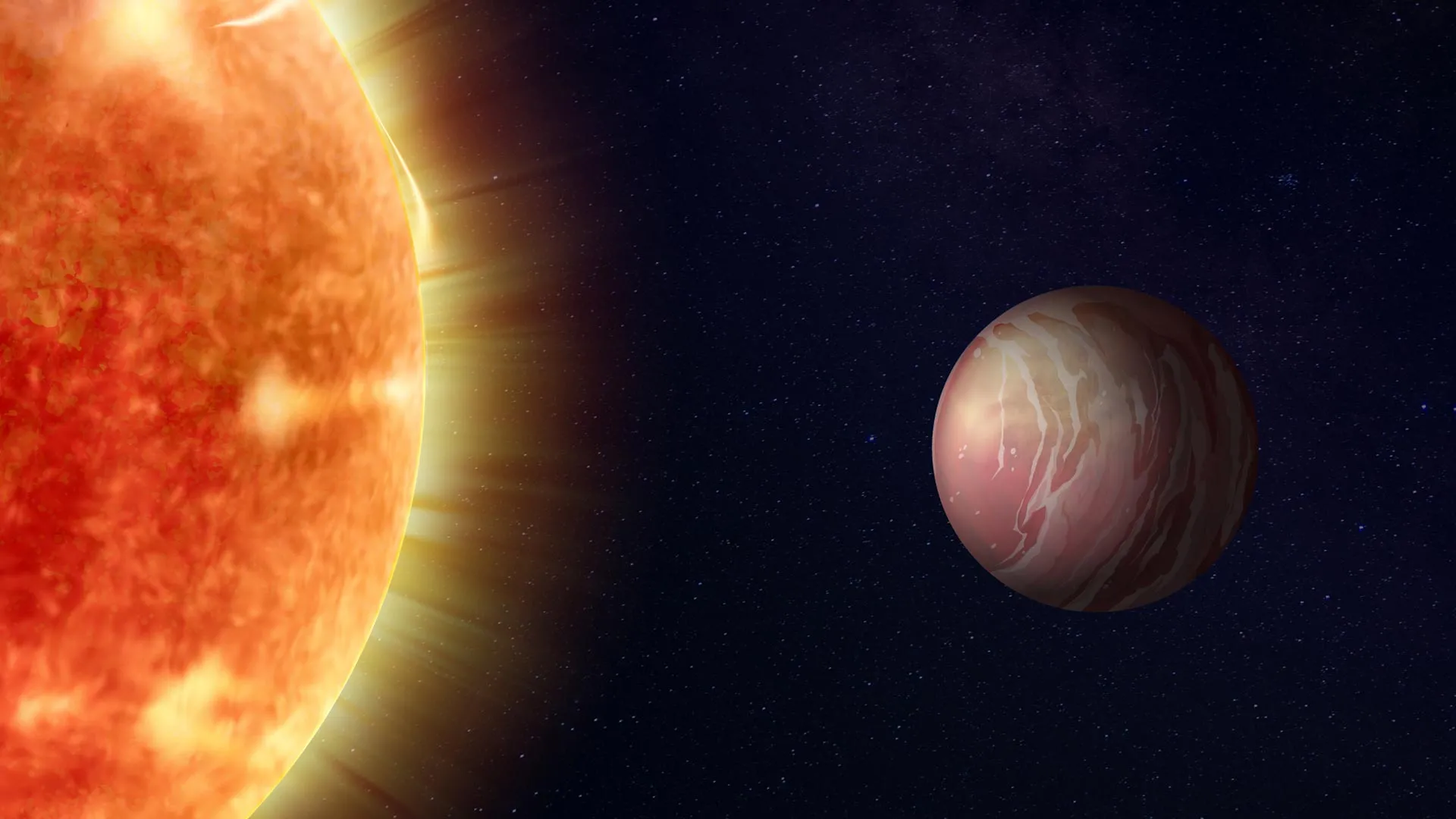
A scorching lava planet 280 light-years away has surprised astronomers by apparently maintaining a thick atmosphere despite conditions that should have stripped it away billions of years ago. James Webb Space Telescope observations suggest that TOI-561 b reflects about 75% of incoming starlight, possibly because of mineral clouds that act like a giant sunscreen. The planet may also be continually replenishing its atmosphere through gases released from a global ocean of molten rock.
President Donald Trump’s nominee to replace Stone, James O’Neill, has yet to have a confirmation hearing in the Senate, leaving the future leadership of the NSF unclear