Tiny chemical marks on histones—the proteins that package our DNA—can profoundly influence gene activity without changing the underlying DNA sequence. One such mark, known as histone acetylation, plays a crucial role in regulating gene expression and is frequently disrupted in diseases such as cancer. Researchers, however, wondered how the enzymes responsible for adding these marks know exactly where to place them.
Results for “mark walter”
A mountain range can bear the marks of events from tens of millions of years ago. The challenge lies in determining when each mark was created. In southern Türkiye's Central Taurides, scientists have developed a method to date some of these ancient movements by examining tiny calcite deposits that formed as faults shifted. This new timeline alters the region's geological history. Researchers discovered a previously unrecognized period during which parts of the crust slid laterally, between the Early Eocene and Early Miocene. They also found that the region's later extension began around 25 million years ago, earlier than previously believed.
We're nearing two milestones in the smartphone era. January will mark 20 years since Steve Jobs first unveiled the iPhone from a stage in San Francisco.
Texas A&M University researchers have developed a process that converts biomass into renewable fuels and chemicals. Dr. Mark Holtzapple, professor in the Artie McFerrin Department of Chemical Engineering, aims to make producing these products more efficient and affordable by using microorganisms to break down plant material.
Nearly 50 years after launch, NASA's Voyager 1 probe will pass the one light-day mark on Nov. 18, a symbolic milestone for the agency's longest-running mission. Scientists reflect on the Voyager program's legacy and what comes next.
SpaceX’s Starship spacecraft has dropped out of orbit and will attempt to land back at the Starbase launch facility. If it is successful, it will mark a major step in SpaceX’s quest to build fully reusable rockets.
For around 10,000 years, humans have selectively bred sheep for desirable traits. Generation after generation, we have chosen animals for their wool, size and reproductive characteristics and gradually left our mark on their DNA.
Humans have left their mark on virtually every place on the planet, from the deep sea to the peaks of the highest mountains. But a few very remote atolls in the Pacific Ocean may be exceptions. A new Frontiers in Marine Science study has found two coral atolls, Bikar and Bokak, located on the territory of the Marshall Islands, to be some of the most intact ecosystems remaining in the region and perhaps the world.
'Rest well, my dear friend. Keep navigating a steady course.'
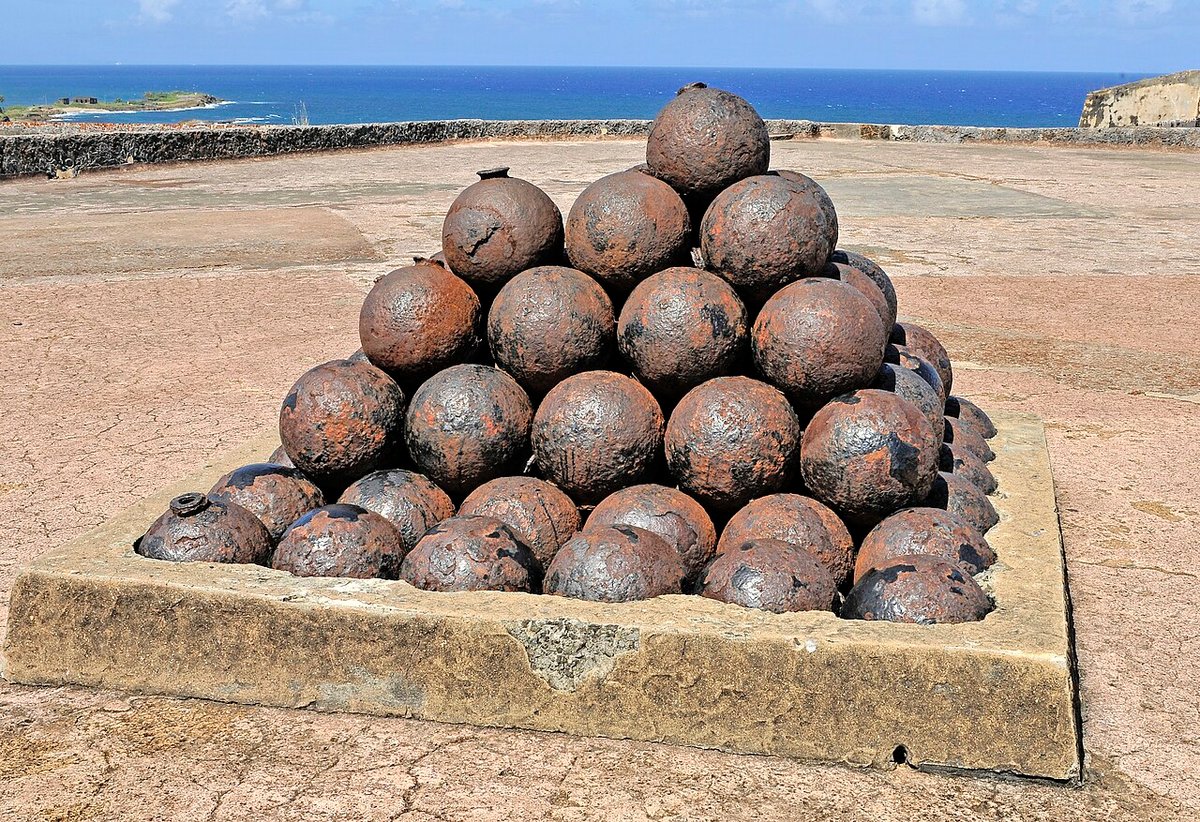
A question posed by Sir Walter Raleigh about cannonballs inadvertently led to a puzzle that mathematicians have been trying to solve for centuries
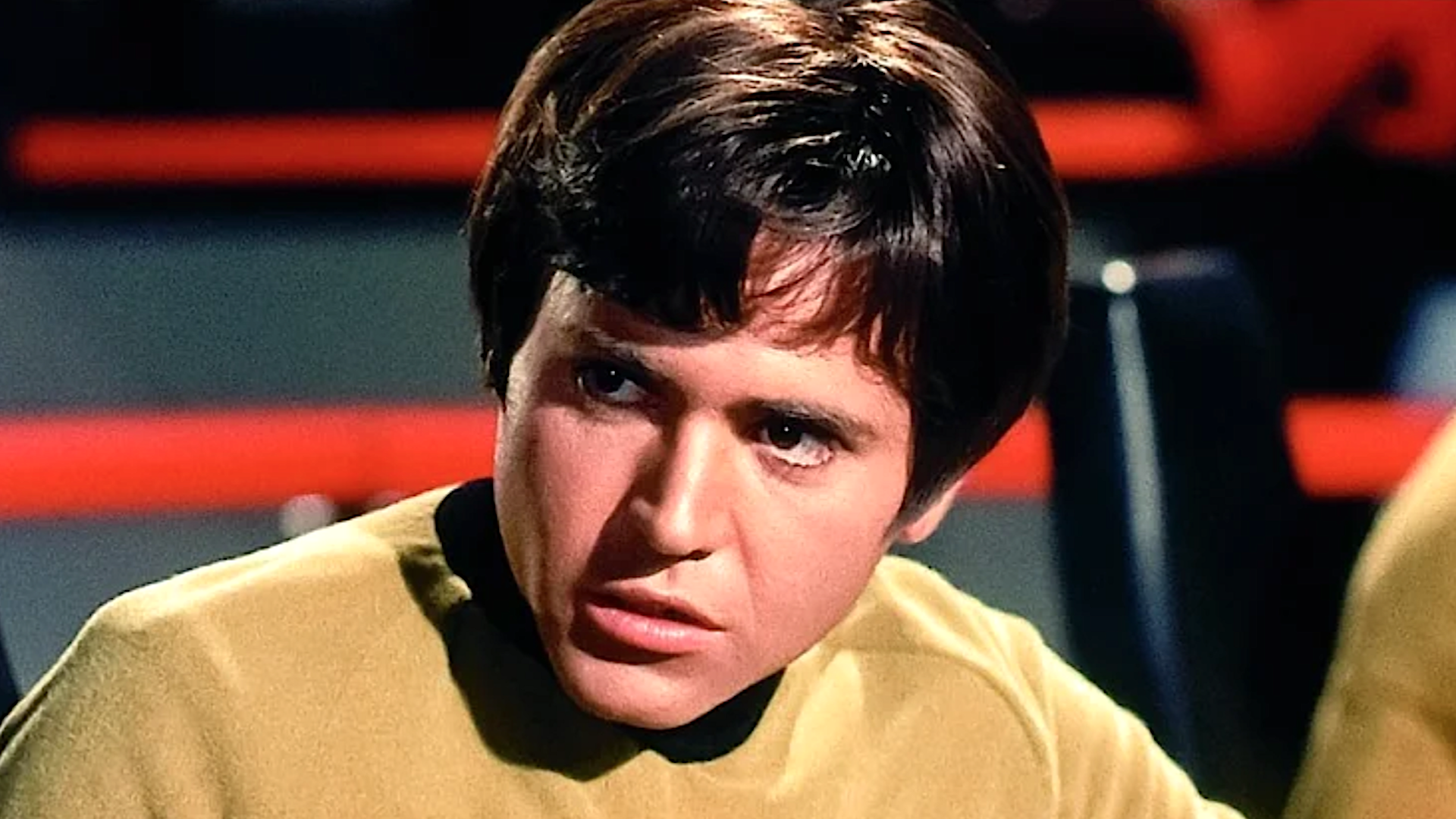
The man who portrayed the U.S.S. Enterprise’s Pavel Chekov has left us after a 60-year stage and screen career
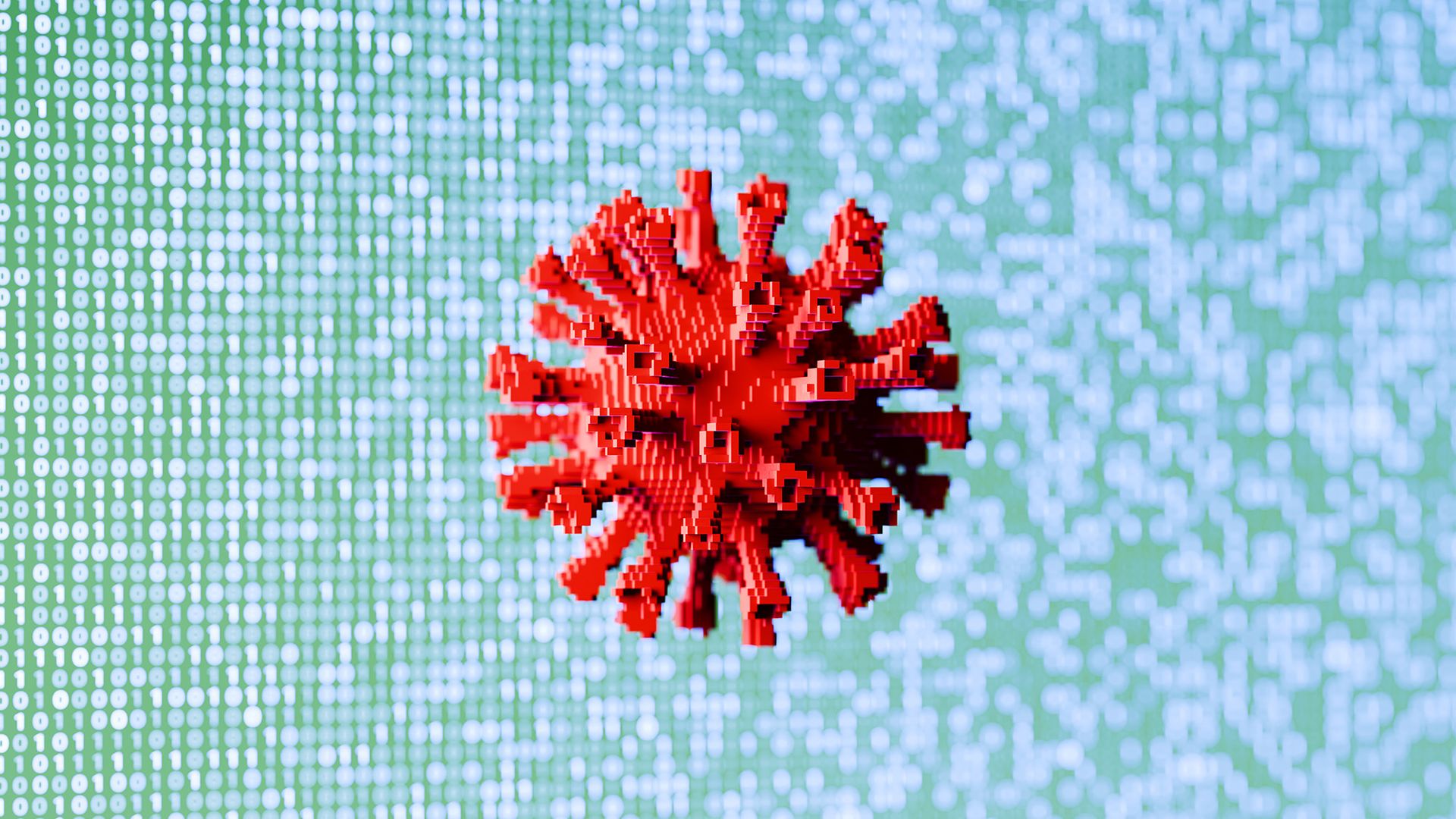
A new technology encodes an invisible mark into the structure of AI-generated proteins, but experts said the system's guardrails can still be bypassed.
Elon Musk's aerospace company, SpaceX, launched its massive Starship rocket in its first test flight since the company went public. Since achieving the largest IPO in history, SpaceX's stock has dropped drastically. Mark Strassmann takes a look.