TopNewsOn

Results for “mctominay reveals”

Tiny nutrient, big mystery: Key gene reveals how cereal crops transport nickel

Nickel plays an important physiological role in plants, but how it is transported over long distances from stems and leaves to grains was poorly understood for more than 50 years. Now researchers have identified a key transporter gene, ZmNAET1, that controls nickel accumulation in cereal grains.

Phys.org · 5h ago
How cells pull together: Theoretical study reveals a hidden source of attraction

Imagine two people standing on a stretchy sheet. When one pulls, the other feels the fabric move and responds with a pull of their own. Each adjustment changes what the other feels. Something similar happens between living cells. They tug on the material around them, sense the stretching caused by their neighbors and adjust their own forces.

Phys.org · 6h ago
Gatineau Park foliage reveals local Cold War nuclear testing legacy

For more than six decades, local scientists have collected sugar maple leaves from Gatineau Park to measure their radiocarbon levels, creating the longest continuous record of its kind. Now, a study of those leaves led by the André E. Lalonde National Facility for Accelerator Mass Spectrometry (AEL-AMS) located at the University of Ottawa shows that the effects of Cold War–era nuclear weapons testing have only recently disappeared from the local biosphere. The study, titled "Stored carbohydrates buffer Bomb and Suess radiocarbon effects in maple leaves across a 65-year Ottawa region record," was published in Scientific Reports.

Phys.org · 20h ago
Machine learning reveals how often fish schooling evolved—and repeatedly disappeared

Scientists have used new machine learning techniques to investigate a topic no one has ever found a way to study: the evolution of fish moving together in schools across thousands of species. The new paper, published Nov. 6 in the Proceedings of the National Academy of Sciences, is among the largest studies of the evolution of any behavior ever conducted in any group of species, according to the authors. The research shows that behaviors, which have previously been difficult to quantify, can be studied at a large evolutionary scale.

Phys.org · 21h ago
Scientists finally discover why we learn to love bitter coffee

Scientists have uncovered a hidden gut-to-brain dopamine pathway that helps explain why bitter coffee and other initially unpleasant flavors can become favorites over time. The discovery reveals how the brain learns to crave certain foods and could eventually lead to new ways of reshaping eating habits and food preferences.

Science Daily · 22h ago
Subaru Telescope reveals the shape and temperature of Comet Encke's nucleus

Mid-infrared observations with the Subaru Telescope have revealed the shape and surface temperature of the nucleus of Comet 2P/Encke. By analyzing how the nucleus's thermal emission changed as it rotated, the researchers found that the nucleus is elongated, with a long axis of about 7 kilometers and a short axis of about 3 kilometers. They also determined that the surface temperature at the time of observation was 328 ± 7 Kelvin (about 55°C).

Phys.org · 23h ago
Study reveals overcompensation in desert plant-weevil interactions

A research team led by professor Zhang Yuanming from the Xinjiang Institute of Ecology and Geography (XIEG) of the Chinese Academy of Sciences has revealed that the outcomes of desert plant-herbivore interactions are strongly context-dependent. The paper is published in the journal Plant, Cell & Environment.

Phys.org · Nov 9
Less rain, more intense storms: Climate change strengthens extreme urban floods

A new study reveals a troubling consequence of climate change: Even as rainfall decreases, cities could face increasingly severe flooding. The study was led by Ph.D. student Raz Nussbaum and co-authored by Dr. Moshe Armon and supervised by professor Efrat Morin from the Hebrew University of Jerusalem.

Phys.org · Nov 9
Prehistoric whale reveals extreme skull asymmetry

Sperm whales and pygmy sperm whales are known among mammals for their unusually shaped heads. Unlike most vertebrates, which are bilaterally symmetrical, toothed whales have asymmetrical skulls that accommodate highly specialized organs used for echolocation and sound production.

Phys.org · Nov 9
Seismic imaging reveals double slab tearing at a subduction–collision transition

An international research team has used seismic imaging to identify two slab tears beneath the Zagros–Makran transition zone located in southeastern Iran near the Strait of Hormuz. The findings suggest that the tears formed through distinct geodynamic mechanisms and may have influenced regional tectonic deformation and magmatic activity.

Phys.org · Nov 9
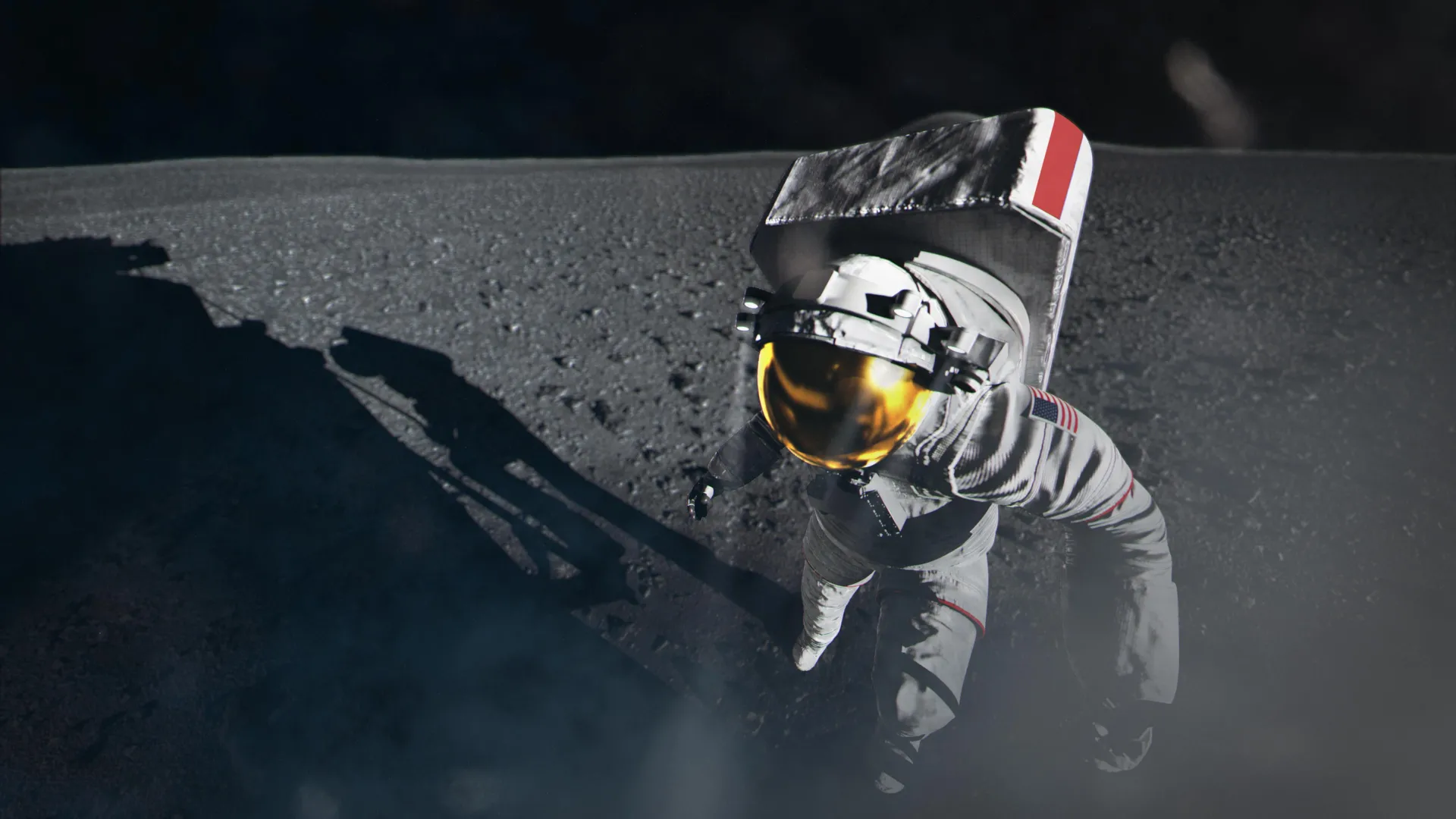
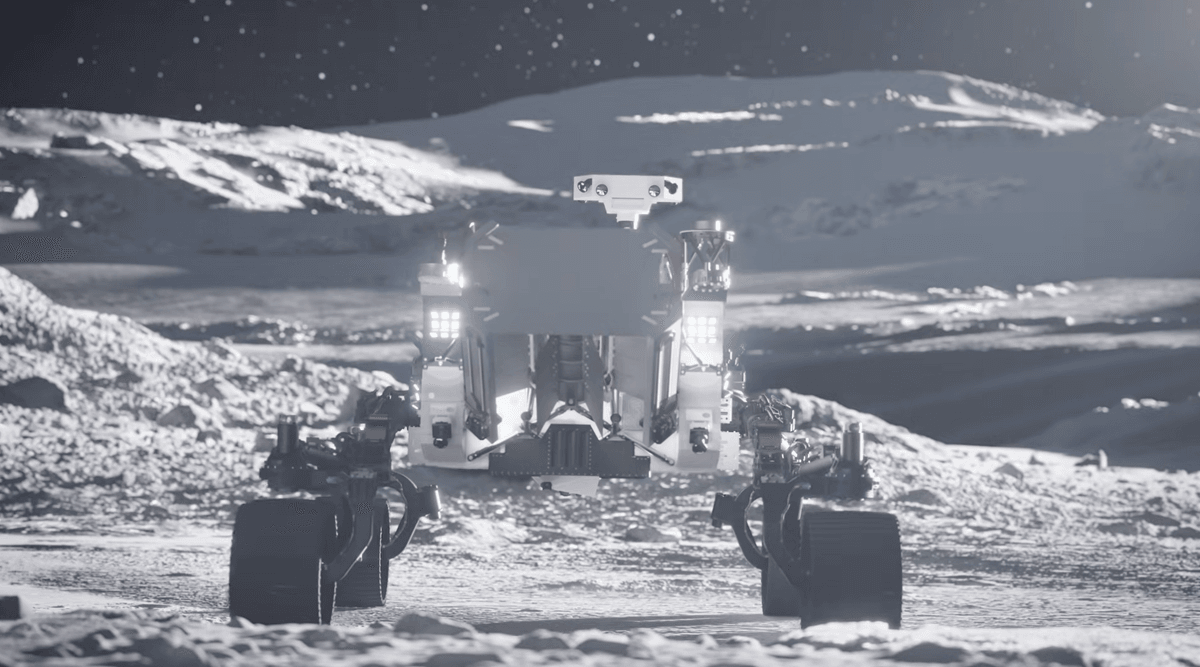
NASA reveals bold new plan to return astronauts to the Moon in 2028

NASA has revealed an accelerated plan to land astronauts on the Moon in 2028, with SpaceX and Blue Origin developing competing lunar landers and a crucial orbital test scheduled for 2027. Faster rocket preparations, new lightweight spacesuits, and redesigned missions could help pave the way for a permanent lunar presence and future human exploration of Mars.

Science Daily · Nov 9
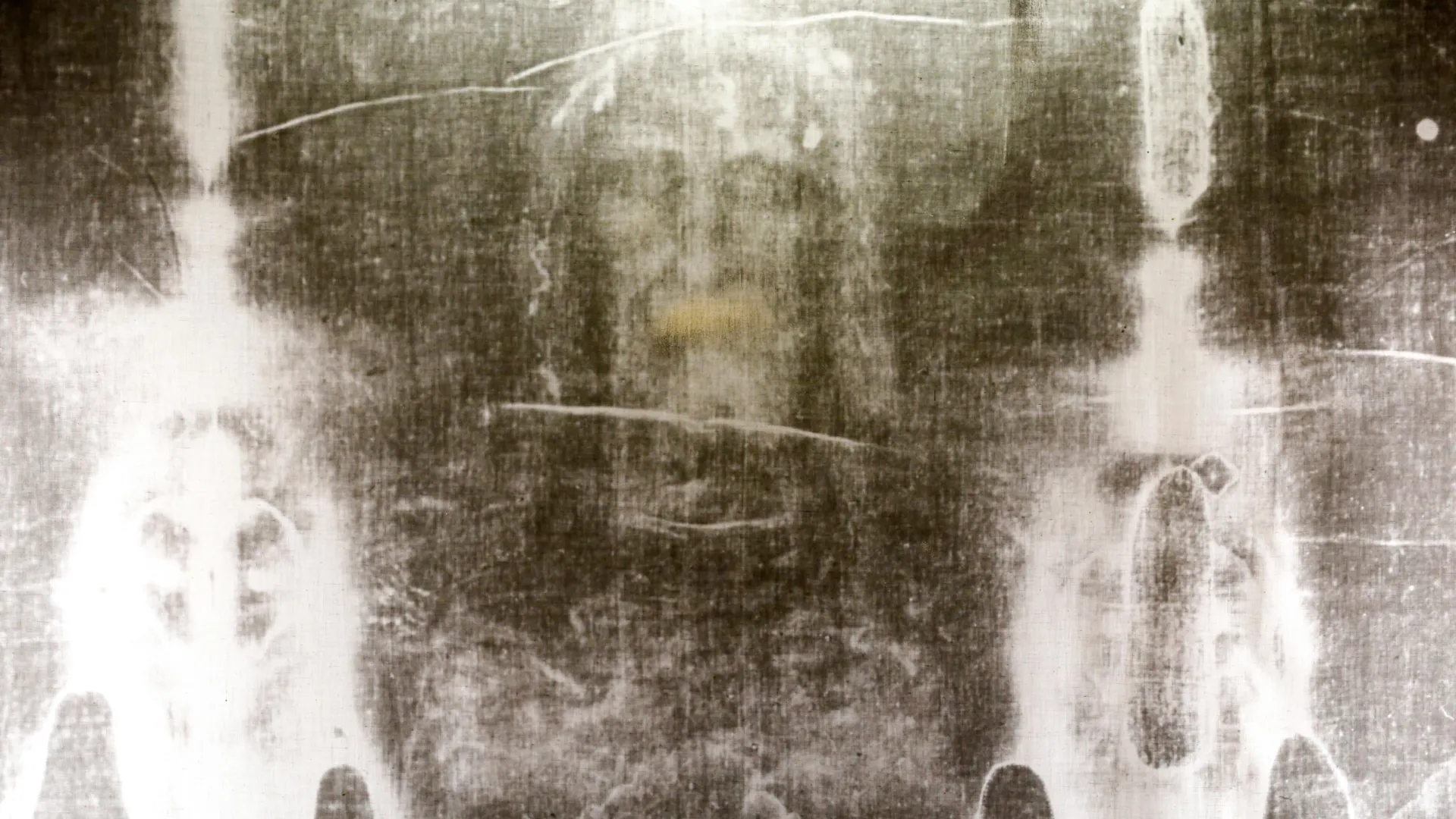
DNA on the Shroud of Turin reveals centuries of hidden secrets

The Shroud of Turin, one of history's most mysterious religious artifacts, is yielding surprising new clues through DNA analysis. Scientists have uncovered a complex mixture of biological traces that may reveal more about the cloth's past and the environments it encountered. The findings offer a fresh scientific perspective on a centuries-old mystery that continues to spark fascination and debate.

Science Daily · Nov 9
An ancient ocean full of giant predators reveals a surprising twist in evolution

A remarkable fossil discovery in Colombia is challenging how scientists understand major evolutionary changes in Earth's history. Researchers uncovered an incredibly diverse ancient marine ecosystem where giant reptiles, sharks, and other creatures thrived as older evolutionary groups approached extinction and newer ones emerged. They call this previously unrecognized pattern a "Biotic Inflection," suggesting that major transformations in life can occur without mass extinctions.

Science Daily · Nov 8
Ancient Siberian tomb reveals surprising secrets of cannabis use 2,800 years ago

Scientists investigating a 2,800-year-old Siberian tomb discovered roughly 1,000 cannabis seeds and chemical evidence suggesting ancient Scythians used the plant for its intoxicating effects. The remarkable find, surrounded by evidence of elaborate burial rituals and animal sacrifices, offers the oldest directly dated archaeological evidence of psychoactive cannabis use.

Science Daily · Nov 8
Magic mushrooms rewire the brain in a way scientists didn't expect

A surprising discovery reveals how psilocybin, the active compound in magic mushrooms, rapidly reshapes the brain by creating new neural connections and strengthening them. Researchers found that the drug behaves differently in healthy and chronically stressed mice, potentially helping repair brain circuits damaged by prolonged stress. Most intriguingly, they identified a way to trigger this brain rewiring without the behavioral response associated with psychedelic effects.

Science Daily · Nov 7
Quantum gas microscope reveals individual atoms in first tunable three-component Hubbard system

For the first time, an international team of researchers from Germany, Thailand, India, China and the United States has created a three-component Hubbard system with tunable interactions in the laboratory. In doing so, the team used a quantum gas microscope to make the individual atoms visible. The study, published in Science, provides an important foundation for future quantum simulations of nuclear physics and materials science.

Phys.org · Nov 6
Astronomers deliver the sharpest and deepest view yet of the low-frequency radio sky

Using the Low Frequency Array (LOFAR), an international team led by Leiden University has produced the sharpest and most sensitive radio image of the sky ever made at low radio frequencies. The image reveals almost 63,000 radio sources, such as active galactic nuclei and star-forming galaxies, across a patch of sky about 25 times the area of the full moon. The results have been accepted for publication in Astronomy & Astrophysics. The paper is currently available on the arXiv preprint server.

Phys.org · Nov 6
New microscopy method reveals tiny cell structures and their molecular surroundings

How do cells respond to drugs? A new microscopy technique could provide more precise answers to this question in the future. Researchers from Bielefeld University and the University of Vienna have developed a method as part of the European CHEM-SCAN project that makes the smallest cellular structures visible while also showing how their molecular environment changes.

Phys.org · Nov 5
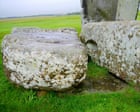
Origin of Stonehenge’s altar remains enigma as north-east Scotland theory ruled out

Geologists say they are getting closer to solving mystery as tests suggest stone may have come from elsewhere in Scotland, northern England or even Ireland They spent countless hours on weather-battered Scottish hills, a hardy band of geologists searching for the origin of one of Stonehenge’s most intriguing features. But the prehistoric monument tends to yield its secrets reluctantly, and a new scientific report reveals that the origin of Stonehenge’s altar stone remains elusive – and the wind-whipped geologists may very well have been looking in the wrong spot anyway. Continue reading...

The Guardian · Nov 5
Ultrasound reveals hidden tongue movements behind centuries-old language change

Scientists at Lancaster University have observed the hidden tongue movements accompanying a centuries-old change in English speech—offering a rare glimpse of language transforming in real time. Linguists have used ultrasound imaging to observe one of these changes as it unfolds inside the mouths of speakers from Blackburn, Lancashire—one of the few places in England where many older speakers still pronounce the historical strong-R sound after vowels in words like star and heart.

Phys.org · Nov 5
Genetic interaction map could lead to better antibiotic pairings for tuberculosis

Rockefeller scientists have created the most comprehensive map to date of how essential genes interact in Mycobacterium tuberculosis (Mtb), the bacterium responsible for tuberculosis (TB). The unprecedented map reveals thousands of previously unknown genetic relationships, offering a new window into the inner workings of one of the world's deadliest pathogens.

Phys.org · Nov 4
Molecular imaging reveals how shape-shifting protein complex captures DNA and holds separate sections together

Researchers at Kanazawa University and the National Institute of Genetics in Japan have used high-speed atomic force microscopy to observe how a group of proteins known as Smc5/6 interacts with DNA. The images reveal how this structure opens and closes, captures DNA and brings separate sections together. The researchers also observed Smc5/6 holding twisted sections of DNA in place, producing more tightly packed arrangements. The findings, published in Nature Communications, provide new insights into the molecular processes that contribute to the maintenance and repair of genetic material.

Phys.org · Nov 4
Research reveals accelerating sea-level rise around Ireland

A new study led by the ICARUS Climate Research Center at Maynooth University in Ireland has reconstructed a century of Irish sea-level change, revealing a stark acceleration in sea-level rise. The research, titled "A Century of Sea-Level Change in Ireland (1925–2024)" and published in Ocean Science, combines tide-gauge records from six locations, including newly digitized historical records from Cork, Tarbert and Galway.

Phys.org · Nov 4
The next global pandemic could be brewing on a mink farm in Utah – and little is being done to stop it | George Monbiot

Mink farms are the perfect petri dishes for deadly flu strains to emerge. Yet officials appear to be protecting business interests over human lives Could this be ground zero? Could it be the spot where the next pandemic begins? It’s certainly a candidate, not least because the chain of events that could trigger a plague far worse than Covid-19 looks like the opening sequence of a disaster movie. A really bad disaster movie, in which the levels of carelessness and turpitude defy belief. A report by the investigative news service ProPublica reveals that bird flu has been raging in a mink farm in Utah since August, and it appears next to nothing has been done by public officials. In 2023, I warned in the Guardian that mink farms could scarcely be better designed to generate lethal plagues. This is for three reasons: mink are fed on the offcuts of chickens, cows and other farm animals, in which new viral variants often develop; mink readily host both avian and human flu viruses, which can then exchange genetic material, turning a bird disease into a human one; and mink possess extremely high “zoonotic potential” – the ability to infect animals of other species, including human beings. George Monbiot is a Guardian columnist Continue reading...

The Guardian · Nov 4

Reading single vesicles reveals clues to the origin of chronic inflammation

A new technique to diagnose chronic inflammation developed at Nagoya University can read information from the surface and within individual extracellular vesicles in blood and urine. This technique could be used to develop noninvasive tests that can not only detect chronic inflammation but also provide information about the tissues where it occurs.

Phys.org · Nov 3
Microbiome research reveals how bacterial lipids influence liver and muscle health in mice

An interdisciplinary team of researchers from UConn and the University of Pittsburgh is filling knowledge gaps about the surprising roles that our microbiomes play in our health. The team's recent studies, published in Gastro Hep Advances and The Journal of Physiology, focus on Bacteroidota species that grow in our guts and mouths, where they produce glycine lipids that interact with our metabolism.

Phys.org · Nov 3
Oil-producing yeast reveals two stages of fat accumulation under nitrogen limitation

A research team led by professors Xu Guowang and Liu Xinyu from the Dalian Institute of Chemical Physics (DICP) of the Chinese Academy of Sciences (CAS), in collaboration with researchers from Dalian University of Technology, has developed a high-coverage lipidomics workflow and integrated it with transcriptomics to investigate lipid accumulation and compositional changes in Rhodosporidium toruloides under nitrogen limitation. The study was recently published in Food Chemistry.

Phys.org · Nov 3
Boat burial reveals leprosy strain in fifth-century Germany

Visigothic and Vandal forces marched into Italy and conquered Rome; the Huns spread fear and terror on their campaigns through Western Europe; the Franks expanded their domain southward—the fifth century was an era of profound, often violent upheavals in Europe, and at the same time one of great mobility. Researchers from the Institute of Clinical Molecular Biology (IKMB) at Christian-Albrechts-University in Kiel and the Lower Saxony Institute for Historical Coastal Research (NIhK) have now identified a specific example of this mobility in the Fallward burial ground in what is now the district of Cuxhaven.

Phys.org · Nov 3
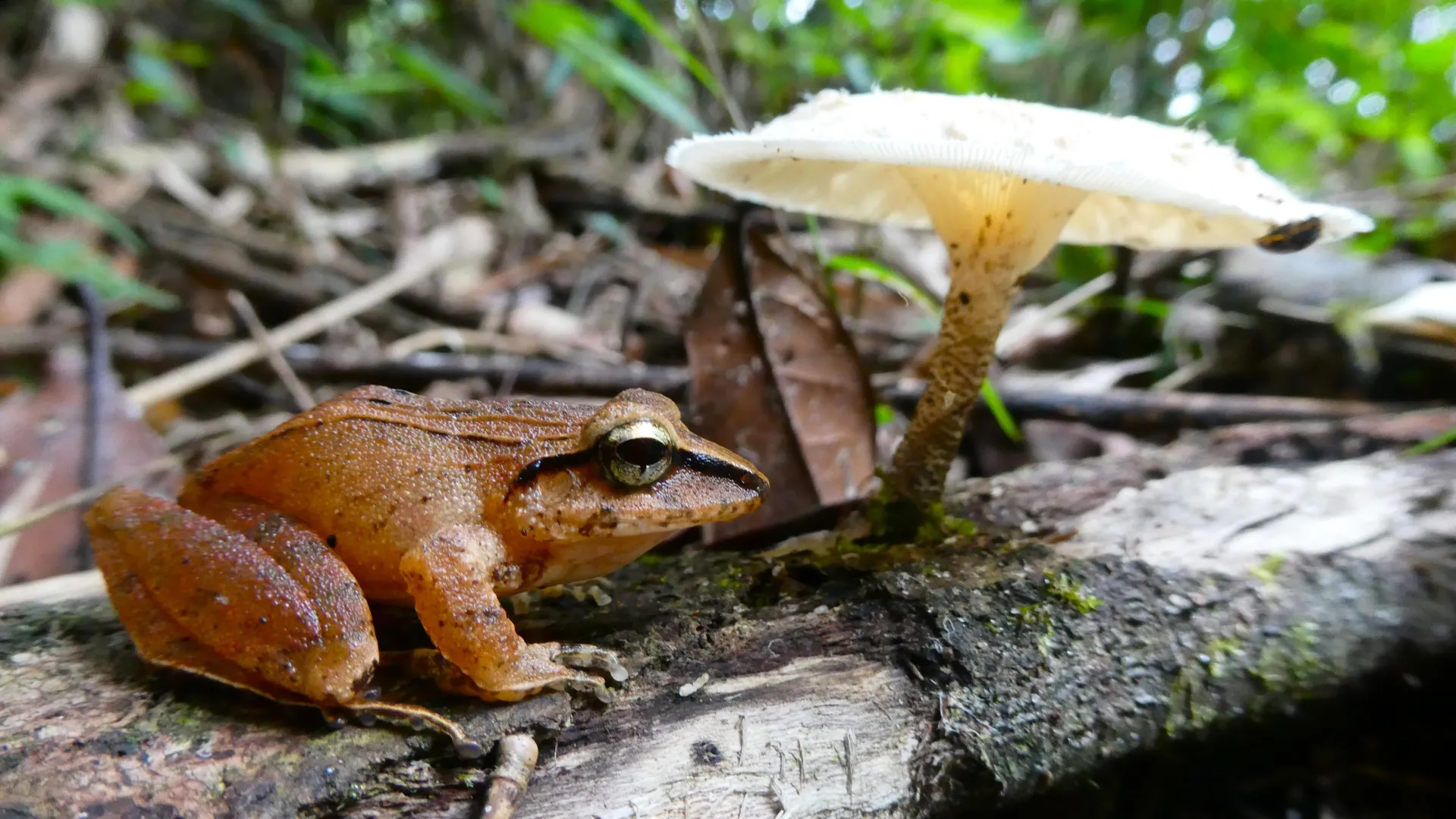
A 50-year-old mystery of vanishing frogs reveals a hidden killer

A nearly 50-year-old mystery involving disappearing frogs in Brazil may finally be solved, with scientists uncovering evidence that a deadly fungus swept through the region and devastated vulnerable species. Remarkably, many frog populations have since rebounded, suggesting they developed greater tolerance to the disease that once threatened their survival.

Science Daily · Nov 3
Study reveals concerning trends in global mental health

A survey of 50,000 people across 92 countries finds global mental health may be languishing, including in the wealthiest countries, and especially among young people, who in previous generations had comparatively higher levels of mental health.

Phys.org · Nov 3
Scientists identify two overlooked skills that predict reading success

A massive new study reveals that intelligence plays a surprisingly limited role in children's reading success, while visual processing showed no meaningful connection at all. Instead, the strongest predictors are sound recognition, vocabulary, and background knowledge, offering new clues about how to help struggling readers.

Science Daily · Nov 3