Europe and Japan’s BepiColombo mission has reached our solar system’s innermost planet. It might be the last step before we send a lander
Results for “mercury”
BepiColombo is about to become the second spacecraft in history to orbit the planet closest to the sun.
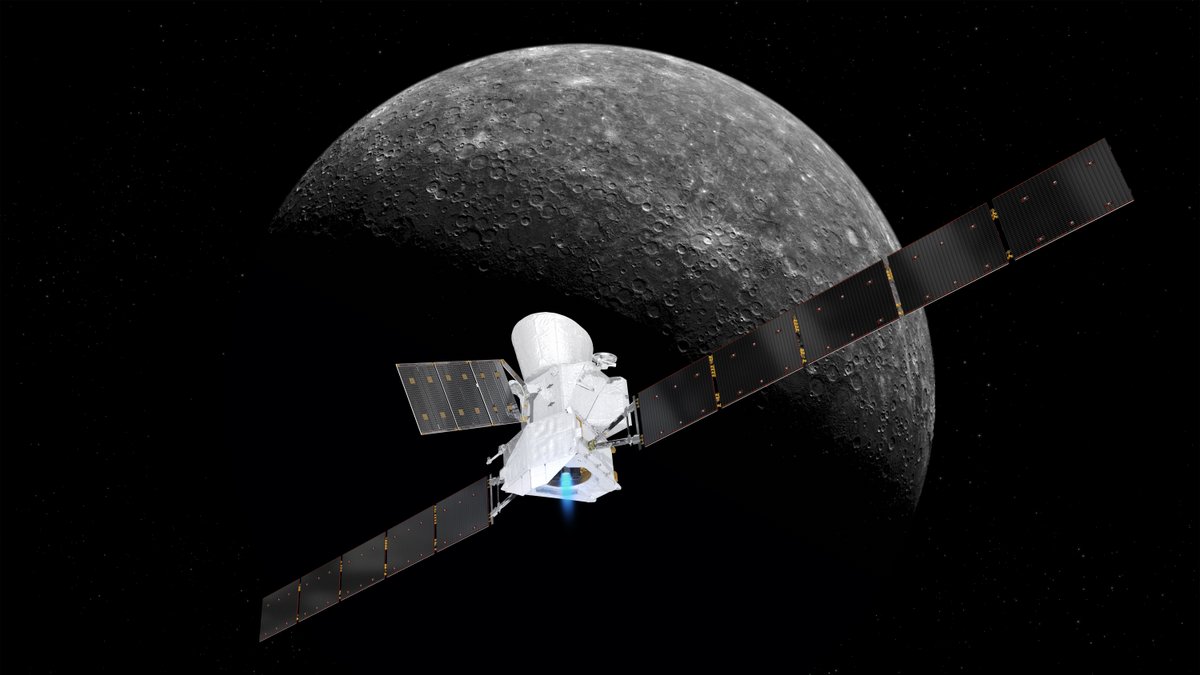
A joint European-Japanese space mission known as BepiColombo is about to reach its destination, Mercury, to study the innermost planet of our solar system.
The mission is set to give us our best ever view of Mercury - the closest planet to the Sun.
BepiColombo double probe will map planet’s surface and study its interior to shed light on its unusually large core After a voyage of more than eight years and 6bn miles, a joint European-Japanese space mission has arrived at Mercury and is preparing to swing into orbit around the tiny, barely explored world. The BepiColombo mission will become only the second in history to circle the first rock from the sun and the smallest planet in the solar system when flight controllers fire the spacecraft’s thrusters on Saturday and send it into orbit. Continue reading...
The first data from a U.K.-built instrument heading to Mercury have provided observations of one of the brightest X-ray sources in the sky from aboard the ESA/JAXA BepiColombo spacecraft in the inner solar system.
The planets of Mercury, Venus, Mars and Jupiter will align in pre-dawn sky throughout November.
Mercury contamination presents an obvious challenge: it is invisible. A glass of water or a piece of fruit can seem perfectly normal to the naked eye, even when trace amounts of toxic mercury are present. Detecting such minute levels usually requires specialized laboratory tools and trained experts.
Marine mammals living along the Pacific Coast of North America encounter more than the fish, crustaceans, cephalopods and other marine mammals that live around them. Because contaminants such as mercury can move through marine food webs and biomagnify—becoming more concentrated as they move from prey to predator—fish-eating marine mammals can be exposed to higher levels of these pollutants.
UCLA-led astronomers have discovered the first known "disappearing planet" about 1,000 light-years away. The planet, TOI-2535 b, is a "hot Jupiter," a gas giant that orbits extremely close to its host star. TOI-2535 b whips around its star in only 8.25 days—10 times faster than the 88 days that Mercury takes to go around our sun once.
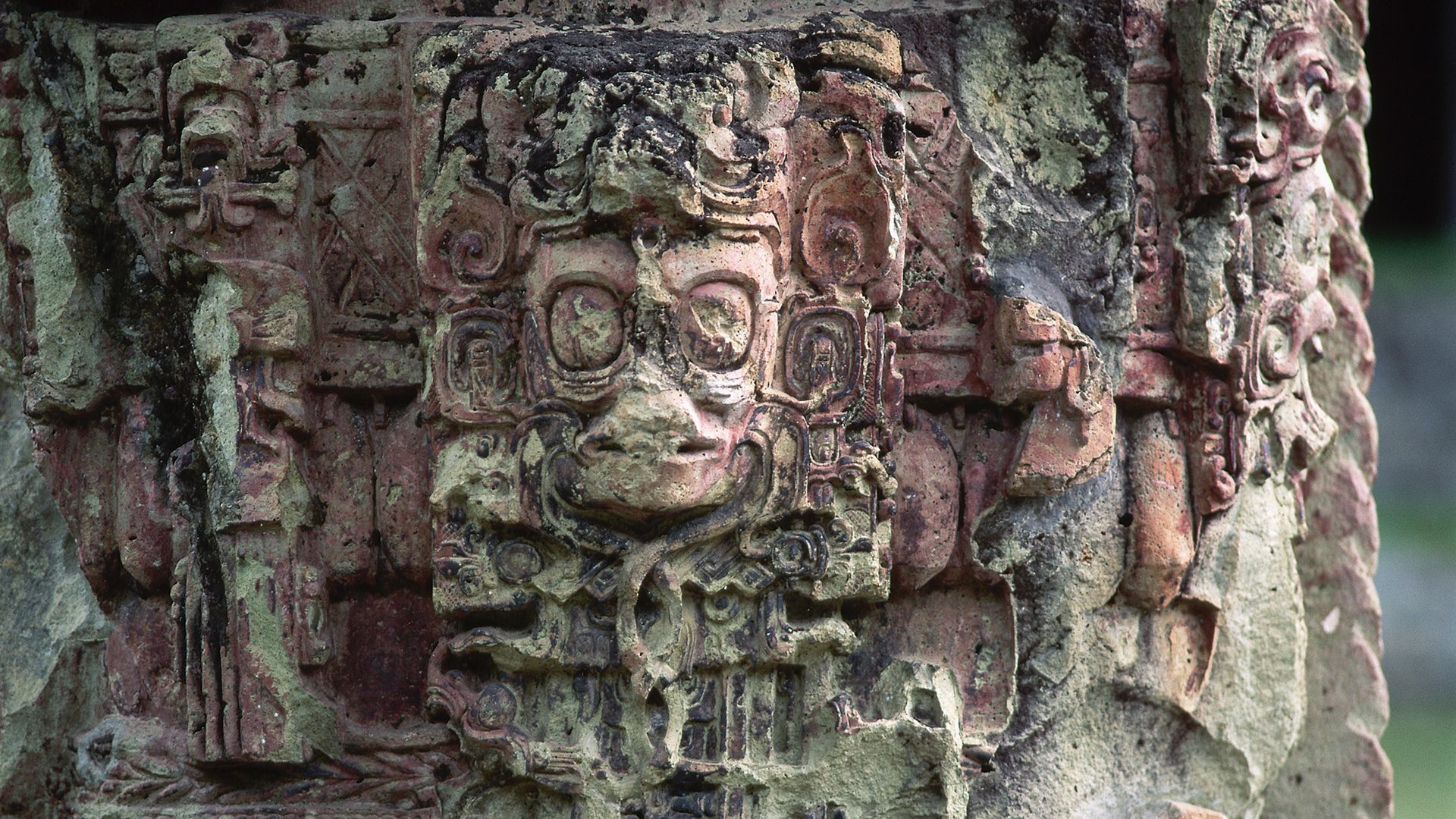
Researchers found extreme levels of mercury in sediment cores in Mexico — and it’s all because the Maya loved red paint.
Ancient Maya communities made extensive use of liquid mercury and a red, mercury-containing pigment called cinnabar to decorate buildings, pottery and burial sites. Unsurprisingly, as previous research has shown, this led to mercury contamination of soils and reservoirs at some Maya sites. And that pollution may have spread even farther into their territory and caused the collapse of two lake ecosystems, according to a study published in the journal Science Advances.
Mercury pollution from artisanal gold mining in tropical regions is finding its way into wildlife. A team from the University of Vienna and the Veterinary University of Vienna shows that mercury exposure impairs the glucocorticoid response that helps animals cope with acute stress. This weakened stress response could reduce the caimans' chances of survival and reproduction. The findings, recently published in the journal Communications Biology, point to a previously overlooked endocrine threat to crocodylians.
From a close encounter between Mars and Jupiter to dazzling Venus and elusive Mercury, November offers plenty of planetary highlights. Here's when and where to look.
Among Kepler and TESS's many surprising exoplanet discoveries are the ultra-short-period (USP) planets. These planets move very quickly and complete an orbit in less than 24 hours. Ancient astronomers thought that Mercury was so fast—it goes around the sun every 88 days—that they named it after the Roman god Mercury, who was the fast-traveling messenger of the gods. They couldn't have known how sluggish Mercury is compared to the USPs.