About 300,000 years ago, the emergence of the first Homo sapiens in Africa was accompanied by major cultural and technological changes, marking the beginning of a new archaeological period, the Middle Stone Age. At that time, African landscapes were also undergoing profound transformations. To understand how the earliest members of our species lived and adapted, it is therefore essential to reconstruct the environments in which they lived.
Results for “middle east”
The brilliant planet is about to join the waning crescent moon and the brightest star in the Virgo constellation Early risers have a beautiful sight to look forward to this week as brilliant Venus joins the waning crescent moon and the star Spica in the morning sky. The chart shows the view looking east-south-east from London at 0600 GMT on 7 November. Venus will be the easiest object to identify, shining brilliantly. Next to it will be Spica, the brightest star in the constellation of Virgo, the virgin, situated about 250 light years from Earth. Continue reading...
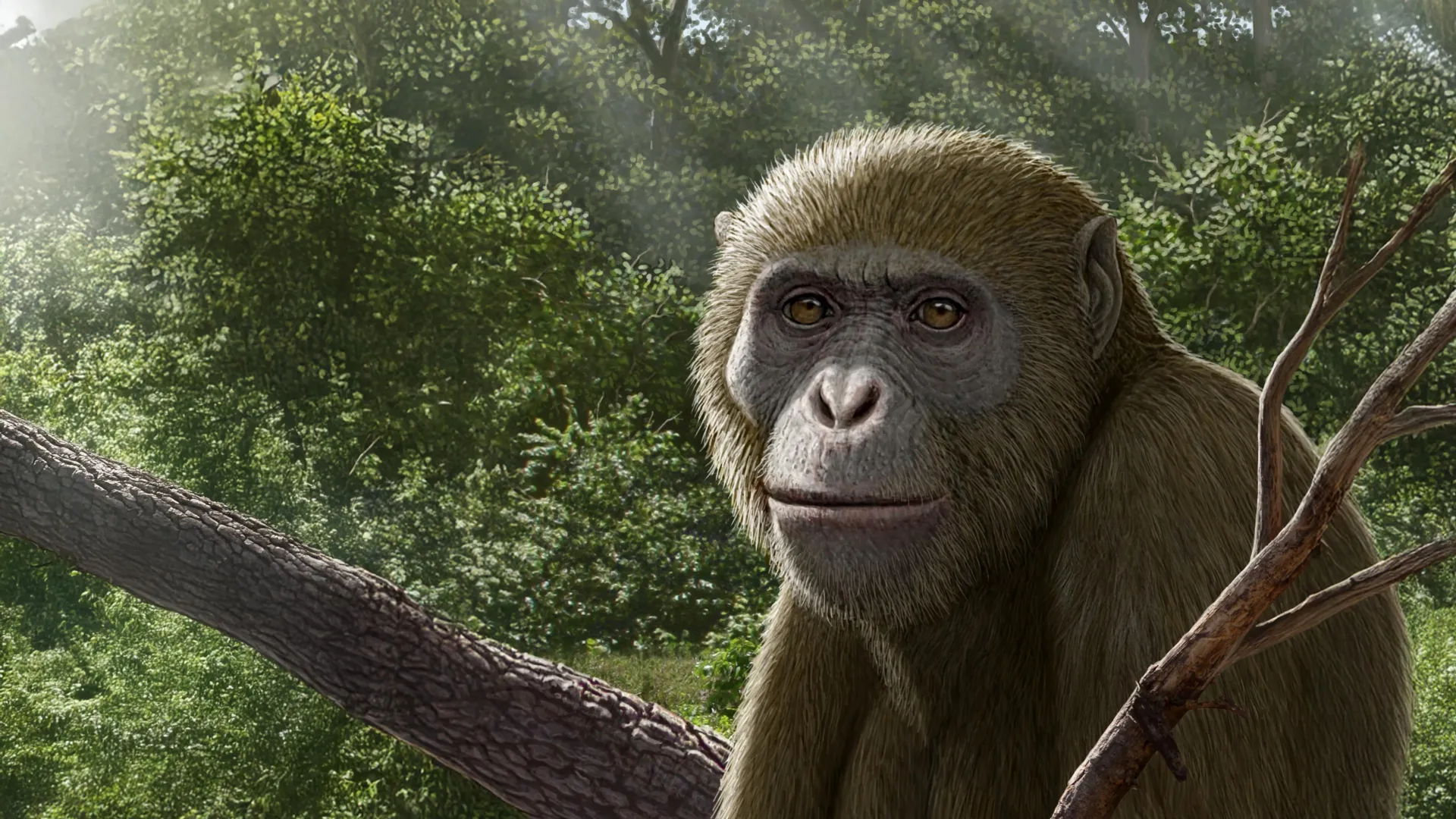
A 17- to 18-million-year-old ape fossil discovered in Egypt is challenging long-held beliefs about where the ancestors of humans and other modern apes first evolved. Scientists now suspect that North Africa and the Middle East, rather than East Africa, may have been the cradle of modern ape evolution.
Scientists have uncovered a long-lost volcanic system in Iran that dates back roughly 100 million years, revealing a hidden chapter in Earth's tectonic history. The discovery sheds new light on the disappearance of an ancient ocean and the powerful geological forces that reshaped the Middle East.
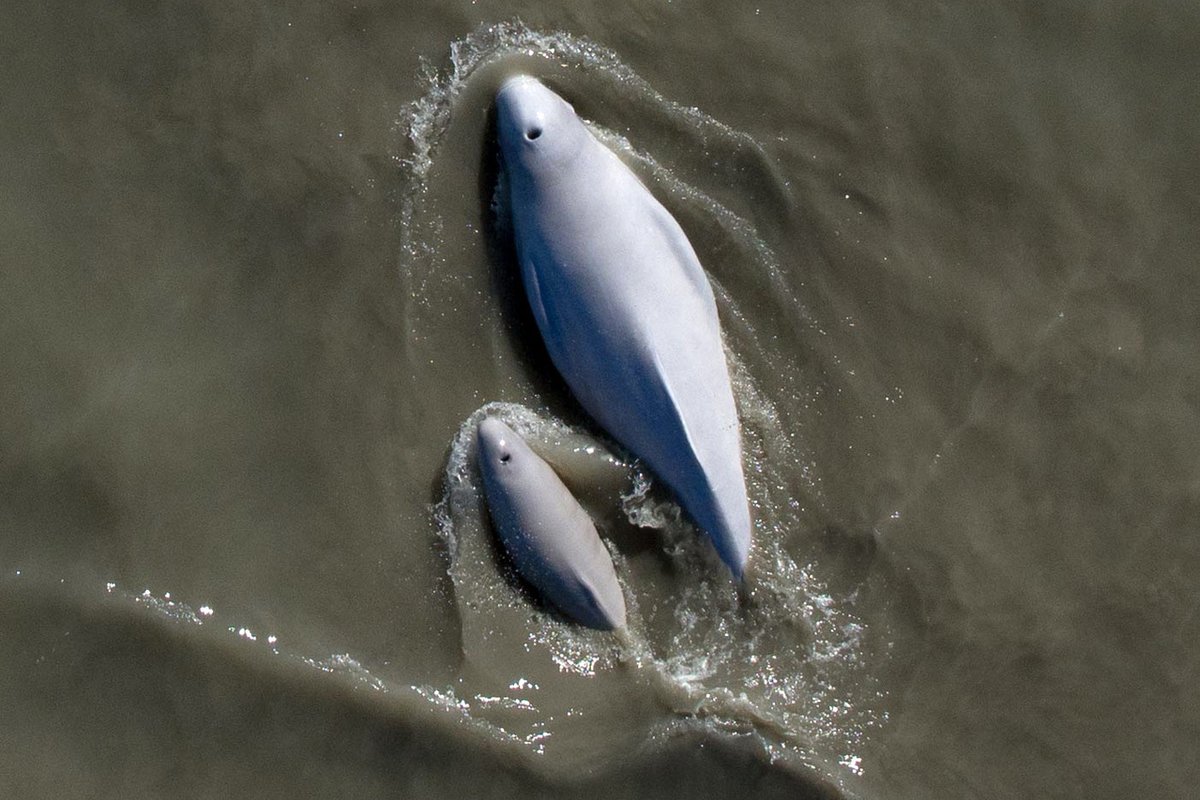
Ocean water could help dissipate the heat from data centers, but the infrastructure could threaten endangered whales
Attacks against data centers in Europe and the Middle East are raising questions as to how we protect the infrastructure on which our digital lives depend