Climate observers have long tied the strength of a major ocean current to water temperatures in the so-called "cold blob" in the North Atlantic Ocean. The 965,000-square-mile (2.5 million square kilometers) area south and southeast of Greenland cooled by as much as 1.8 degrees Fahrenheit over the past century as other ocean waters warmed.
Results for “north carolina”
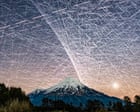
Brendan Larsen spent hours taking hundreds of photographs of the sky over a mountain in New Zealand A photograph showing thousands of satellites cross-hatching the night sky over New Zealand appeared so extraordinary the astrophotographer who captured it is fighting accusations it was created by AI. To create his spectacular image – now viewed millions of times online – Brendan Larsen spent two hours in September snapping hundreds of photographs of the night sky over Mount Taranaki in the North Island. Continue reading...
The Southern Ocean may seem far removed from the North Pacific or the Gulf of Maine, but its waters are linked to all the world's major ocean basins through a vast circulation system.
The eerie call of the common loon has long been the sound of North America's northern lakes, but new research shows it may not be that way in the future. A new study led by Birds Canada analyzed breeding attempts across nine Canadian provinces and seven U.S. states. The researchers found a widespread, long-term plunge in loon chick production across their range.
As a child, Rebeca Quiñonez-Piñón wondered where monarch butterflies stop for a meal and a night's rest on their long migrations across North America. Now she and other scientists are attaching tiny tracking devices to hundreds of butterflies to find those critical stopover locations before they disappear.
Mars shares many landforms and weather patterns with Earth, including changing seasons, volcanoes, canyons, dust storms, dust devils and water ice. Another feature that Earth and Mars share is polar ice caps. These are among each planet's striking features, but the major difference is that Earth's polar ice caps are both composed of water, while Mars' north polar ice cap is composed only of water and its southern polar ice cap is carbon dioxide.
For decades, discussions and decisions about access to contraception, abortion, maternal health care, HIV prevention and treatment, comprehensive sexuality education, gender equity and protection from sexual violence have largely flowed in one direction: from the Global North to the Global South.
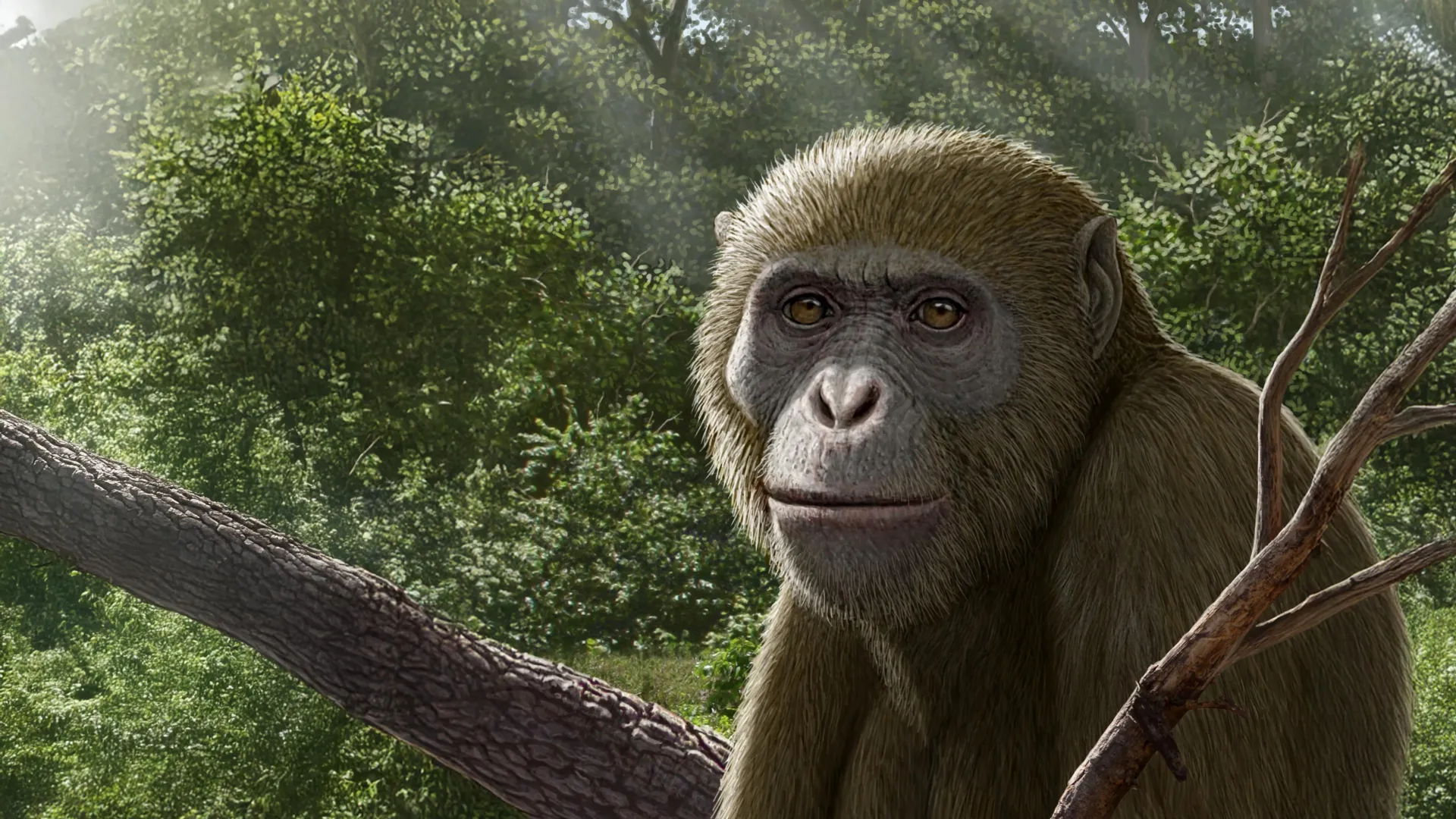
A 17- to 18-million-year-old ape fossil discovered in Egypt is challenging long-held beliefs about where the ancestors of humans and other modern apes first evolved. Scientists now suspect that North Africa and the Middle East, rather than East Africa, may have been the cradle of modern ape evolution.
A remarkable 4,000-year-old defensive structure discovered in Morocco is rewriting what scientists thought they knew about ancient North African civilizations. The massive fortifications reveal unexpectedly sophisticated prehistoric societies and suggest that the region played a much greater role in Mediterranean history than previously recognized.
Among the ravenous carnivores and lumbering herbivores that roamed the Cretaceous landscape, another kind of dinosaur was evolving that started to eat something else: the plants that began to flower and produce fruit. The discovery by paleontologists from Stony Brook University, Royal Ontario Museum (ROM) and the North Dakota Geological Survey reveals that a new species, Infernogallus jamesi—a type of small oviraptorosaur—had chewing muscles for mashing soft food, making it the first known dinosaur that specifically ate fruit.
Energy provider SSEN says 2,000 properties in the north of Scotland are still without power after days of high winds and heavy rain.
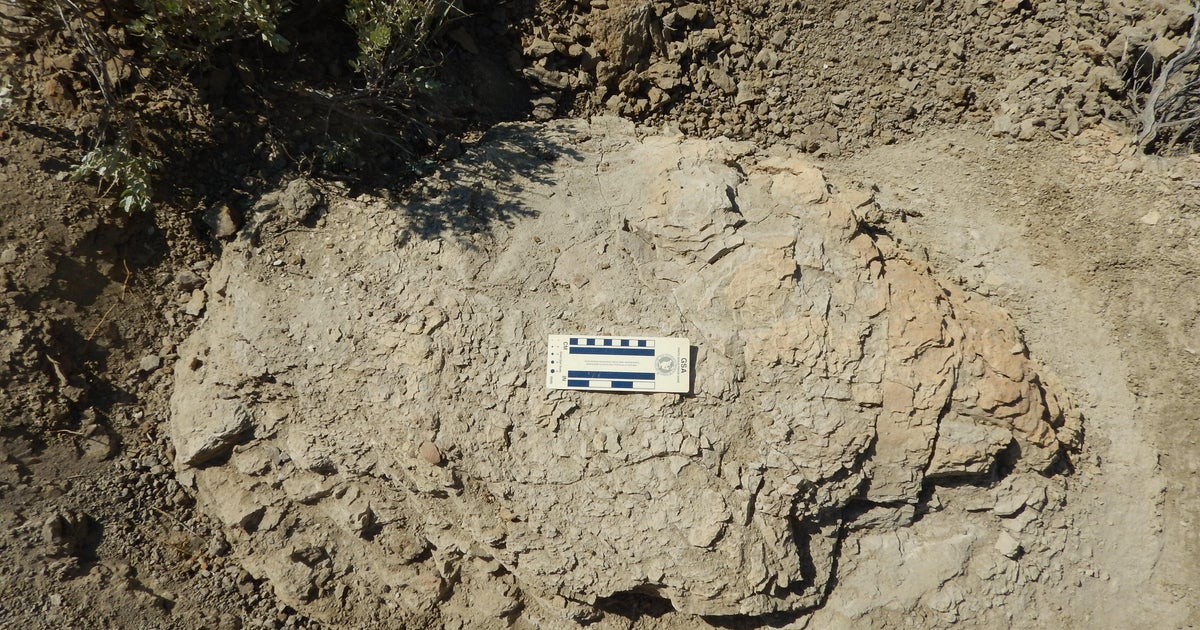
Paleontologists have identified the first known trackway made by a full-grown Tyrannosaurus rex, and the discovery was made in the North Dakota badlands.
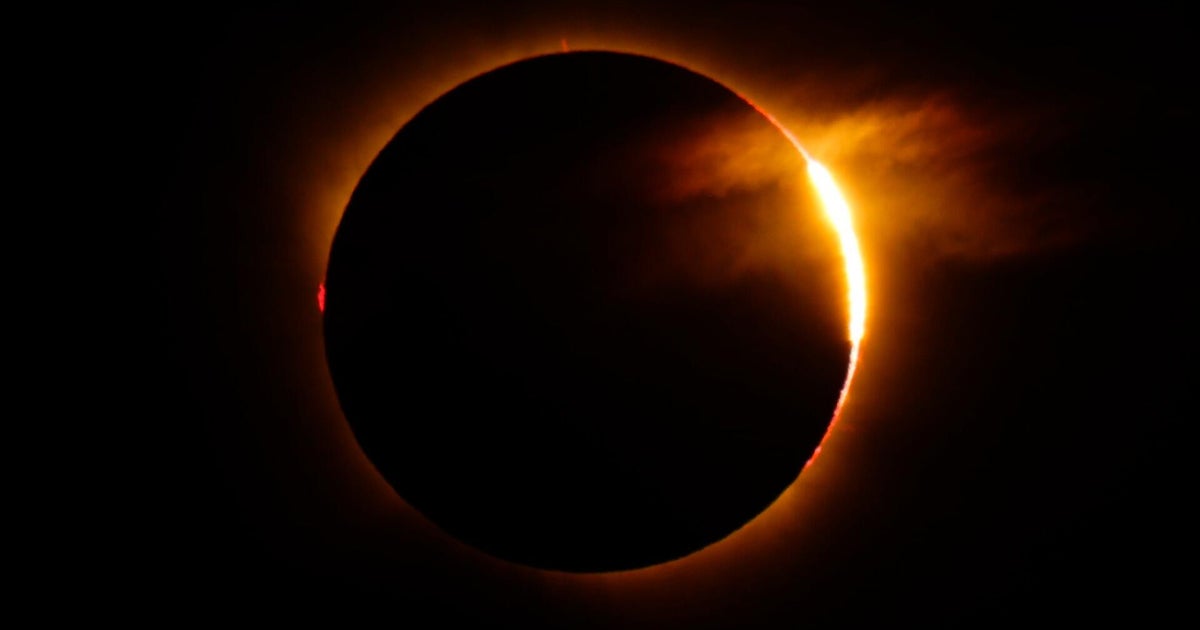
A total solar eclipse turned day into night across a slice of Europe and North America on Wednesday, and put millions in unique contact with the heavens above. Meteorologist Rob Marciano reports from Spain.
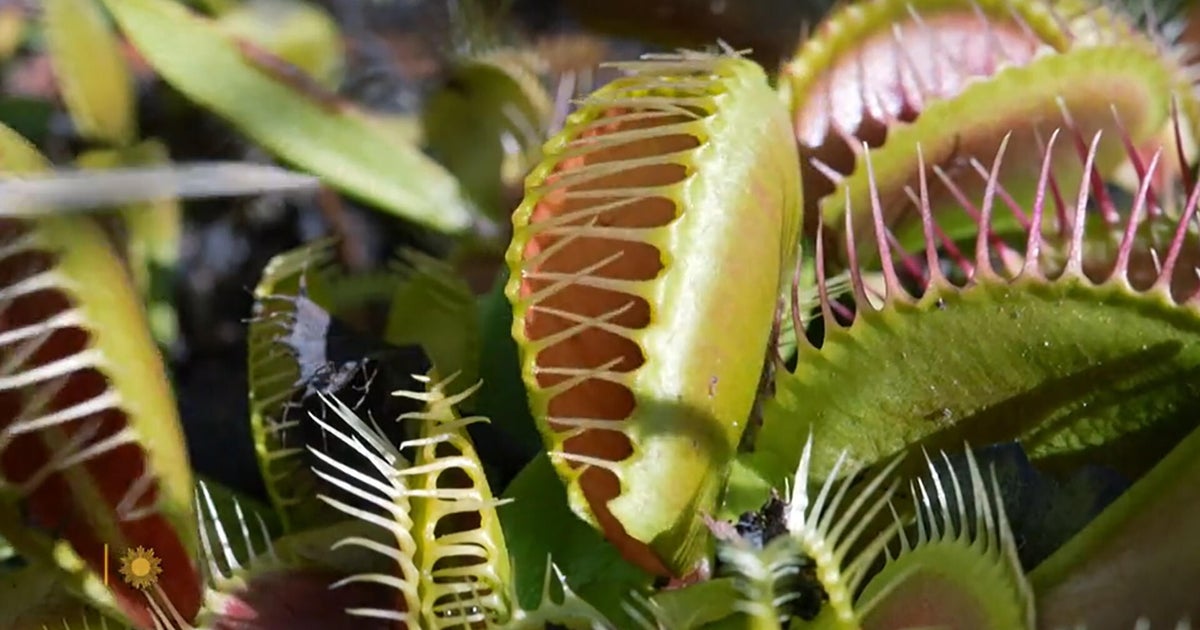
The carnivorous Venus fly trap is native to the Carolinas, but its population is dwindling due to loss of habitat. Correspondent Seth Doane talks with botanist Julie Moore, who has spent much of her life helping to save these remarkable plants; and with Damon Waitt, director of the North Carolina Botanical Garden, who discusses the unusual traits of a species that Charles Darwin called the most interesting plant in the world. (Originally broadcast April 26, 2026.)